Pick Fresh and Fruity
Pinot Noir, Beaujolais, and Riesling handle turkey and every side dish.

Understand Wine. Enjoy Every Glass.
Wine Pairings
Turkey is easy to pair. The real puzzle is the crowded plate around it: cranberry, stuffing, gravy, and sweet potatoes. Pick a wine that handles them all.
Start Learning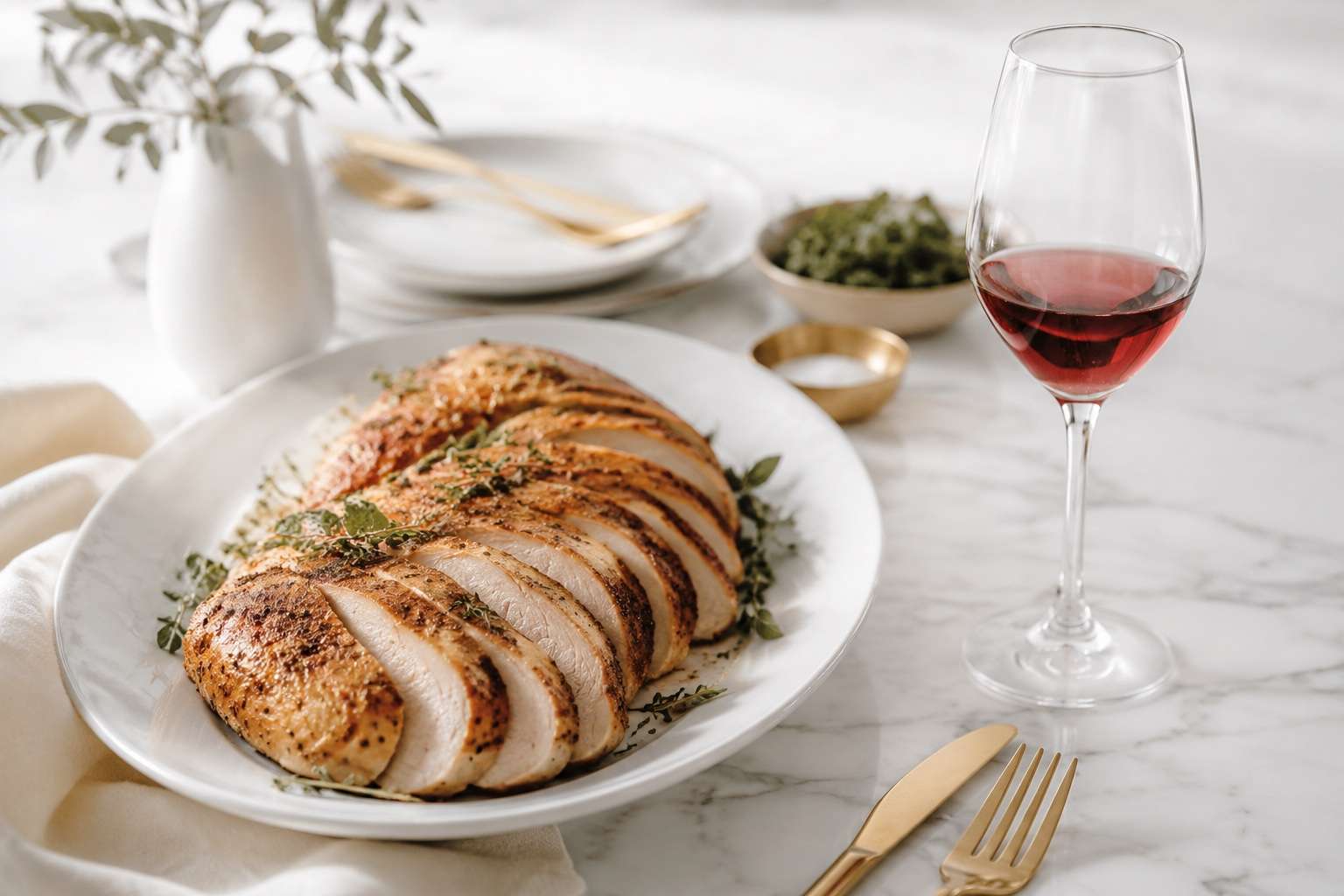
Turkey on its own is lean and mild. White meat is delicate, while dark meat has more fat and flavor, and neither demands a powerful wine. The challenge with wine with turkey is everything else on the table. Cranberry sauce is tart and sweet, stuffing is savory with sage and onion, gravy is rich, sweet potatoes can be sugary, and green beans and Brussels sprouts add bitterness. The ideal wine is flexible. Bright acidity matches tart cranberries and cuts through butter and gravy. Plenty of fruit stands up to sweet sides. Low to moderate tannin keeps lean white meat from tasting dry. Moderate alcohol keeps everyone comfortable over a long meal. That is why fresh, fruit-forward reds and crisp, aromatic whites outshine big, oaky bottles on the holiday table.
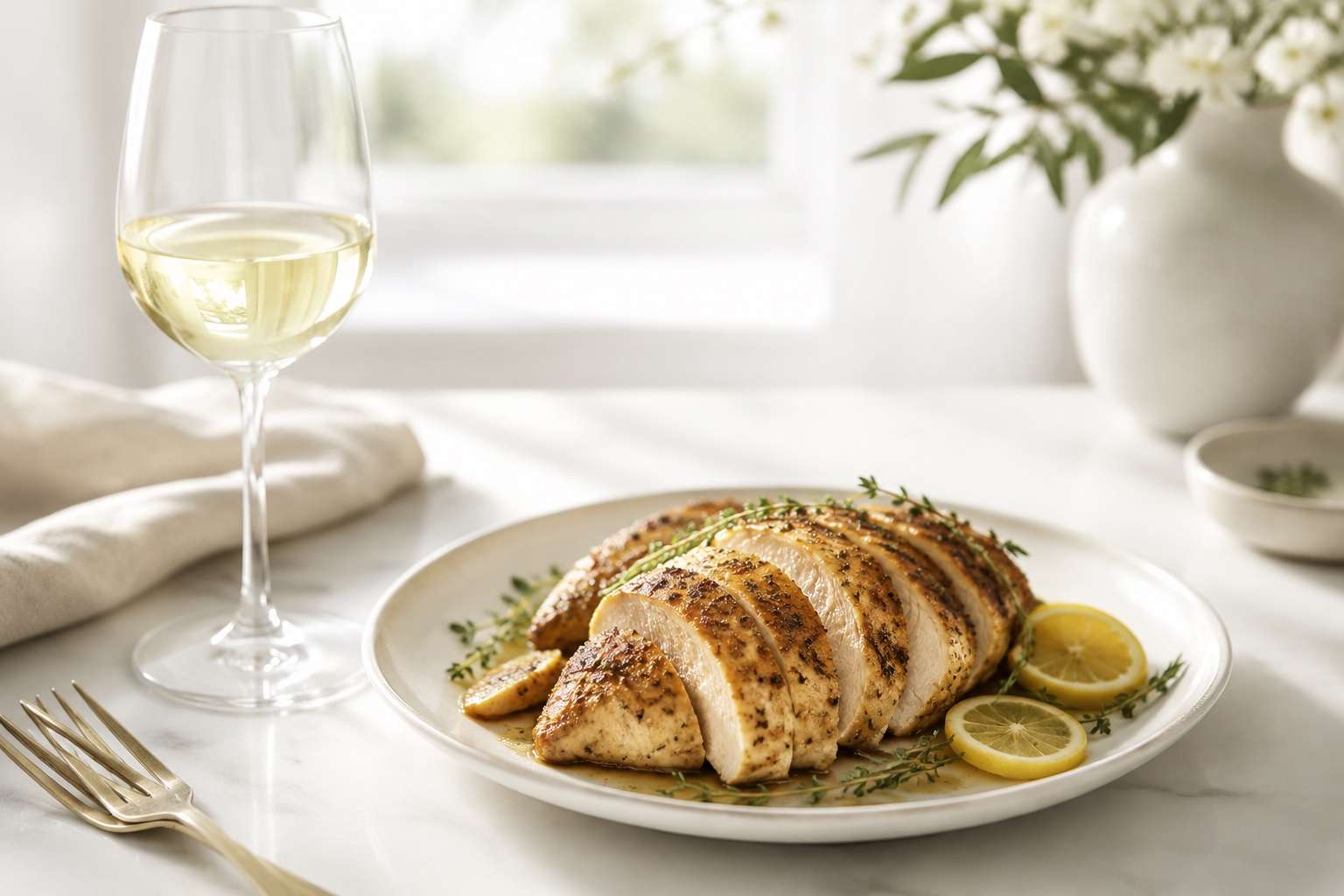
Pinot Noir is the most popular choice, and for good reason. Its cherry and cranberry fruit, earthy notes, and silky texture suit both white and dark meat, and it loves mushroom stuffing and gravy. Oregon, California, and Burgundy all make great options. Gamay from Beaujolais is a close second; the Cru Beaujolais villages, such as Morgon, Fleurie, and Moulin-à-Vent, offer more depth than basic Beaujolais, and Beaujolais Nouveau is released each November in time for Thanksgiving. Read about the region on our Beaujolais page. Zinfandel, America’s heritage grape, brings ripe, jammy fruit and spice that pairs well with dark meat, cranberry, and sweet potatoes. Lighter Grenache, Côtes du Rhône, and Barbera are all good, crowd-friendly alternatives.
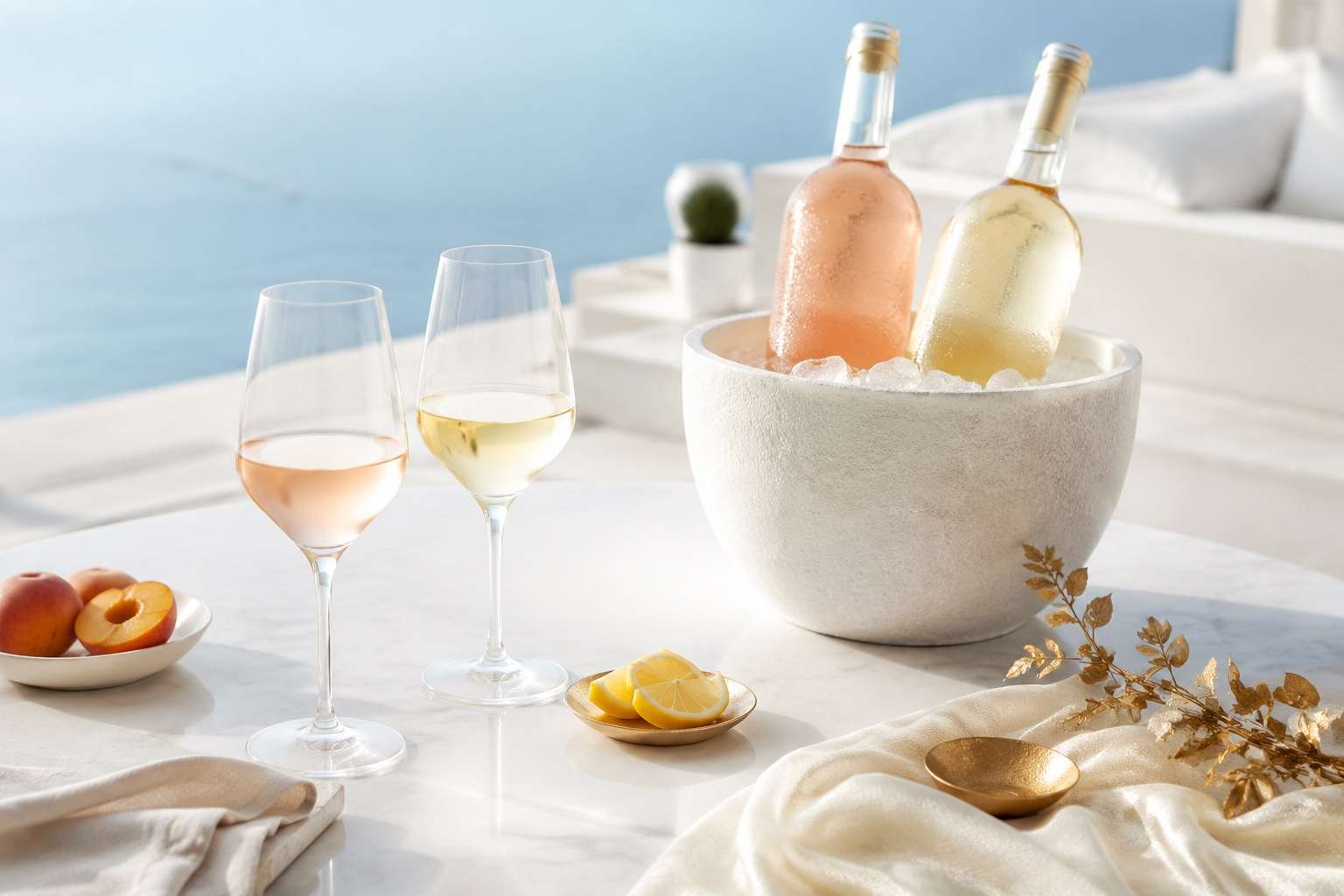
Whites are just as good as reds with turkey, especially white meat. Dry or off-dry Riesling is a star, with high acid for gravy and fruit for sweet sides; a touch of sweetness also helps with cranberry sauce. A lightly oaked Chardonnay suits butter-basted turkey and creamy mashed potatoes. Alsace Pinot Gris and Gewürztraminer bring spice and richness that echo cinnamon, nutmeg, and sage. Chenin Blanc from the Loire works with stuffing and squash. Dry rosé, especially a fuller style, is a true crowd-pleaser that bridges red and white drinkers. Sparkling wine is a smart choice from appetizers through the main course; Champagne, Crémant, Cava, and sparkling rosé all cut through rich food and refresh the palate.
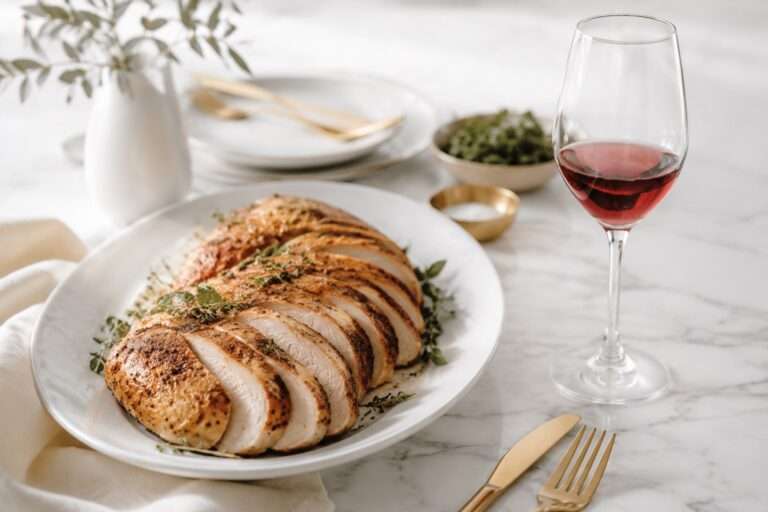
How you cook the turkey changes the best wine. A classic herb-roasted turkey works with Pinot Noir, Beaujolais, or dry Riesling. A butter-basted or bacon-wrapped bird likes Chardonnay or Pinot Noir. Smoked turkey has deep, smoky flavor, which suits Zinfandel, Syrah, or a juicy Grenache. Deep-fried turkey has crisp, salty skin that pairs best with sparkling wine or a crisp, high-acid white. Spatchcocked or grilled turkey gains char that loves rosé or Zinfandel. Turkey breast alone, lean and mild, is ideal for whites and light reds. Cajun-spiced or chile-rubbed turkey calls for off-dry Riesling or Gewürztraminer to cool the heat. Leftover turkey sandwiches with cranberry sauce are lovely with Beaujolais or a dry rosé. For the full holiday spread, see wine with Thanksgiving dinner.
The biggest mistake is choosing a wine that is too heavy. Big, tannic reds such as young Cabernet Sauvignon, Barolo, or Malbec can overwhelm lean turkey and taste harsh with dry white meat. Their tannins also clash with cranberry sauce’s acidity and the bitterness of green vegetables. Heavily oaked, high-alcohol Chardonnay can feel heavy and taste flat next to tart cranberries. Very light, neutral wines can disappear among rich sides. High-alcohol wines of any kind make a long holiday meal feel heavier, so look for options around 12 to 13.5 percent ABV. Very sweet wines rarely work with the main course, though an off-dry Riesling is fine. Finally, avoid serving only one style; offering a red and a white lets each guest choose what suits their plate.
Serve Pinot Noir and Beaujolais slightly cool, around 55–60°F, and Zinfandel at 60–65°F. Serve whites at 45–50°F and sparkling wine at 40–45°F. Plan on about half a bottle per guest for a long holiday meal, and see our how much wine per person guide for planning. Buying a mix of styles means every guest finds something they enjoy. Value is easy here. Beaujolais-Villages, California Pinot Noir, Côtes du Rhône, German Riesling, Spanish Cava, and Crémant often cost under $20. Magnums, which hold two standard bottles, are a fun, festive way to serve a crowd; our wine bottle sizes guide explains the options. Save a splurge, such as a red Burgundy or Champagne, for the toast.
| Turkey Dish | Best Wine | Why It Works |
|---|---|---|
| Herb-roasted turkey | Pinot Noir or dry Riesling | Fresh acid and fruit suit lean meat and sides |
| Butter-basted turkey | Lightly oaked Chardonnay | Round texture matches butter and gravy |
| Smoked turkey | Zinfandel or Syrah | Ripe fruit and spice handle smoke |
| Deep-fried turkey | Champagne or sparkling wine | Bubbles cut through crisp, salty skin |
| Turkey with cranberry sauce | Cru Beaujolais | Tart red fruit mirrors cranberries |
| Cajun or spicy turkey | Off-dry Riesling or Gewürztraminer | Sweetness and low alcohol cool heat |
Pinot Noir, Beaujolais, and Riesling handle turkey and every side dish.
Put one of each on the table so guests can match their own plate.
Wines around 12–13.5% ABV keep a long turkey dinner comfortable for every guest.
Learn Your Taste
Answer a few simple questions and discover styles that fit your palate.
Take the Wine QuizBoth work. Pinot Noir and Beaujolais are the best reds, while dry Riesling and Chardonnay are top whites. White wine suits white meat and creamy sides; red suits dark meat, cranberry, and stuffing.
Pinot Noir, Cru Beaujolais, Zinfandel, dry Riesling, and sparkling wine are all excellent. They have bright acidity and fruit to handle turkey plus cranberry, stuffing, gravy, and sweet potatoes.
Yes. Beaujolais Nouveau is light, fruity, and low in tannin, which suits turkey and cranberry sauce. It is released each November, just before Thanksgiving. For more depth, try a Cru Beaujolais like Morgon or Fleurie.
Usually not. Cabernet's firm tannins can overwhelm lean turkey and clash with cranberry sauce. If guests want a bigger red, choose a fruitier Zinfandel or a softer Merlot instead.
Zinfandel is an excellent choice, with ripe fruit and spice that match smoky flavor. Syrah, Grenache, and Côtes du Rhône also work. For a white, try an off-dry Riesling or a rich Alsace Pinot Gris.
Plan on about half a bottle per guest for a long holiday meal, or one bottle for every two guests. Buy a mix of red, white, and sparkling wine so everyone has an option they enjoy.