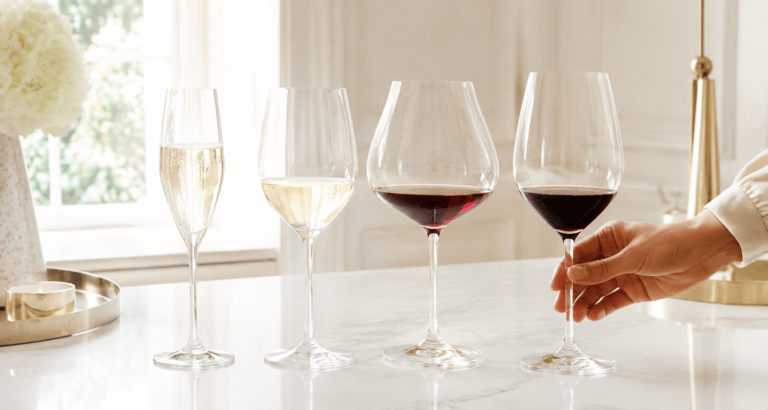
Remember Five Glasses
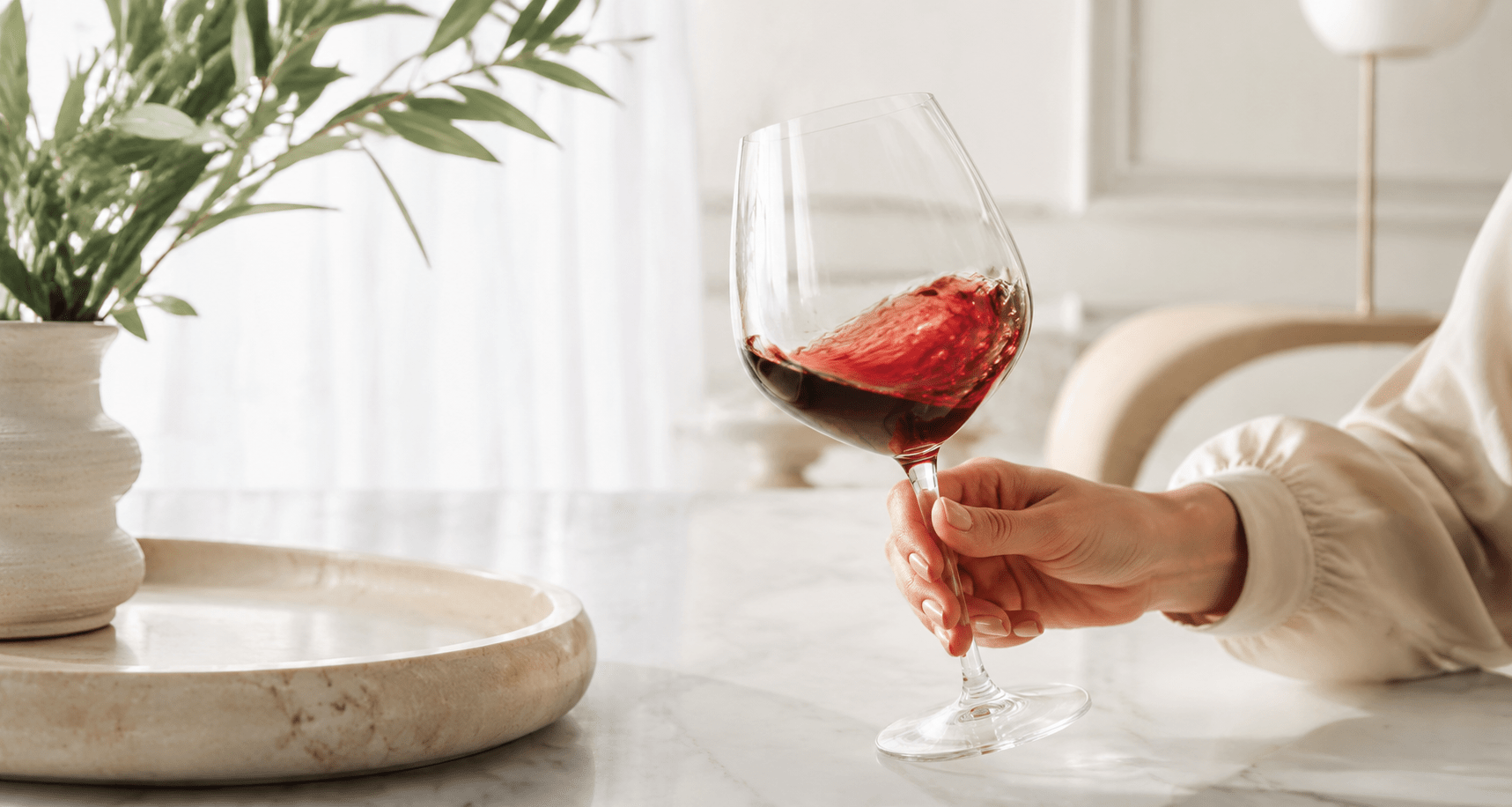
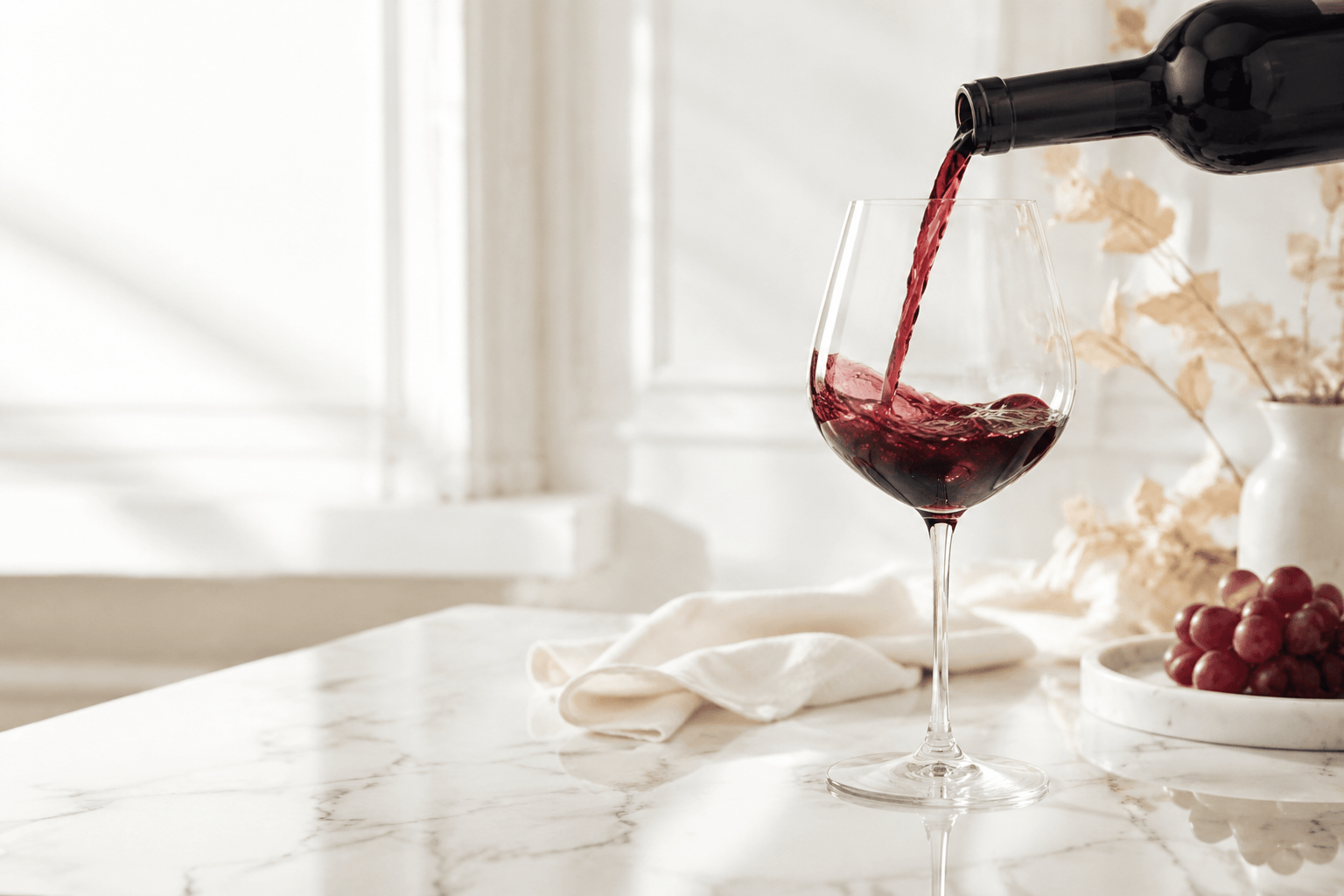
Every standard 750 ml bottle pours about five 5-ounce glasses.

Understand Wine. Enjoy Every Glass.
Wine Basics
Running out of wine ends a party early, and buying three cases for ten guests wastes money. Here is how much wine per person you really need, with simple math.
Start Learning
The simplest rule for how much wine per person is one glass per guest per hour. Most people drink a little more in the first hour and slow down later, so it evens out. For a sit-down dinner, plan on half a bottle per person, which is about two and a half glasses over the course of a meal. A standard 750 ml bottle holds about 25 ounces, which pours five 5-ounce glasses. That number is the key to all party math. Adjust for your crowd. Wine-loving friends at a long celebration may drink more, while a lunchtime event, a work function, or a party with beer and cocktails on offer will need less. When in doubt, round up by a bottle or two; unopened wine keeps for another day, but an empty bar ends the night.
Use this formula: guests × hours × 1 glass ÷ 5 = bottles. For 10 guests at a three-hour party: 10 × 3 = 30 glasses, divided by 5 equals 6 bottles. For 30 guests over four hours: 120 glasses, or 24 bottles, which is two cases. For a dinner party, multiply guests by one-half: 8 guests need about 4 bottles. If wine is the only drink, add 10 to 20 percent. If you are also serving beer and cocktails, you can trim the wine estimate by about a third, depending on your guests. A magnum holds two standard bottles, which looks festive on a buffet and pours about 10 glasses. A case of 12 bottles pours about 60 glasses. Many shops offer a discount on full or mixed cases, so it pays to round up to a case when you are close.
A 50/50 split between red and white is a safe starting point, then adjust for season and menu. In summer or with seafood, salads, and grilled chicken, lean toward 60 percent white and rosé. In winter or with roasts and red meat, lean toward 60 percent red. A crowd-pleasing lineup covers a few styles: a crisp white like Sauvignon Blanc or Pinot Grigio, a smooth, medium-bodied red like Merlot or Pinot Noir, and a dry rosé, which appeals to almost everyone. Add one sparkling wine if there is anything to celebrate. Avoid extreme styles, such as very tannic reds or very sweet whites, as your only options. Our guides to the best red wines under $20 and best white wines under $20 make choosing affordable party wines easy.
Toasts use smaller pours. A flute for a toast usually holds 3 to 4 ounces, so one bottle of sparkling wine serves six to eight people. For 100 wedding guests, plan on 13 to 17 bottles just for the toast. Remember that some guests will skip it or not finish their glass. For receptions, many planners estimate about a half bottle of wine per adult guest over the evening when beer and spirits are also offered, and more if wine is the main drink. Long events with dancing tend to see heavier drinking early, then a slowdown. If you are using a caterer or venue, ask whether they charge by the bottle opened or by the head; that can change how much you buy. For style ideas, see our guide to wedding wines.
Buy a little extra and ask your shop about its return policy for unopened bottles; rules vary by store and state. Prosecco, Cava, and other value sparkling wines make large toasts affordable. For whites and rosé, plan your cooling space. A large cooler or tub filled with ice and water chills a dozen bottles in roughly 20 to 30 minutes and keeps them cold all night; our guide on how to chill wine fast explains why water beats plain ice. Open a few bottles at the start so guests can help themselves, and replace them as they empty rather than opening everything at once. Smaller pours in standard-size glasses help wine stretch further. Our page on how to pour wine shows what a 5-ounce pour looks like in different glasses.
Good planning includes the people who are not drinking wine. Offer plenty of water, sparkling water, and a non-alcoholic option or two; non-alcoholic wine is an easy way to include everyone in a toast. Serve real food alongside the wine, since guests who eat drink more slowly and feel better. Make sure everyone drinking is 21 or older, and plan rides, rideshares, or a place to stay for anyone who needs it. Stop opening new bottles as the evening winds down. Leftover open bottles keep for a few days with the cork back in and stored in the refrigerator, and anything that fades can go into cooking.
Note how many adults are drinking and how long the event will last.
Multiply guests by hours for parties, or plan two and a half glasses each for dinner.
Divide total glasses by five, since each 750 ml bottle pours about five glasses.
Start with half red and half white, then adjust for the season and the menu.
Round up by 10 to 20 percent, or to the nearest case, so you never run short.
| Event | Guests and Length | Bottles Needed |
|---|---|---|
| Dinner party | 8 guests | About 4 bottles |
| Cocktail party | 10 guests, 3 hours | About 6 bottles |
| Cocktail party | 20 guests, 3 hours | About 12 bottles (1 case) |
| Large party | 50 guests, 4 hours | About 40 bottles |
| Champagne toast | 50 guests | 7–9 bottles of sparkling |
| Wedding reception with full bar | 100 guests | About 50 bottles |
Every standard 750 ml bottle pours about five 5-ounce glasses.
A dry rosé pleases both red and white drinkers and works with most party food.
Many wine shops discount full or mixed cases of 12 bottles.
Learn Your Taste
Answer a few simple questions and discover styles that fit your palate.
Take the Wine QuizFor a four-hour party where wine is the main drink, plan on about 40 bottles, based on one glass per guest per hour. If beer and cocktails are also available, around 25 to 30 bottles is usually enough.
A standard 750 ml bottle holds about 25 ounces, which pours five 5-ounce glasses. Larger restaurant-style pours of 6 ounces give about four glasses, while 3- to 4-ounce toast pours give six to eight.
Plan on about half a bottle per person, or two and a half glasses each. For eight guests, four bottles is a good target. Add one extra bottle if your friends enjoy wine or the dinner runs long.
One 750 ml bottle fills six to eight toast flutes at 3 to 4 ounces each. For 100 guests, buy 13 to 17 bottles. Many hosts pour Prosecco or Cava for large toasts to keep costs down.
Start with an even split. Lean toward white, rosé, and sparkling in warm weather or with lighter food, and lean toward red in cold weather or with hearty, meaty dishes.
Unopened bottles keep well when stored on their side in a cool, dark spot. Opened bottles last a few days with the cork back in, refrigerated. Wine that has faded can be used in cooking, sauces, or sangria.