Pour Bubbles
Sparkling wine and Lambrusco cut through salt and fat on any board.

Understand Wine. Enjoy Every Glass.
Wine Pairings
Cured meats are salty, fatty, and full of flavor, which makes them easy to love with wine. A few versatile bottles can cover the whole board.
Start Learning
Charcuterie is all about salt and fat, plus spices like black pepper, fennel, garlic, and paprika. The best wine with charcuterie balances those flavors. High acidity cuts through fat and makes salty meats taste lighter, so you want another bite. Bubbles scrub the palate clean, which is why sparkling wine is so good with cured meats. Fruit balances salt, and a touch of sweetness or ripe fruit can work wonderfully with salty ham. Heavy tannin is less helpful; salt softens tannin a little, but very tannic reds can still taste harsh with spicy salami. A board usually holds many flavors at once, so versatile, food-friendly wines work best. Many of the best matches come from the same places as the meats: Italy, Spain, and France, where curing meat and making wine go hand in hand.
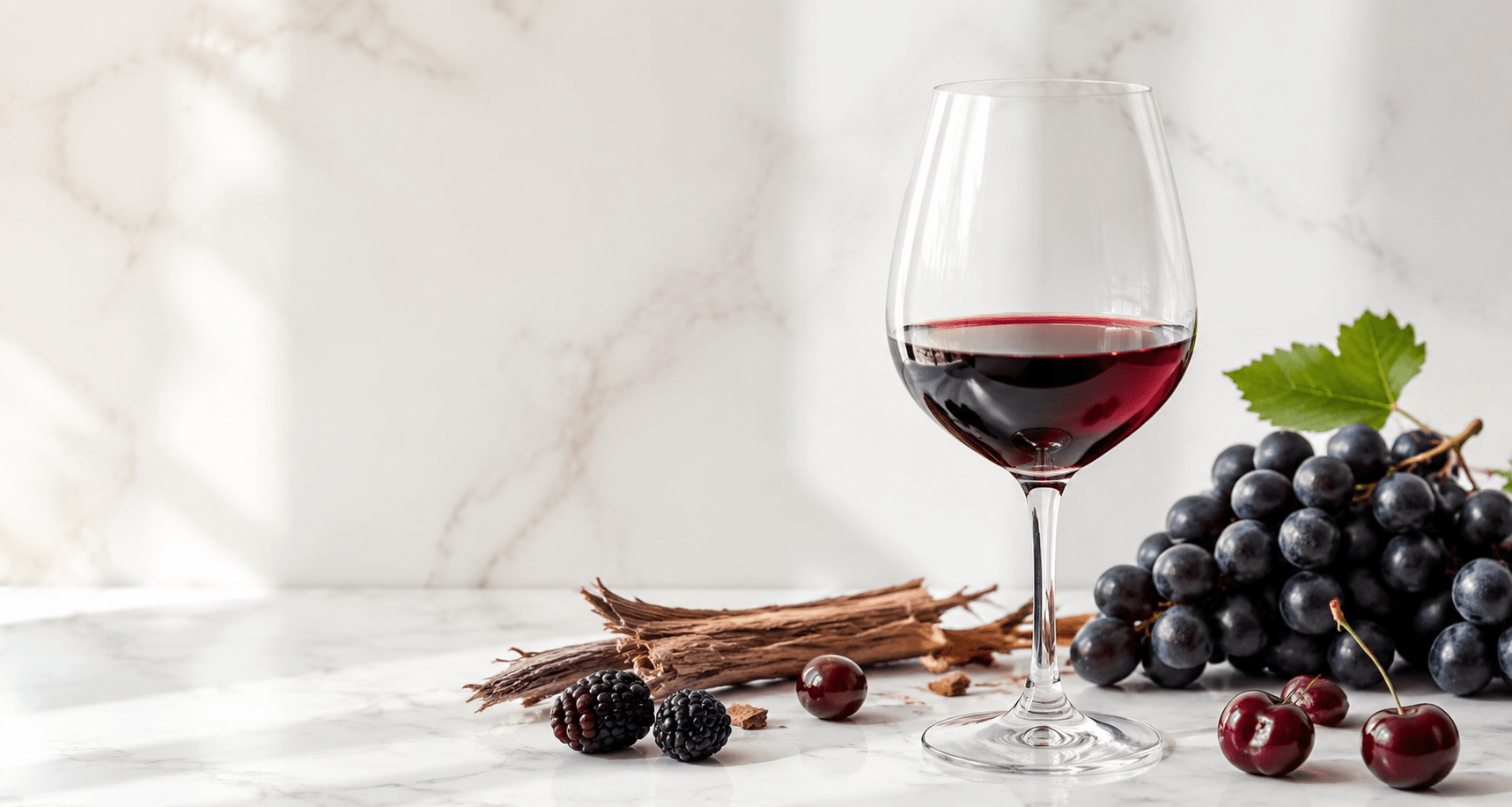
Prosciutto di Parma is silky, sweet, and delicate; pair it with Prosecco, sparkling Lambrusco, or a crisp Pinot Grigio. See wine with prosciutto for more. Salami, such as Genoa or finocchiona with fennel, loves bright Italian reds like Chianti, Barbera, or Dolcetto. Soppressata and spicy salami suit fruity, lower-tannin reds or a dry rosé. Chorizo, with smoky paprika, matches Spanish Garnacha or a young Rioja. Jamón serrano and ibérico, nutty and rich, are a classic with dry fino or manzanilla Sherry, or with Cava. Mortadella is mild and pairs with Lambrusco. Bresaola, air-dried beef from the Alps, suits a light Nebbiolo-based red. ‘Nduja, a spreadable spicy pork from Calabria, wants a juicy, low-alcohol red or rosé.
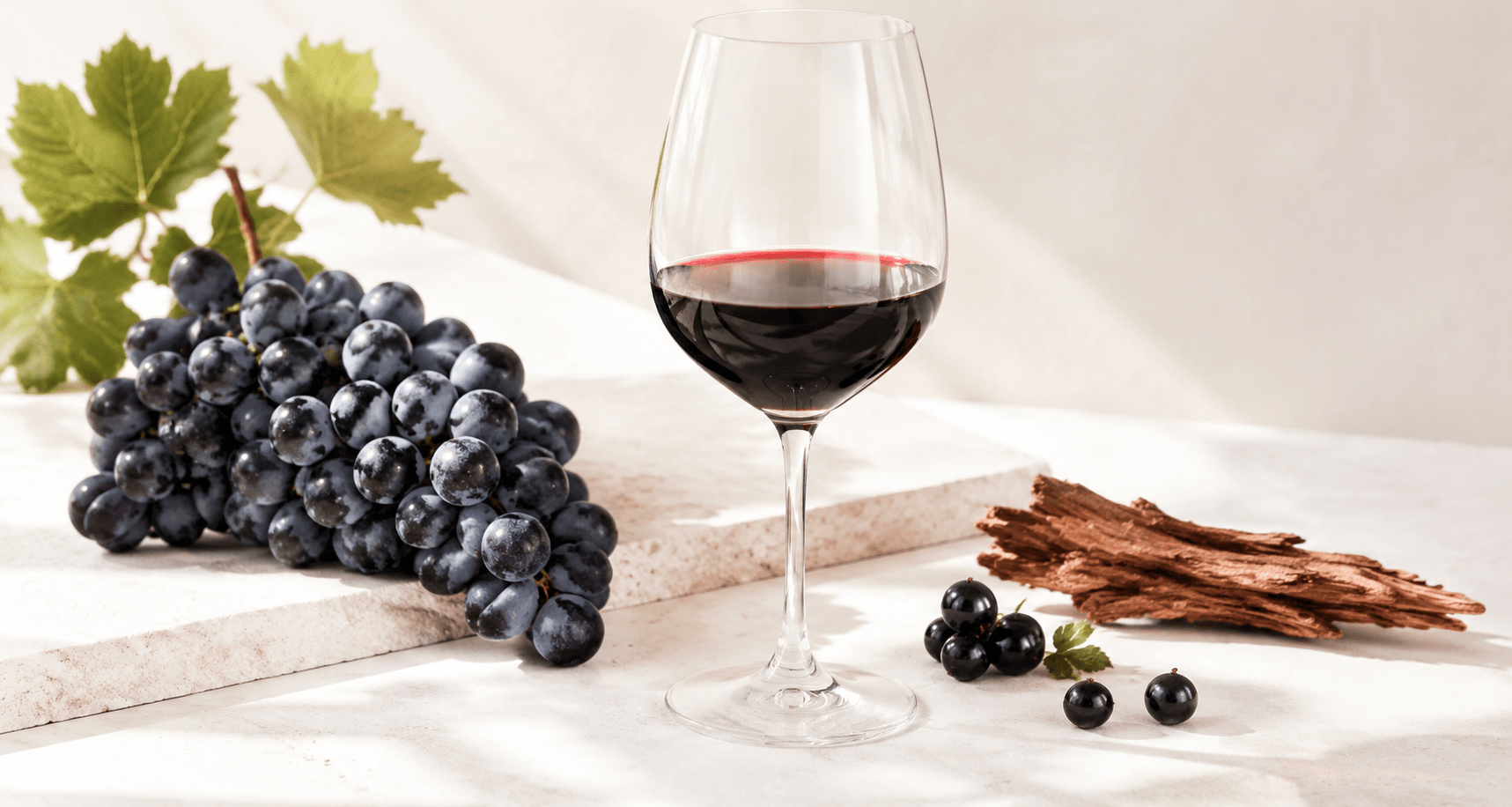
Spreadable charcuterie brings richness and texture. Pâté de campagne, the coarse country pâté of France, is perfect with Beaujolais, whose bright cherry fruit and soft tannin cut through the fat. Light Pinot Noir from Burgundy works, too. Chicken liver pâté is creamy and rich, and it loves Pinot Noir, an off-dry Riesling, or even a sweet wine for contrast. Pork rillettes, slow-cooked and shredded, pair with crisp Chenin Blanc from the Loire, Champagne, or dry rosé. Duck rillettes work with Pinot Noir. Foie gras, the rich luxury spread, is classically served with Sauternes or late-harvest wine, a contrast pairing of sweet and fatty. Terrines with game or pistachio suit Pinot Noir or a Côtes du Rhône. Mustard and cornichons on the side add tang that high-acid wines handle easily.
Most boards combine meats with cheese, fruit, nuts, and pickles. Pick wines that work across the spread. Hard cheeses like Parmigiano, aged Manchego, and aged Cheddar suit Chianti, Rioja, or Lambrusco, while soft cheeses like Brie pair better with sparkling wine or Chardonnay. Our wine with cheese guide covers each style. Fresh figs, grapes, and dried apricots add sweetness that pairs well with off-dry Riesling or a fruity rosé. Honey and fig jam help bridge salty meat and sweet wine. Olives, cornichons, and pickled onions are acidic and salty, so they need high-acid wines; sparkling wine and crisp whites handle them best. Marcona almonds and walnuts are lovely with fino Sherry. For a full plan, see hosting a wine and cheese party.
Very tannic, heavily oaked reds are the main mismatch. Young Cabernet Sauvignon, Barolo, and Tannat can taste harsh and metallic against salty, spicy cured meats, and their power overwhelms delicate prosciutto. Very high-alcohol wines make spicy salami and chorizo feel hotter. Heavily oaked, buttery Chardonnay can feel heavy with fatty meats and clashes with pickles and mustard. Very sweet dessert wines are too sweet for most cured meats, though they work with foie gras and blue cheese. Delicate, aged wines can lose their nuance next to strong spices and salt. Finally, avoid serving just one wine with a big, varied board; a red, a white or rosé, and a sparkling wine will handle the full range of flavors.
Serve sparkling wine at 40–45°F, whites and rosés at 45–50°F, and light reds like Beaujolais or Lambrusco slightly cool, around 55–60°F. Take meats out of the fridge 20 to 30 minutes before serving so their flavors open up. For appetizers, plan about 2 ounces of meat per guest, or 3 to 4 ounces if the board is the meal. Arrange from mild to strong. Charcuterie wines are often affordable. Lambrusco, Prosecco, Cava, Beaujolais-Villages, basic Chianti, Barbera d’Asti, Spanish Garnacha, and fino Sherry often cost under $20. A great all-purpose trio is a Lambrusco, a Prosecco, and a Beaujolais. For more starters, see wine with appetizers.
| Cured Meat | Best Wine | Why It Works |
|---|---|---|
| Prosciutto | Prosecco or Lambrusco | Light bubbles and fruit suit silky, sweet ham |
| Salami | Chianti or Barbera | Bright acid and cherry fruit cut fat and pepper |
| Chorizo | Garnacha or young Rioja | Ripe fruit matches smoky paprika |
| Jamón serrano or ibérico | Fino Sherry or Cava | Nutty, salty notes echo cured ham |
| Pâté or terrine | Beaujolais or Pinot Noir | Soft tannin and acid cut rich spreads |
| Mortadella | Lambrusco | Fruity bubbles balance mild, fatty meat |
| Foie gras | Sauternes | Sweetness contrasts rich fat |
Sparkling wine and Lambrusco cut through salt and fat on any board.
Italian salumi with Italian wine, Spanish jamón with Sherry or Cava.
A sparkling, a light red, and a white or rosé cover every bite.
Learn Your Taste
Answer a few simple questions and discover styles that fit your palate.
Take the Wine QuizLight to medium reds with bright acidity are best, such as Beaujolais, Pinot Noir, Chianti, Barbera, and Lambrusco. They cut through fat and salt without harsh tannin. Garnacha suits spicy chorizo.
Crisp whites like Pinot Grigio, Chenin Blanc, and dry Riesling work well, especially with prosciutto, rillettes, and pâté. Sparkling wines like Prosecco and Cava are even more versatile.
Yes. Prosecco is light, fruity, and bubbly, which makes it great with prosciutto, mortadella, and salami. Its bubbles cut through fat and refresh the palate between salty bites.
Bright Italian reds like Chianti, Barbera, and Dolcetto are classic matches for salami. For spicy salami, choose a fruity, lower-alcohol red or a dry rosé. Lambrusco is another excellent option.
Prosecco, Lambrusco, and crisp Pinot Grigio are ideal. Prosciutto is delicate and slightly sweet, so it pairs best with light, fruity wines rather than big, tannic reds.
Two or three is ideal. A sparkling wine, a light red, and a crisp white or rosé cover most meats, cheeses, and extras. Plan on one bottle for every three to four guests for appetizers.