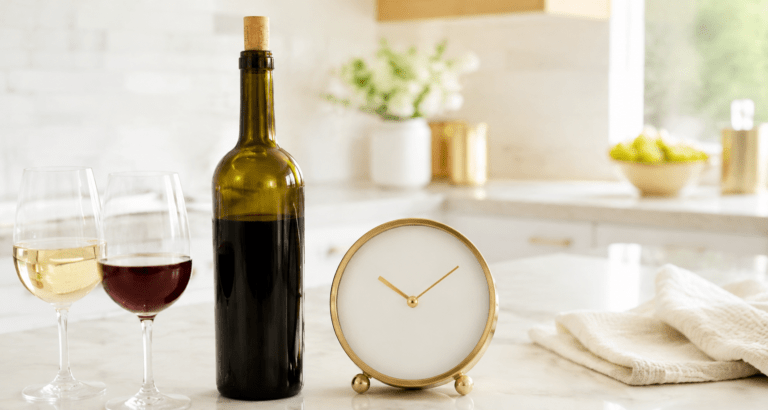
Warm the Cheese
Take cheese out 30 to 60 minutes early for the best flavor and texture.

Understand Wine. Enjoy Every Glass.
Buying & Occasions
A wine and cheese party is one of the easiest ways to entertain. With a little planning, you get a relaxed evening and a tasting your friends will remember.
Start Learning
A great wine and cheese party starts with a simple plan. Decide how many guests you will invite, then choose a theme that makes shopping easy. Popular themes include a single country, like a French tasting with Sancerre, Brie, and Comté; a single grape grown in different places; or an “around the world” spread with one wine from each region. For most parties, four to six wines and four to six cheeses are plenty. More than that gets confusing, and fewer feels thin. Aim for a range of styles: one sparkling, one crisp white, one richer white or rosé, one or two reds, and one sweet wine for the end. Send invitations a week or two ahead, and ask guests about any dietary needs. Our page on wine with cheese covers pairing principles in more depth.
A few classic pairings will make your board shine. Fresh goat cheese loves Sauvignon Blanc, especially Sancerre, whose zesty acidity matches the cheese’s tang. See wine with goat cheese. Brie and Camembert pair beautifully with Champagne or another dry sparkling wine; bubbles cut through the creamy richness. Read wine with Brie. Aged Gouda and Comté work with fuller Chardonnay or a medium-bodied red. Aged Cheddar stands up to Cabernet Sauvignon or a Bordeaux blend. Parmigiano-Reggiano is a natural with Chianti or Lambrusco. Blue cheese, like Stilton or Roquefort, sings with sweet wines such as Port or Sauternes. The sweetness balances the salt. Learn more in wine with blue cheese. A simple rule: match intensity, and pair wines and cheeses from the same region.
For a two- to three-hour party where cheese is the main food, plan about half a bottle of wine per guest, or roughly two to three glasses. A standard 750 ml bottle pours about five 5-ounce glasses, or about twice as many smaller tasting pours. Our how much wine per person guide has more detail. If you are pouring small tastes of many wines, plan on about 2 ounces per wine per guest. For cheese, budget 3 to 4 ounces per person if it is the main event, or 1 to 2 ounces per person if you are also serving dinner. Add crackers, sliced baguette, fresh fruit like grapes and pears, dried figs, nuts, honey, and cured meats. Keep plenty of water on the table, and provide spit cups or a dump bucket if you are tasting many wines.
Arrange cheeses from mild to strong, left to right, and serve wines in the same order: sparkling and light whites first, then richer whites and reds, then sweet wine last. This keeps delicate flavors from being overwhelmed. Take cheese out of the refrigerator 30 to 60 minutes before guests arrive. Cold cheese tastes muted and firm; room temperature brings out flavor and texture. Chill whites and sparkling wine, and serve reds slightly cool, around 60 to 65°F. Check our wine serving temperature chart. Give each cheese its own knife so strong flavors do not mix. Use small labels with the cheese name, milk type, and suggested wine. A simple all-purpose glass per guest is fine. Set out a water pitcher for rinsing between wines, and name tags or glass charms help guests keep track of their own glass.
Keep the mood relaxed. Not everyone knows wine, so encourage people to say what they like rather than worrying about the right words. A few prompts, like “Which pairing surprised you?”, get conversation going. If guests ask to bring something, suggest a bottle that fits your theme or a cheese from a local shop. Offer a non-alcoholic option, such as sparkling water with citrus, or a non-alcoholic wine, so every guest feels included. Make sure everyone has a safe way home, and serve enough food to balance the wine. For extra fun, try a blind tasting: wrap bottles in paper bags and let guests guess the grape or region. Our guide to wine tasting at home explains how to run one. At the end, send guests home with notes on their favorite pairings.
| Cheese | Best Wine | Why It Works |
|---|---|---|
| Fresh goat cheese | Sancerre or Sauvignon Blanc | Bright acidity matches the tangy cheese |
| Brie or Camembert | Champagne or Crémant | Bubbles cut through creamy richness |
| Aged Gouda or Comté | Oaked Chardonnay or Pinot Noir | Nutty notes meet rounder, fuller wine |
| Aged Cheddar | Cabernet Sauvignon | Firm, sharp cheese tames bold tannin |
| Parmigiano-Reggiano | Chianti or Lambrusco | Salty, savory cheese loves Italian acidity |
| Blue cheese | Port or Sauternes | Sweetness balances strong, salty flavor |
Take cheese out 30 to 60 minutes early for the best flavor and texture.
Serve wines and cheeses from mildest to strongest, finishing with sweet wine.
Small cards with cheese and wine names help guests explore pairings.
Learn Your Taste
Answer a few simple questions and discover styles that fit your palate.
Take the Wine QuizFour to six wines is ideal. Choose a range: a sparkling wine, a crisp white, a fuller white or rosé, one or two reds, and a sweet wine like Port to finish with blue cheese.
Firm, aged cheeses pair best with red wine: aged Cheddar, Gouda, Manchego, Comté, and Parmigiano-Reggiano. Their fat and protein soften tannins. Soft, delicate cheeses often taste better with whites or sparkling wine.
Fresh and soft cheeses suit white wine. Goat cheese pairs with Sauvignon Blanc, Brie with Champagne or Chardonnay, and Gruyère with dry Riesling. White wines' acidity balances creamy and tangy cheeses beautifully.
Plan 3 to 4 ounces of cheese per person if cheese is the main food, or 1 to 2 ounces if you are also serving dinner. Add bread, crackers, fruit, and nuts to stretch the board.
Go from light to heavy. Start with sparkling and crisp whites alongside mild, fresh cheeses, move to fuller whites and reds with aged cheeses, and finish with sweet wine and blue cheese.
Add crackers, baguette, grapes, pears, dried figs, nuts, honey, olives, and cured meats like prosciutto. Offer still and sparkling water, and include a non-alcoholic drink so every guest has something to enjoy.