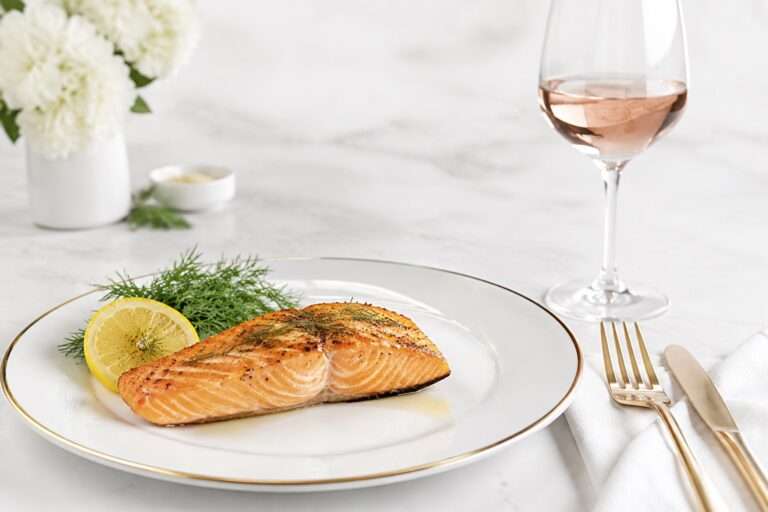
Warm It Up
Let brie sit out for about an hour so it is soft, aromatic, and creamy.

Understand Wine. Enjoy Every Glass.
Wine Pairings
Brie is soft, buttery, and mild, with an earthy, mushroomy rind. It loves wines with bright acidity or bubbles. Here is what to pour with fresh, ripe, and baked brie.
Start Learning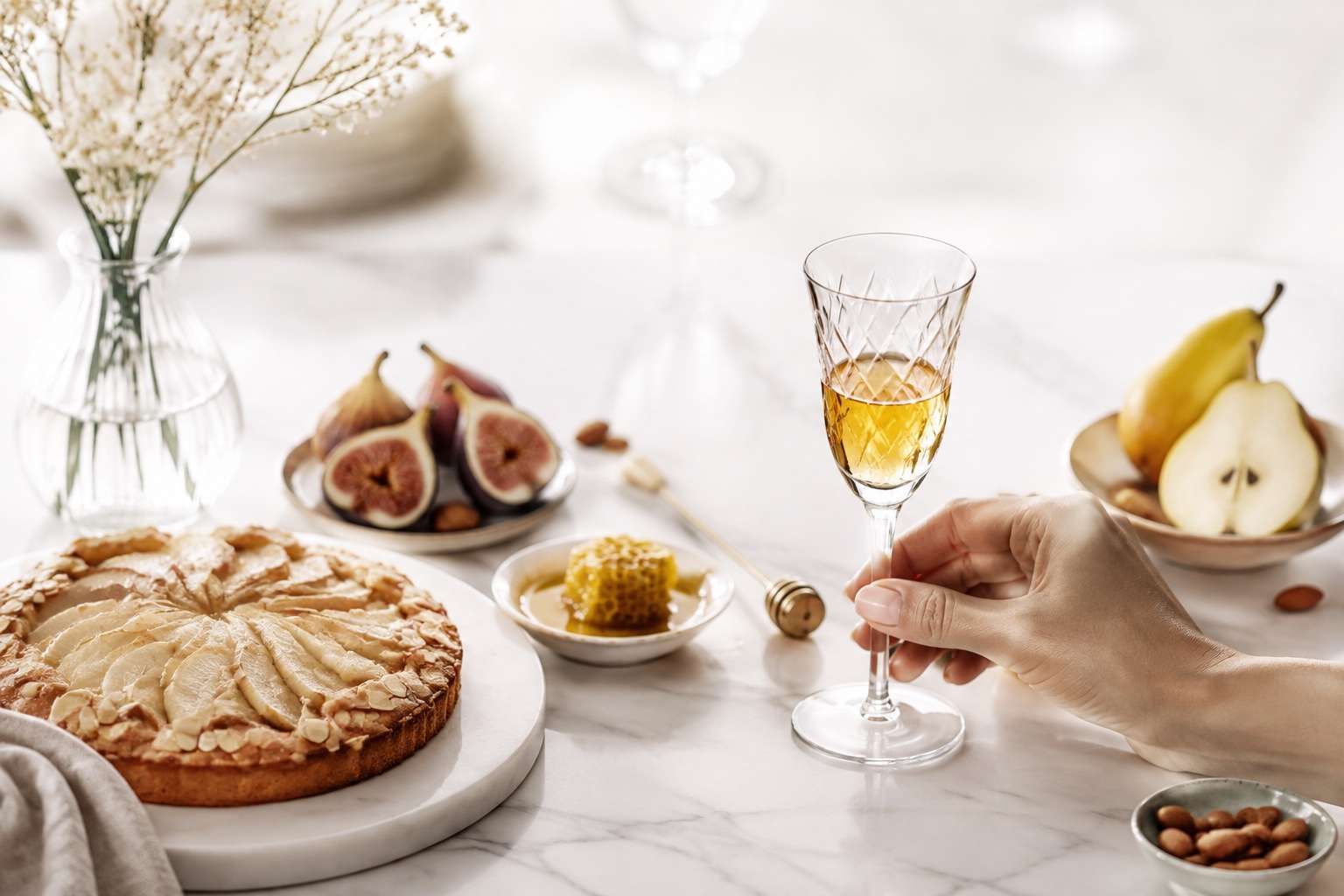
Brie is a soft-ripened cow’s milk cheese from the Île-de-France region east of Paris. It has a buttery, creamy center and a white, bloomy rind with mushroomy, earthy flavor. That richness is the key to choosing wine with brie. The cheese coats your mouth with fat, so the wine needs acidity or bubbles to cut through it and reset your palate. Brie’s flavor is gentle, so a powerful wine easily overwhelms it. And because brie is low in salt compared with aged cheeses, it does not soften big tannins the way Parmesan or cheddar can; tannic reds often taste bitter or chalky next to it. The ideal wine is fresh, elegant, and not too heavy. That is why sparkling wine, crisp Chardonnay, and light reds are the classic partners.
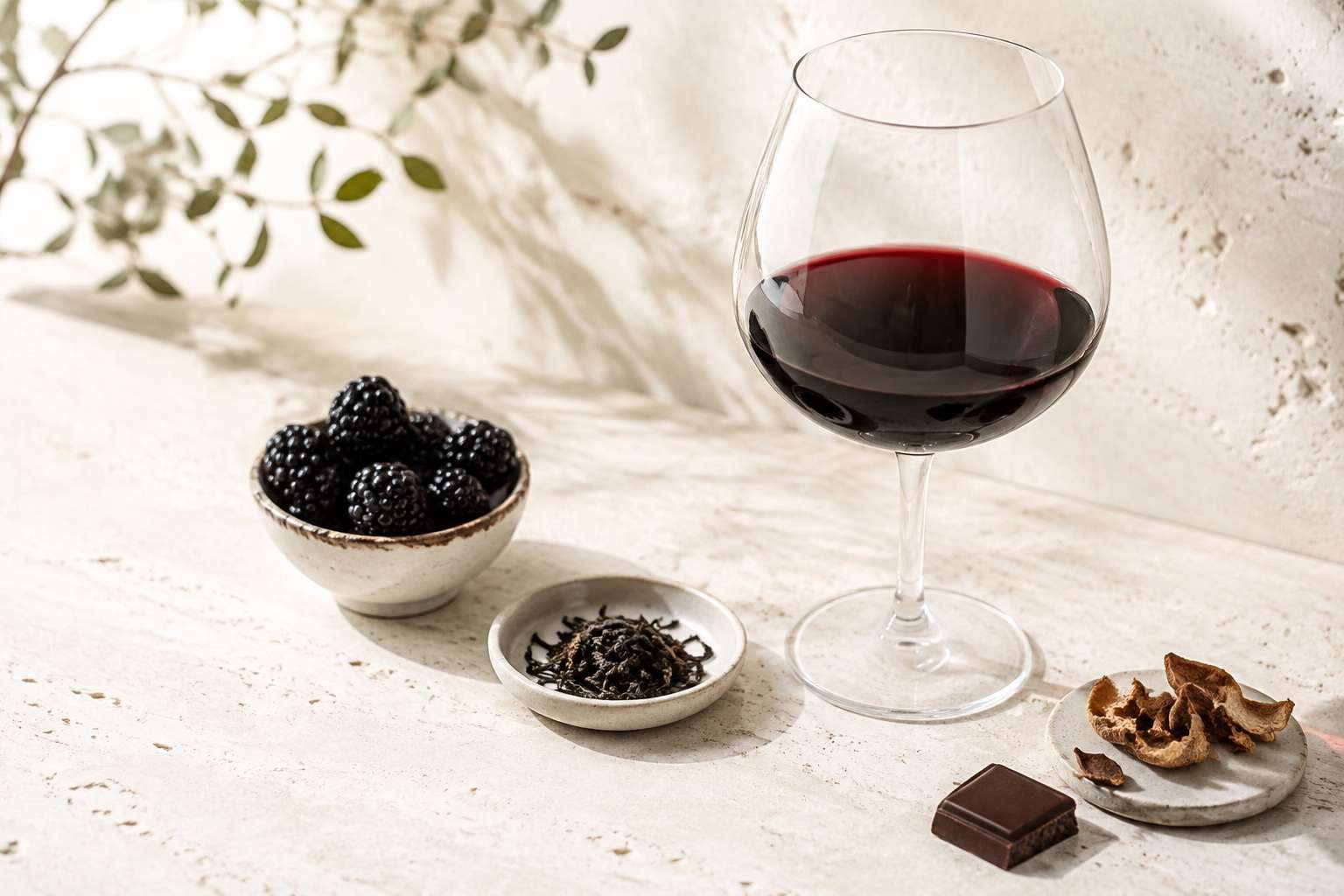
Champagne is the top pick, and geography helps: the Champagne region sits right next door to Brie country. A blanc de blancs made from Chardonnay has a bready, toasty character that echoes the rind. Crémant and Cava offer the same effect for less money. Still Chardonnay is the best white: Chablis for a crisp contrast, or a lightly oaked white Burgundy whose creamy texture mirrors the cheese. Pinot Noir is the best red; its light body, soft tannins, and earthy red fruit match brie’s mushroomy rind. Beaujolais, made from Gamay, is a juicy, budget-friendly alternative. Chenin Blanc from the Loire, with its apple and honey notes and bright acidity, is a lovely and often overlooked match. Very ripe, runny brie can take a slightly fuller white.
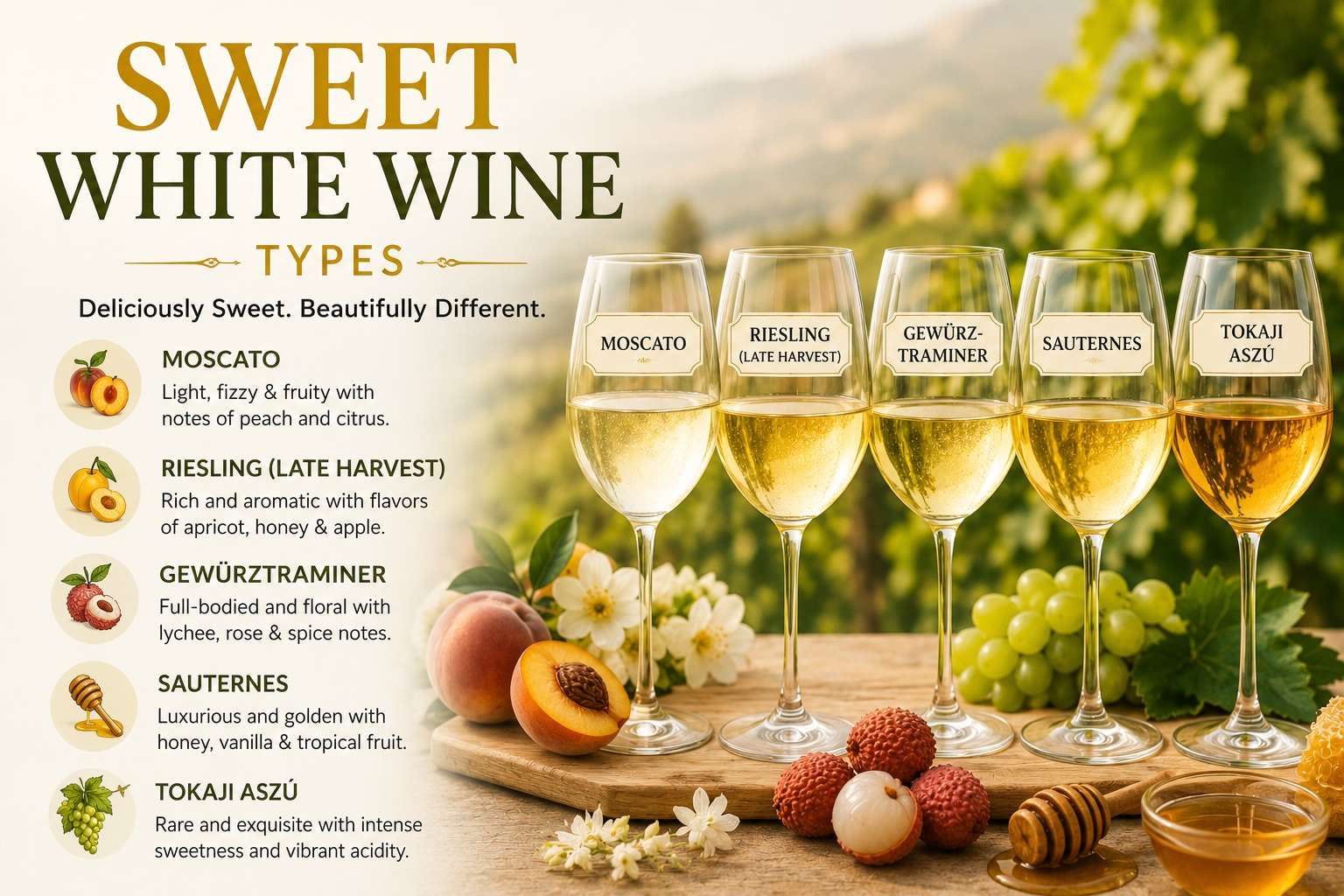
Toppings change the pairing more than the cheese does. Baked brie with fig jam, honey, or apricot preserves is sweet and warm, so it needs a wine with some sweetness of its own. An off-dry Riesling or a Moscato d’Asti works beautifully; a dry wine would taste sour. Baked brie with cranberries, a holiday favorite, suits Pinot Noir or a sparkling rosé, whose red fruit echoes the berries. Brie en croûte wrapped in buttery pastry loves Champagne. Brie with nuts and herbs works with Chardonnay. Brie sandwiches with apple, ham, or turkey suit Chenin Blanc or Beaujolais. On a cheese board, crisp apples, pears, and grapes make the wine taste fresher, while salty cured meats nudge you toward bubbles. A plain baguette is the best cracker.
Sparkling wine is the most reliable choice, followed closely by crisp whites. If you want one bottle for a party, choose a dry sparkling wine; it works with fresh and ripe brie and with most toppings. Among whites, Chardonnay leads, but Sauvignon Blanc and Chenin Blanc also pair well thanks to their acidity. Red wine can work with brie, but choose carefully. Light, silky reds with low tannin, such as Pinot Noir, Gamay, and Zweigelt, complement the earthy rind. Big reds like Cabernet Sauvignon and Syrah usually taste harsh. Dry rosé is a good compromise for warm-weather picnics. For dessert, a late-harvest white or a sweet sparkling Moscato pairs well with brie and fruit.
Bold, tannic reds such as young Cabernet Sauvignon, Malbec, Nebbiolo, and Tannat are the classic mistake. Brie’s creamy fat and low salt can make their tannins taste bitter, chalky, or metallic. Very oaky Chardonnay can be too heavy and buttery, doubling the richness instead of cutting it. High-alcohol wines overwhelm brie’s gentle flavor. With overripe brie that smells of ammonia, delicate wines can taste off; enjoy brie at its peak, when the center is soft but not runny and the rind smells fresh and mushroomy. Finally, avoid dry wines with sweet toppings like honey or jam, which will make them taste sour and thin.
Take brie out of the refrigerator about an hour before serving so its flavor and texture open up; cold brie tastes muted and waxy. Serve sparkling and white wines at 45–50°F and light reds at 55–60°F. Our wine serving temperature chart has the details. Eat the rind; it is edible and part of the flavor. For value, Crémant de Bourgogne, Cava, Mâcon-Villages Chardonnay, Beaujolais-Villages, and Loire Chenin Blanc are often under $20 and pair beautifully with brie. Save Champagne for a special occasion. Building a full board? Our guides to wine with cheese and hosting a wine and cheese party cover the rest.
| Brie Style | Best Wine | Why It Works |
|---|---|---|
| Young, mild brie | Champagne or Crémant | Bubbles and acid cut through creamy paste |
| Ripe, runny brie | Lightly oaked Chardonnay | Creamy texture mirrors the cheese |
| Brie with an earthy rind | Pinot Noir or Beaujolais | Soft tannins and earthy fruit match the mushroomy rind |
| Baked brie with jam or honey | Off-dry Riesling or Moscato d'Asti | Sweetness matches sweet toppings |
| Baked brie with cranberries | Pinot Noir or sparkling rosé | Red fruit echoes the berries |
| Brie and apple sandwich | Chenin Blanc | Apple notes and acidity refresh each bite |
Let brie sit out for about an hour so it is soft, aromatic, and creamy.
When in doubt, open dry sparkling wine; it suits nearly every brie.
Baked brie with honey or jam needs off-dry Riesling or Moscato.
Learn Your Taste
Answer a few simple questions and discover styles that fit your palate.
Take the Wine QuizChampagne or another dry sparkling wine is the top choice. Its bubbles and acidity cut through brie's creamy richness. Chardonnay and Pinot Noir are the best still white and red options.
Yes, as long as the red is silky rather than grippy. Pinot Noir, Beaujolais, and Zweigelt complement brie's earthy rind. Bold, tannic reds like Cabernet Sauvignon often taste bitter or chalky with this creamy cheese.
It depends on the topping. Baked brie with honey or jam pairs best with off-dry Riesling or Moscato d'Asti. Brie en croûte without sweet toppings is lovely with Champagne or Chardonnay.
Yes. Chablis offers a crisp, mineral contrast, while lightly oaked Chardonnay mirrors brie's buttery texture. Avoid heavily oaked styles, which can make the pairing feel too rich.
A dry sparkling wine, Sauvignon Blanc, or Chardonnay. These crisp wines refresh the palate between creamy bites. For a red, choose a light, chilled Pinot Noir or Beaujolais.
Yes, especially with young, mild brie. Sauvignon Blanc's bright acidity cuts through the creaminess, and its citrus notes add freshness. It also works well with brie served alongside fresh herbs or green apples.