Extra Dry Is Sweeter
On Prosecco labels, Extra Dry is sweeter than Brut. Choose Brut for the driest style.

Understand Wine. Enjoy Every Glass.
Grape Varieties
Prosecco is Italy's easygoing sparkling wine: light, fruity, and made for celebrating any day of the week. Here is what it is, how it is made, and how to enjoy it.
Start Learning
Prosecco is a protected Italian sparkling wine from a defined area of northeast Italy, covering parts of the Veneto and Friuli Venezia Giulia. Like Champagne, the name refers to a place and a set of rules, not just a style. Prosecco must be made mostly from Glera, a white grape with fresh, fruity, floral aromas; up to 15% can come from other approved grapes such as Pinot Bianco, Chardonnay, or Pinot Noir. The grape itself was once also called Prosecco, but it was officially renamed Glera in 2009 to protect the regional name. Most Prosecco is fully sparkling, called spumante. Lighter frizzante versions have gentler bubbles, and still tranquillo Prosecco is rare.

Prosecco’s bubbles come from the tank method, also called the Charmat or Martinotti method. First, Glera grapes are pressed and fermented into a still base wine. Then the base wine goes into large, sealed, pressurized steel tanks with added sugar and yeast for a second fermentation. The carbon dioxide produced cannot escape, so it dissolves into the wine as bubbles. After a few weeks to a few months, the wine is filtered and bottled under pressure. This process is faster and cheaper than the traditional method used for Champagne, where the second fermentation happens in each bottle. More importantly, it keeps Prosecco’s fresh, fruity, floral character front and center, without the bready, toasty notes of long lees aging. See how wine is made for the basics.
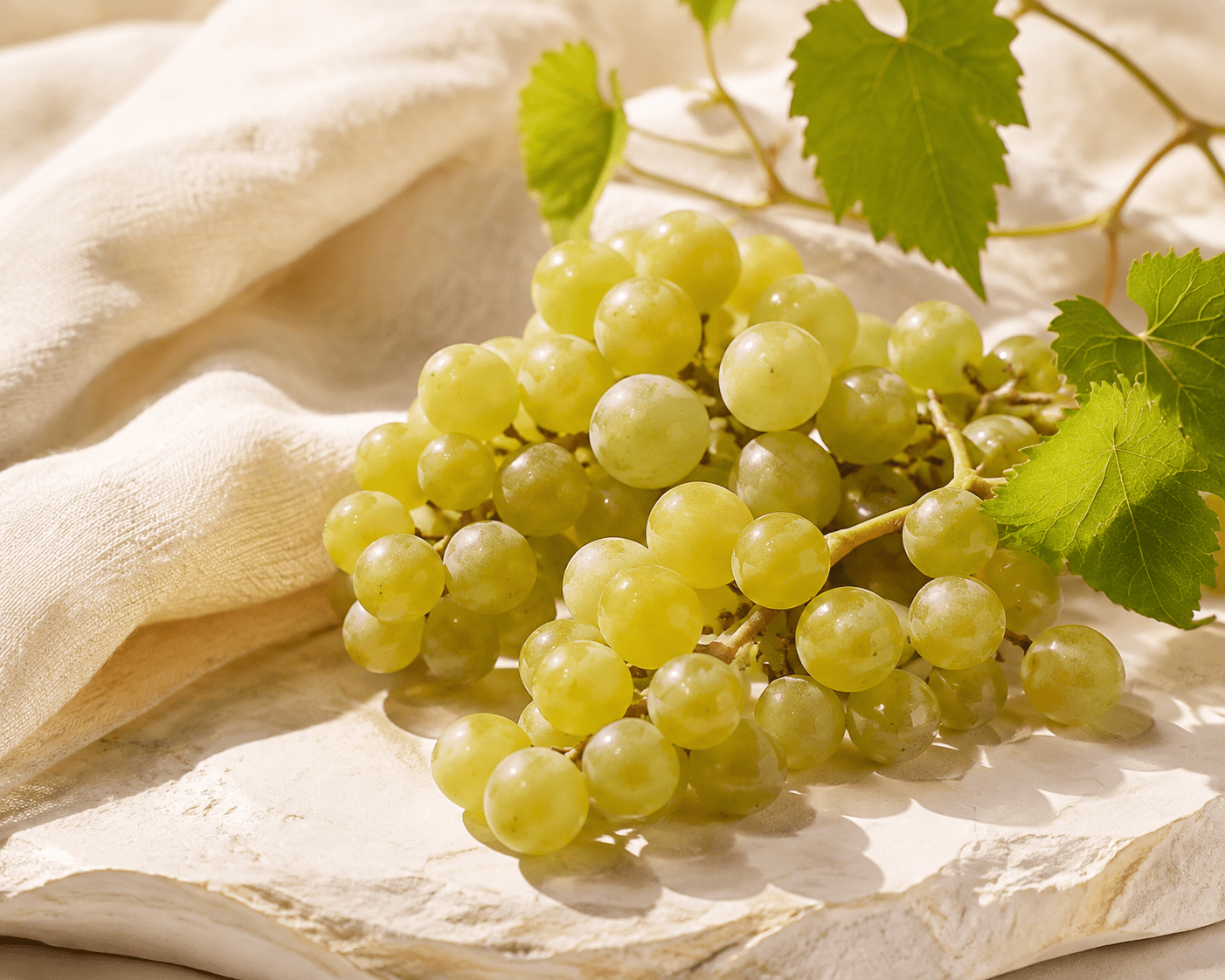
Prosecco tastes fresh, fruity, and light. Expect green apple, ripe pear, honeydew melon, white peach, and lemon, with floral aromas of honeysuckle, acacia, and white flowers. The bubbles are frothy and lively rather than fine and creamy, and the pressure is usually a bit lower than Champagne. Body is light, acidity is moderate to fresh, and alcohol is typically around 11%. Sweetness labels can be confusing. Brut is dry. Extra Dry, despite its name, is slightly sweeter than Brut and is the most traditional style. Dry is sweeter still, and Demi-Sec is noticeably sweet. Brut Nature and Extra Brut are the driest. Prosecco Rosé, approved in 2020, blends Glera with a small amount of Pinot Noir for red berry notes.
Not all Prosecco is the same. The broad Prosecco DOC covers a large area of the Veneto and Friuli and produces most of the wine on shelves. The top quality levels are two DOCGs in the hills. Conegliano Valdobbiadene Prosecco Superiore DOCG, from steep hillside vineyards north of Venice, is the most prestigious. Within it, Rive refers to wines from specific villages or slopes, and Superiore di Cartizze comes from a small, celebrated hill and is usually made in a slightly sweeter style. Asolo Prosecco Superiore DOCG is the other hillside appellation. A traditional style called col fondo is re-fermented in the bottle and left unfiltered, so it is cloudy and dry. Compare styles in Champagne vs. Prosecco and Prosecco vs. Cava.
Serve Prosecco well chilled, at 38–45°F. Three hours in the refrigerator or 20 to 30 minutes in an ice bucket filled with ice and water does the job. A tulip-shaped glass or white wine glass shows off the aromas better than a narrow flute, though flutes keep bubbles longer. To open, hold the cork and twist the bottle slowly, letting the pressure release with a soft sigh rather than a pop; our guide on opening a wine bottle shows how. Prosecco is meant to be drunk young, ideally within one to two years of bottling. It does not improve with age. An opened bottle stays fizzy for a day or two with a sparkling wine stopper in the fridge.
Prosecco is a perfect aperitivo wine. Pair it with salty snacks like olives, potato chips, and fried calamari, or with cured meats like prosciutto. It is excellent at brunch with eggs, quiche, and fruit, and with light seafood, sushi, and mild Asian dishes. Slightly sweeter Extra Dry styles handle gentle spice. Prosecco is also the base for classic cocktails: the Bellini with white peach purée, the Aperol Spritz, and the Sgroppino with lemon sorbet. If you enjoy Prosecco, try Spanish Cava for a drier, more savory traditional-method sparkler. French Crémant offers Champagne-style quality at lower prices, and sweet, fizzy Moscato d’Asti is a fruitier option.
| Label Term | What It Means | What to Expect |
|---|---|---|
| Brut | Dry | Crisp green apple and pear, very little sweetness |
| Extra Dry | Off-dry, sweeter than Brut | Softer, fruitier, the traditional Prosecco style |
| Dry or Demi-Sec | Noticeably sweet | Ripe pear and peach, good with desserts |
| Conegliano Valdobbiadene DOCG | Top hillside appellation | More finesse, aroma, and complexity |
| Rosé | Glera with a little Pinot Noir | Red berries, pale pink color, dry to off-dry |
| Col fondo | Bottle-fermented, unfiltered | Cloudy, dry, yeasty and rustic |
On Prosecco labels, Extra Dry is sweeter than Brut. Choose Brut for the driest style.
Twist the bottle slowly while holding the cork for a gentle sigh, not a pop.
Prosecco's pear and apple freshness fades, so buy it to enjoy soon, not to cellar.
Learn Your Taste
Answer a few simple questions and discover styles that fit your palate.
Take the Wine QuizNo. Both are sparkling wines, but Prosecco comes from northeast Italy and is made mainly from Glera using the tank method. Champagne comes from France, uses Chardonnay, Pinot Noir, and Pinot Meunier, and is fermented in the bottle for toastier flavors.
It can be either. Brut Prosecco is dry, while Extra Dry is slightly sweet and Dry or Demi-Sec are sweeter still. Most Prosecco has at least a hint of fruitiness that makes it seem softer than Champagne.
Prosecco is made mainly from Glera, a white grape with fresh green apple, pear, and floral aromas. Rules require at least 85% Glera, and small amounts of grapes like Chardonnay, Pinot Bianco, or Pinot Noir can be added.
Most Prosecco is around 11% alcohol, a little lower than Champagne and many still wines. Lighter frizzante styles can be even lower, often around 10% to 11%.
Yes, it is meant to be drunk young, ideally within one to two years. Unopened bottles slowly lose freshness. Once opened, use a sparkling wine stopper and refrigerate; it stays bubbly for about one to two days.
Prosecco DOC is the broad regional level that covers most bottles. DOCG wines, from Conegliano Valdobbiadene and Asolo, come from steep hillside vineyards with stricter rules and usually offer more aroma, finesse, and complexity.