Check the Aging
Reserva and Gran Reserva on the label mean longer lees aging and toastier flavor.

Understand Wine. Enjoy Every Glass.
Grape Varieties
Cava is Spain's sparkling wine, made the same way as Champagne but at a fraction of the price. Here is what it is, how it is made, and how to serve it.
Start Learning
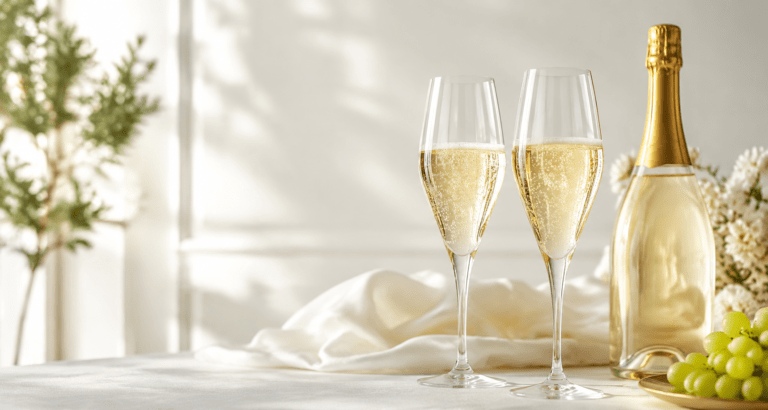
Cava is Spain’s best-known sparkling wine, with its own protected designation of origin, DO Cava. The word cava means cave or cellar in Catalan, a nod to the cool underground cellars where the wine ages. Unlike most wine regions, DO Cava is defined more by method than by a single area. Wines can come from several parts of Spain, but the vast majority is made in Penedès in Catalonia, southwest of Barcelona, centered on the town of Sant Sadurní d’Anoia. Cava is mostly white, though rosado, or rosé, is also popular. Most bottles are dry Brut, but the style range runs from bone-dry Brut Nature to sweet Dulce. For many drinkers, it offers the best value in traditional-method sparkling wine.
Cava uses the traditional method, called método tradicional in Spain, the same process as Champagne. First, grapes are fermented into a still base wine, often a blend of several grapes. The base wine is bottled with a little sugar and yeast and sealed with a crown cap. Inside each bottle, a second fermentation creates carbon dioxide that dissolves into the wine as fine bubbles. The bottles then age on their lees, the spent yeast, which adds texture and toasty, bready flavors. Finally, the bottles are riddled to move the yeast into the neck, disgorged to remove it, topped up with a dosage that sets the sweetness, and corked. This is slower and more costly than the tank method used for Prosecco. Our overview of how wine is made covers the basics.
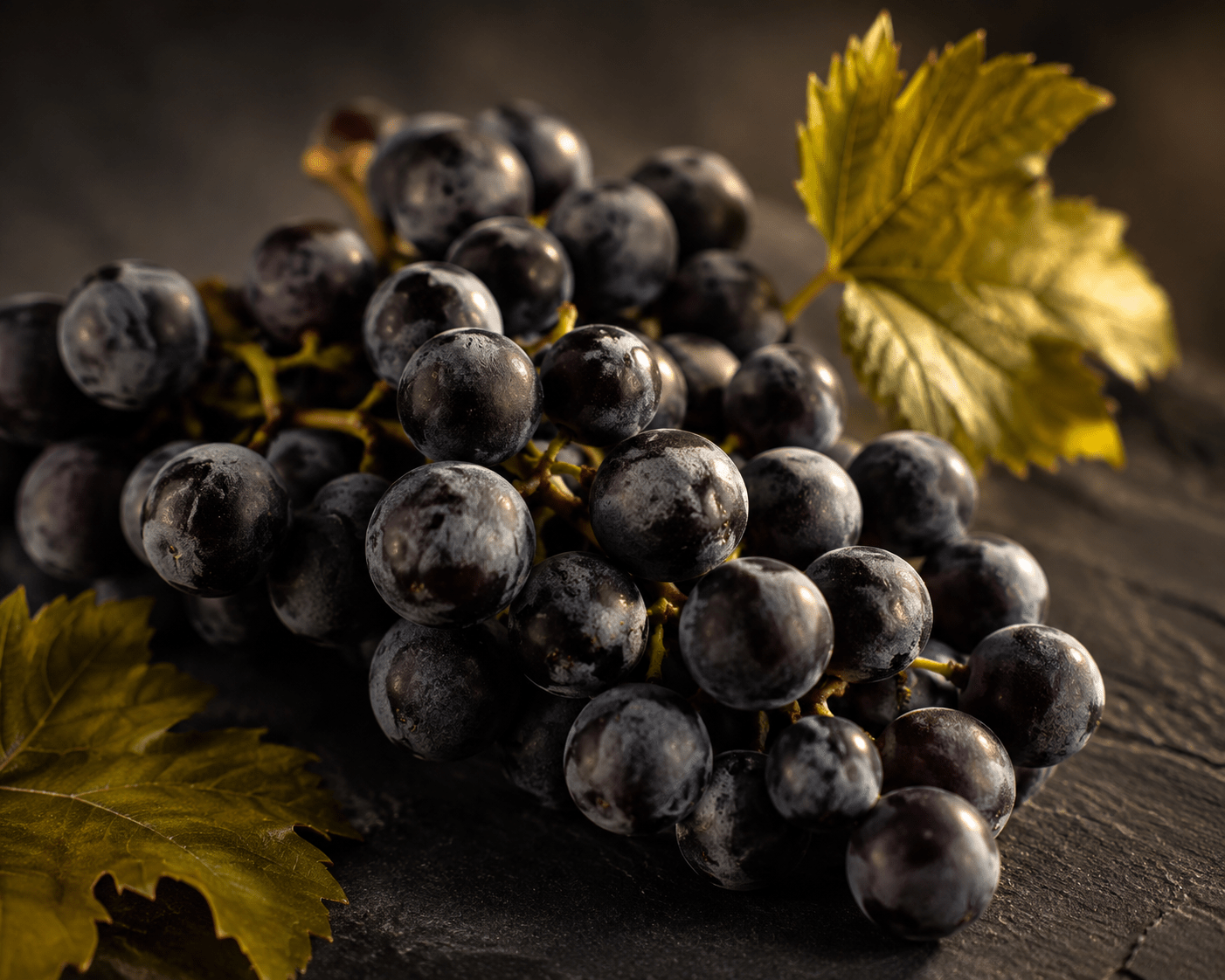
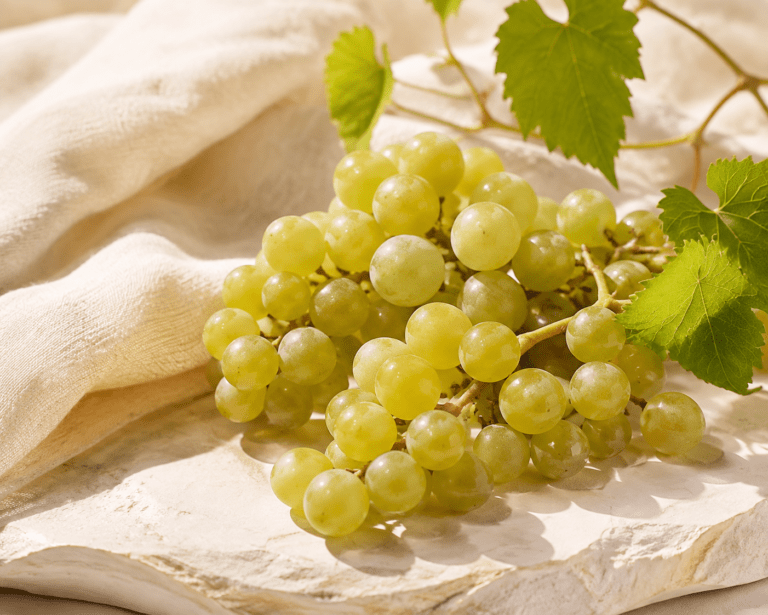
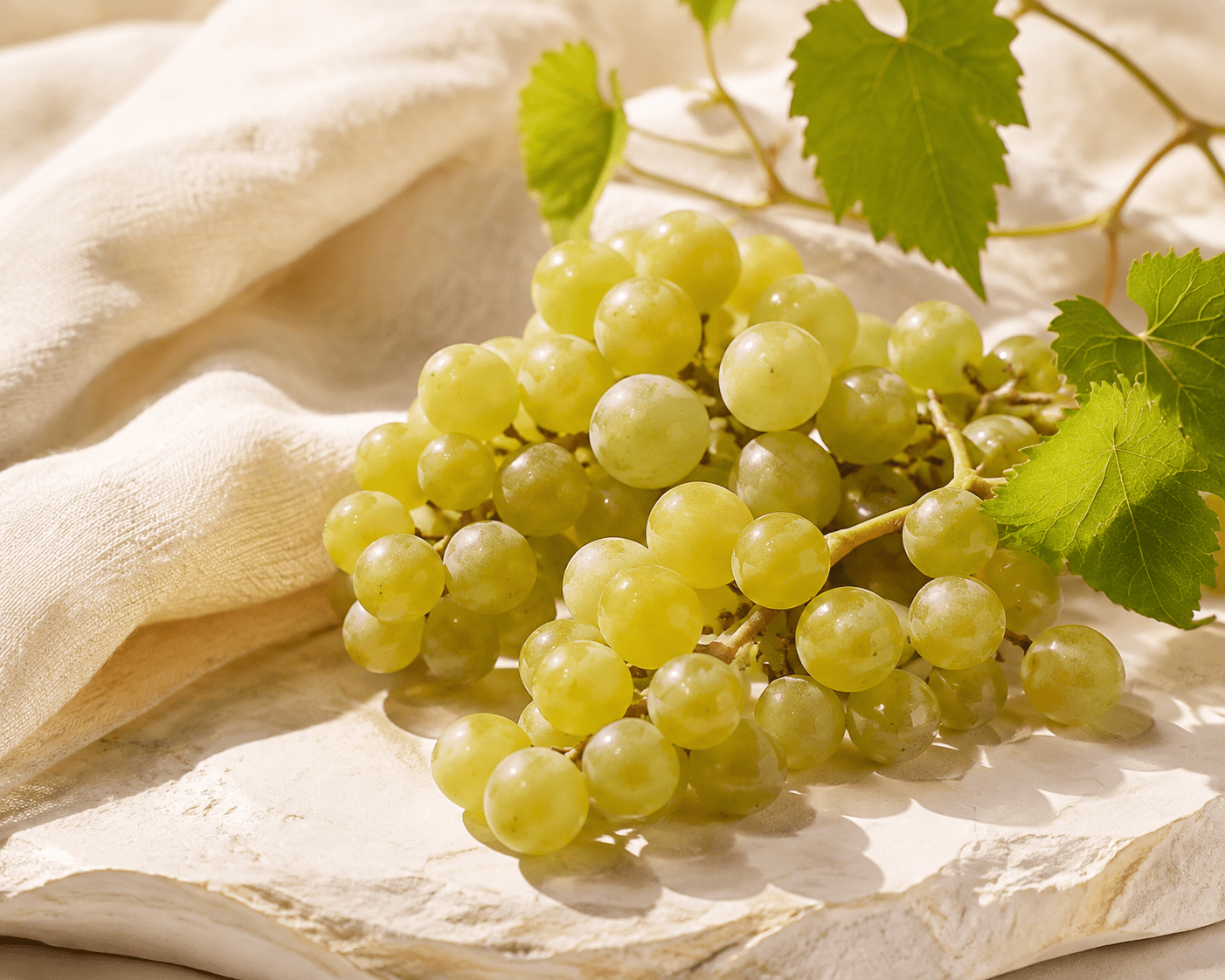
Three native white grapes form the backbone of classic Cava. Macabeo, also called Viura, brings fresh fruit and floral notes. Xarel·lo adds body, acidity, and earthy, herbal character, and it helps Cava age. Parellada contributes delicate, crisp, floral aromas. Chardonnay and Pinot Noir are also permitted. Rosado Cava uses red grapes like Garnacha, Trepat, Monastrell, and Pinot Noir. Young Cava tastes of lemon, green apple, pear, quince, and white flowers, with a gentle almond or earthy note. Aged Cava adds toast, brioche, toasted nuts, and dried fruit. It is usually crisp, dry, and medium-bodied, with fine bubbles and a refreshing, slightly savory finish. Compared with Champagne, Cava tends to be a bit earthier and less acidic.
Cava labels tell you how long the wine aged on its lees. Basic Cava must age at least 9 months, giving fresh, fruity wine for everyday drinking. Cava de Guarda Superior is the higher tier. Within it, Reserva requires at least 18 months, Gran Reserva at least 30 months, and Cava de Paraje Calificado, from single vineyards, at least 36 months. Longer aging means more toasty, nutty complexity. Sweetness follows the same scale as Champagne: Brut Nature has no added sugar, Extra Brut and Brut are dry, Extra Seco and Seco are off-dry, and Semiseco and Dulce are sweet. For a deeper comparison, see Cava vs. Champagne and Prosecco vs. Cava.
Serve Cava well chilled, at 40–45°F. Aged Reserva and Gran Reserva bottles show more flavor slightly warmer, around 45–50°F. Three hours in the refrigerator or 20 to 30 minutes in an ice bucket filled with ice and water chills it properly. A tulip-shaped glass or white wine glass shows off the aromas, while a flute keeps the bubbles longer. To open safely, keep your thumb on the cork, remove the cage, and twist the bottle slowly so the cork eases out with a gentle sigh. Young Cava is best within one to two years of release, while aged Gran Reserva can develop for several more years. An opened bottle keeps its fizz for a day or two with a sparkling stopper.
Cava is a natural with Spanish food. Its crisp acidity and bubbles cut through fat and salt, making it perfect with tapas: jamón, croquetas, Marcona almonds, olives, and Manchego. Try it with seafood paella, fried calamari, or fried chicken, where the bubbles scrub the palate clean. It is excellent at brunch and with sushi, oysters, and party appetizers. Rosado Cava pairs with grilled salmon, charcuterie, and berry desserts. Aged Gran Reserva can handle roast chicken and mushroom dishes. If you enjoy Cava, try Champagne for the French original, French Crémant for another great-value traditional-method option, or Italian Franciacorta. For a fruitier, softer style, compare it with Prosecco.
| Label Term | Minimum Lees Aging | What to Expect |
|---|---|---|
| Cava | 9 months | Fresh citrus, green apple, crisp bubbles |
| Cava Reserva | 18 months | More texture, light toast and almond |
| Cava Gran Reserva | 30 months | Toasty, nutty, complex, finer bubbles |
| Cava de Paraje Calificado | 36 months, single vineyard | Deep, layered, age-worthy |
| Cava Rosado | 9 months or more | Red berries, dry, great with food |
| Brut Nature | Varies by tier | No added sugar, bone dry and crisp |
Reserva and Gran Reserva on the label mean longer lees aging and toastier flavor.
Salty, fried, and fatty tapas are Cava's ideal partners.
Cava gives you traditional-method bubbles for far less than Champagne.
Learn Your Taste
Answer a few simple questions and discover styles that fit your palate.
Take the Wine QuizNo, but they are made the same way. Both use the traditional method, with a second fermentation in the bottle. Cava comes from Spain and uses grapes like Macabeo, Xarel·lo, and Parellada, while Champagne comes from France and uses Chardonnay, Pinot Noir, and Pinot Meunier.
Most Cava is dry. Brut is the most common style, and Brut Nature has no added sugar. Sweeter styles exist, labeled Seco, Semiseco, or Dulce, but they are less common outside Spain.
Most Cava comes from Penedès in Catalonia, near Barcelona, especially around Sant Sadurní d'Anoia. DO Cava also includes some areas in other parts of Spain, since it is defined largely by its production method.
Cava uses the traditional method, fermenting in the bottle, which gives finer bubbles and toasty, nutty notes. Prosecco uses the tank method, which keeps it fruitier and lighter. Cava is usually drier and more savory.
The classic grapes are Macabeo, Xarel·lo, and Parellada, all native Spanish whites. Chardonnay and Pinot Noir are also allowed. Rosé Cava uses red grapes such as Garnacha, Trepat, Monastrell, and Pinot Noir.
Young Cava is best within one to two years of release. Reserva and Gran Reserva can age longer and develop more toasty, nutty flavors. Once opened, it stays fizzy for one to two days with a sparkling wine stopper.