Start With Satèn
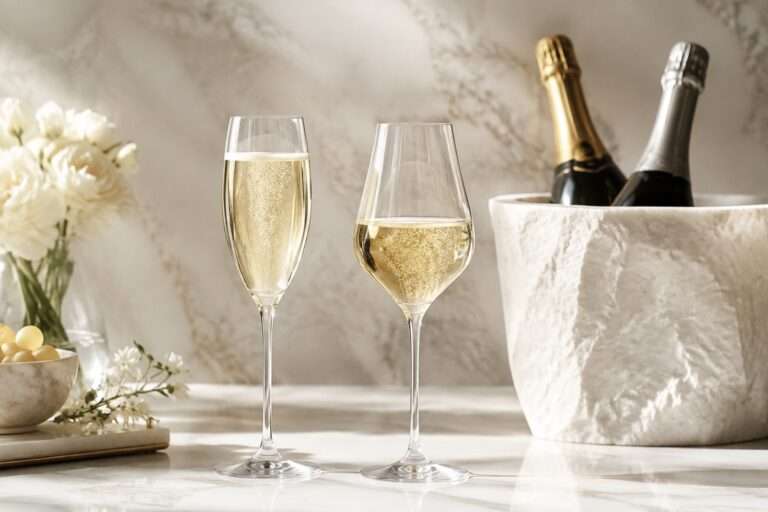
Satèn's soft, creamy bubbles make it the easiest Franciacorta to love.

Understand Wine. Enjoy Every Glass.
Grape Varieties
Franciacorta is Italy's answer to Champagne: bottle-fermented, aged for a long time on its yeast, and made in the hills of Lombardy. Here is how it is made and why it is worth trying.
Start Learning
Franciacorta is a sparkling wine from a small hilly area in Lombardy, northern Italy, between the city of Brescia and the southern shore of Lake Iseo. It is made using the traditional method, the same process used for Champagne, with a second fermentation inside each bottle. Franciacorta was the first Italian traditional-method sparkling wine to earn DOCG status, Italy’s highest quality category, in 1995. The name refers to the place, the method, and the wine all at once, which is why labels simply say “Franciacorta” without needing words like spumante or metodo classico. The main grapes are Chardonnay, Pinot Nero (Italian for Pinot Noir), and Pinot Bianco, with small amounts of a local grape called Erbamat now allowed. It is very different from Prosecco, which is made in large tanks from the Glera grape and tastes lighter and fruitier.
Franciacorta starts with hand-harvested grapes that are pressed gently and fermented into dry still base wines. Winemakers blend these base wines, then bottle them with a small amount of sugar and yeast. Sealed with a crown cap, each bottle undergoes a second fermentation, which creates natural bubbles. The wine then rests on its lees, the spent yeast, for a long time. Non-vintage Franciacorta must spend at least 18 months on the lees, longer than the minimum for non-vintage Champagne. Vintage wines, labeled Millesimato, need at least 30 months, and Riserva bottles at least five years. This extended aging gives Franciacorta its toasty, bready complexity and fine, silky bubbles. Afterward, the bottles are tilted and turned so the yeast settles in the neck, which is frozen and removed. A final dose of wine and sugar, the dosage, sets the sweetness level. Our how wine is made guide covers the basics of fermentation.
Franciacorta comes in several styles. Franciacorta (non-vintage) is the classic blend, usually led by Chardonnay, with ripe apple, citrus, and brioche. Satèn is unique to Franciacorta: a blanc de blancs made only from white grapes, mainly Chardonnay, with lower pressure in the bottle. The result is softer, creamier bubbles and a silky texture; the name hints at satin. Rosé includes a significant share of Pinot Nero, adding red berry flavors and more body. Millesimato is made from a single vintage and aged longer, while Riserva is the longest-aged and most complex. Franciacorta also comes in different sweetness levels: Pas Dosé (no added sugar), Extra Brut, Brut (the most common), Extra Dry, Sec, and Demi-Sec. For most occasions, choose Brut or Satèn. If you love creamy, gentle bubbles, Satèn is the style to try first.
Franciacorta tastes rich, creamy, and elegant. Expect ripe yellow apple, pear, lemon, and white peach, plus bready, toasty, and nutty notes from long aging on the yeast. Many bottles show hints of brioche, almond, and honey. Compared with Champagne, Franciacorta often tastes a little riper and rounder, because the region is warmer, so the grapes ripen more fully and the wine has slightly softer acidity. The bubbles are fine and persistent, and Satèn feels especially smooth and silky. Rosé Franciacorta adds strawberry, raspberry, and red cherry. Vintage and Riserva bottles are deeper and more complex, with notes of toasted nuts, dried fruit, and honey. If you enjoy sparkling wine with richness and texture rather than light fruitiness, Franciacorta is a wonderful choice.
Serve Franciacorta well chilled, at 45–50°F. Vintage and Riserva bottles can be served a touch warmer, around 50°F, to let their complexity show. Our serving temperature guide explains why richer sparkling wines like a little warmth. Use a tulip-shaped glass or a white wine glass to capture the aromas. Franciacorta is a superb food wine. In Lombardy, it is a classic with risotto, especially saffron risotto alla Milanese; see our wine with risotto page. Its bubbles and acidity cut through fried foods, cured meats like prosciutto, and aged cheeses such as Parmigiano-Reggiano. It is excellent with lake fish, seafood, sushi, and creamy pasta. Satèn pairs well with delicate dishes, while Rosé works with salmon, duck, and charcuterie. An opened bottle with a sparkling-wine stopper keeps for one to three days.
Look for Franciacorta DOCG on the label; that guarantees the wine was made by the traditional method in the region. For a first bottle, choose a Brut for a classic, food-friendly style, or a Satèn for something creamy and gentle. Expect to pay roughly $30 to $60 for good non-vintage bottles, with Millesimato and Riserva costing more. That puts Franciacorta in a similar range to many Champagnes, and it makes a memorable choice for celebrations; see our list of best anniversary wines. For a fun comparison, taste Franciacorta next to Champagne, a French Crémant, and Prosecco. Our Champagne vs. Prosecco guide explains why tank-made and bottle-fermented sparklers taste so different. Most non-vintage Franciacorta is ready to drink on release.
| Style | How It's Made | What to Expect |
|---|---|---|
| Franciacorta (non-vintage) | Blend, at least 18 months on lees | Ripe apple, citrus, brioche |
| Satèn | White grapes only, lower pressure | Creamy, silky, gentle bubbles |
| Rosé | Significant share of Pinot Nero | Red berries, fuller body |
| Millesimato | Single vintage, at least 30 months on lees | Deeper, toasty, more complex |
| Riserva | Longest aging, at least five years | Nutty, honeyed, rich and layered |
Satèn's soft, creamy bubbles make it the easiest Franciacorta to love.
Saffron risotto and Franciacorta are a classic Lombardy match.
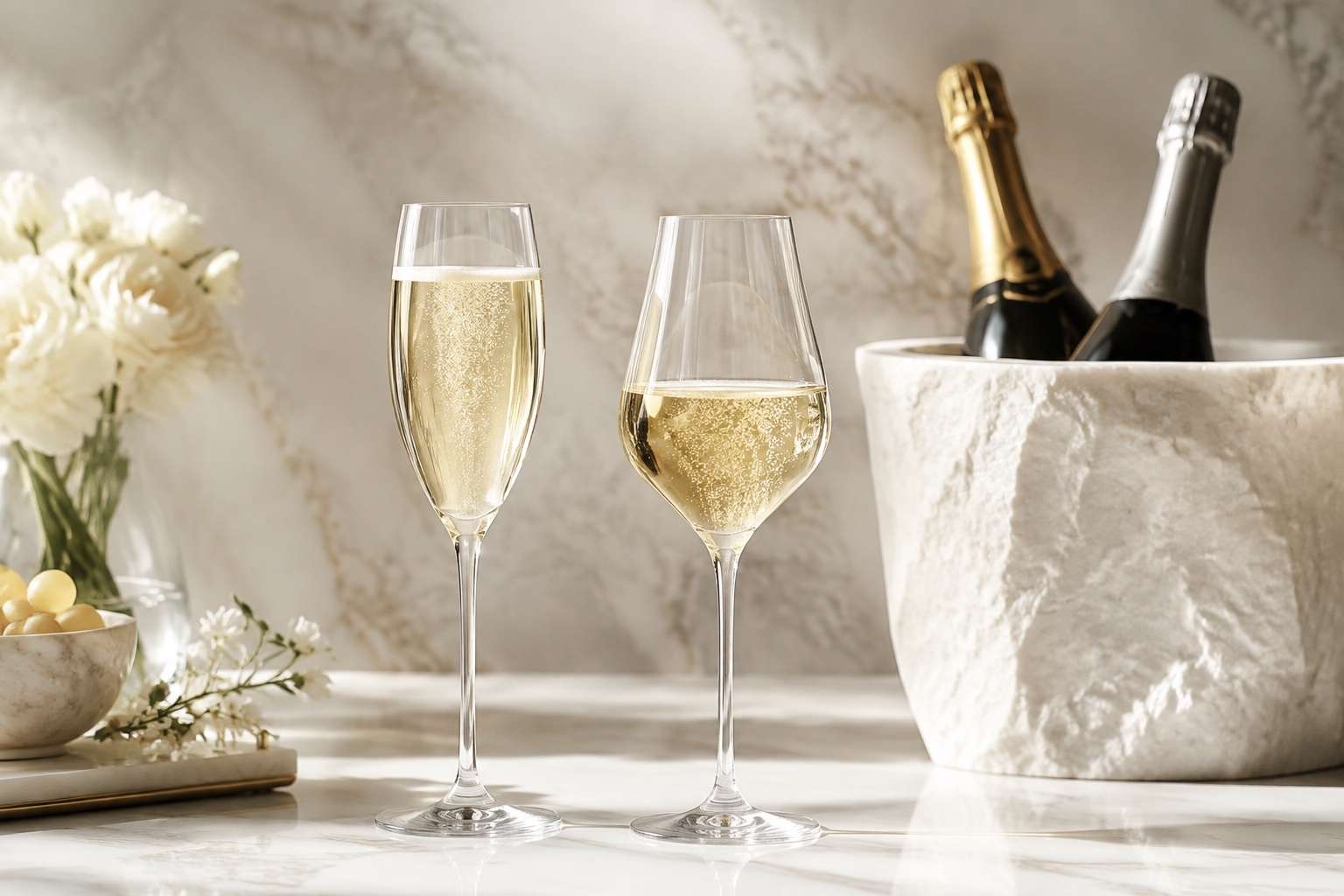
A tulip or white wine glass lets Franciacorta's brioche and toast notes come through.
Learn Your Taste
Answer a few simple questions and discover styles that fit your palate.
Take the Wine QuizNo. Franciacorta is made by the traditional method, with a second fermentation in each bottle and long aging on the yeast. Prosecco is made in large tanks from the Glera grape, so it tastes lighter, fruitier, and less toasty.
Many experts consider top Franciacorta comparable to Champagne. Both use similar grapes and the same traditional method. Franciacorta often tastes slightly riper and rounder because of Lombardy's warmer climate, while Champagne tends to be crisper.
Satèn is a Franciacorta style made only from white grapes, mainly Chardonnay, with lower pressure in the bottle. That gives it softer, creamier bubbles and a silky texture. It is always made in the Brut style.
Most Franciacorta is Brut, which is dry with just a hint of sweetness. Pas Dosé and Extra Brut are drier, while Extra Dry, Sec, and Demi-Sec are progressively sweeter. Check the label for the style.
Say it "frahn-chah-KOR-tah," with the stress on the third syllable. Satèn is pronounced "sah-TEN." Both words appear on bottles, so knowing them helps when shopping or ordering.
Franciacorta is made in a small hilly area of Lombardy in northern Italy, between the city of Brescia and the southern shore of Lake Iseo. The lake moderates the climate, helping grapes ripen evenly.