Pick Under 12.5% ABV for Hot Dishes
Choose wines under about 12.5% ABV for hot dishes; alcohol makes heat burn more.

Understand Wine. Enjoy Every Glass.
Wine Pairings
Chile heat changes how wine tastes, and the wrong bottle can feel like pouring fuel on a fire. The right one cools the burn and makes the food taste better.
Start Learning
The heat in chiles comes from capsaicin, a compound that triggers the same pain receptors as real heat. Wine changes how strong that burn feels. Alcohol is the biggest factor: it intensifies capsaicin, so a 15-percent red makes a spicy dish feel hotter, and the spice makes the wine taste hotter, too. Tannin is the second problem; chile heat makes tannin taste harsher and more bitter, so big reds turn rough. Oak adds bitterness and smoky notes that clash. On the other hand, sugar soothes the burn, which is why a little sweetness helps so much. Bright acidity refreshes the palate between bites, and cold temperature calms the sensation. So the ideal wine with spicy food is low in alcohol, low in tannin, unoaked, a bit sweet, high in acid, and well chilled.
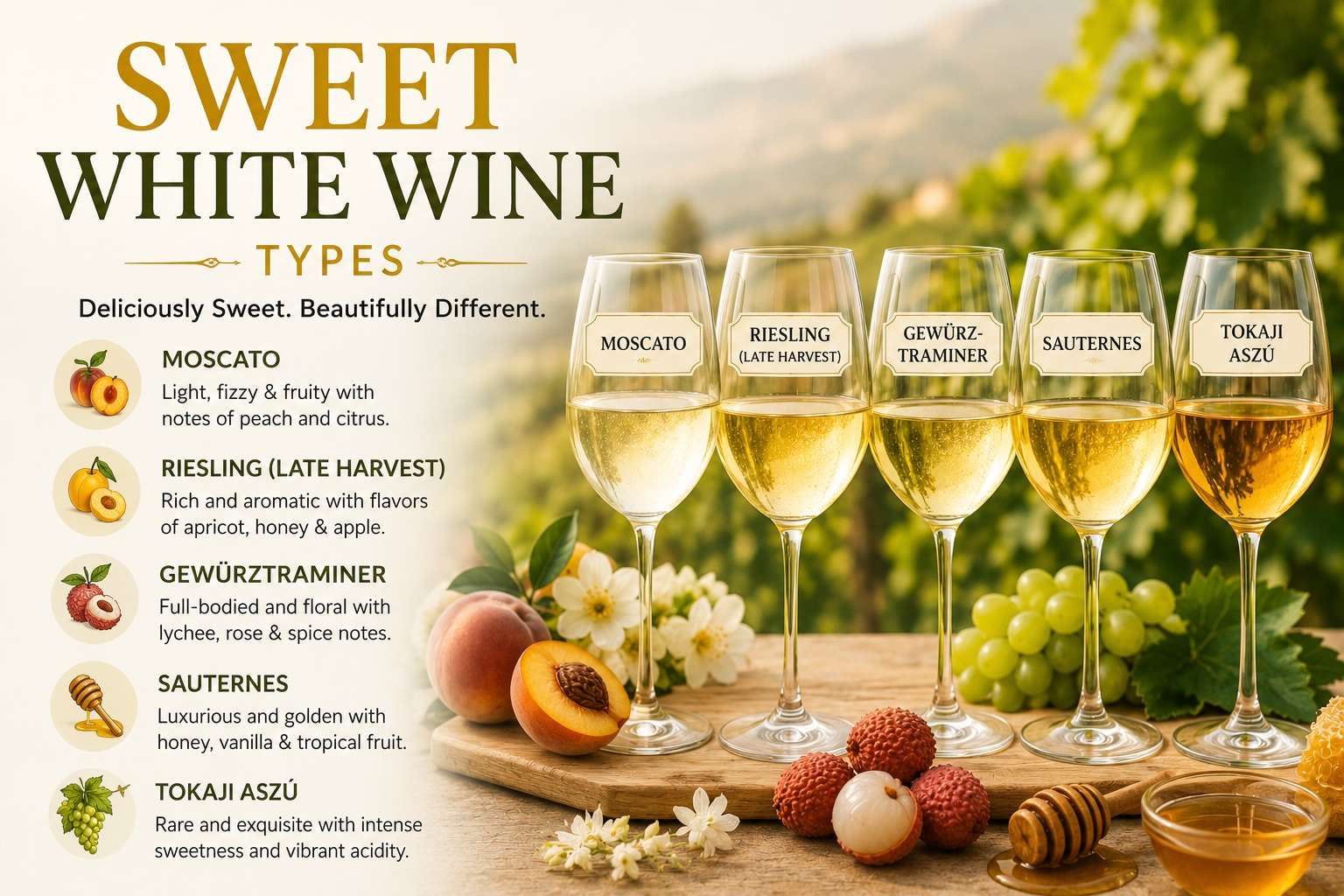
Off-dry Riesling is the champion. German Kabinett and Spätlese styles are often only 8 to 10 percent alcohol, with a touch of sugar and lots of acidity, perfect for Thai, Indian, and Sichuan dishes. Gewürztraminer, with lychee, rose, and ginger notes, loves aromatic curries and spice blends. Chenin Blanc, especially demi-sec Vouvray, has honeyed fruit and bright acid. Moscato d’Asti, low in alcohol and gently sweet, handles the hottest food. Dry rosé is a fruity, refreshing choice for medium heat. For red, choose fruity, low-tannin wines like Gamay from Beaujolais, Pinot Noir, or sparkling Lambrusco, served cool. Off-dry sparkling wine such as Prosecco labeled “extra dry” also works, as its fruit and acidity refresh between bites.
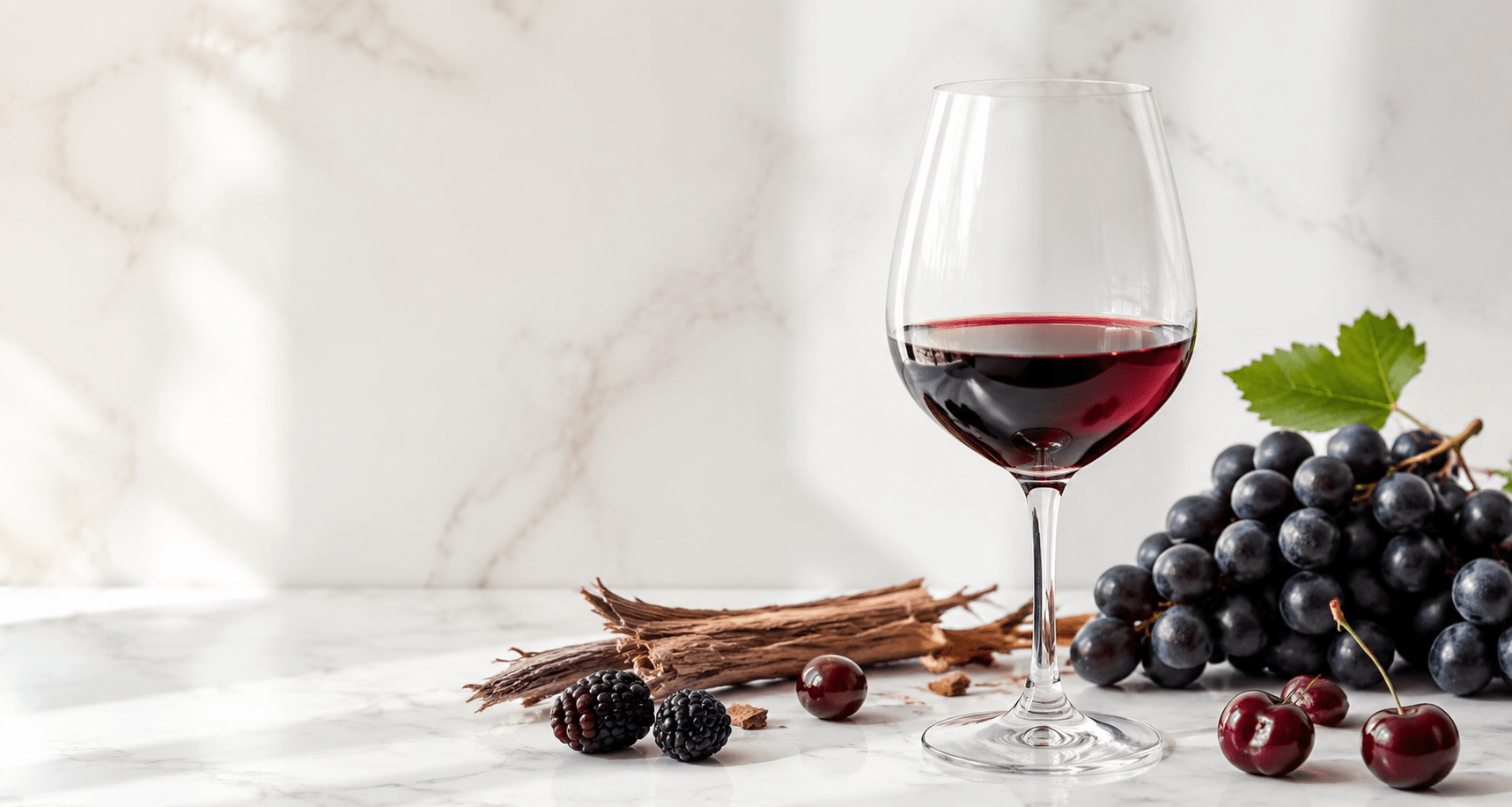
Different spicy cuisines have different matches. Thai food, with lime, lemongrass, and chile, loves off-dry Riesling; see wine with Thai food. Indian curries pair with Gewürztraminer or Riesling, while tandoori dishes suit rosé or a light red; our wine with Indian food guide goes deeper. Sichuan dishes, with numbing peppercorns and chile oil, match off-dry Riesling or Lambrusco. Mexican food works with Sauvignon Blanc, rosé, and fruity Grenache; read wine with Mexican food. Korean dishes like spicy pork or kimchi stew suit Riesling or Gamay. Cajun and Creole cooking pairs with rosé or off-dry Riesling. Jamaican jerk chicken suits Gewürztraminer or a juicy, low-tannin red. As a rule, the hotter the dish, the lower the alcohol and the higher the sweetness you want in the glass.
Yes, but choose carefully. The best reds for spicy food are light, fruity, low in tannin, and moderate in alcohol. Gamay from Beaujolais is a top pick, with bright cherry fruit and soft tannin. Pinot Noir works with medium-spicy dishes like Korean barbecue or spiced duck. Lambrusco, a sparkling red from Italy, is especially good; its fruit and bubbles refresh the palate, and off-dry styles soothe heat. Grenache and Zinfandel can work with smoky, mildly spicy foods like chipotle or barbecue, but watch the alcohol, which is often high. Zweigelt from Austria is another fruity, low-tannin option. Serve reds a little cool, around 55–60°F, to tame the alcohol. Avoid big, oaky, tannic reds such as young Cabernet Sauvignon, Barolo, or Tannat, which become bitter and harsh with chile heat.
Several styles make spicy food harder to enjoy. High-alcohol wines, above about 14 percent, intensify the burn; this includes many ripe New World reds and some full-bodied whites. Tannic reds such as Cabernet Sauvignon, Syrah, Nebbiolo, and Malbec taste bitter and rough with chile. Heavily oaked wines, including buttery Chardonnay, clash with spice and turn bitter. Very dry, delicate, or aged wines lose their subtle flavors next to strong spice. Bone-dry, very light whites can taste thin and sour against heat. Even dry sparkling wine, like brut Champagne, can feel sharp against very spicy food, while an off-dry sparkling wine works better. If your favorite wine is a big red, enjoy it with a milder dish and save the spicy food for Riesling or rosé.
Serve spicy-food wines cold. Whites and rosés taste best at about 40–50°F, and light reds at about 55–60°F. Cold temperatures calm both the wine’s alcohol and the chile’s burn; see our wine serving temperature guide. Keep water on the table, too, and remember that dairy like yogurt or raita cools heat better than any wine. Check the label for alcohol content, and look for words like “Kabinett,” “off-dry,” or “demi-sec,” which signal a touch of sweetness; our how to read a wine label guide explains them. Good spicy-food wines are often bargains. German Riesling Kabinett, Alsace Gewürztraminer, Vouvray, Moscato d’Asti, Beaujolais, Lambrusco, and dry rosé often cost under $20.
| Heat Level | Best Wine | Why It Works |
|---|---|---|
| Mild (gentle warmth) | Dry rosé or Pinot Noir | Fruit and freshness suit gentle spice |
| Medium (noticeable heat) | Off-dry Riesling or Gamay | Slight sweetness and low tannin calm heat |
| Hot (strong burn) | Gewürztraminer or demi-sec Chenin Blanc | Aromatic fruit and sweetness soothe burn |
| Very hot (fiery) | Moscato d'Asti or Riesling Spätlese | Low alcohol and sweetness cool intense heat |
| Smoky (chipotle, BBQ) | Grenache or Zinfandel | Ripe fruit matches smoky spice |
| Numbing (Sichuan) | Off-dry Riesling or Lambrusco | Acid, fruit, and bubbles refresh the palate |
Choose wines under about 12.5% ABV for hot dishes; alcohol makes heat burn more.
Off-dry wines like Riesling Kabinett soothe chile heat better than bone-dry ones.
Cold wine calms the chile burn, so serve whites and off-dry Riesling at 40–50°F.
Learn Your Taste
Answer a few simple questions and discover styles that fit your palate.
Take the Wine QuizOff-dry Riesling is the top choice, with low alcohol, a touch of sweetness, and high acidity that soothe chile heat. Gewürztraminer, Chenin Blanc, Moscato d'Asti, and dry rosé are also excellent options.
Alcohol intensifies capsaicin, the compound that makes chiles hot, so high-alcohol wines make the burn feel stronger. Tannin also turns bitter with spice. Low-alcohol, low-tannin wines avoid both problems.
Light, fruity, low-tannin reds work best, such as Gamay from Beaujolais, Pinot Noir, Lambrusco, and Zweigelt. Serve them slightly chilled. Avoid tannic, high-alcohol reds like Cabernet Sauvignon.
Yes, slightly sweet wine is one of the best choices. A touch of sugar soothes chile heat. Off-dry Riesling, demi-sec Vouvray, and Moscato d'Asti are classic examples. Very sweet dessert wines are usually too much.
It works with mild to medium spice, especially in dishes with lime and herbs like Mexican or Thai food. It is bone-dry, so it is less soothing than off-dry Riesling with very hot dishes.
Brut Champagne works with mild spice and fried food, but its dryness and acidity can feel sharp with very hot dishes. Off-dry sparkling wines, such as extra dry Prosecco or demi-sec styles, are better choices.