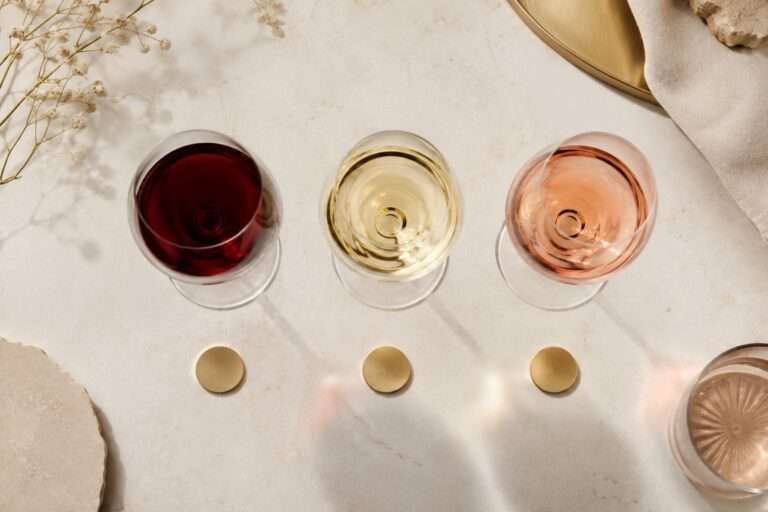
Start with Bourgogne
Regional Bourgogne Rouge and Blanc teach the style at a friendly price.

Understand Wine. Enjoy Every Glass.
Wine Regions
Burgundy makes some of the most treasured Pinot Noir and Chardonnay on earth. Its labels look confusing, but a few simple ideas make the whole region click.
Start Learning
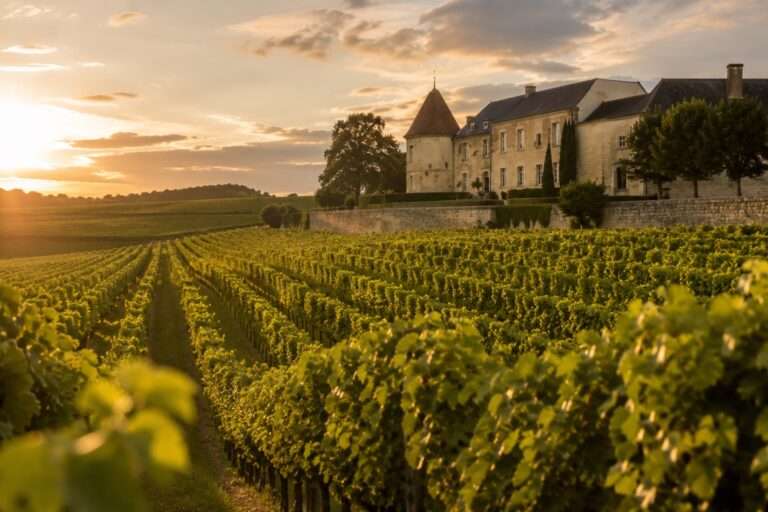
The Burgundy wine region, called Bourgogne in French, runs through east-central France, from Chablis in the north down through Dijon and Beaune to the Mâconnais near Lyon. It sits far from the ocean, so the climate is continental: cold winters, warm summers, and risky springs with frost and hail. That cool, marginal weather is perfect for Pinot Noir and Chardonnay, which make their most graceful wines when they ripen slowly. The heart of the region is the Côte d’Or, a narrow band of east-facing slopes of limestone and marl, a crumbly clay-limestone mix. Monks studied these slopes for centuries and found that neighboring plots tasted different. Those mapped plots, called climats, are now a UNESCO World Heritage site and are the reason Burgundy labels focus on place.
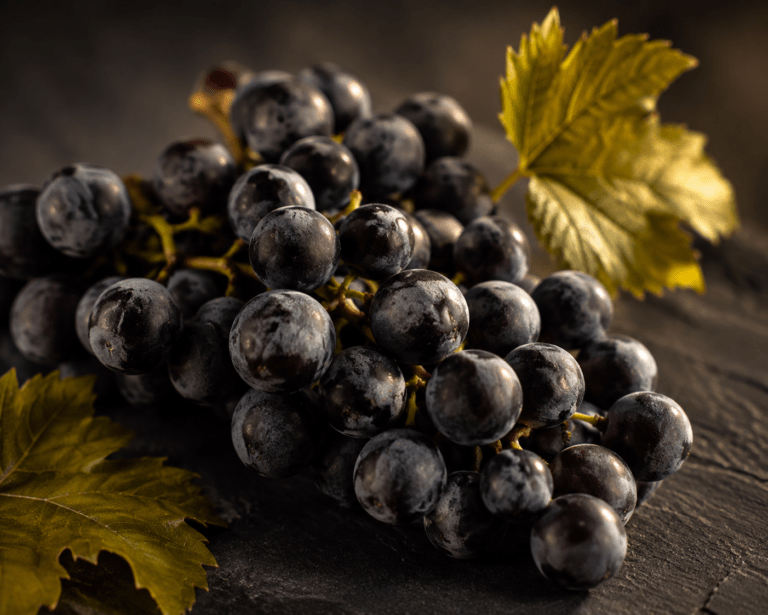
Red Burgundy is almost always 100 percent Pinot Noir. Expect a pale to medium ruby color, light to medium body, gentle tannins, and lively acidity. Young wines show red cherry, raspberry, and violet; with age they turn savory, with notes of mushroom, forest floor, and dried leaves. White Burgundy is almost always 100 percent Chardonnay, yet it varies widely. Chablis is steely and lemony with a chalky, oyster-shell feel. Côte de Beaune whites are fuller, often aged in oak, with flavors of ripe apple, hazelnut, and butter balanced by crisp acidity. Mâconnais whites are fruit-forward and easygoing. The region also makes sparkling Crémant de Bourgogne, tangy Aligoté whites, and, at its southern edge, juicy Gamay in neighboring Beaujolais.
Think of Burgundy in five parts. Chablis, isolated in the north, makes crisp Chardonnay. The Côte de Nuits is red-wine heaven, with villages such as Gevrey-Chambertin, Chambolle-Musigny, Vosne-Romanée, and Nuits-Saint-Georges. The Côte de Beaune is famous for whites from Meursault, Puligny-Montrachet, and Chassagne-Montrachet, plus silky reds from Volnay and Pommard. The Côte Chalonnaise, with Mercurey, Givry, and Rully, offers similar styles for less money. The Mâconnais makes affordable whites, including Pouilly-Fuissé. Quality follows a pyramid: regional Bourgogne at the base, then village wines, then Premier Cru vineyards, and finally the small group of Grand Cru sites at the top. Our guide to reading a wine label shows where these words appear.
Start at the base of the pyramid. A Bourgogne Rouge shows Pinot Noir’s red fruit and earthy charm without a big price, and a Bourgogne Blanc or Mâcon-Villages shows clean, apple-scented Chardonnay. Next, open a bottle of Chablis to taste how cool climate and limestone create a lean, mineral white. When you are ready for more, try a village red from the Côte de Nuits or a Côte Chalonnaise red such as Mercurey or Givry for depth at a fair price. Save Premier and Grand Cru bottles for special nights, because quantities are tiny and prices are high. If you like Burgundy, explore Oregon’s Willamette Valley for a New World cousin, and read Burgundy vs Bordeaux to see how France’s two giants differ.
Burgundy’s own cooking is the best guide. Red Burgundy and boeuf bourguignon or coq au vin is a classic match, because both dishes are braised in the same kind of wine. Its earthy side loves mushrooms, roast chicken, pork, and especially duck, whose richness Pinot’s acidity cuts neatly. Avoid very spicy or heavily charred food, which can flatten a delicate Pinot Noir. Chablis is famous with oysters and simple white fish. Richer Côte de Beaune whites suit lobster, scallops, roast chicken with cream sauce, and veal. Local cheeses work too: try a pungent washed-rind cheese with a red, or gougères, cheesy little pastries, with a glass of white. Serve red Burgundy cool, around 55–60°F, in a wide-bowled glass.
The town of Beaune is the natural base, with walkable streets, wine shops, and cellars to explore. From there, the Côte de Beaune villages are minutes away, and the Côte de Nuits is a short drive north toward Dijon. Many estates are small family operations with no tasting room, so visits usually need an appointment, and a few words of French go a long way. Bike paths connect several vineyard villages, which makes for a memorable day out. November brings a famous charity wine auction and festivities in Beaune, while late spring and early fall offer the nicest weather. Buy a detailed vineyard map; standing beside a Grand Cru wall is the best way to understand Burgundy’s obsession with place.
| Style or Area | Character | Try It With |
|---|---|---|
| Bourgogne Rouge | Light Pinot Noir, red cherry, earthy, gentle tannins | Roast chicken or charcuterie |
| Côte de Nuits red | Deeper Pinot Noir, dark cherry, spice, forest floor | Duck breast or beef bourguignon |
| Côte de Beaune white | Rich Chardonnay, apple, hazelnut, toasty oak | Lobster or creamy chicken |
| Chablis | Lean, lemony, chalky, no or little oak | Oysters or grilled white fish |
| Mâcon-Villages | Fruity, round, unoaked Chardonnay | Quiche or goat cheese salad |
| Crémant de Bourgogne | Crisp sparkling, apple, toasty notes | Gougères or fried appetizers |
Regional Bourgogne Rouge and Blanc teach the style at a friendly price.
Côte Chalonnaise and Mâconnais wines offer Burgundy character for much less money.
Pour red Burgundy around 55–60°F in a wide glass to lift its delicate aromas.
Learn Your Taste
Answer a few simple questions and discover styles that fit your palate.
Take the Wine QuizPinot Noir and Chardonnay. Red Burgundy is elegant, earthy Pinot Noir, and white Burgundy is Chardonnay in styles from crisp Chablis to rich Meursault. The region is also known for its detailed system of vineyard classifications.
Both. Burgundy makes red wine from Pinot Noir and white wine from Chardonnay, plus some Aligoté, Gamay, and sparkling Crémant. In the United States, "burgundy" is sometimes used loosely for red wine, but true Burgundy comes only from this French region.
Grand Cru is the top level, a small group of the finest vineyards, labeled with just the vineyard name. Premier Cru vineyards are the next tier down and appear on labels with the village name plus the vineyard. Both are pricier than village wines.
Burgundy's vineyards are tiny and divided among many owners, so each wine is made in small amounts. Cool, risky weather can cut harvests, while worldwide demand for top Pinot Noir and Chardonnay keeps rising. Regional and southern Burgundy wines remain much more affordable.
Yes. Chablis is the northernmost part of Burgundy and makes only white wine from Chardonnay. Its cool climate and limestone soils give a lean, crisp, mineral style that is usually made with little or no new oak.
Simple Bourgogne Rouge is best within about five years. Good village wines often improve for 5 to 10 years, and Premier and Grand Cru reds from strong vintages can develop for 15 to 20 years or more, becoming more savory and earthy.