Check the Bottle Shape
Sloping shoulders mean Burgundy; high, square shoulders mean Bordeaux.

Understand Wine. Enjoy Every Glass.
Wine Comparisons
Burgundy vs Bordeaux is the great rivalry of French wine. Both regions make world-famous reds and whites, but they think about grapes, land, and labels in very different ways.
Start Learning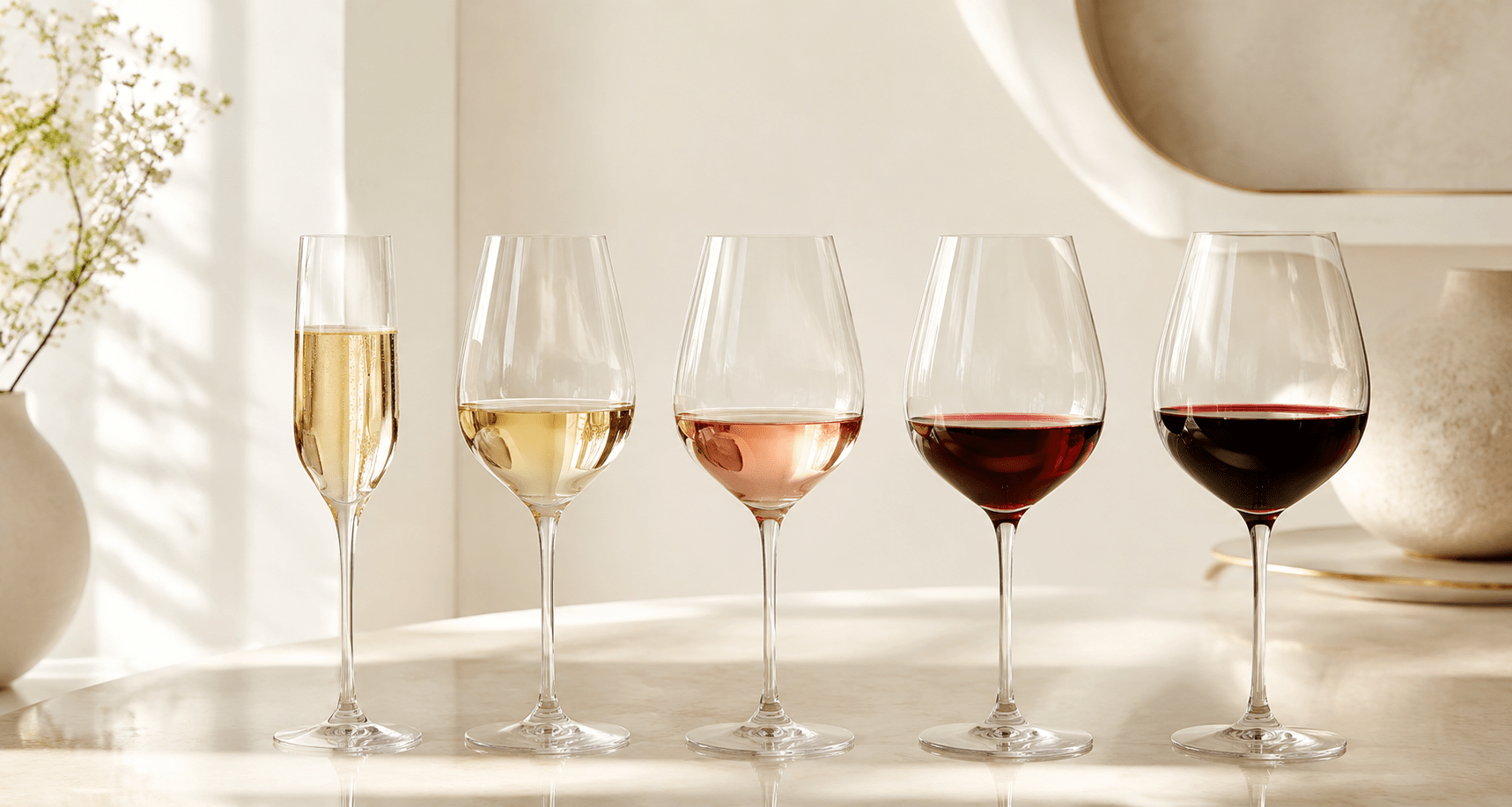
Burgundy is a narrow strip of vineyards in east-central France, and its philosophy is simple: one grape, many places. Red Burgundy is made from Pinot Noir, white Burgundy from Chardonnay, and the focus is on how each tiny plot of land changes the wine. Bordeaux, in southwest France near the Atlantic, works the other way: several grapes blended by large estates called châteaux. Red Bordeaux mixes Cabernet Sauvignon, Merlot, and Cabernet Franc, sometimes with Petit Verdot and Malbec. The blend lets producers balance the vintage, which matters in a maritime climate. As a result, Burgundy tends to be lighter and more delicate, while Bordeaux is fuller and more structured.
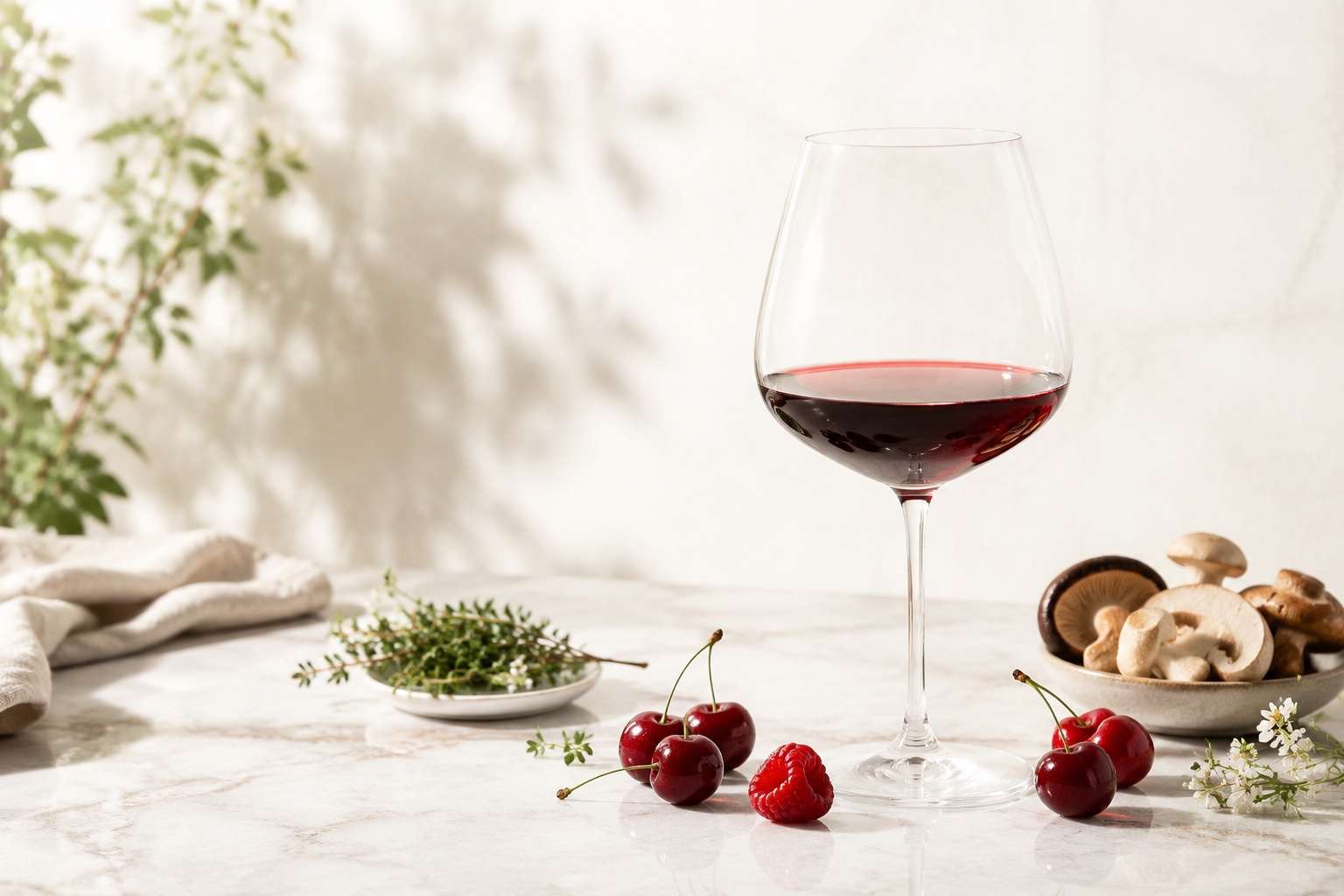
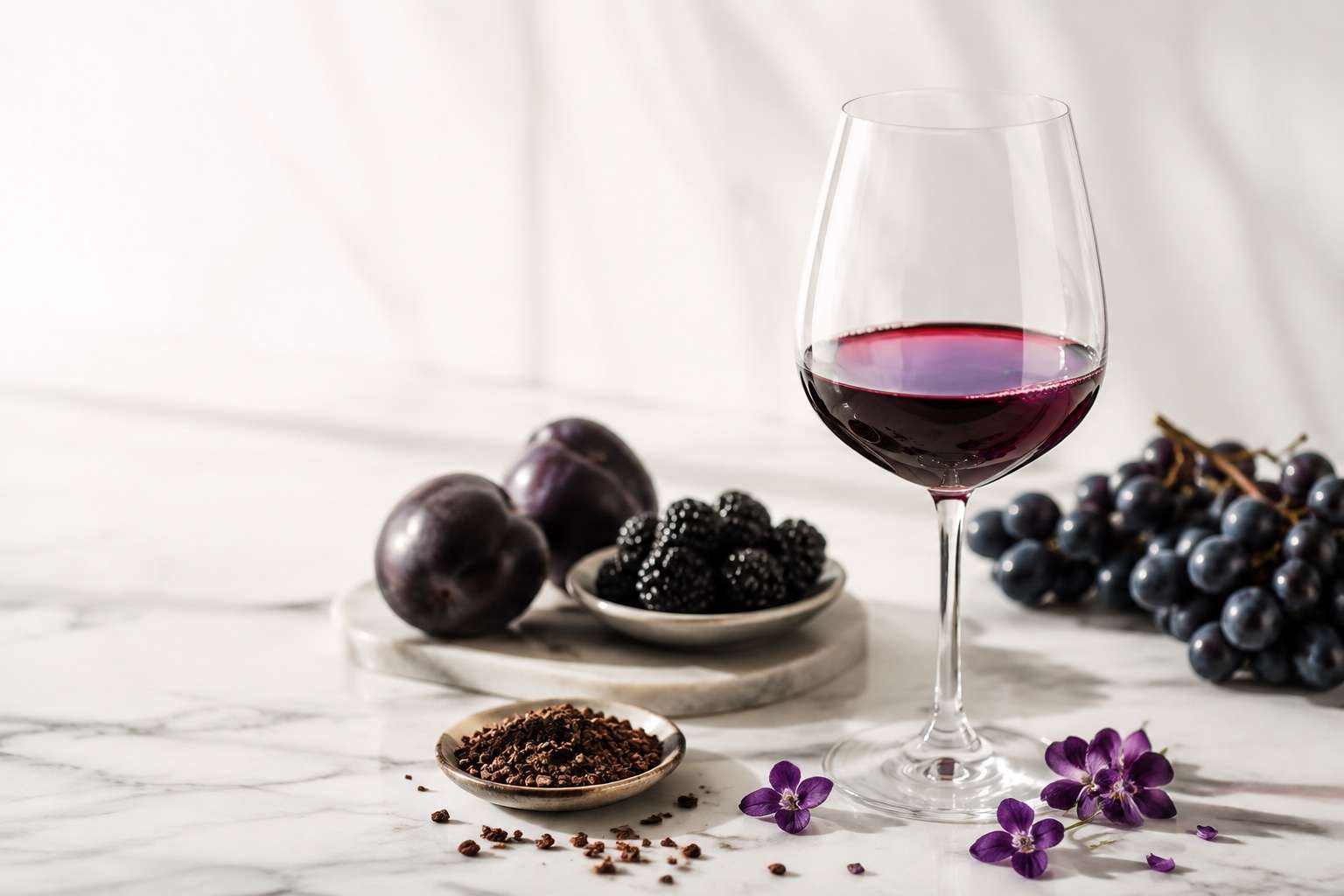
Red Burgundy is light to medium-bodied with high acidity and silky tannin. Look for cherry, raspberry, and cranberry layered with mushroom, forest floor, and spice; older bottles turn savory and gamey. White Burgundy runs from steely, chalky Chablis to rich, nutty Meursault, with lemon, apple, hazelnut, and butter. Red Bordeaux is medium-plus to full-bodied with firmer tannin. Expect blackcurrant, plum, cedar, graphite, tobacco, and vanilla from oak, with leather and earth as it ages. Left Bank wines, Cabernet-led, are more structured; Right Bank wines, Merlot-led, are rounder and plummier. White Bordeaux, a blend of Sauvignon Blanc and Sémillon, tastes of citrus, grass, and beeswax. Sauternes, also from Bordeaux, is a famous sweet wine.
Burgundy ranks the land. From most basic to most prized: regional wines (Bourgogne), village wines named for a commune (such as Gevrey-Chambertin or Puligny-Montrachet), Premier Cru vineyards, and Grand Cru vineyards, which make up only a small share of production. Its main zones are Chablis, the Côte de Nuits (mostly red), the Côte de Beaune (famous whites and reds), the Côte Chalonnaise, and the Mâconnais (value whites). Bordeaux ranks the producer. The famous 1855 Classification sorted top Médoc châteaux into five growths, and Saint-Émilion has its own ranking. Key Left Bank names include Pauillac, Margaux, and Saint-Julien; on the Right Bank, look for Saint-Émilion and Pomerol. Learn to decode these on a wine label.
Red Burgundy’s acidity and gentle tannin make it ideal for duck, roast chicken, salmon, pork, and the region’s own classics like coq au vin and beef bourguignon. Earthy notes love mushrooms and truffles. White Burgundy pairs with lobster, scallops, roast chicken with cream, and Chablis with oysters. Red Bordeaux’s tannins call for richer, fattier foods: lamb with herbs, ribeye, prime rib, and hard cheeses like aged Comté. Right Bank Merlot blends are a bit more forgiving with roast beef or pork. White Bordeaux goes well with goat cheese and grilled fish, and Sauternes is the classic partner for foie gras and blue cheese.
Both regions are home to some of the most expensive wines on earth, but both also offer value. Burgundy is small and its top vineyards are tiny, so prices for Grand Cru wines are sky-high. For affordable Burgundy, try Bourgogne Rouge, Mâcon-Villages, or wines from the Côte Chalonnaise. Bordeaux produces much more wine, and Bordeaux Supérieur and Côtes de Bordeaux bottles often cost under $20. Burgundy even has its own glass shape, a wide balloon bowl that gathers delicate aromas, while the Bordeaux glass is tall with a narrower bowl. Serve red Burgundy at 55–60°F and red Bordeaux at 60–65°F. Young Bordeaux benefits from decanting.
Choose Burgundy if you love lighter, aromatic, earthy reds and elegant Chardonnay, or you are serving poultry, fish, or mushroom dishes. Choose Bordeaux if you like structured, dark-fruited reds with tannin and aging power, or you are serving steak or lamb. A quick visual clue: Burgundy bottles have sloping shoulders, while Bordeaux bottles have high, square shoulders. To taste the grapes outside France, compare Pinot Noir vs Cabernet Sauvignon, or see how French wine differs from New World styles in Old World vs New World wine.
| Attribute | Burgundy | Bordeaux |
|---|---|---|
| Red grapes | Pinot Noir only | Cabernet Sauvignon, Merlot, Cabernet Franc blends |
| White grapes | Chardonnay | Sauvignon Blanc and Sémillon |
| Red wine style | Light to medium body, earthy, silky | Medium-plus to full body, tannic, cedar |
| Climate | Continental, cool | Maritime, moderate |
| Quality ranking | By vineyard: Grand Cru, Premier Cru | By château: 1855 Classification |
| Value picks | Bourgogne Rouge, Mâcon-Villages | Bordeaux Supérieur, Côtes de Bordeaux |
| Best food | Duck, salmon, coq au vin | Lamb, ribeye, hard cheeses |
Sloping shoulders mean Burgundy; high, square shoulders mean Bordeaux.
Bourgogne Rouge and Bordeaux Supérieur teach each style without a big bill.
Young Bordeaux reds soften after an hour in a decanter; Burgundy rarely needs it.
Learn Your Taste
Answer a few simple questions and discover styles that fit your palate.
Take the Wine QuizRed Burgundy is made from Pinot Noir. The only common exception is Beaujolais, at the region's southern edge, which uses Gamay and is often treated as its own region.
Red Bordeaux is a blend, mainly Cabernet Sauvignon and Merlot, often with Cabernet Franc, and smaller amounts of Petit Verdot and Malbec. Left Bank blends lean on Cabernet; Right Bank blends lean on Merlot.
At the top, Burgundy usually costs more because its best vineyards are tiny and production is small. Bordeaux makes far more wine, so it offers more good-value bottles, though its top châteaux are also very costly.
Yes, for reds. Pinot Noir-based Burgundy is lighter-bodied with soft tannin, while Cabernet and Merlot blends from Bordeaux are fuller and more tannic. White Burgundy can be quite rich, though.
No. White Burgundy is made from Chardonnay. White Bordeaux is usually a blend of Sauvignon Blanc and Sémillon, which gives citrus, fresh grass, and waxy lemon notes. Bordeaux is also famous for sweet Sauternes, made from those same two grapes.
Top Bordeaux has a slight edge thanks to its tannin, often aging for decades. Fine Burgundy also ages very well, but many village-level bottles are best within about five to ten years.