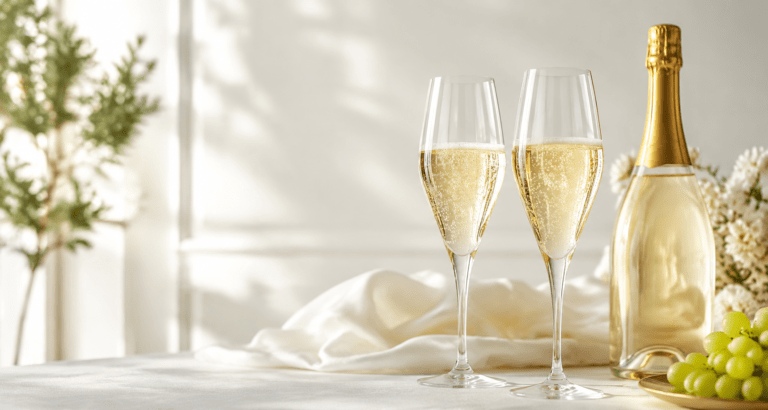
Gris Means Richer
On most labels, Pinot Gris signals a fuller style than Pinot Grigio.

Understand Wine. Enjoy Every Glass.
Grape Varieties
Pinot Gris is the same grape as Pinot Grigio, but often made in a richer, rounder style. Here is how it tastes, where it shines, and what to eat with it.
Start Learning
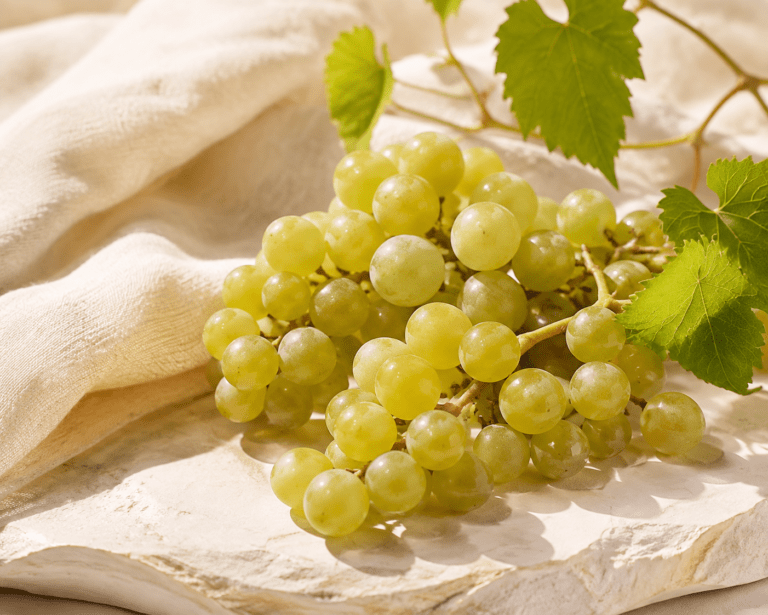
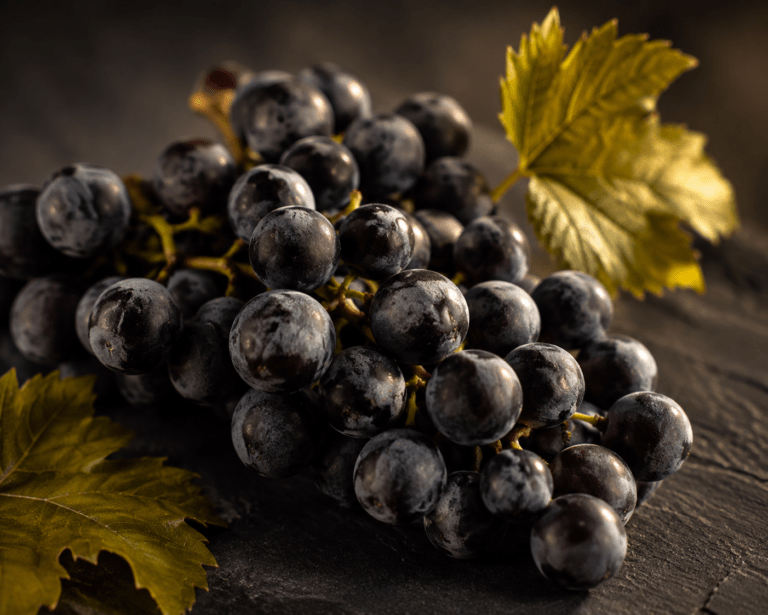
Pinot Gris wine leans ripe and round. The fruit tastes of pear, baked or yellow apple, white peach, nectarine, and honeydew melon. Richer styles add honey, ginger, almond, and a gentle smoky or spicy note, especially from Alsace. On the palate, it is usually medium- to full-bodied, with moderate acidity and a soft, almost oily texture that coats your mouth. Alcohol can run fairly high in warm years. Some Pinot Gris is bone dry, while others have a touch of sweetness that balances the weight. Because the grape has pinkish-gray skins, a few winemakers leave the juice on the skins briefly, giving a copper-tinged wine sometimes called ramato in Italy. These have more texture and a hint of red berry.
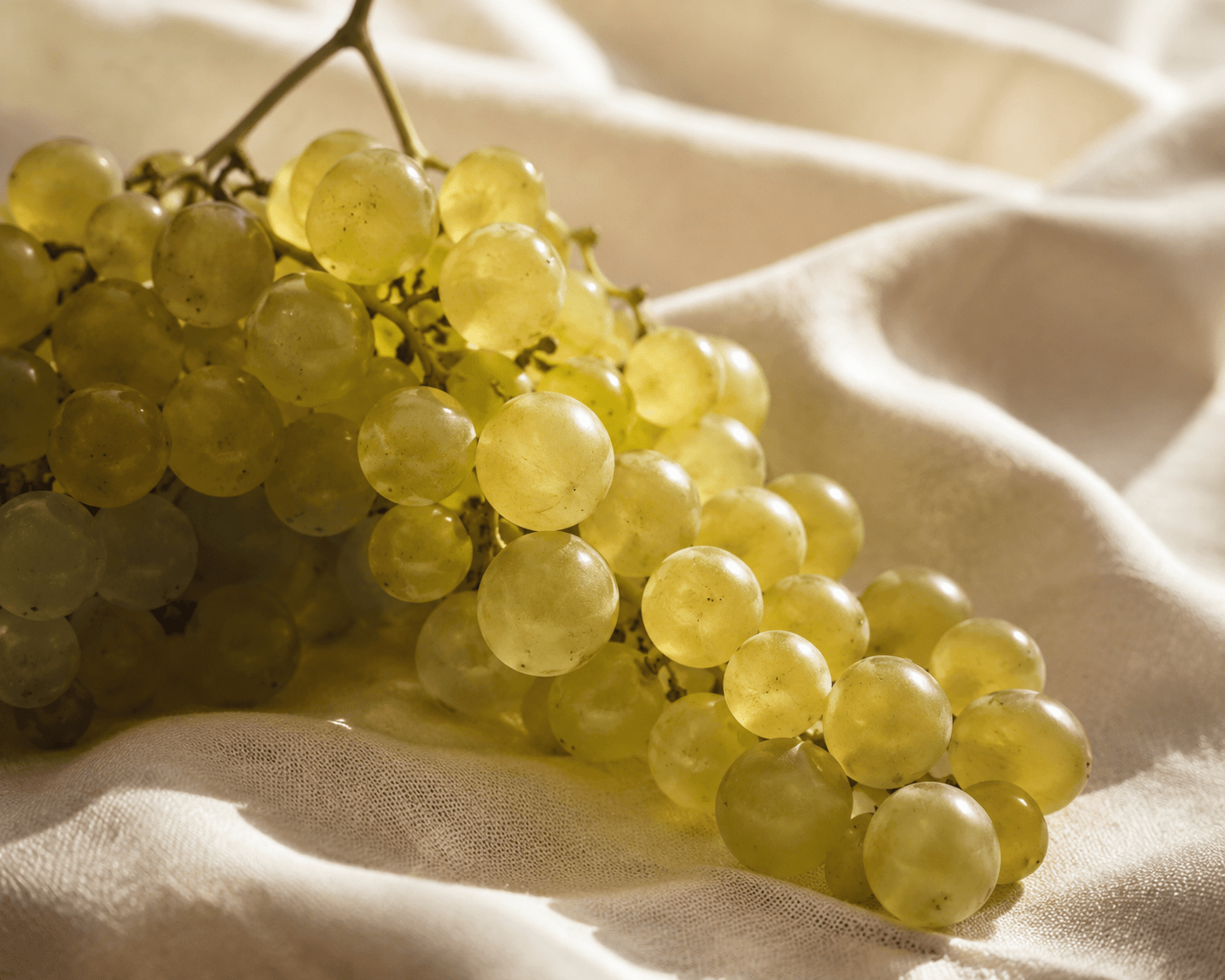
Pinot Grigio and Pinot Gris are the same grape, a color mutation of Pinot Noir. The difference on the label usually signals style. Pinot Grigio, the Italian name, typically means a light, crisp, neutral white picked early, with lemon and green apple flavors. Pinot Gris, the French name, usually means a riper, fuller, more aromatic wine in the Alsace mold. This is a convention, not a law. Some Italian bottles are rich, and some New World Pinot Gris is light and zippy. Still, it is a useful shopping shortcut: choose Grigio for a simple, refreshing aperitif, and Gris when you want a white with more flavor and body for dinner. Our Pinot Grigio vs. Pinot Gris comparison explains more.
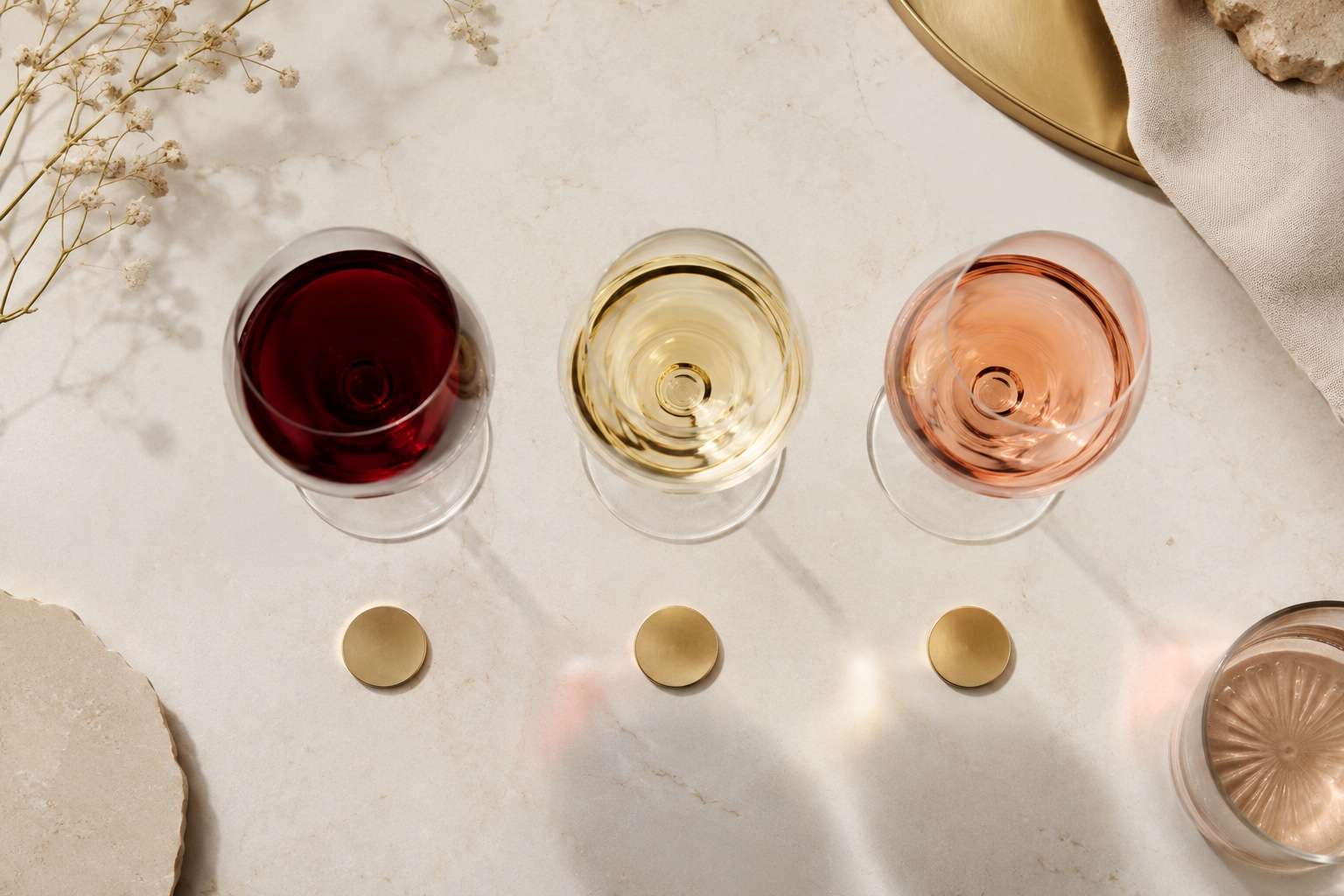
Alsace in northeast France is the benchmark. Its dry, sunny climate, sheltered by the Vosges mountains, makes rich, spicy, honeyed Pinot Gris that can be dry, off-dry, or lusciously sweet in late-harvest styles. Oregon’s Willamette Valley is the American standard, making medium-bodied, fruit-driven wines with pear, melon, and bright acidity. Germany calls the grape Grauburgunder and makes dry, full versions, especially in Baden and the Pfalz. New Zealand produces ripe, often slightly off-dry styles, and northeast Italy’s Friuli makes more textured examples than typical Pinot Grigio. Cooler climates give crisper, leaner wines, while warmer spots and lower yields create the richer, oilier texture the grape is known for.
Serve Pinot Gris at 45–50°F. Lighter, crisper styles can go a bit colder, while rich Alsace Pinot Gris tastes best at the upper end, around 50–55°F, where its spice and honey come through. If a bottle comes straight from the refrigerator, let it sit out for about 10 minutes before pouring. A standard white wine glass works well, and a slightly wider bowl suits the fuller styles. Pinot Gris does not need decanting. Most bottles are best within three years of the vintage, though top Alsace Grand Cru and late-harvest wines can age for a decade or more. An opened bottle stays fresh for three to five days in the fridge with a stopper.
Pinot Gris wine has enough body for main courses but not so much oak or acidity that it overwhelms food. It is a classic match for pork — roast loin, chops with apples, or sausages with sauerkraut, a favorite in Alsace. It works beautifully with roast chicken, turkey, and creamy chicken dishes. Its earthy, nutty side pairs with mushroom risotto and quiche, and Alsace’s tarte flambée, a thin onion-and-bacon flatbread, is a perfect regional match. Off-dry Pinot Gris handles gentle spice, so try it with mild curries, ginger stir-fries, or Vietnamese dishes. Fuller styles are lovely with salmon and trout. Lighter Oregon versions suit salads, soft cheeses, and seafood pasta.
Start with the style you want. For rich and spicy, choose Alsace; the label may not state sweetness, so look for clues like a higher price, late harvest terms, or a back-label sweetness scale. Our guide to dry vs. sweet wine helps decode them. For fresh and fruity, Oregon Pinot Gris is a reliable, mid-priced choice. If you enjoy Pinot Gris, try Viognier for even more peach and floral perfume, or Gewürztraminer, its spicier Alsace neighbor. Chenin Blanc offers similar texture with brighter acidity, and Pinot Blanc gives a lighter, gentler take.
| Region | Style | What to Expect |
|---|---|---|
| Alsace, France | Rich, dry to sweet | Honey, ripe pear, smoke, spice; oily texture |
| Willamette Valley, Oregon | Fresh and fruity | Pear, melon, bright acidity, medium body |
| Baden and Pfalz, Germany | Grauburgunder, usually dry | Full, nutty, sometimes oaked |
| New Zealand | Ripe, often off-dry | Juicy pear and stone fruit, soft finish |
| Friuli, Italy | Textured, sometimes skin-contact | More weight than Grigio; ramato is copper-colored |
| Alsace Vendanges Tardives | Late-harvest sweet | Dried apricot, honey, long finish |
On most labels, Pinot Gris signals a fuller style than Pinot Grigio.
Rich Pinot Gris tastes flat when ice-cold. Aim for 45–50°F or slightly warmer.
Roast pork with apples is a classic Alsace match for Pinot Gris.
Learn Your Taste
Answer a few simple questions and discover styles that fit your palate.
Take the Wine QuizYes, it is the same grape. Pinot Gris is the French name and usually signals a riper, richer style; Pinot Grigio is the Italian name and usually means a light, crisp wine. The label name is a style clue, not a rule.
It can be either. Most Oregon and Italian versions are dry. Alsace Pinot Gris ranges from dry to off-dry, and late-harvest styles are fully sweet. Check the back label or ask the shop if you are unsure.
Yes. Even though the grape has pinkish-gray skins, the juice is clear, so most Pinot Gris is white. When winemakers leave the juice on the skins for a while, the wine takes on a copper or pale pink tint.
Grauburgunder is the German name for Pinot Gris, used mainly for dry, full-bodied styles. Another German name, Ruländer, traditionally referred to sweeter versions. Both come from the same grape.
Pork, roast chicken, mushroom dishes, and creamy pasta are great matches. Off-dry Alsace Pinot Gris also pairs well with mildly spicy Asian food, while lighter Oregon styles suit salmon, salads, and soft cheeses.
Yes, but not too much. Serve it at 45–50°F. Very rich styles from Alsace show more flavor at around 50–55°F, so let a bottle sit out for 10 minutes after taking it from the refrigerator.