Weight Beats Color
Match a wine's body to the dish's richness rather than following color rules.

Understand Wine. Enjoy Every Glass.
Wine Basics
Red and white wine can come from the same kind of fruit, yet they taste worlds apart. The difference starts with grape skins and shows up in every sip.
Start Learning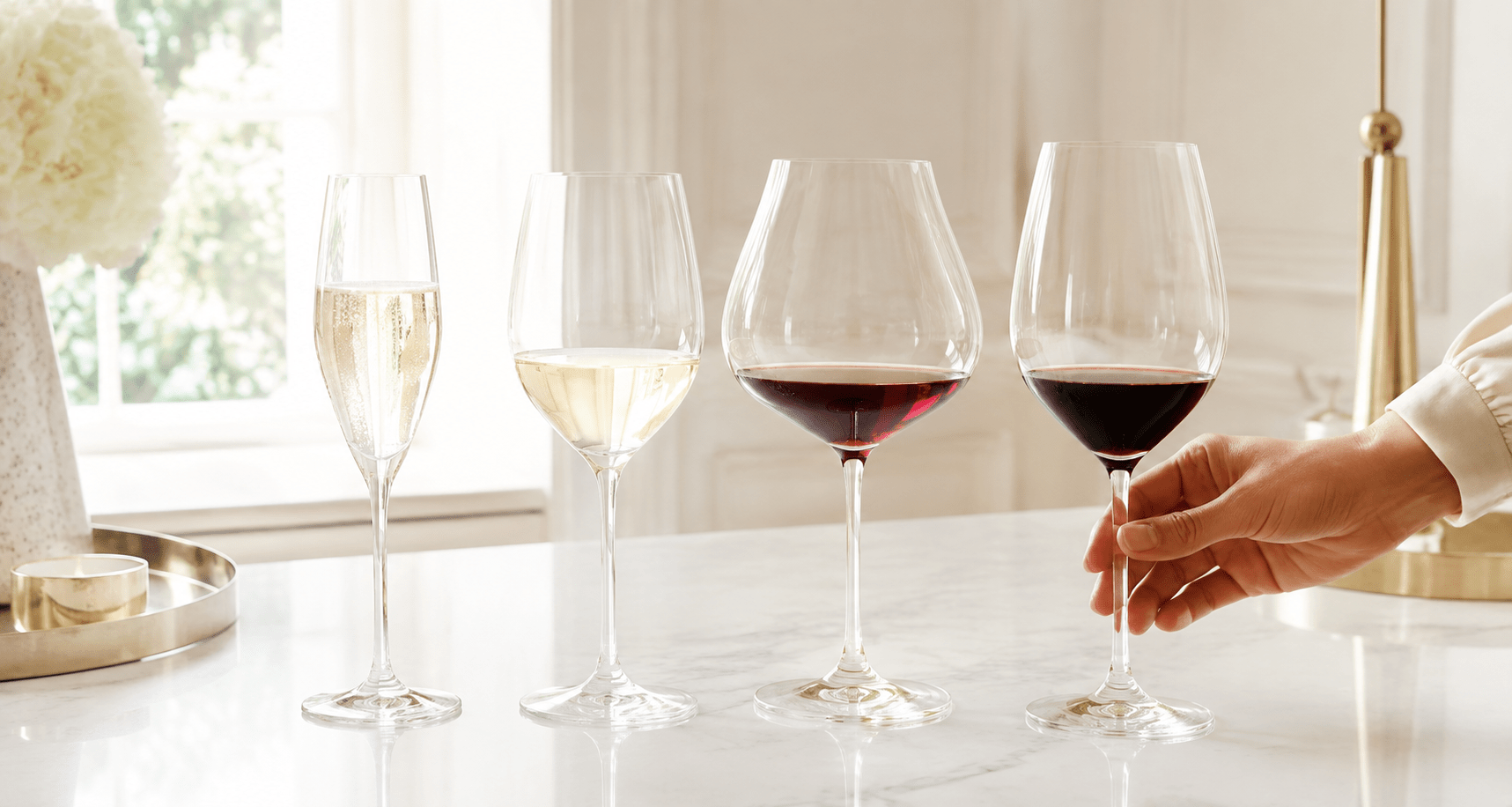
The single biggest difference between red vs white wine is how long the juice stays with the grape skins. Squeeze almost any wine grape, red or green, and the juice runs nearly clear. Red wine gets its color by fermenting crushed dark grapes with their skins for days or weeks. Those skins release pigments, tannin, and much of the flavor. White wine is usually made by pressing grapes right away and fermenting only the juice, so it picks up almost no color or tannin. It is even possible to make white wine from red grapes; many Champagnes include Pinot Noir and Pinot Meunier, both dark grapes. Rosé sits in between, with brief skin contact. Crushing, pressing, and fermenting are covered step by step in how wine is made.
Skin contact changes structure as well as color. Red wines contain tannin, the drying, grippy feeling on your gums, explained in tannins in wine. Whites have almost none, so they feel smoother on the gums and often crisper, because their acidity stands out more. Flavors differ too. Reds lean toward red fruits like cherry, raspberry, and strawberry, or dark fruits like blackberry, plum, and black currant, plus earthy and spicy notes. Whites lean toward citrus, green apple, pear, peach, and tropical fruit, with floral or herbal notes. Body overlaps: light reds like Pinot Noir can feel lighter than a rich, oaked Chardonnay. In general, though, reds tend to feel fuller and whites fresher. Both can range from bone dry to sweet.
A few grapes cover most bottles on the shelf. Popular red grapes include Cabernet Sauvignon for bold, structured wines with black currant and cedar; Merlot for soft, plummy reds; Pinot Noir for light, silky reds with red cherry and earth; and Syrah, Malbec, Zinfandel, Tempranillo, and Sangiovese. Major white grapes include Chardonnay, which ranges from lean and appley to rich and buttery; Sauvignon Blanc, zesty with grapefruit and herbs; Riesling, aromatic with lime and peach; and Pinot Grigio, light and crisp. If you like one grape, you will usually enjoy its relatives in the same family. See every option in grape varieties.
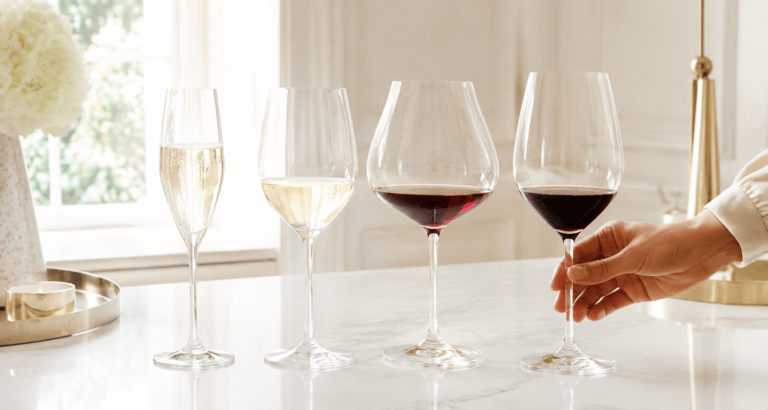
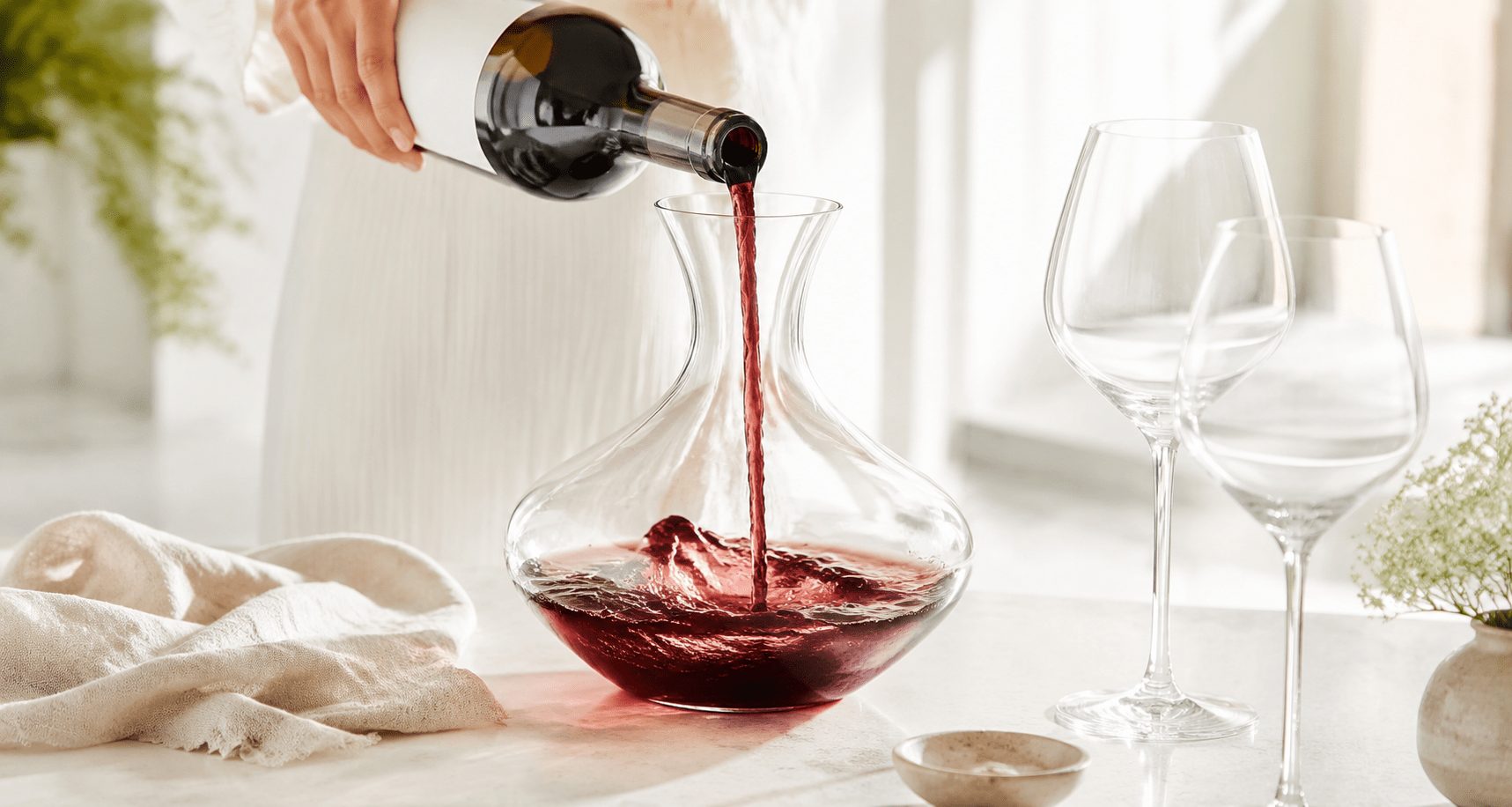
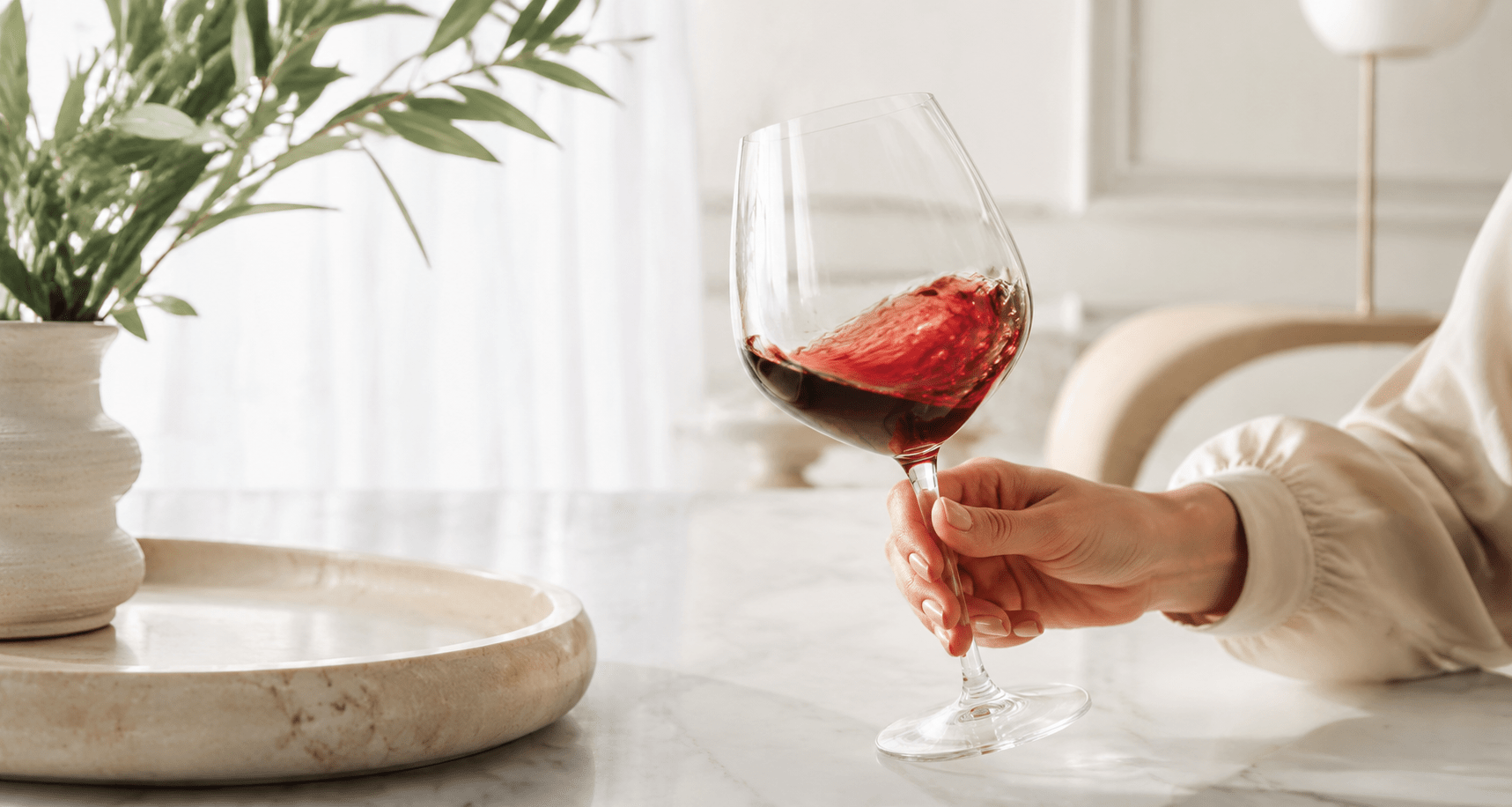
Whites are served colder. Light whites and rosé shine at 45–50°F; full-bodied whites like oaked Chardonnay at 50–55°F. Reds are served cooler than room temperature: light reds around 55–60°F and bold reds around 60–65°F. Get the full chart in wine serving temperature. Glasses differ slightly. Red glasses usually have larger bowls to give aromas room and soften tannin, while white glasses are smaller to keep the wine cool and focus fresh aromas. One all-purpose glass works fine for both. Young, tannic reds often improve with 30 to 60 minutes of air, so consider a decanter; most whites do not need it. Once opened, both last about three to five days in the fridge with a stopper.
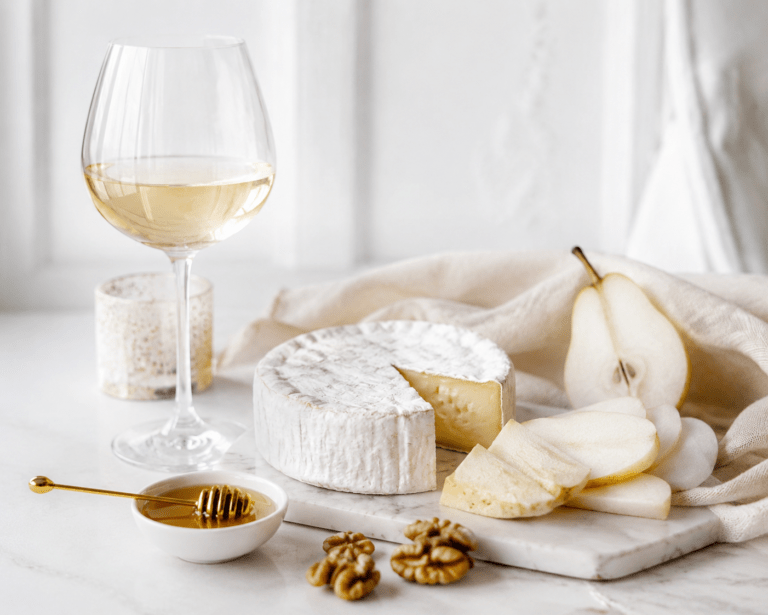
The old rule — red with meat, white with fish — works as a starting point, but weight and sauce matter more than color. Tannic reds suit rich, fatty, protein-heavy foods like steak, lamb, and aged cheese, because fat softens tannin; see wine with steak. Crisp whites suit seafood, salads, goat cheese, and dishes with lemon or herbs, because their acidity matches bright flavors. Creamy dishes like chicken Alfredo love a rich Chardonnay. But light reds such as Pinot Noir go beautifully with salmon, tuna, and mushrooms, while a full white can handle pork or roast chicken. Tannic reds can taste metallic with oily fish, so that is one rule worth keeping. For more ideas, browse wine pairings.
Choose white if you want something refreshing, are drinking outdoors in warm weather, or are serving light food such as fish, salads, or shellfish. Choose red if you are having hearty, savory food like burgers, roasts, pasta with meat sauce, or a cheese board, or if it is a cold evening. If you find reds bitter or drying, start with soft, fruity ones like Merlot or Beaujolais. If you find whites too sour, try a fuller Chardonnay or an off-dry Riesling. Can’t decide? A dry rosé or a light red such as Pinot Noir bridges the gap. The best approach is to taste one of each side by side, using the steps below, and notice which you reach for again.
Buy a medium white like unoaked Chardonnay and a medium red like Merlot so the comparison is fair.
Chill the white to about 50°F and cool the red to about 60°F before tasting.
Note the color depth, then smell each. Name a fruit in each: apple or citrus, cherry or plum.
Sip each and notice the red's drying tannin on your gums versus the white's fresher, smoother feel.
Taste both with a bite of cheese and a bite of something lemony, and see which pairing you prefer.
Match a wine's body to the dish's richness rather than following color rules.
Pinot Noir and Beaujolais taste fresher with 20 to 30 minutes in the fridge.
Dry rosé pairs with foods that suit both red and white wine.
Learn Your Taste
Answer a few simple questions and discover styles that fit your palate.
Take the Wine QuizSkin contact. Red wine ferments with dark grape skins, which add color, tannin, and flavor. White wine is usually pressed off the skins before fermentation, so it is pale and has little tannin.
Neither is consistently stronger. Many reds are around 13–15% alcohol because they come from warm climates, but rich whites like California Chardonnay can match them. Check the ABV on the label.
There is no clear answer. Red wine contains more compounds from grape skins, but any alcohol carries health risks. If health is a concern, talk to a doctor rather than choosing wine for its benefits.
Use the color the dish needs. Dry white wine suits chicken, seafood, risotto, and cream sauces, where it adds acidity without staining. Dry red wine suits beef stews, braises, and tomato sauces, where its tannin and depth stand up to long cooking. Skip bottles labeled cooking wine, which are salted.
Many people report more headaches from red wine. Possible factors include compounds from grape skins and alcohol itself, but the causes are not fully understood. A doctor can help if headaches are frequent.
Not strictly. Red glasses usually have a wider bowl that gives bold aromas and tannic wines room to open up, while white glasses are smaller and keep the wine cooler longer. If you own only one set, a medium all-purpose glass with a tapered rim handles both colors well.