Bring Bubbles If Unsure
Sparkling wine fits any menu and keeps well for another day.

Understand Wine. Enjoy Every Glass.
Buying & Occasions
Bringing a bottle to dinner is a kind gesture. The best choices are wines the host will enjoy tonight or later, with no pressure either way.
Start Learning
The best hostess gift wine is one the host can enjoy any time, not just with the meal they have planned. That means versatile styles that taste good on their own and with many foods. Avoid extremes. Very tannic reds, very oaky whites, and very sweet wines are more personal tastes. Medium-bodied, fruit-forward wines with fresh acidity please the most people. A hostess gift should feel a little nicer than an everyday bottle. A recognizable region, such as Sancerre, Chianti Classico, or Rioja, signals care without being showy. If you know the host’s taste, use it. A friend who loves Pinot Noir will appreciate a bottle from Burgundy or Oregon; a white wine fan might love a Loire Sauvignon Blanc. For broader ideas, see our best wines for gifts page.
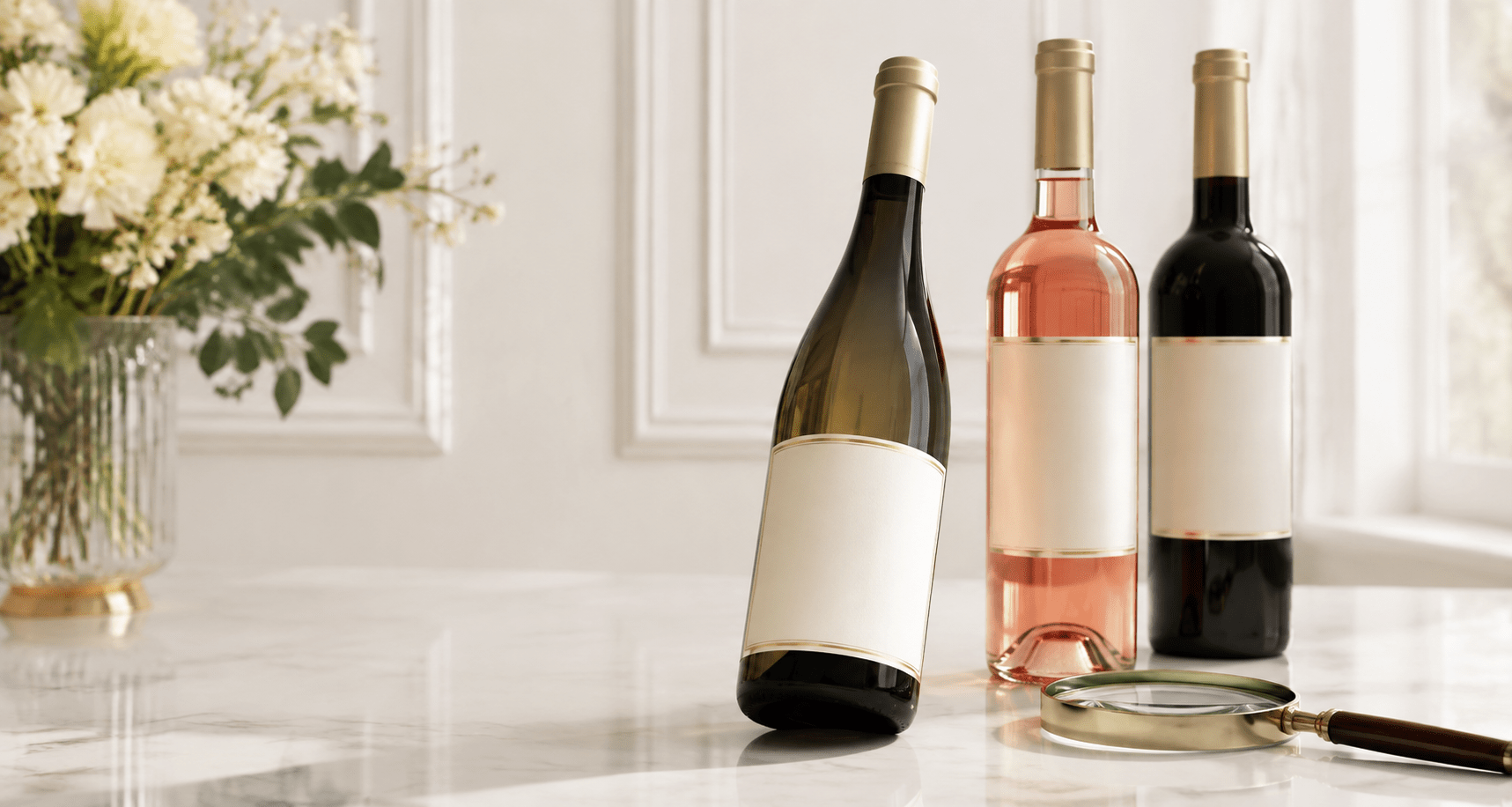
When in doubt, bring bubbles. Sparkling wine suits appetizers, brunch, dessert, or a celebration later in the week, so it never feels mismatched. Champagne is the generous choice for a special dinner or a host who has gone to a lot of trouble. Crémant from Alsace, Burgundy, or the Loire is made the same way, with fine bubbles and brioche notes, for much less. See Crémant. Cava from Spain is crisp, dry, and affordable. Read about Cava. Prosecco is lighter and fruitier, ideal for a casual gathering or a host who enjoys spritzes. Bring it already chilled if you hope to share it, but do not insist. Sparkling wine also keeps well, so the host can save it for another occasion.
For a red, choose something medium-bodied and food friendly. Côtes du Rhône and its step-up, Côtes du Rhône Villages, offer red berries, pepper, and soft tannins. Rioja Crianza or Reserva brings cherry, vanilla, and spice. Chianti Classico is bright and savory, perfect for Italian dinners. Pinot Noir pairs with almost anything, from roast chicken to salmon. For a white, choose crisp and aromatic. Sancerre is elegant and mineral. Albariño from Rías Baixas is fresh and peachy. Dry Riesling from Alsace or Australia is zesty and very food friendly. Chablis offers unoaked Chardonnay with crisp apple and a chalky edge. Learn about Chablis. A dry rosé from Provence is a lovely spring and summer gift.
If you know what is for dinner, you can tailor the bottle. Roast chicken or turkey: Pinot Noir, Beaujolais, or a fuller Chardonnay. Steak or lamb: Cabernet Sauvignon, Malbec, or Rioja Reserva. Pasta with tomato sauce: Chianti Classico, Barbera, or Montepulciano d’Abruzzo. See wine with Italian food. Seafood: Albariño, Muscadet, Chablis, or Sancerre. Spicy or Asian dishes: off-dry Riesling or Gewürztraminer. Barbecue: Zinfandel or Australian Shiraz. Holiday dinners: sparkling wine or Pinot Noir, which handle many different side dishes at once. If you do not know the menu, ask the host if there is anything they would like you to bring. Many will happily tell you.
Spend about what you would on a nice dish for the table. For a casual dinner, many guests bring a bottle in the $15 to $25 range; for a special celebration, more is generous. When you arrive, hand the bottle over with a simple phrase, such as “This is for you to enjoy another time.” That frees the host from feeling obligated to open it. They have usually planned their wines already. Bring wine at the right temperature only if you hope to share it, and never open a gift bottle yourself. A simple wine bag or ribbon is all the wrapping you need. A short note about the wine is a thoughtful extra. If you bring a special bottle you would love to share, ask the host first. Read wine etiquette for more on gifting and hosting customs.
| Occasion | Wine to Bring | Why It Works |
|---|---|---|
| Unknown menu | Crémant or Cava | Sparkling suits any food or a later celebration |
| Casual weeknight dinner | Côtes du Rhône or Albariño | Friendly, versatile, and affordable |
| Italian dinner | Chianti Classico | Bright acidity loves tomato and herbs |
| Holiday feast | Pinot Noir or Champagne | Handles many side dishes at once |
| Summer cookout | Provence rosé or Zinfandel | Refreshing or juicy enough for grilled food |
| Special celebration | Champagne | Feels generous and festive |
Sparkling wine fits any menu and keeps well for another day.
Tell the host the bottle is for them, so they never feel obliged to open it.
Most hosts appreciate the question and will suggest red or white.
Learn Your Taste
Answer a few simple questions and discover styles that fit your palate.
Take the Wine QuizSparkling wine like Crémant or Champagne is the safest choice. Versatile reds such as Pinot Noir, Côtes du Rhône, or Rioja Crianza, and crisp whites like Sancerre or Albariño, also suit most menus and tastes.
If you know the menu, match it: white for seafood and lighter dishes, red for meat. If you do not, sparkling wine or a light red like Pinot Noir is versatile enough for almost any meal.
No. Bringing wine is a common, welcome gesture. Just present it as a gift for the host to enjoy later, rather than expecting it to be opened with the meal they have already planned.
Many guests spend about $15 to $25 for a casual dinner, more for a special occasion. A thoughtful, versatile bottle matters more than price. Bringing a wine a little nicer than everyday feels generous.
Not necessarily. The host may have already chosen wines for the meal. Etiquette says the bottle is a gift, so they can save it. If they open it, enjoy it, but do not expect it.
Good options include local cheese, chocolates, flowers already in a vase, olive oil, or a non-alcoholic sparkling drink. A non-alcoholic option is thoughtful if you are unsure whether the host drinks.