Dumping Is Normal
Use the dump bucket freely; staff expect it and will not be offended.

Understand Wine. Enjoy Every Glass.
Wine Basics
Visiting a winery should feel relaxed, not intimidating. A few simple habits of winery tasting etiquette make the visit better for you, your group, and the people pouring.
Start Learning
Good winery tasting etiquette begins with planning. Many wineries now require or strongly prefer reservations, especially for seated tastings and on weekends, so book ahead and call if you will be late or need to cancel. Keep groups small, or contact the winery in advance for parties of six or more. Plan to visit three or four wineries a day at most; more than that tires your palate and rushes the experience. Eat a real breakfast and pack snacks. Most importantly, arrange transportation: a designated driver who does not drink, a rideshare, or a guided tour. Check each winery’s policies on children, pets, and outside food before you go. If you are heading to a famous region like Napa Valley or Willamette Valley, booking a week or more ahead is wise in peak season.
Dress comfortably, since many visits include walking through vineyards or cellars; flat shoes are smarter than heels on gravel paths. Layers help, as cellars are cool even on hot days. The one firm rule is to skip strong perfume, cologne, or scented lotion. Aroma is a huge part of tasting, and a cloud of fragrance makes it hard for you and everyone nearby to smell the wine. Avoid heavy lipstick or lip gloss, too, which can affect taste and smudge glasses. Bring sunglasses and a hat for outdoor patios. If you plan to buy wine, bring a cooler for the car so bottles do not cook in the heat; our guide on how to travel with wine explains why heat is the enemy and how to pack purchases safely.
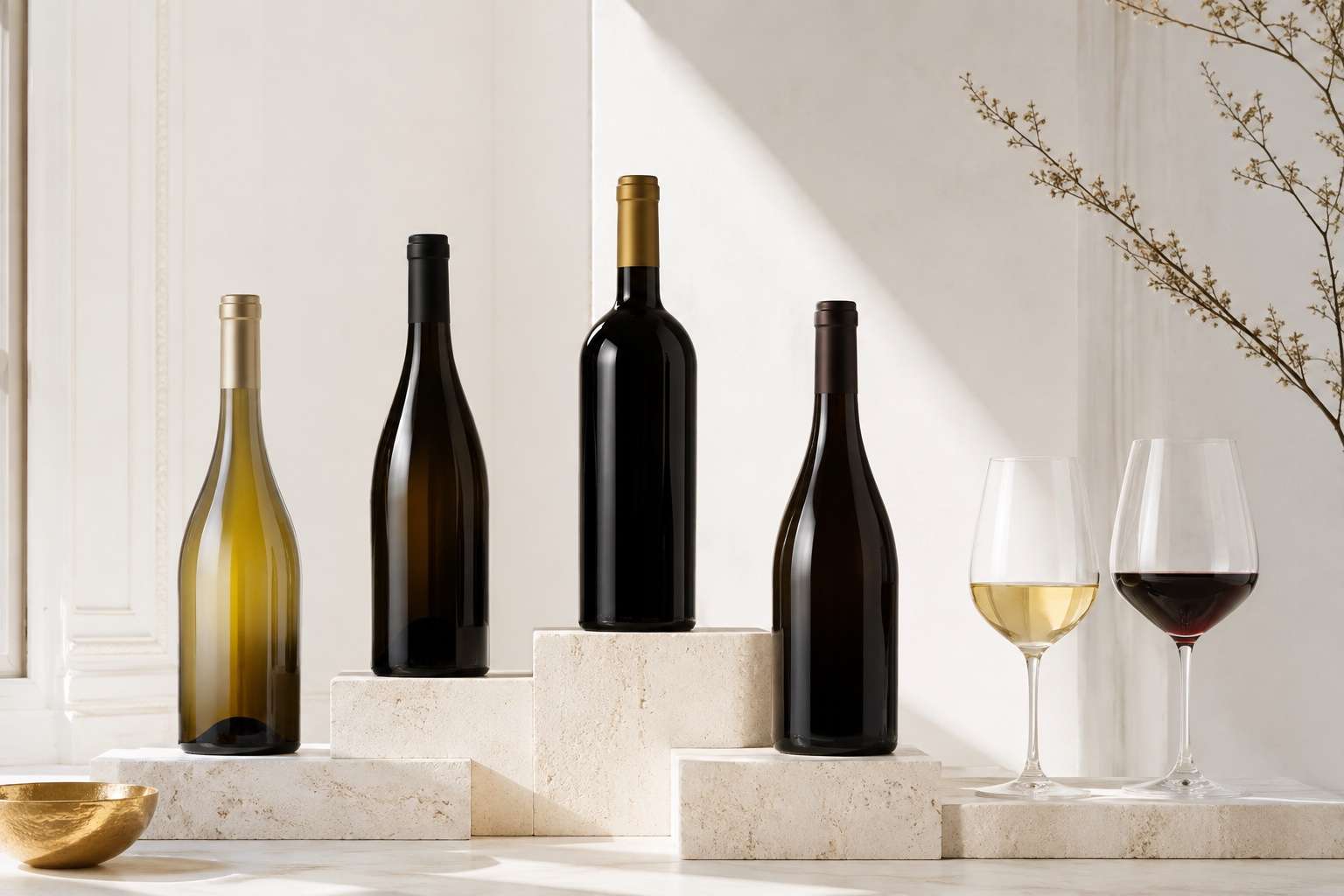
Most tastings follow a set flight, often starting with sparkling or white wine and moving to reds and sweet wines. Taste in the order poured, since it is designed to go from lighter to fuller. Pours are small, about one to two ounces, and you are not expected to finish them. Hold the glass by the stem, swirl, smell, and sip; our guide on how to taste wine walks through the steps. Spitting and dumping are completely normal. Use the dump bucket or spittoon for wine you do not want, and to stay clear-headed for later stops. A splash of water to rinse your glass between wines is fine. Avoid asking for extra pours beyond the flight or reaching for bottles yourself, and if the bar is busy, let others step up once you have finished a pour.
Tasting room staff love questions, and they are often the best part of the visit. Ask about the vineyard, the grapes, how the wine was made, or what food they enjoy with it. You can be honest about what you like; saying this one is not for me, I prefer lighter reds helps them guide you to something you will enjoy. You do not need technical vocabulary, but a few terms help, such as dry, crisp, fruity, or tannic; our wine terminology glossary covers the basics. Avoid lecturing staff, criticizing the wine loudly in front of others, or comparing it unfavorably to another winery’s. If you want to remember the wines, take notes as you go; our guide to writing wine tasting notes gives you a quick format that fits on a phone.
Most wineries charge a tasting fee, which varies widely by region and experience. Some waive it if you buy wine or join the wine club, but policies differ, so do not assume. Pay it without fuss; it covers the wine, glassware, and staff time. You are never obligated to buy. If you enjoyed a wine, buying a bottle is a nice way to support a small winery, but a polite thank you is enough. Wine clubs can be good value if you love the wines, and our wine club guide explains what to consider before signing up. In the United States, tipping is not required in most tasting rooms, but leaving a tip is a kind gesture when someone gives you especially generous time or a private tour. Check whether a service charge is already included.
Overdoing it. Six wineries in a day means dozens of pours; spit, dump, and drink water. Driving after tasting. Never risk it; arrange a ride before you start. Showing up with a big group unannounced. Large groups can overwhelm a small tasting room. Bringing outside alcohol. Many wineries are licensed premises and do not allow it; ask before planning a picnic. Treating it like a bar. The goal is to taste and learn, not to get drunk. Staying too long at a busy bar after your flight ends. Letting kids or pets roam without checking the rules. Finally, everyone tasting must be 21 or older in the US, so bring ID. If you want to practice before your trip, a relaxed wine tasting at home with friends is a fun warm-up.
Reserve tastings in advance, especially on weekends, and confirm group size and policies.
Choose a designated driver, rideshare, or guided tour before you take the first sip.
Skip perfume, eat beforehand, and arrive a few minutes early for your reservation.
Follow the order poured, swirl and sniff, and spit or dump any wine you do not want.
Chat with staff about the grapes, vineyards, and food pairings to get the most from your visit.
Pay the tasting fee, buy wine only if you love it, and thank the staff.
| Situation | Do | Don't |
|---|---|---|
| Planning | Book ahead and arrange a designated driver | Show up with a large group unannounced |
| Getting ready | Wear comfortable shoes and skip fragrance | Wear strong perfume or cologne |
| Tasting | Taste in order and spit or dump freely | Ask for extra pours or grab bottles |
| Talking to staff | Ask questions and share honest preferences | Lecture staff or criticize loudly |
| Paying | Pay the tasting fee and buy only what you love | Feel pressured to buy |
| Pacing | Visit three or four wineries in a day | Try to cram in six or more |
Use the dump bucket freely; staff expect it and will not be offended.
Three or four wineries a day keeps your palate fresh and the visit relaxed.
Protect wine you buy from a hot car with a cooler and a couple of ice packs.
Learn Your Taste
Answer a few simple questions and discover styles that fit your palate.
Take the Wine QuizNo. You are never obligated to buy. Paying the tasting fee covers your visit. Buying a bottle you enjoyed is a nice way to support the winery, but a sincere thank you is perfectly acceptable.
Not at all. Spitting and dumping are normal and expected at wineries, which is why dump buckets are provided. It lets you taste every wine clearly while drinking less, and staff will not think twice about it.
In the US, tipping is not required at most tasting rooms. A tip is appreciated when staff give exceptional service, extra time, or a private tour. Check your bill first, since some wineries add a service charge.
Wear comfortable clothes and flat shoes for walking through vineyards and cellars, and bring a layer for cool caves. Skip perfume, cologne, and strong scented lotions, which interfere with smelling the wine for you and others.
Three or four is ideal. That gives you time to enjoy each visit without rushing, and keeps your palate fresh. More stops means more alcohol, even with small pours, so pace yourself and spit or dump often.
It depends on the winery. Some welcome families and have outdoor space, while others are adults-only. Call ahead to check, and keep children supervised. Only guests 21 and older can taste wine in the US.