Never Carry On Full Bottles
Pack wine in checked luggage unless you bought it duty-free after security.

Understand Wine. Enjoy Every Glass.
Wine Basics
Bringing home a bottle from a wine trip is a great souvenir, if it survives the journey. Here is how to travel with wine by plane or car without leaks, breaks, or surprises.
Start Learning
The first rule of how to travel with wine by air is simple: it goes in checked luggage. In the United States, TSA limits carry-on liquids to containers of 3.4 ounces (100 ml) or less, so a full bottle will be confiscated at security. The exception is wine bought in a duty-free shop or airport store after security, which you can usually carry on; on international connections, keep it sealed in the store’s tamper-evident bag with the receipt. For checked bags, TSA does not limit wine with 24% alcohol or less, which covers all table wine and most fortified wine. Airlines, though, may set their own limits, and weight still counts: each bottle weighs around three pounds packed, so a few bottles can push your bag over the weight limit. Check your airline’s policy before you pack.
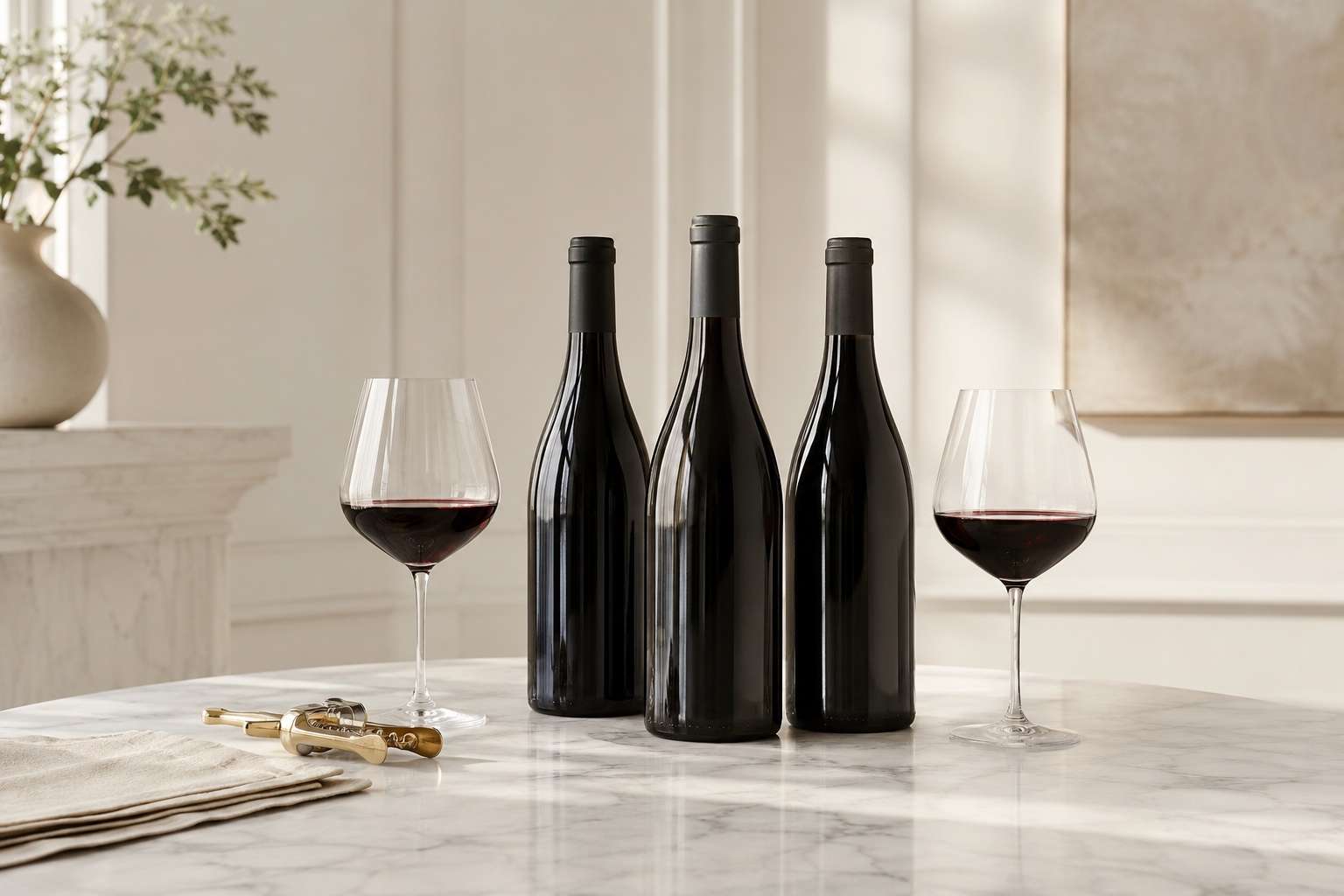
Wine bottles are sturdier than they look, but checked bags get thrown around. Bag it first: seal each bottle in a zip-top or plastic bag so any leak stays contained. Pad it: use a reusable padded wine sleeve, bubble wrap, or a thick sweater or towel. Center it: place bottles in the middle of the suitcase, surrounded by soft clothing on all sides, away from the edges and wheels. Lay bottles flat and alternate direction if you have several, so they do not knock together. A hard-sided suitcase offers far more protection than a soft duffel. For more than a few bottles, consider a dedicated wine suitcase or a foam shipper box, which holds bottles in individual slots and can be checked as luggage. Screw-capped bottles are slightly less likely to leak than corked ones under pressure changes.
Crossing borders adds another layer. Most countries set a duty-free allowance for alcohol, and anything above it must be declared and may be taxed. Returning to the United States, adults 21 and over can typically bring back one liter duty-free, with more allowed if you declare it and pay any duty, which is often modest. Your state may also have its own limits. Rules for other countries vary widely, so check the official customs website for your destination and home country before buying. Always declare wine when required; it is usually a quick process. Some countries restrict alcohol entirely. Keep receipts handy. If you are bringing back something special from a trip to Bordeaux or Tuscany, knowing the rules ahead of time prevents a disappointing surprise at the airport.
Driving is the easiest way to travel with wine, but heat is the danger. A closed car in the sun can reach temperatures well above 100°F, which can cook wine in hours, leaving it tasting stewed and pushing the cork out. Keep bottles in the air-conditioned cabin rather than the trunk, out of direct sunlight, ideally on the floor. On hot days, use an insulated cooler; a few ice packs keep wine cool without making it ice-cold. Never leave wine in a parked car on a warm day while you go to lunch or sightseeing. On a winery tour, bring the cooler along and load purchases right away. Our winery tasting etiquette guide has more tips for planning a wine country visit, and our page on how to store wine explains why temperature matters so much.
If you buy more than a few bottles, shipping is often easier and safer than flying. Many wineries ship directly to customers in states where it is legal, and they handle packing and paperwork. Shipping rules in the US are complex and vary by state; some states limit or prohibit direct shipments. Individuals generally cannot mail wine through the US Postal Service, and private carriers usually accept wine only from licensed shippers, so use a winery, a licensed wine shop, or a specialized wine shipping service rather than sending it yourself. Ship during mild weather if you can, since summer heat and winter freezes can damage wine in transit. Ask for foam or molded-pulp packaging, and arrange delivery when someone 21 or older will be home to sign. Joining a wine club at a favorite winery can also make future shipments simpler.
Once you are home, unpack wine promptly and check each bottle for leaks or pushed corks, which can signal heat exposure. Store bottles on their side in a cool, dark place. Many people let wine rest for a few days to a couple of weeks after a long trip before opening, especially older reds with sediment, which needs time to settle. Young, fresh wines are usually fine to open sooner. If a bottle tastes stewed, flat, or musty, our guide to how to tell if wine is bad helps you figure out what happened. Finally, keep a note of where you bought each wine and what you loved about it, so the bottle brings back the memory of the trip when you finally open it.
Review your airline's alcohol and weight policies, plus customs limits for international trips.
Place every bottle in a zip-top or plastic bag so any leak stays contained.
Wrap bottles in padded wine sleeves, bubble wrap, or thick clothing.
Lay bottles flat in the middle of a hard-sided suitcase, cushioned on every side.
Declare wine at customs if required, then unpack and store bottles on their side at home.
| Method | Rules and Risks | Best For |
|---|---|---|
| Carry-on bag | Only 3.4 oz liquids unless bought duty-free after security | Duty-free purchases |
| Checked suitcase | No TSA limit up to 24% ABV; airline weight limits apply | A few well-padded bottles |
| Foam shipper as luggage | Extra bag fees; very protective | Half a case or more |
| Car trip | Heat damage if left in a hot car or trunk | Wine country road trips |
| Shipping | Must use licensed shippers; state laws vary | Large purchases from wineries |
Pack wine in checked luggage unless you bought it duty-free after security.
Keep wine in the air-conditioned cabin and out of the sun on road trips.
Ask the winery to ship cases rather than risking breakage and bag fees.
Learn Your Taste
Answer a few simple questions and discover styles that fit your palate.
Take the Wine QuizNot a full bottle through US security, since carry-on liquids are limited to 3.4 ounces. Wine bought duty-free after the checkpoint can usually be carried on. Rules differ in other countries, so check before flying.
TSA sets no limit for wine at 24% alcohol or less in checked bags. Your airline may have its own rules, and the bag's weight limit usually becomes the real constraint, since each padded bottle weighs roughly three pounds.
It is unlikely. Cargo holds are pressurized and temperature controlled to some degree. Corks occasionally leak due to pressure changes, which is why sealing each bottle in a plastic bag is a smart precaution.
Adults 21 and over can typically bring one liter duty-free. You can bring more, but you must declare it and may pay a modest duty. State laws can add limits, so check before buying a large amount abroad.
In the US, individuals generally cannot ship wine through the Postal Service, and private carriers usually require a license. Use a winery, licensed retailer, or specialized wine shipper instead, and check your state's rules first.
Heat is the biggest risk, so protect wine from hot cars and summer shipping. Movement can stir up sediment in older wines, so many people let those bottles rest for a few days to a couple of weeks before opening.