Reds Often Have Less
Dry reds usually need fewer added sulfites than whites or sweet wines.

Understand Wine. Enjoy Every Glass.
Wine Basics
Contains Sulfites is printed on almost every bottle, and it worries a lot of people. Here is what sulfites actually do, who needs to avoid them, and which fears are myths.
Start Learning
Sulfites are compounds based on sulfur dioxide (SO2). They act as a preservative and antioxidant, protecting wine from oxygen and from spoilage bacteria and wild yeasts. Without them, many wines would turn brown, taste flat, or develop vinegar-like flavors within months. Some sulfites in wine are completely natural: yeast produces small amounts during fermentation, so no wine is truly sulfite-free. Winemakers have also added sulfur for centuries, once by burning sulfur candles inside barrels and today by adding measured doses at crush, during aging, and at bottling. Modern winemaking generally uses less than in the past because cleaner cellars and better equipment reduce spoilage risk. If you are curious where these additions happen, our overview of how wine is made walks through each stage.

In the United States, any wine with 10 parts per million (ppm) or more of sulfites must carry the words Contains Sulfites. That covers nearly every bottle sold, including most organic wines. The warning exists to protect the small group of people who are sulfite-sensitive; it is not a sign that the wine is unusually treated or low quality. European labels carry a similar statement. The legal maximum in the US is 350 ppm, and most wines contain well below that. The European Union sets separate, lower limits for reds and whites, with higher allowances for sweet wines. Because wines from Europe often lack the American-style warning on their original labels, people sometimes believe European wine has no sulfites. It does; the import label simply adds the statement. Read more in how to read a wine label.
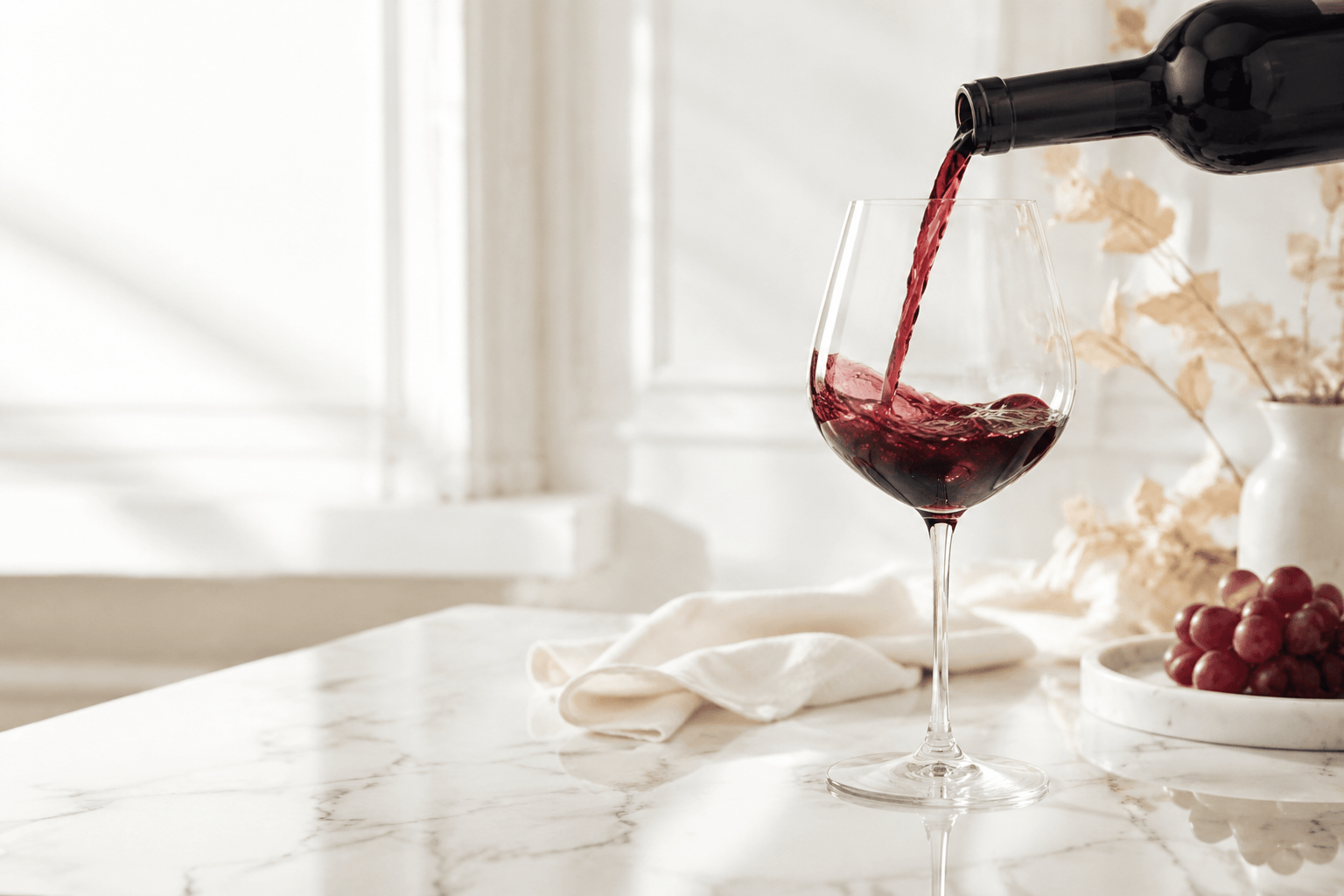
Levels vary by style. Red wines usually need less added sulfur than whites, because their tannins act as natural antioxidants. Dry white and rosé wines generally receive a bit more to keep them fresh and pale. Sweet wines tend to have the highest levels, since leftover sugar could otherwise restart fermentation in the bottle. Organic wines differ by label: in the US, wine bearing the USDA Organic seal cannot have added sulfites, while wine labeled made with organic grapes may contain limited added sulfites. Many natural wine producers add little or none, though those wines can be less stable and need cool storage. For context, many dried fruits contain several times more sulfites per serving than a glass of wine.
Probably not for most people. Sulfites are the most common suspect, but research has not shown them to be the main trigger of wine headaches. If sulfites were the problem, white wine, which often contains more, would cause more headaches than red, yet many people report the reverse. Researchers are looking at other factors, including alcohol itself, dehydration, histamine, and certain compounds found more in red wine. Drinking quickly or on an empty stomach also plays a part. A useful self-check: if dried apricots, packaged fruit juices, or some processed foods do not bother you, sulfites are unlikely to be your issue. Our page on wine headache causes covers the other possibilities in more detail.
A small percentage of people are sulfite-sensitive, and the condition is more common in people with asthma. Reactions can include wheezing, chest tightness, hives, or stomach upset, and in rare cases they can be serious. This is different from simply not liking how a wine makes you feel. If you suspect a sulfite sensitivity or allergy, talk to a doctor or allergist rather than guessing, and do not rely on sulfite-free labels alone, since every wine contains some naturally. People who are not sensitive have no known reason to avoid sulfites at the levels found in wine. If you want to explore wines made with minimal additions anyway, organic wine and biodynamic wine are good starting points.
Myth: European wine has no sulfites. False; labeling rules differ, but the sulfites are there. Myth: Red wine has more sulfites than white. Usually the reverse is true. Myth: Sulfite-free wine exists. Wine can be made with no added sulfites, but fermentation always creates some. Myth: Sulfites make cheap wine cheap. Quality wines use them too; they help fine wine age for decades. Myth: You can filter sulfites out at home. Some gadgets claim to, but evidence is limited, and they will not help with headaches caused by alcohol or histamine. The most practical advice is simple: if wine agrees with you, sulfites are not a concern, and if it does not, a doctor can help find the real cause.
Look for Contains Sulfites; it appears on nearly every bottle and is not a quality warning.
If dried fruit and packaged juices never bother you, sulfites are unlikely to be your problem.
Compare a dry red or a USDA Organic wine to see whether you notice any difference.
Consider how much and how fast you drank, food, and water before blaming sulfites.
If you have asthma or notice wheezing, hives, or other reactions, get advice from a doctor or allergist.
| Wine Style | Relative Sulfite Level | Why |
|---|---|---|
| Dry red wine | Lower | Tannins protect the wine from oxygen naturally |
| Dry white and rosé | Moderate | Extra protection keeps color pale and flavors fresh |
| Sweet and dessert wine | Higher | Prevents leftover sugar from refermenting |
| USDA Organic wine (US) | Very low | No sulfites may be added |
| Natural wine | Very low to low | Producers add little or none |
Dry reds usually need fewer added sulfites than whites or sweet wines.
USDA Organic means no added sulfites; made with organic grapes allows some.
Wines with little added sulfur spoil faster, so keep them cool and drink them young.
Learn Your Taste
Answer a few simple questions and discover styles that fit your palate.
Take the Wine QuizFor most people, no. Sulfites at the levels found in wine are considered safe. A small number of people, often those with asthma, are sensitive and can have reactions. Anyone who suspects a sensitivity should talk to a doctor.
Not completely. Yeast produces small amounts of sulfites during fermentation, so every wine contains some. Wines labeled no sulfites added skip the extra dose, which keeps levels very low but not at zero.
Usually not. Red wine's tannins protect it from oxygen, so winemakers typically add fewer sulfites to reds than to dry whites, rosés, and especially sweet wines.
They do contain sulfites. Labeling rules simply differ by country, and bottles sold in the US get the Contains Sulfites statement on their import or back label. The wine itself is not different.
Reported symptoms include wheezing, chest tightness, hives, flushing, and stomach upset. People with asthma are at higher risk. These symptoms can be serious, so anyone who experiences them should seek medical advice rather than self-diagnosing.
Some do. In the US, wines with the USDA Organic seal cannot have added sulfites, while wines labeled made with organic grapes may contain limited added sulfites. Organic rules in other countries differ, and all wine has some natural sulfites.