
Pace Yourself
Sipping slowly with food is one of the simplest ways to feel better.

Understand Wine. Enjoy Every Glass.
Wine Basics
Some people get a headache from a single glass of red, while others feel fine. The reasons are not fully understood, but several likely wine headache causes stand out.
Start Learning
There is no single explanation that fits everyone, but the most common wine headache causes fall into a few groups. Alcohol is the biggest. It widens blood vessels, acts as a diuretic that can leave you dehydrated, and is broken down into a compound called acetaldehyde, which can cause headaches and flushing in some people. Amount and speed matter too; two glasses sipped over dinner often feel very different from two glasses on an empty stomach in half an hour. Then there are other compounds in wine, especially red wine, that may affect sensitive people. Some headaches start within minutes or an hour of drinking, while others show up the next morning as part of a hangover. These are often different problems with different causes, which is why one fix does not work for everyone.
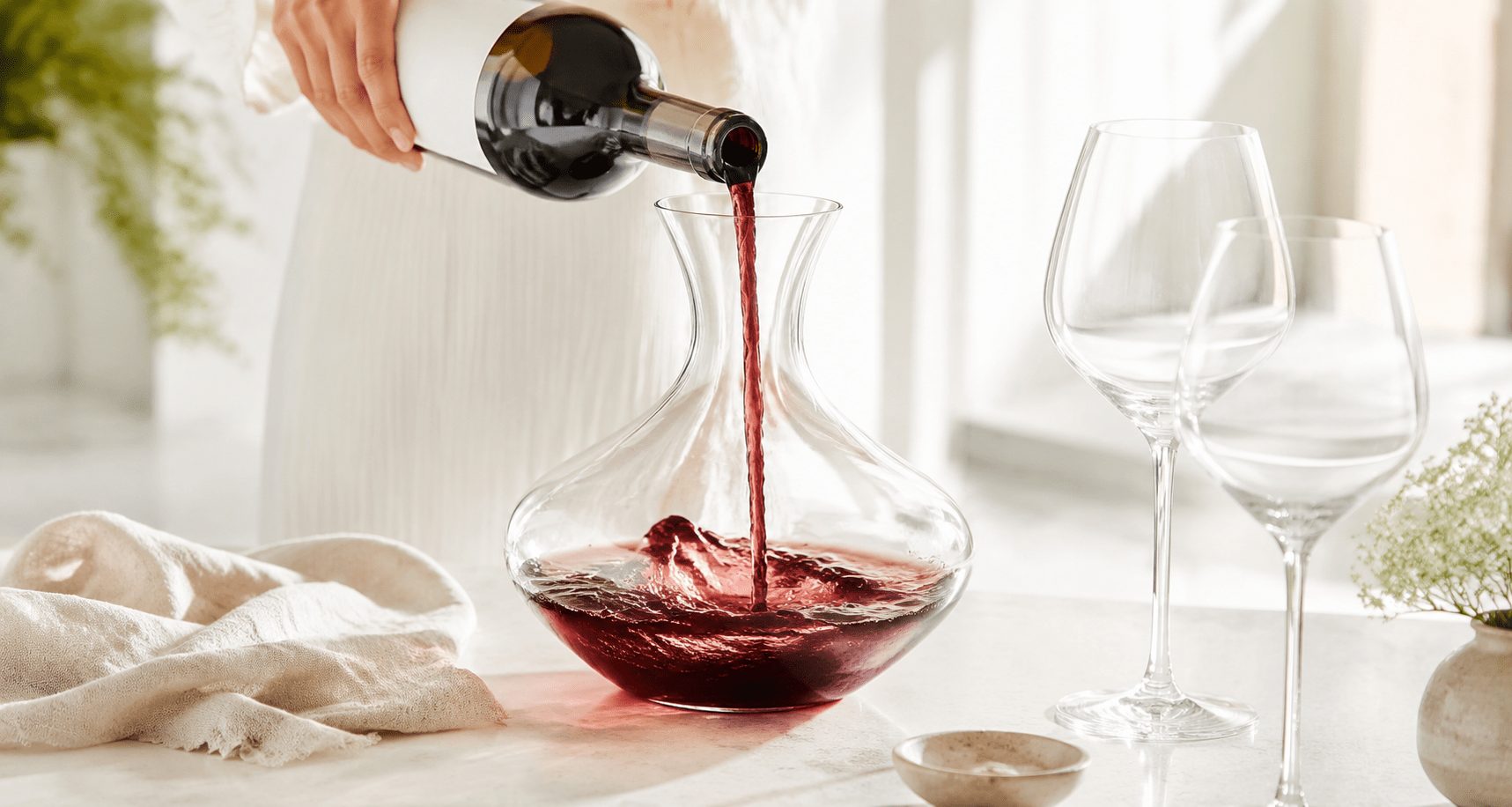
Many people say red wine bothers them more than white, and there are plausible reasons. Red wine is fermented with its skins, so it contains more tannins and other plant compounds called polyphenols. Reds also tend to contain more histamine, a compound involved in allergic-type reactions, and some people may be more sensitive to it. Researchers have also studied certain flavonoids found in grape skins, such as quercetin, and how they might interfere with the way the body processes alcohol; this work is still early. Red wine is also commonly listed as a trigger by people who get migraines. None of this is settled science, and many people drink red wine without problems. Reds also tend to be higher in alcohol content, which alone can explain part of the difference.
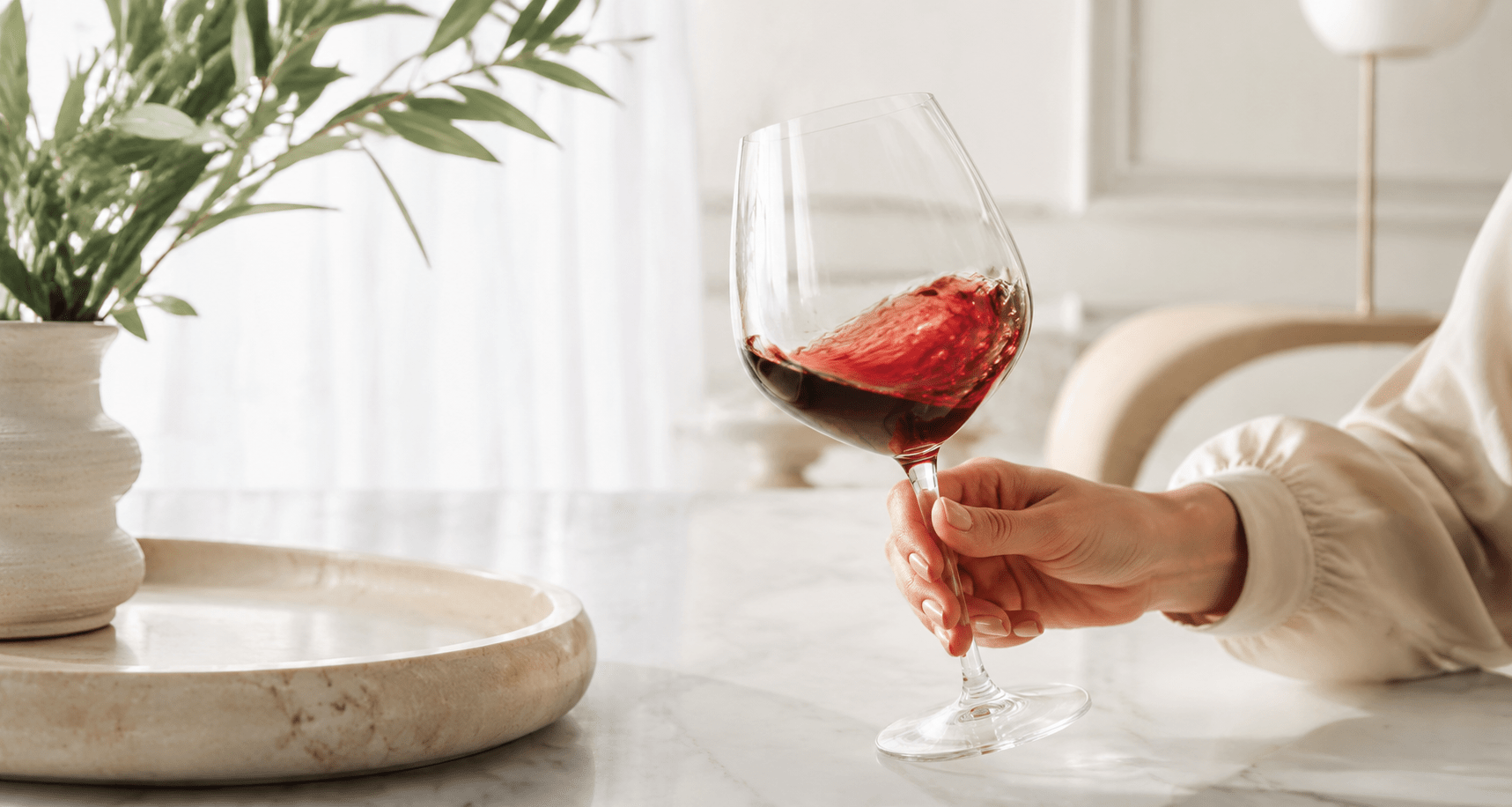
Probably not for most people, even though sulfites take most of the blame because of the Contains Sulfites label. Here is the problem with that theory: dry white wines often contain more sulfites than red wines, yet people more often report headaches from reds. Many common foods, such as dried fruit, also contain far more sulfites than a glass of wine. A small percentage of people are genuinely sulfite-sensitive, but their reactions tend to involve breathing problems or hives rather than headaches. If dried apricots never give you trouble, sulfites are unlikely to be the issue. Our page on sulfites in wine explains what they are, why they are used, and who should be careful with them.
These general habits help many people, though none is guaranteed. Drink water: alternate each glass of wine with a glass of water. Eat first: food slows how fast alcohol reaches your bloodstream. Slow down: sip rather than gulp, and set a limit before you start. Pour smaller servings; a measured 5-ounce glass is smaller than many people expect, as shown in our guide on how to pour wine. Choose lower-alcohol styles such as German Riesling, Vinho Verde, or other low-alcohol wines. Experiment carefully: if red wine bothers you, see whether white, rosé, or a lighter red like Gamay feels different. Keep a simple note of what you drank, how much, and what you ate. Patterns often appear after a few occasions and help you make better choices.
Expensive wine never causes headaches. Price does not change alcohol, histamine, or tannin in any predictable way. Organic or natural wine is headache-free. Some people feel better with these wines, but they still contain alcohol and naturally occurring compounds, so results vary. European wine has no additives, so it will not hurt. European wines contain sulfites too, and alcohol is alcohol. One type of wine is always safe. Individual sensitivity is the real variable, which is why your friend’s safe bottle may not work for you. Filters or drops fix everything. Some products claim to remove sulfites or histamines, but evidence is limited, and they do nothing about the alcohol itself. If you are curious about lower-intervention bottles, read about organic wine with realistic expectations.
Wine is for adults 21 and over, and alcohol affects everyone differently. Talk to a doctor if headaches after small amounts of wine are frequent or severe, if they come with other symptoms such as wheezing, hives, flushing, nausea, or vision changes, or if you get migraines and want to understand your triggers. A doctor can also explain how alcohol interacts with any medications you take. Do not rely on online advice or over-the-counter remedies without guidance. If wine consistently makes you feel unwell, it is completely reasonable to skip it. Today there are good alternatives, including non-alcoholic wine, which offers a similar ritual and flavor with little or no alcohol, and which many people enjoy with dinner.
Have a meal or substantial snack so alcohol is absorbed more slowly.
Pour about 5 ounces per glass so you know exactly how much you are drinking.
Drink a full glass of water between glasses of wine to stay hydrated.
If red wine bothers you, compare a white, rosé, or lower-alcohol wine on another occasion.
Note the wine, amount, food, and how you felt to spot personal triggers over time.
See a doctor if headaches are frequent, severe, or come with other symptoms.
| Possible Cause | What It Means | What You Can Try |
|---|---|---|
| Alcohol | Widens blood vessels and can dehydrate you | Smaller pours, lower-ABV wines, more water |
| Drinking quickly | Alcohol builds up faster in your system | Sip slowly and eat while you drink |
| Histamine | More common in red wine; some people react | Compare white or rosé with red |
| Tannins and flavonoids | Skin compounds found mostly in reds | Try lighter, lower-tannin reds like Gamay |
| Sulfites | Rarely a headache trigger for most people | Check if dried fruit bothers you too |
Sipping slowly with food is one of the simplest ways to feel better.
Choose wines under 12.5% ABV when you plan to drink over a long evening.
A quick record of what you drank helps you and your doctor spot patterns.
Learn Your Taste
Answer a few simple questions and discover styles that fit your palate.
Take the Wine QuizNo one knows for certain. Red wine contains more histamine, tannins, and certain flavonoids from grape skins, and it is often higher in alcohol. Researchers suspect one or more of these affects some people. Individual sensitivity varies widely.
Rarely, according to current evidence. White wines often contain more sulfites than reds, yet reds are blamed more for headaches. Sulfite sensitivity is real but usually causes breathing problems or hives, so it is worth discussing with a doctor.
Some people notice a headache within 30 minutes to a few hours, even after a small amount. Others only feel it the next morning as part of a hangover. These may have different causes, so noting the timing can help.
It can help. Alcohol is a diuretic, and dehydration contributes to many headaches. Alternating wine with water and eating food are sensible habits, but they do not prevent every headache, especially if another compound is the trigger.
Not reliably. Organic wine may have fewer added sulfites, but it contains the same alcohol and natural compounds, such as histamine and tannins, as conventional wine. Some people notice a difference and others do not.
There is no guaranteed choice. Many people find lower-alcohol whites, rosé, or light reds like Gamay easier than big, tannic reds. Drinking less, more slowly, and with food matters more than the specific wine.