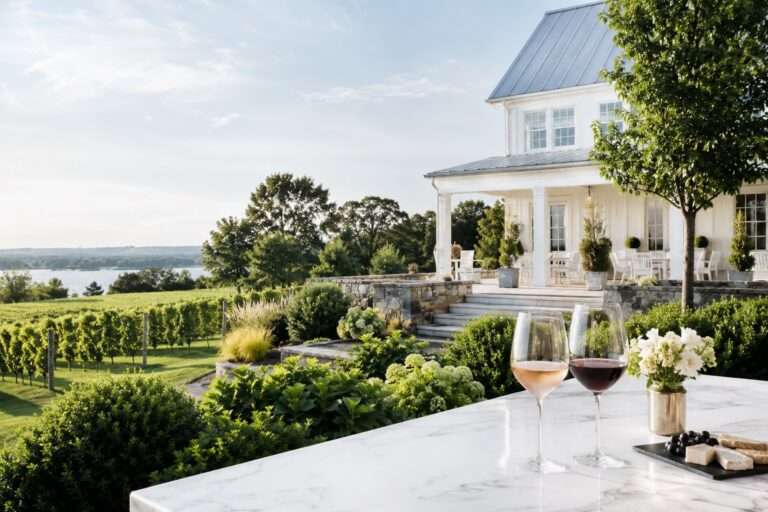
Check the Fruit Source
Look for Walla Walla Valley on the label if you want grapes grown in the valley itself.

Understand Wine. Enjoy Every Glass.
Wine Regions
A small farm town in southeast Washington has become one of America's most exciting red wine destinations. Here is what makes Walla Walla special and what to pour first.
Start Learning
The Walla Walla Valley sits in southeastern Washington State, and part of the AVA crosses the border into northeastern Oregon. It lies inside the much larger Columbia Valley region, east of the Cascade Mountains. Those mountains block Pacific rain, so this side of the state is dry and sunny, more like high desert than the misty Pacific Northwest people picture. Summers are hot by day and cool at night, which ripens grapes fully while keeping acidity bright. Winters are cold, and occasional hard freezes are the biggest risk for growers. Rain is scarce in the western, lower part of the valley, but rainfall increases closer to the Blue Mountains on the eastern edge, where some vineyards can grow without much irrigation. That mix of sun and freshness gives the wines their balance.

Walla Walla’s soils tell a dramatic story. At the end of the last ice age, enormous floods repeatedly swept across eastern Washington, leaving behind layers of silt and gravel. Over time, wind piled fine, silty soil called loess across the hills, sitting on top of ancient volcanic basalt. Loess drains well and gives wines with ripe fruit and smooth texture. The most famous exception is The Rocks District of Milton-Freewater, a small AVA on the Oregon side of the valley. Here the ground is covered with large, round river cobblestones from an old riverbed. The stones absorb heat during the day and radiate it back at night, helping grapes ripen. Wines from The Rocks, especially Syrah, often show unusual savory flavors: green olive, smoked meat, iodine, and earthy, mushroomy notes alongside dark fruit.

Cabernet Sauvignon is a leading grape, giving ripe blackcurrant, black cherry, and herbs with firm, polished tannins and fresher acidity than many California versions. Merlot helped put Washington on the map; here it is often fuller and more structured than people expect, with plum, cherry, and cocoa. Syrah is the region’s most distinctive grape, ranging from lush and blueberry-scented to the wild, savory style of The Rocks, closer in spirit to the northern Rhône Valley. Cabernet Franc and Malbec appear on their own and in blends. Bordeaux-style red blends are common and often excellent. Whites are a smaller share, but look for Sémillon, Chardonnay, and Viognier from local producers and nearby Columbia Valley vineyards.
Start with a Walla Walla Valley Cabernet Sauvignon or Bordeaux-style blend. It shows the region’s signature: ripe dark fruit with freshness and fine tannins. Next, open a Walla Walla Merlot and notice how it can be every bit as serious as Cabernet; our Cabernet Sauvignon vs Merlot guide explains the differences. Then try a Syrah from The Rocks District for something truly unique, with savory, earthy notes you rarely find in New World reds. Walla Walla wines are made mostly by small producers, so prices often start around $30 to $40, but quality is high. Many wineries in town also make wines from vineyards elsewhere in the Columbia Valley, so check the label for “Walla Walla Valley” if you want local fruit. For a cooler Pacific Northwest contrast, explore Oregon’s Willamette Valley Pinot Noir.
Walla Walla reds love the grill. Cabernet Sauvignon and Bordeaux-style blends pair with ribeye, prime rib, and braised short ribs, while Merlot suits roast pork, meatloaf, and mushroom dishes. Savory Syrah from The Rocks is brilliant with grilled lamb, smoked brisket, duck, and anything with black olives or herbs. The valley is famous for its sweet onions, which caramelize beautifully on burgers and alongside steaks, a perfect match for a juicy Merlot or Syrah. Local farms also supply asparagus, cherries, and artisan cheeses. Sémillon and Chardonnay suit roast chicken, trout, and creamy pasta. Serve reds at 60–65°F and give young Cabernet or Syrah 30 minutes of air to open up.
Walla Walla is a friendly, walkable town with dozens of tasting rooms downtown, making it easy to sample many wineries without driving. The airport district, on the edge of town, has clusters of small tasting rooms in converted buildings, and the countryside south of town, including the Oregon side, is home to estate wineries and The Rocks District. Many tasting rooms welcome walk-ins on weekdays, but reservations are wise on weekends and during special events. Spring and fall are the most pleasant seasons, with harvest usually from September into October; summer days can be very hot. The town is remote, so plan to fly into a nearby regional airport or enjoy a scenic drive. Try the sweet onions in season and plan a designated driver for rural stops.
| Grape or Style | Character | Try It With |
|---|---|---|
| Cabernet Sauvignon | Blackcurrant, herbs, polished firm tannins | Ribeye or prime rib |
| Merlot | Plum, cherry, cocoa, fuller than expected | Roast pork or mushroom dishes |
| Syrah (The Rocks District) | Dark fruit, olive, smoked meat, earthy | Grilled lamb or brisket |
| Bordeaux-style red blend | Layered dark fruit, cedar, balanced | Braised short ribs |
| Cabernet Franc | Red fruit, herbs, peppery spice | Herb-roasted chicken or pork |
| Sémillon or Chardonnay | Citrus, waxy texture, round | Roast chicken or trout |
Look for Walla Walla Valley on the label if you want grapes grown in the valley itself.
Try a Syrah from The Rocks District for savory olive and smoked-meat flavors.
Dozens of walkable downtown tasting rooms make Walla Walla easy to explore without driving.
Learn Your Taste
Answer a few simple questions and discover styles that fit your palate.
Take the Wine QuizBold yet balanced reds, especially Cabernet Sauvignon, Merlot, Syrah, and Bordeaux-style blends. Syrah from The Rocks District, on the Oregon side of the valley, is especially famous for its savory, earthy character.
Both. The town of Walla Walla is in Washington, but the Walla Walla Valley AVA crosses the state line into northeastern Oregon. The Rocks District of Milton-Freewater, a sub-AVA known for Syrah, lies entirely in Oregon.
The Rocks District of Milton-Freewater is a small AVA within the Walla Walla Valley, covered with large river cobblestones. The stones store and release heat, and the wines, especially Syrah, show distinctive savory notes of olive, smoked meat, and earth.
Moderately. Most wineries are small, so many bottles start around $30 to $40, with top wines costing more. For value, look for Columbia Valley wines from the same producers, which use grapes from across eastern Washington.
Spring and fall are best, with mild weather and active tasting rooms. Harvest usually runs from September into October. Summer days are often very hot, and winter is quiet and cold, though many downtown tasting rooms stay open.
Walla Walla is east of the Cascades, with a hot, dry climate suited to bold reds like Cabernet, Merlot, and Syrah. Oregon's Willamette Valley is west of the mountains, cooler and wetter, and focuses on elegant Pinot Noir and Pinot Gris.