Pour Carménère at 60–65°F
A slight chill to 60–65°F keeps Carménère's fruit bright and its spice crisp.

Understand Wine. Enjoy Every Glass.
Grape Varieties
Carménère is Chile's signature red: plush plum fruit with a savory streak of pepper and herbs. Here is how it tastes, where it comes from, and what to eat with it.
Start Learning
Carménère wine sits between fruity and savory. The fruit is ripe and soft: red plum, black cherry, raspberry, and blackberry. What makes it recognizable is the spice and green edge underneath — green peppercorn, roasted red or green bell pepper, paprika, tobacco leaf, and dried herbs, often with cocoa or coffee from oak. That green note comes from the same aroma compounds found in Cabernet Franc and young Cabernet Sauvignon. In a well-ripened bottle, it adds complexity. In an underripe one, it can taste like raw green pepper. On the palate, Carménère is medium- to full-bodied with smooth, rounded tannins and moderate acidity. The texture is plush, which makes it easy to enjoy young. If you like Merlot but want more spice and character, this is a natural next bottle.
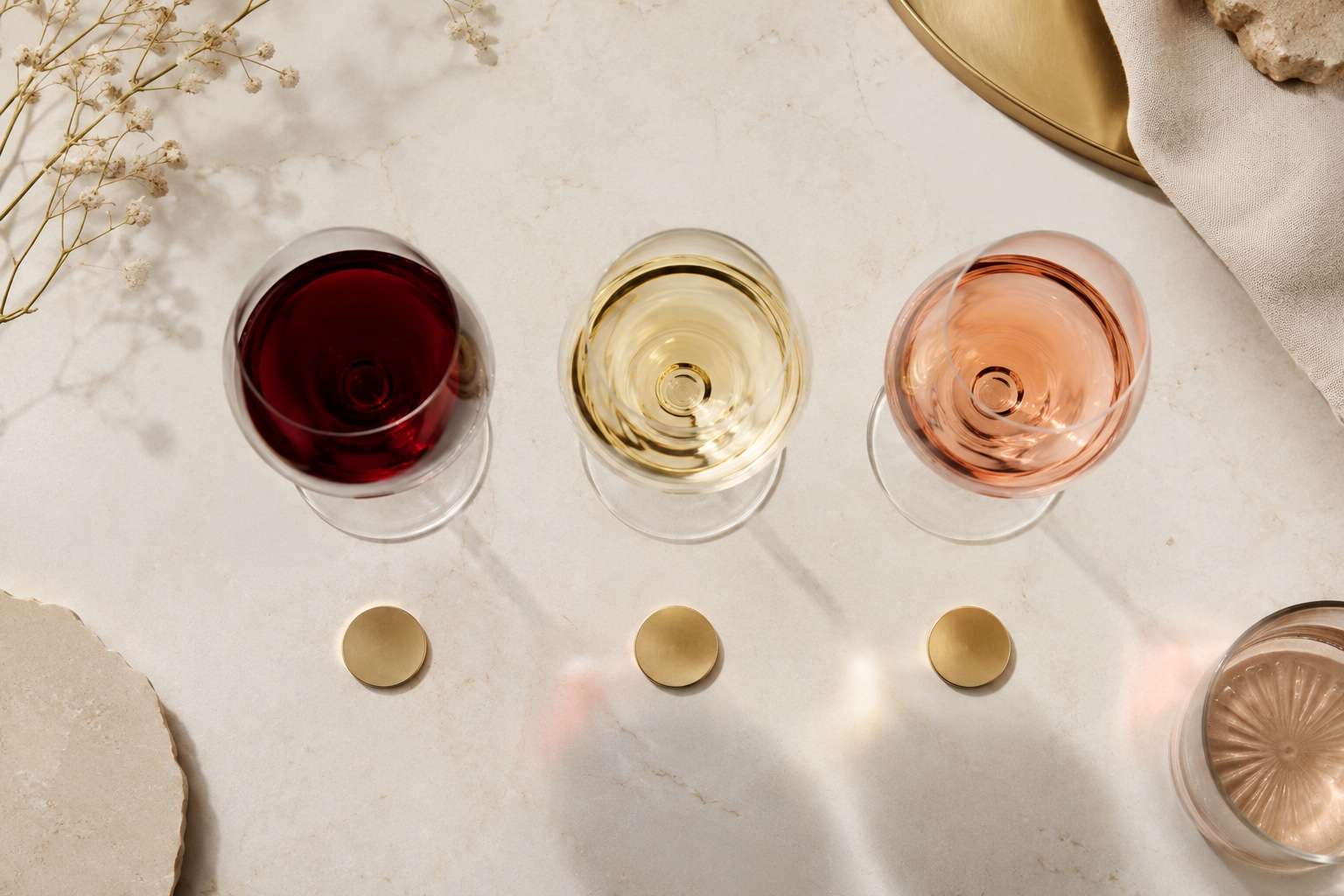
Carménère was once a Bordeaux grape. It was used in the region’s blends in the 1800s, then nearly vanished there after the phylloxera epidemic because it ripened unreliably in Bordeaux’s cool, damp climate. Cuttings had already traveled to Chile, where growers planted it alongside Merlot and assumed it was Merlot. For more than a century, the two were mixed in the same vineyards. In the 1990s, grape scientists identified the difference, and Chile embraced Carménère as its own. Today it is the country’s calling card. The best examples come from warm valleys in central Chile, such as Colchagua and Cachapoal, and from the Maipo Valley near Santiago. Small plantings exist in northeast Italy, China, and California, but Chile remains the reference point.
Carménère is a late-ripening grape. It buds early and harvests late, so it needs a long, sunny season. In warmer spots like Colchagua and the Peumo area of Cachapoal, it ripens fully and shows plush black fruit, chocolate, and gentle spice. In cooler sites or rushed vintages, the herbaceous, green-pepper side dominates. Winemaking matters too. Entry-level bottles are usually fruity and lightly oaked, built for easy drinking. Reserve and premium bottles often spend time in oak barrels, adding vanilla, toast, and mocha, and they can age for five to ten years. Chile also makes many Carménère blends with Cabernet Sauvignon or Syrah, which add structure. For a taste of how it once worked in Bordeaux, try a Chilean Bordeaux-style blend that lists Carménère on the back label.
Serve Carménère at 60–65°F. Too warm, and the alcohol and oak can feel heavy; slightly cool, and the fruit tastes fresher and the spice sharper. A standard red wine glass with a generous bowl works well. Young, fruity Carménère under $15 rarely needs decanting — just open and pour. Fuller reserve bottles with heavier oak benefit from 30 minutes of air, either in a decanter or simply opened ahead of dinner. An opened bottle keeps well for two to three days if you recork it and store it in the refrigerator; let it warm for 20 minutes before pouring again. If you are hosting a crowd, Carménère is a smart choice because its soft tannins please people who usually find red wine too drying.
Carménère wine loves food with smoke, spice, and herbs. Grilled steak, lamb chops, and pork shoulder are classic partners, and it is excellent with barbecue that uses a dry rub with paprika and cumin. Its green-pepper notes make it a great match for dishes that include peppers: fajitas, stuffed peppers, or chili. It handles mild heat and earthy spice well, so try it with Mexican food like carne asada tacos or chicken in mole sauce. Chilean favorites such as beef empanadas and pastel de choclo are natural matches. For vegetarian meals, pick black bean burgers, roasted eggplant, or lentils with smoked paprika. Avoid very spicy food, which makes the alcohol feel hot, and delicate white fish.
For a reliable bottle, look for Chilean Carménère labeled Reserva or Gran Reserva from Colchagua, Cachapoal, or Maipo. Chile’s label terms are loosely regulated, so price and region are often better clues to quality than these words. Many good examples cost under $20, making Carménère a regular on lists of great reds under $20. When you are ready to branch out, try Cabernet Franc, which shares the herbal, peppery note with more red fruit and brighter acidity. Malbec from Argentina offers similarly soft tannins with more violet and blackberry. Cabernet Sauvignon gives you firmer structure and a longer finish.
| Region or Style | Style | What to Expect |
|---|---|---|
| Colchagua Valley, Chile | Ripe varietal Carménère | Plush plum, chocolate, gentle spice |
| Cachapoal Valley, Chile | Full, sun-ripened reds | Dark fruit, paprika, smooth tannins |
| Maipo Valley, Chile | Structured Carménère and blends | Black fruit, herbs, more grip |
| Entry-level Chilean bottles | Lightly oaked, fruity | Easy drinking, soft, a hint of pepper |
| Reserve and premium bottles | Barrel-aged | Vanilla, mocha, tobacco; ages 5–10 years |
| Northeast Italy | Small, cooler-climate plantings | Leaner, more herbal and peppery |
A slight chill to 60–65°F keeps Carménère's fruit bright and its spice crisp.
Roasted peppers, paprika, and cumin echo the grape's savory side beautifully.
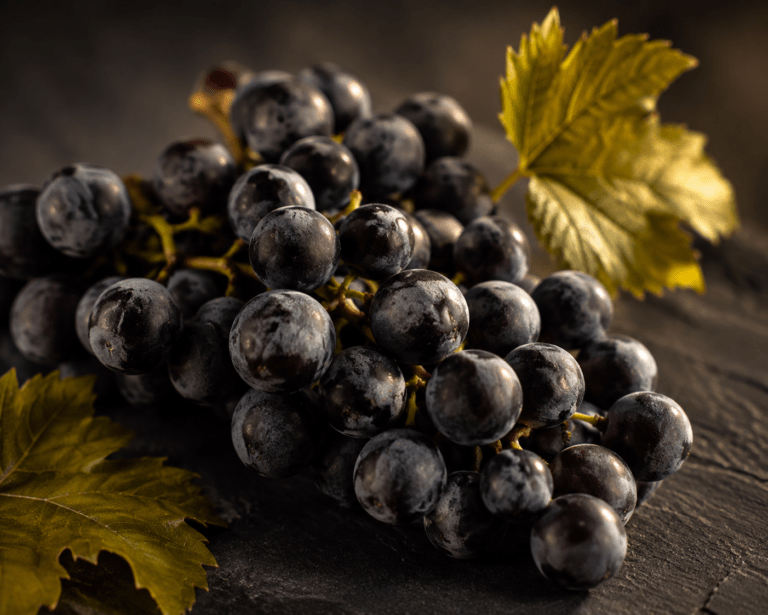
Warm valleys like Colchagua and Cachapoal deliver riper, less green Carménère.
Learn Your Taste
Answer a few simple questions and discover styles that fit your palate.
Take the Wine QuizYes, somewhat. Both are soft, plummy, and easy to drink, which is why Chilean growers confused them for over a century. Carménère adds a spicy, peppery, herbal edge that Merlot usually lacks, and its color is often darker.
Carménère is a dry red wine. Its ripe plum and cherry fruit and soft tannins can give an impression of sweetness, but the sugar is fermented out. Oak-aged versions add vanilla and mocha notes that also read as sweet.
That note comes from natural aroma compounds called pyrazines, shared with Cabernet Franc. They are strongest when grapes are picked before full ripeness. A little adds complexity; a lot means the wine came from a cool site or an early harvest.
Chile makes the benchmark Carménère, especially the warm Colchagua and Cachapoal valleys within the larger Rapel Valley, plus Maipo. Small amounts come from northeast Italy and China, but Chile is where you will find the widest choice and best value.
Yes. Its medium-plus body and smooth tannins suit grilled flank, skirt, and sirloin steaks, especially with chimichurri or a spice rub. For a very fatty ribeye, a Carménère blended with Cabernet Sauvignon gives a little more grip.
Lightly, yes. Serve it at 60–65°F, which is a little cooler than most rooms. Fifteen minutes in the refrigerator before dinner helps if the bottle has been sitting somewhere warm.