Look for Traditional Method
Cava, Crémant, and Franciacorta use Champagne's method and often cost far less.

Understand Wine. Enjoy Every Glass.
Wine Comparisons
Every Champagne is a sparkling wine, but most sparkling wine is not Champagne. Understanding Champagne vs sparkling wine helps you buy great bubbles at every budget.
Start Learning
Sparkling wine is simply wine with dissolved carbon dioxide, which forms bubbles when you open the bottle. It can be made almost anywhere, from almost any grape, in several ways. Champagne is one specific kind. To carry the name, it must come from the Champagne region of northeast France, use approved grapes (mainly Chardonnay, Pinot Noir, and Pinot Meunier), and follow strict rules, including a second fermentation in the bottle and long aging on the yeast. The European Union and many other countries protect the name, much like Parmigiano-Reggiano for cheese. So the key difference is not quality or taste alone. It is a legal, geographic identity tied to a specific method and place.
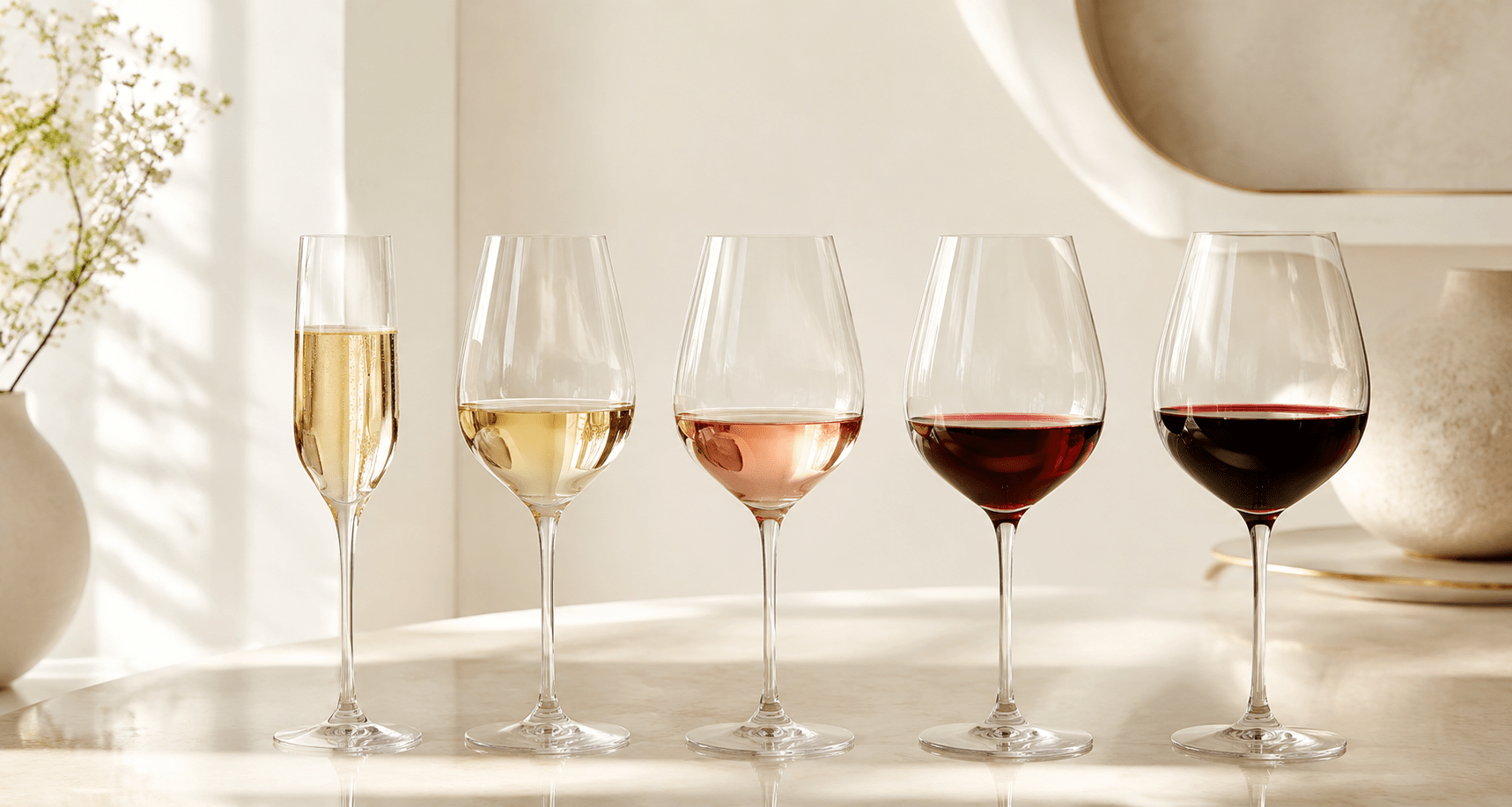
Three main methods create bubbles, and each gives a different taste. The traditional method, used for Champagne, Cava, Crémant, and Franciacorta, starts a second fermentation inside each bottle. The wine then rests on its spent yeast, which adds brioche, toast, and nutty notes, plus fine, lasting bubbles. The tank method (Charmat), used for Prosecco and most Asti, runs the second fermentation in big steel tanks, keeping flavors fresh and fruity with softer bubbles. A simpler ancestral method bottles wine before the first fermentation finishes, creating pét-nat, a cloudy, rustic, often lightly fizzy style. The cheapest bubbly can also be carbonated directly, like soda, which gives big, short-lived bubbles. To learn more about the basics, see how wine is made.
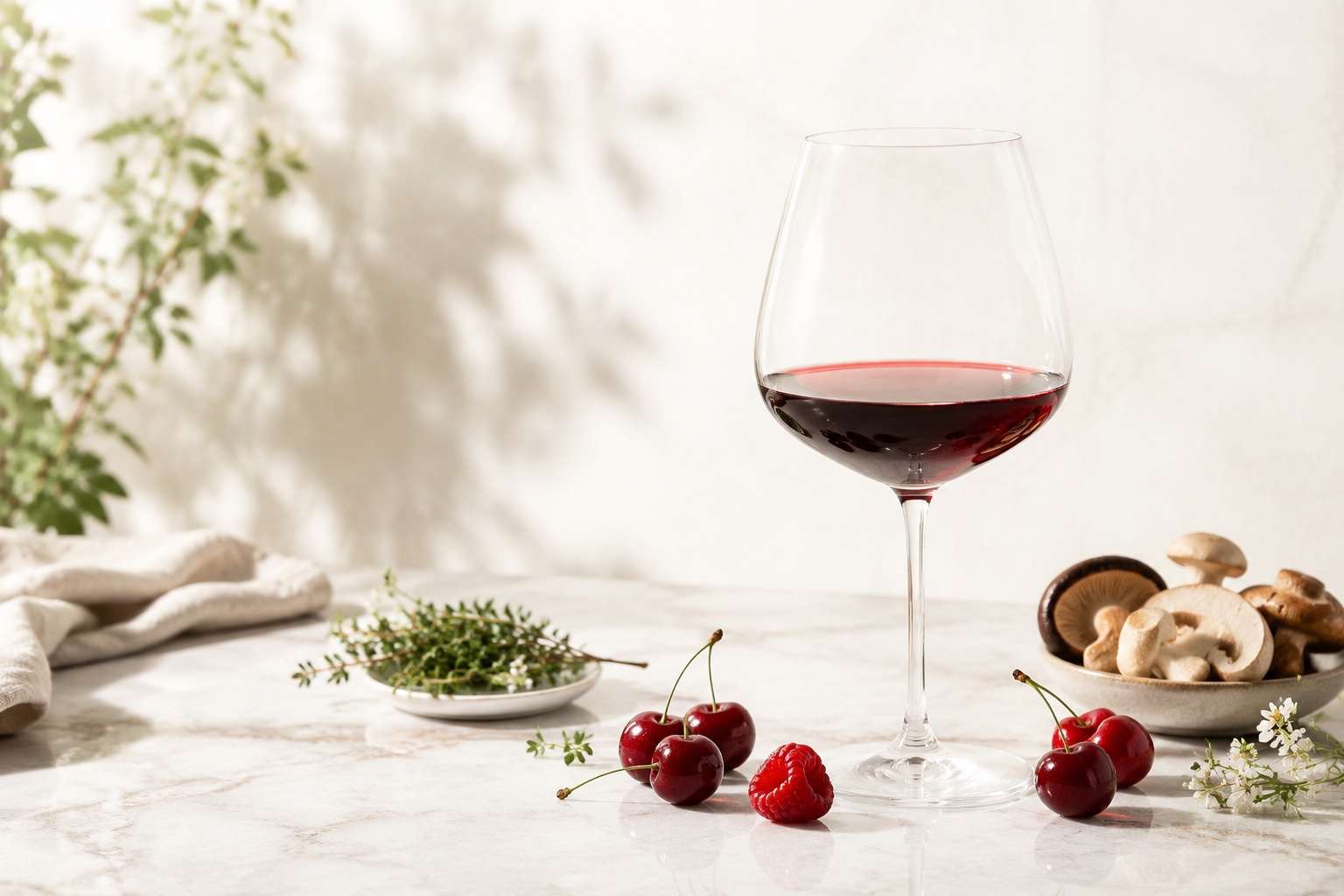
The world of bubbles is huge. Prosecco from northeast Italy is light, fruity, and floral, made from Glera. Cava from Spain uses the traditional method with local grapes like Macabeo and Xarel·lo, giving a crisp, citrusy, slightly earthy wine at a friendly price. Crémant is French traditional-method sparkling wine from outside Champagne, such as Crémant d’Alsace, de Loire, and de Bourgogne. Italy’s Franciacorta is a serious, Champagne-like wine from Lombardy. Germany and Austria make Sekt, and Piedmont makes sweet, low-alcohol Moscato d’Asti. Southern England, California, Oregon, and Tasmania now produce excellent traditional-method wines, too, often from the same three Champagne grapes.
Usually, yes. Champagne’s cold climate and chalky soils give very high acidity and a lean, mineral backbone. Long aging on the lees, at least 15 months for non-vintage and three years for vintage bottles, adds toasty, bready, and nutty layers. The bubbles feel fine and creamy. Other traditional-method wines can come close: good Crémant and Franciacorta often share that brioche note, while Cava tends to taste more citrusy and earthy. Tank-method wines like Prosecco taste different by design: fresher, fruitier, floral, and softer, with less yeasty complexity. Sweetness labels apply across most sparkling wines: Brut Nature and Extra Brut are the driest, Brut is dry, and Extra Dry, Dry, and Demi-Sec are progressively sweeter.
Champagne is a splurge. Production costs are high and the region is limited, so even basic non-vintage bottles cost far more than most other sparkling wines. Cava, Prosecco, and many Crémants are often under $20 and deliver great value. All sparkling wines love salty, fried, and creamy foods because their acidity and bubbles cleanse the palate. Try them with oysters, fried chicken, popcorn, sushi, and soft cheeses. Toasty Champagne and Franciacorta handle richer dishes like lobster or mushroom risotto. Fruity Prosecco is best with light appetizers and brunch. Serve all bubbly at 43–48°F, in a tulip or white wine glass. Chill bottles for at least three hours in the fridge, or use our quick chilling tricks.
Buy Champagne for a milestone, a meaningful gift, or a dinner where the wine will be the star. Choose Cava or Crémant when you want that same crisp, toasty, traditional-method style for a party or weeknight. Pick Prosecco for mimosas, spritzes, and big gatherings where fresh fruit and low cost matter most. One label tip: a few older American wines still print the word champagne under a long-standing legal exception, but that does not mean they come from France. For deeper matchups, read Champagne vs Prosecco and Cava vs Champagne, or plan a toast with our New Year’s Eve wines.
| Attribute | Champagne | Sparkling Wine (general) |
|---|---|---|
| Where it is made | Only the Champagne region, France | Anywhere in the world |
| Grapes | Chardonnay, Pinot Noir, Pinot Meunier (mainly) | Any grape: Glera, Macabeo, Riesling, and more |
| Method | Traditional, second fermentation in bottle | Traditional, tank, ancestral, or carbonation |
| Minimum aging | 15 months non-vintage, 3 years vintage | Varies; Prosecco is often bottled within months |
| Typical flavor | Citrus, apple, brioche, toast | From fruity and floral to toasty and earthy |
| Typical price | A splurge | Often under $20 |
Cava, Crémant, and Franciacorta use Champagne's method and often cost far less.
Brut is dry; Extra Dry is slightly sweet. Demi-Sec is sweet enough for dessert.
A tulip or white wine glass shows Champagne's toasty aromas better than a skinny flute.
Learn Your Taste
Answer a few simple questions and discover styles that fit your palate.
Take the Wine QuizNot on new labels. US rules now reserve the name for wine from France's Champagne region, though a few older American brands were allowed to keep using it with a US place name attached. Most quality American sparkling wine simply says traditional method or méthode champenoise instead.
Not automatically. Champagne is consistently high quality and complex, but a good Crémant, Franciacorta, or English sparkling wine can rival it. Fruity Prosecco is simply a different style, not a worse one.
French Crémant, which uses the same traditional method and often the same grapes, from regions like Burgundy and the Loire. Franciacorta from Italy and traditional-method wines from England and California are also very close in style.
The name is a protected designation of origin. Producers in Champagne fought for decades to keep it tied to their region, and trade agreements in the EU and many other countries enforce it.
Prosecco is a sparkling wine, not Champagne. It comes from northeast Italy, is made mainly from Glera, and gets its bubbles in large tanks rather than in individual bottles.
Usually one to three days in the fridge with a proper sparkling wine stopper. Traditional-method wines like Champagne and Cava tend to hold their bubbles longer than tank-method Prosecco.