Chill Pinot Slightly
Twenty minutes in the fridge brings Pinot Noir to 55–60°F.

Understand Wine. Enjoy Every Glass.
Wine Comparisons
Pinot Noir and Merlot are the two reds people reach for when they want something smooth. Pinot Noir vs Merlot still comes down to weight, fruit, and acidity.
Start Learning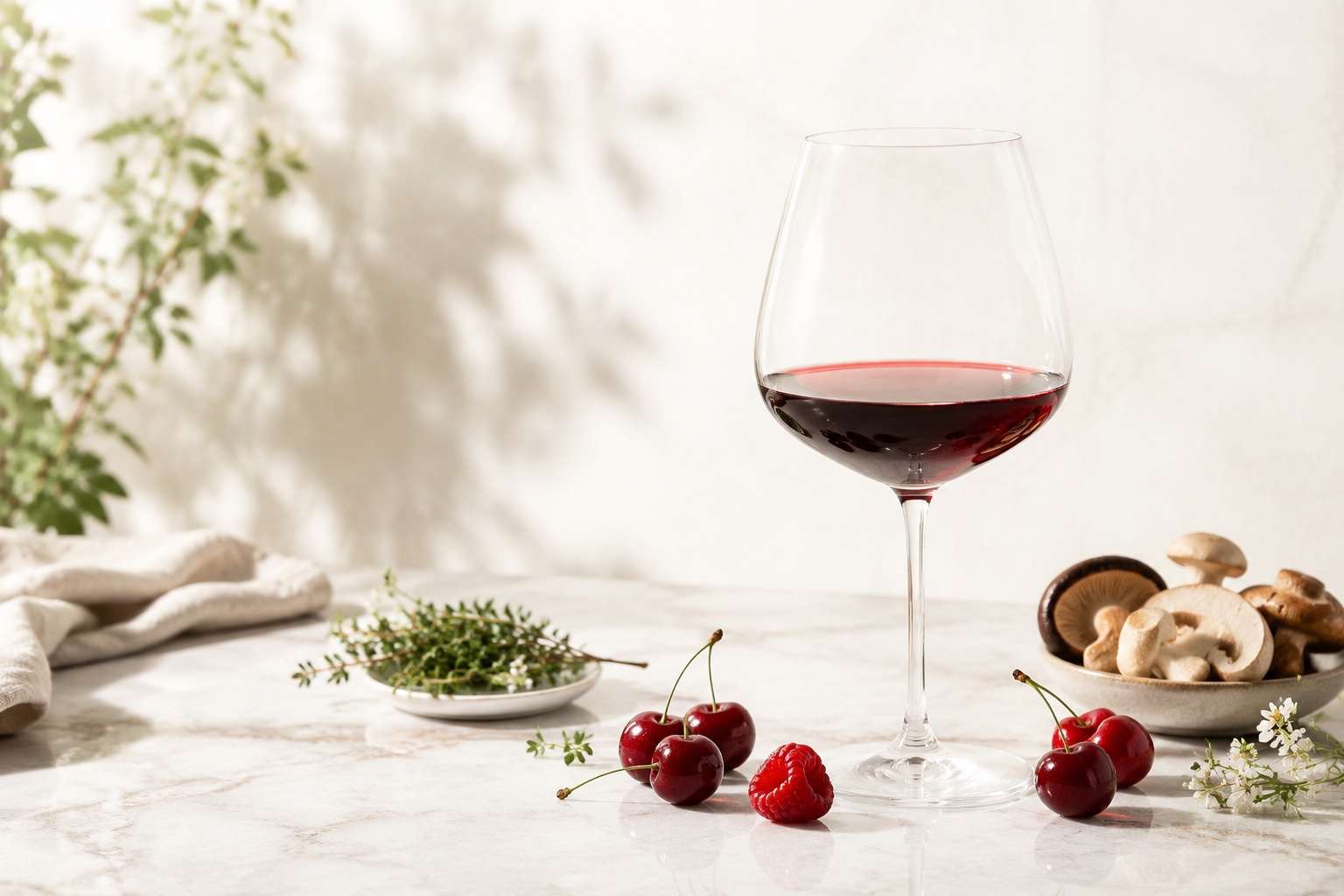
Both grapes make reds known for soft, approachable tannins, which is why they often get grouped together. The big split is weight and color. Pinot Noir has very thin skins, so its wine is pale ruby and light to medium-bodied, with high acidity that makes it taste bright and juicy. It thrives in cool climates. Merlot has thicker skins and larger berries, so its wine is deeper in color and fuller, with a rounder, plusher texture and medium acidity. It grows well in moderate to warm climates. In simple terms, Pinot Noir is delicate and lively, and Merlot is mellow and generous. Neither will overwhelm you with tannin.
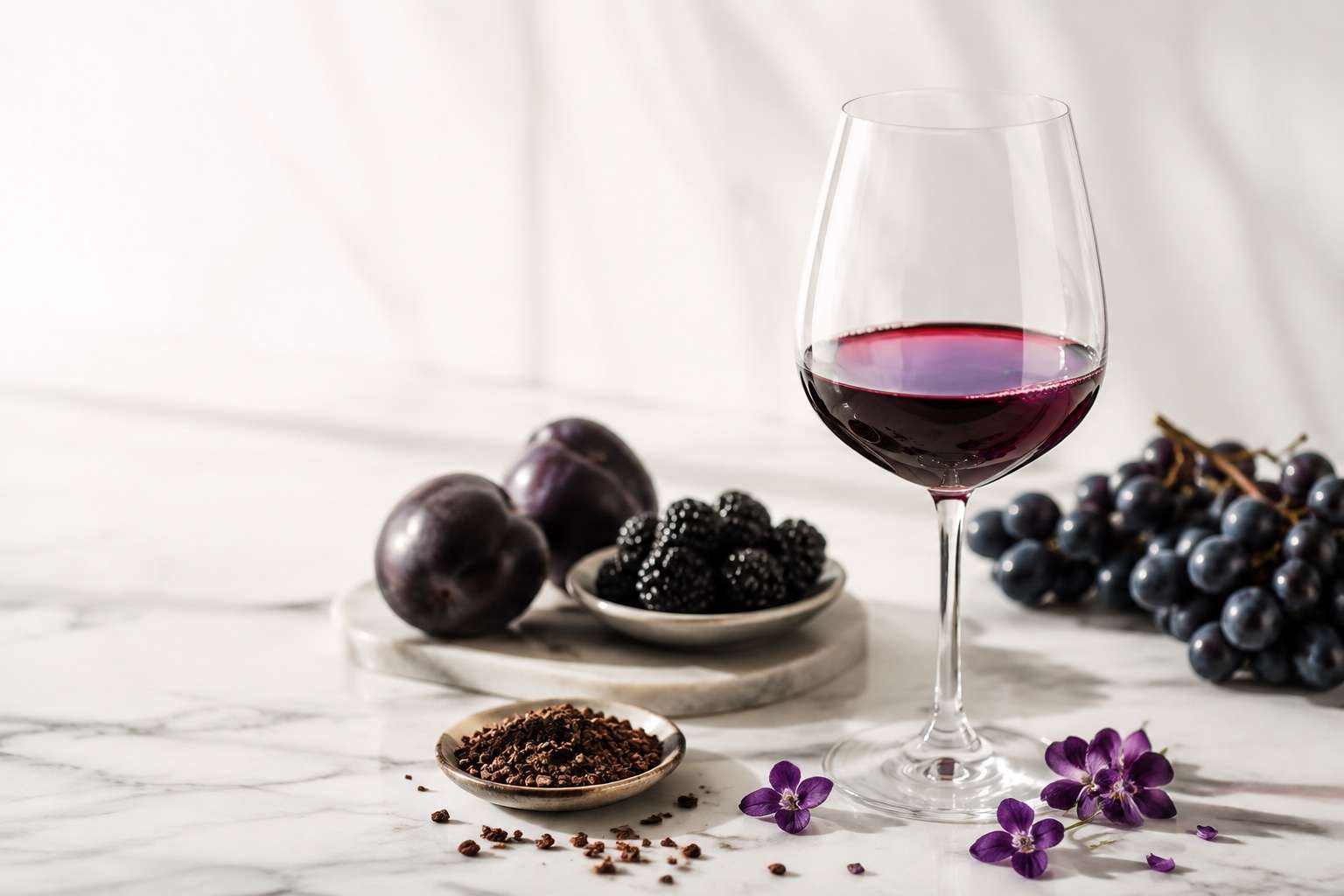
Pinot Noir tastes of red fruit: tart cherry, raspberry, strawberry, and cranberry. Beyond fruit, it is famous for earthy and savory notes like mushroom, damp leaves, rose petal, clove, and sometimes a hint of cola in riper styles. Its finish feels fresh and slightly tangy. Merlot tastes of darker fruit: ripe plum, black cherry, and blackberry, with milk chocolate, mocha, and vanilla from oak. Cooler-climate Merlot adds herbal notes like bay leaf, while warm-climate versions feel lush and jammy. Its finish is soft and rounded. Alcohol is usually 12.5–14% for Pinot Noir and 13.5–14.5% for Merlot. Both are almost always dry, though Merlot’s plush fruit can come across as a touch sweeter.
Pinot Noir’s classic home is Burgundy, where it makes perfumed, earthy reds. Oregon’s Willamette Valley, California’s Russian River Valley and Santa Barbara County, New Zealand’s Central Otago, and Germany all make excellent Pinot. It is also a key grape in Champagne. Merlot’s home is Bordeaux, especially the Right Bank villages of Saint-Émilion and Pomerol, where it leads the blend. Elsewhere, Washington State makes ripe yet balanced Merlot, Chile offers juicy value, and northern Italy and Tuscany use it on its own or in blends. In California, Napa and Sonoma produce rich, polished examples. Cool-climate sites suit Pinot; slightly warmer ones suit Merlot.
Pinot Noir is the red wine for lighter dishes. Its low tannin and high acidity flatter salmon, tuna, roast chicken, duck, turkey, pork tenderloin, and vegetarian dishes with mushrooms, lentils, or beets. It is a classic at holiday tables, especially with turkey and cranberry sauce. Merlot handles slightly heartier fare. Try it with pork chops, roast beef, meatloaf, burgers, sausages, and tomato-based pasta like spaghetti and meatballs or lasagna. Its soft structure also works with mild cheeses like Gouda and Havarti. Neither grape loves very spicy food, but Pinot Noir’s fruit holds up a little better to light spice, such as in Chinese barbecue pork.
Serve Pinot Noir at 55–60°F in a wide Burgundy glass to concentrate its delicate aromas. Merlot is happiest at 60–65°F in a standard red wine glass. Neither usually needs decanting, though a young, oaky Merlot can benefit from 20 minutes of air. On price, Merlot is the easier bargain. It grows reliably in many places, so good bottles from Chile, Washington, and southern France often cost under $15 to $20. Pinot Noir is harder to grow, so decent bottles tend to start a little higher, though California, Chile, and German Spätburgunder offer some value. At the top end, both reach high prices: Grand Cru Burgundy and famous Pomerol are luxury wines.
Choose Pinot Noir if you want a lighter, fresher red, are serving fish, poultry, or a holiday meal, or are a white wine drinker exploring reds. Choose Merlot if you like rounder, fuller reds with chocolatey plum fruit, are serving red meat or hearty pasta, or want a crowd-pleasing bottle at a friendly price. Can’t decide? Pour both at a home tasting and notice how Pinot Noir feels brighter while Merlot feels plusher. Then explore Pinot Noir vs Cabernet Sauvignon and Malbec vs Merlot to see where each fits on the spectrum.
| Attribute | Pinot Noir | Merlot |
|---|---|---|
| Body | Light to medium | Medium to full |
| Acidity | High, bright | Medium |
| Tannin | Low, silky | Medium, soft |
| Main flavors | Cherry, raspberry, mushroom, rose | Plum, black cherry, chocolate |
| Classic regions | Burgundy, Oregon, Central Otago | Bordeaux Right Bank, Washington, Chile |
| Best food | Salmon, duck, turkey | Pork chops, burgers, lasagna |
| Serving temp | 55–60°F | 60–65°F |
Twenty minutes in the fridge brings Pinot Noir to 55–60°F.
For a smooth red under $20, Chilean or Washington Merlot rarely disappoints.
If anyone wants red with salmon or tuna, pour Pinot Noir, not Merlot.
Learn Your Taste
Answer a few simple questions and discover styles that fit your palate.
Take the Wine QuizBoth are smooth. Merlot feels rounder and plusher, while Pinot Noir feels silky and light. If you dislike tart flavors, Merlot may seem smoother; if you dislike heavy wines, Pinot Noir will.
Yes. Pinot Noir is light to medium-bodied and pale in color, while Merlot is medium to full-bodied and deeper. Pinot Noir also has higher acidity, which makes it taste fresher.
Both are dry wines. Merlot often seems a little sweeter because of its ripe plum and chocolate flavors and softer acidity. Pinot Noir's tart red fruit and earthy notes make it taste drier.
Pinot Noir is the classic choice. Its bright acidity and cranberry-like fruit suit turkey's lean meat and tangy sides. A soft Merlot also works, especially if dark meat and gravy dominate the plate.
It depends more on quality than grape. Top red Burgundy and fine Right Bank Bordeaux, such as Pomerol, can both improve for a decade or more. Most everyday Pinot Noir and Merlot, though, are made to drink within three to five years of the vintage.
Both are great starting reds. Merlot is fruit-forward and plush, which suits sweet-leaning palates. Pinot Noir is lighter and fresher, which suits people coming from white wine.