Avoid the Fridge Top
It is warm, bright, and vibrates, which is a bad combination for wine.

Understand Wine. Enjoy Every Glass.
Wine Basics
You do not need a cellar to keep wine in great shape. A cool, dark closet and a few simple rules protect most bottles for months or years.
Start Learning
Knowing how to store wine comes down to four enemies: heat, light, temperature swings, and air. Heat speeds up aging and can “cook” a wine, giving it flat, stewed flavors; the classic target is around 55°F, though anywhere from about 45°F to 65°F is fine if it stays steady. Light, especially sunlight and fluorescent bulbs, can damage wine, which is one reason many bottles are tinted green or brown. Swings in temperature make the wine expand and contract, which can push the cork and let oxygen in. Air is the slow enemy: too much oxygen turns wine stale and nutty. Follow these rules and most bottles will hold their quality for years. Break them, and even a great bottle can fade in a single hot summer.
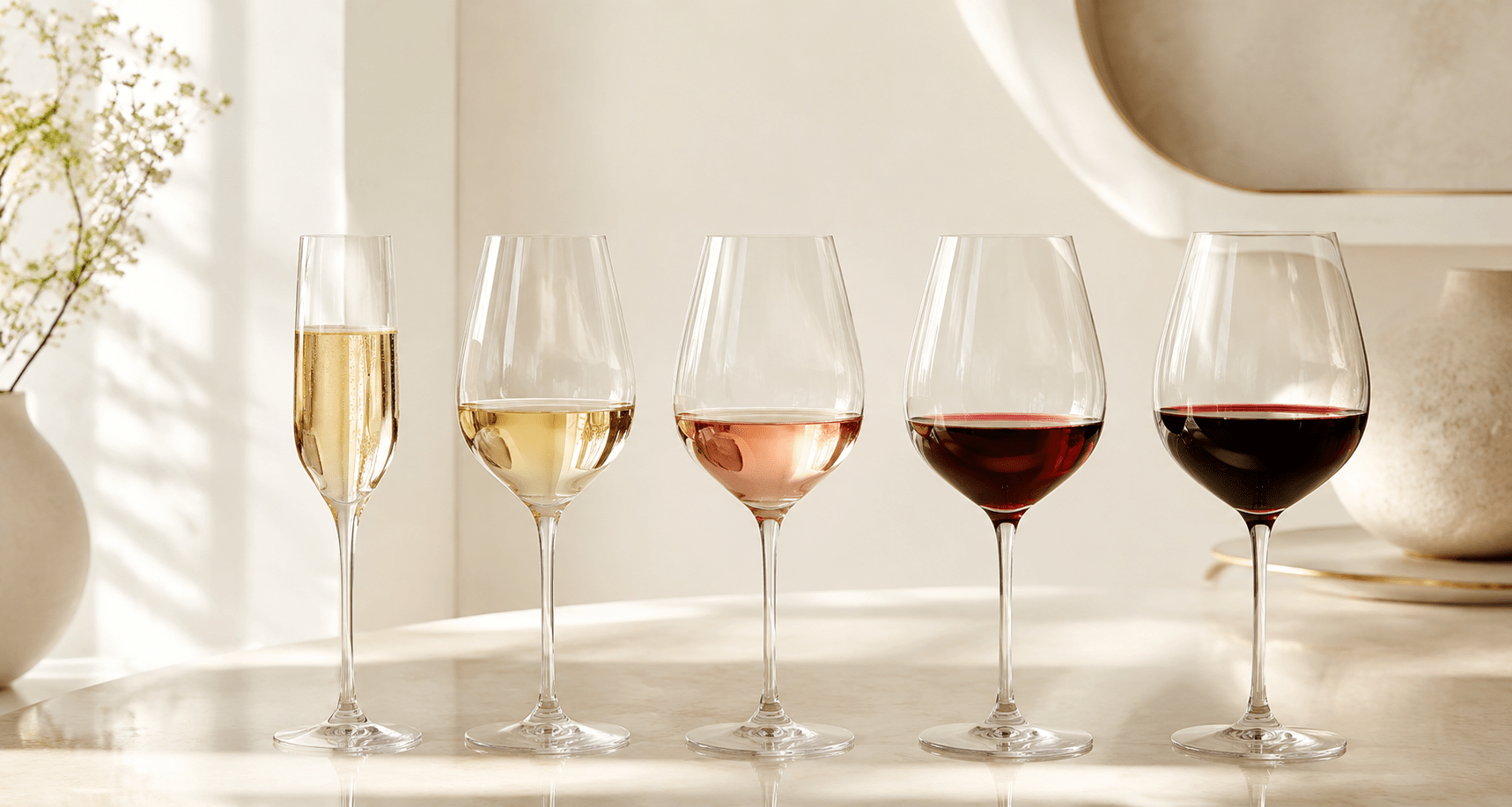
Think cool, dark, and quiet. A basement is ideal if it stays cool year-round. Without one, an interior closet on the lowest floor, away from exterior walls, works well, as does the space under a staircase or the back of a bedroom closet. Avoid the kitchen, where the stove and dishwasher create heat; the top of the refrigerator, which is warm and vibrates; garages and attics, which swing wildly with the seasons; and anywhere in direct sunlight. A simple rack keeps bottles organized and safe. If you plan to keep more than a couple dozen bottles, or live somewhere hot, a dedicated wine fridge is a smart investment. Collectors who want to go further can read wine cellar basics.
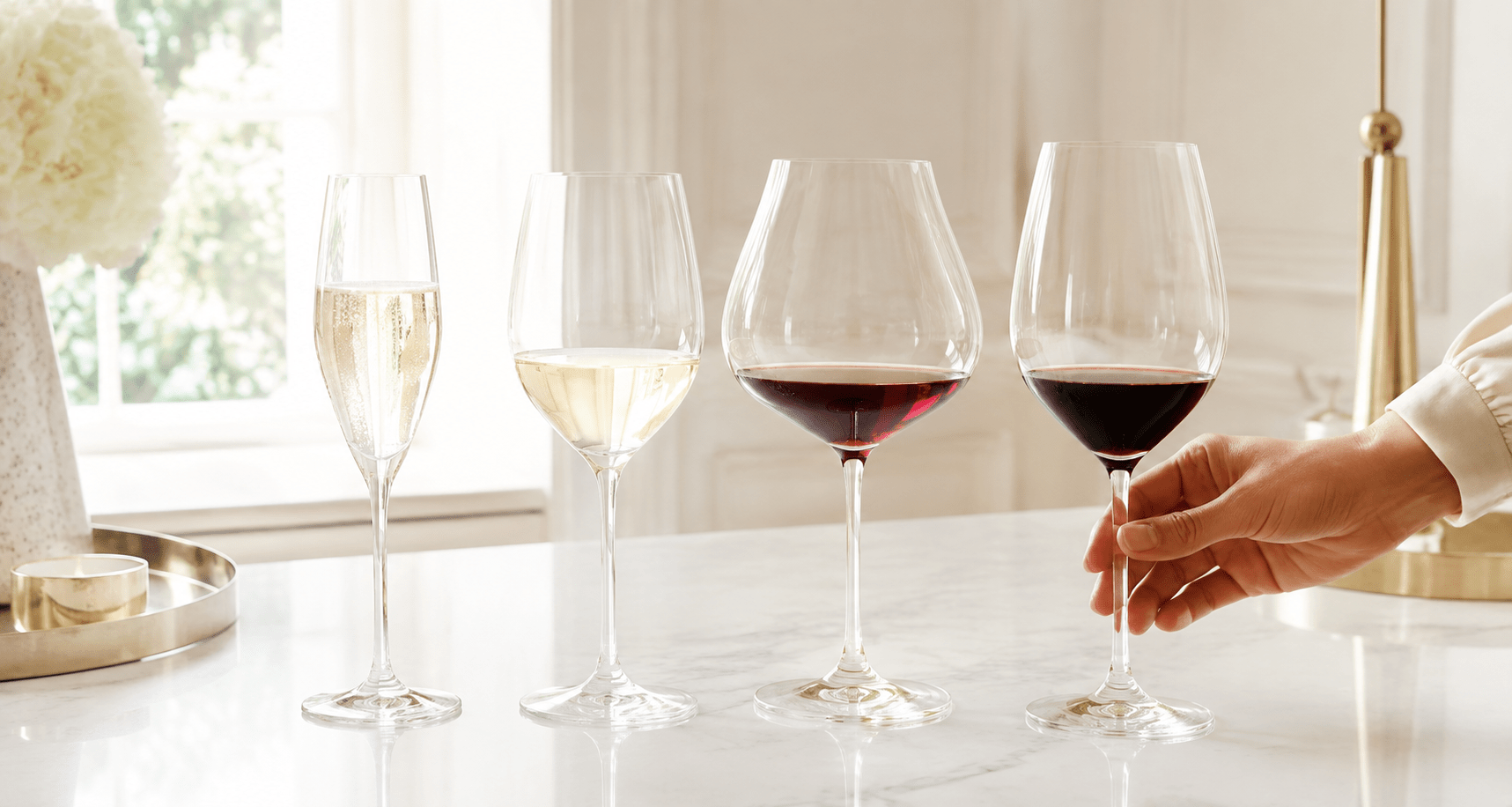
For bottles with natural cork, yes. Lying a bottle on its side keeps the wine in contact with the cork, which helps stop it from drying out, shrinking, and letting in air. This matters most for wines you plan to keep longer than a few months. Bottles with screw caps or synthetic corks can stand upright without trouble; see cork vs screw cap for how each closure performs. Sparkling wine is a special case: the pressure inside keeps the cork humid, so it is fine on its side or upright for short periods. Humidity matters for very long storage too. Moderate humidity, around 50–70%, keeps corks supple, while very dry air can shrink them over many years. Very damp spaces can encourage mold on labels, though they rarely harm the wine itself.
Short term, yes; long term, no. A kitchen refrigerator is typically around 35–40°F, too cold for aging, and its dry air and frequent door openings are not ideal for corks. Keeping whites, rosés, and sparkling wines there for a few weeks before drinking is perfectly fine. Keeping a red there for a day or two is fine too; just take it out to warm up a bit before serving. Never store wine in the freezer beyond a quick chill. Water expands as it freezes, which can push out the cork or crack the bottle; if you forget one, check how to chill wine fast for safer methods. A dedicated wine fridge set to about 55°F solves all of these issues for long-term storage.
Most wine is made to drink within a year or two of release, so you do not need to age everyday bottles. Crisp whites like Pinot Grigio, Sauvignon Blanc, and most rosés taste best young and fresh. Wines with high acidity, firm tannins, or sweetness have more aging potential. Examples include top Bordeaux and Napa Cabernet Sauvignon, Barolo made from Nebbiolo, Rioja Gran Reserva, German Riesling, vintage Port, and Sauternes. With age, fruit softens and savory notes like leather, earth, and dried fruit appear. The wine vintage guide explains how harvest year affects aging. When in doubt, ask the shop how long a wine will keep.
Once a bottle is open, oxygen starts changing it, and the clock speeds up. Put the cork or a wine stopper back in and refrigerate the bottle, reds included; cold slows oxidation. Most still wines stay pleasant for three to five days. Sparkling wine keeps one to three days with a proper sparkling stopper. Fortified wines such as Port and Sherry last longer, from about a week to several weeks depending on the style. Vacuum pumps and inert-gas sprays can stretch things a bit further. For style-by-style timelines, see how long wine lasts after opening. If a bottle has gone flat, it is still safe for cooking; get ideas in what to do with leftover wine.
Choose a basement, interior closet, or space under stairs that stays dark and near 55°F, away from appliances and windows.
Leave a thermometer there for a week. Small daily changes are fine; big swings mean you should look elsewhere.
Store cork-sealed bottles on their sides in a rack. Screw-cap bottles can stand upright.
Avoid moving bottles often or placing them near vibrating machines like washers or refrigerators.
Use most bottles within one to three years, and keep only structured wines meant for aging longer.
It is warm, bright, and vibrates, which is a bad combination for wine.
Tag bottles with purchase date and drink-by year so nothing ages past its best.
Keep whites in the kitchen fridge for weeks, not years; the cold dry air ages corks.
Learn Your Taste
Answer a few simple questions and discover styles that fit your palate.
Take the Wine QuizAround 55°F is the classic ideal for both red and white wine. Anywhere from about 45°F to 65°F is acceptable if the temperature stays steady, since swings do more damage than a few degrees.
For a few months, yes, if the room stays below about 70°F and away from sunlight. For longer storage, warm rooms age wine faster and can flatten its flavors, so a cooler spot is better.
Store cork-sealed bottles on their sides to keep the cork moist and airtight. Screw-cap and synthetic-cork bottles can stand upright without any problem, and any bottle you will open within a few weeks is fine either way.
Most everyday wines are best within one to three years of release. Structured reds, quality Riesling, vintage Port, and other age-worthy wines can improve for a decade or more with good storage.
Usually, yes. Kitchens get warm from cooking and appliances, and temperatures swing throughout the day. Store wine in a cooler, darker room and bring bottles to the kitchen when you need them.
Not for a few bottles you will drink within months. A wine fridge is worthwhile if you keep many bottles, plan to age wine, or live in a hot climate without a cool basement.