Set the Range
A comfortable budget makes advice more useful.
Understand Wine. Enjoy Every Glass.
Buying & Occasions
Use this no-pressure guide to make best wines for beginners easier through style clues, a clear budget, helpful questions, and better notes.
Start Learning
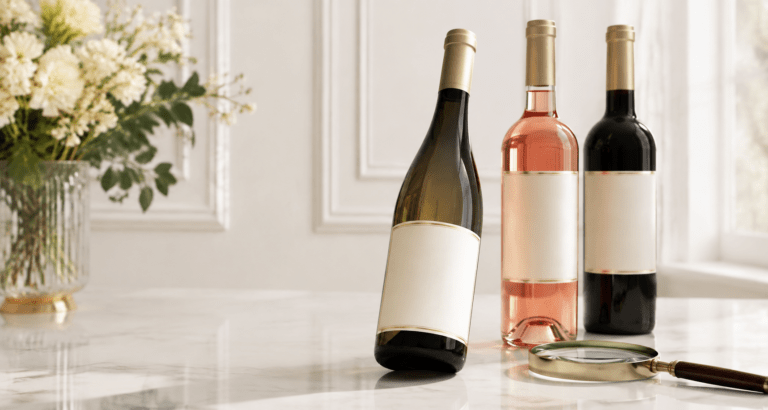
begin with approachable structure rather than a prestigious label. Think about red, white, rosé, or sparkling; dry or sweet; light or full; crisp or soft; and familiar or adventurous. Decide whether the wine is for sipping, dinner, a gift, or a group with mixed preferences. A few constraints turn an overwhelming wall of bottles into a manageable choice. Write them down before entering the store or opening a shopping page.
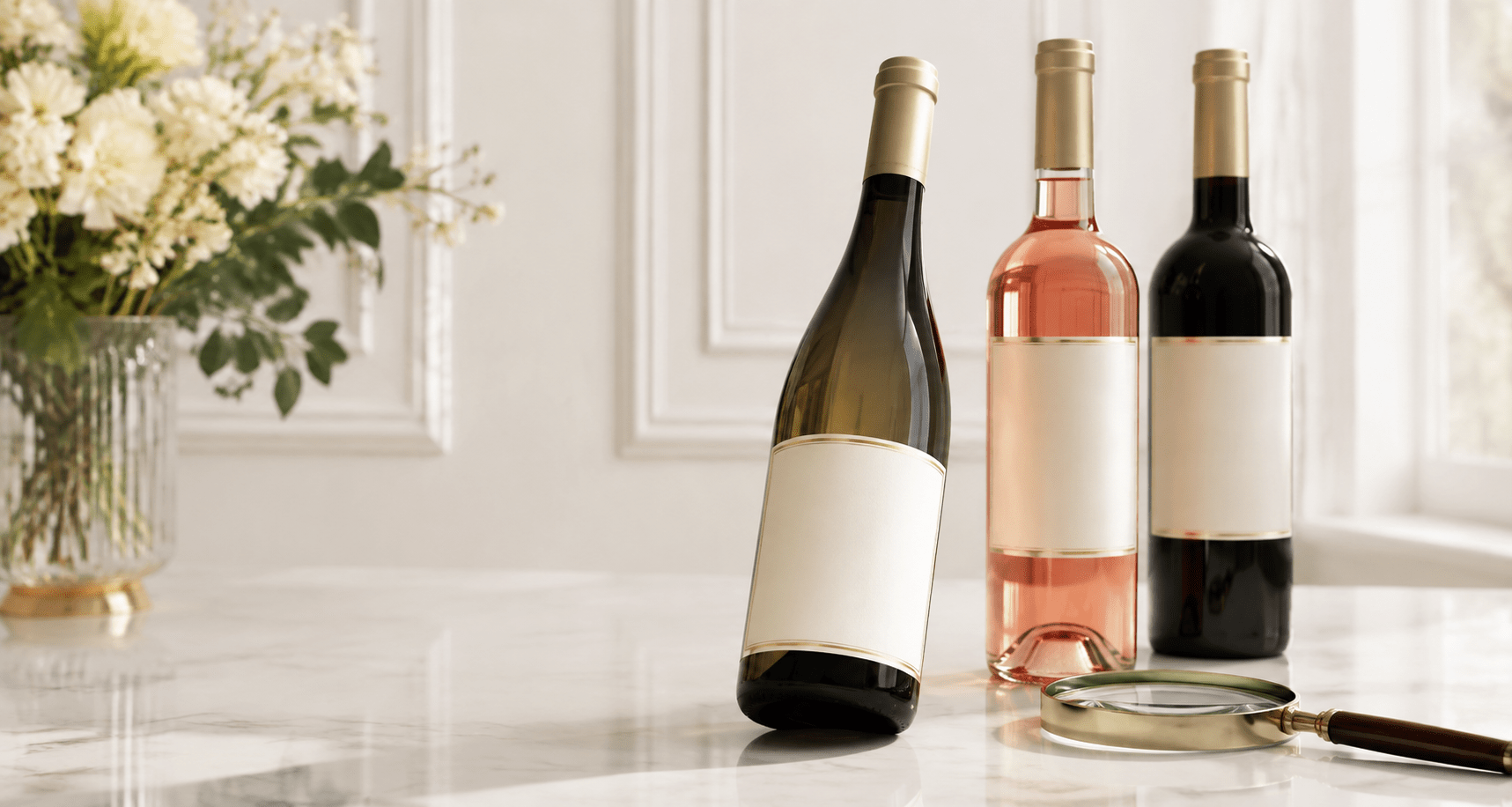
Useful starting points include smooth Merlot, bright Pinot Noir, crisp Sauvignon Blanc, versatile Chardonnay, aromatic Riesling, dry rosé, and sparkling wine. choose one light, one rich, one dry, and one slightly sweet style to learn contrasts. Choose examples that demonstrate a clear difference rather than several bottles that are nearly identical. Grape and region are helpful, but body, sweetness, acidity, tannin, and flavor intensity describe the experience more directly. Continue with How to Buy Wine: A No-Stress Guide to connect this idea with another grape, region, style, or practical decision.
set a comfortable budget and ask for style, not a score. Price can reflect land, labor, farming, oak, aging, scarcity, reputation, taxes, and demand. It cannot guarantee that a bottle suits your palate. Set a range, leave room for a knowledgeable recommendation, and judge value by how well the wine fits its purpose. A reliable everyday bottle can be a better purchase than a famous wine served in the wrong setting.
Ask for a dry bright white for seafood, a smooth medium-bodied red for a mixed group, or a lightly sweet aromatic wine for spicy food. Mention bottles you liked and what you noticed. Specific language helps a retailer translate inventory into useful choices. Scores and shelf cards can provide context, but they should not replace a conversation about style and purpose.
keep a short note so the next bottle becomes easier to choose. Note producer, grape or region, vintage, price range, body, fruit profile, texture, and whether you would buy it again. Avoid writing a long review. Three honest words and a label photo are enough to reveal patterns over time. Continue with Wine Buying Guides & Occasions to connect this idea with another grape, region, style, or practical decision.
| Decision | Useful Question | Why It Helps |
|---|---|---|
| Occasion | What is the wine for? | Narrows style and quantity |
| Taste | Dry or sweet, light or full? | Describes the experience |
| Food | What sauce and intensity? | Improves structural fit |
| Budget | What range feels comfortable? | Keeps recommendations practical |
A comfortable budget makes advice more useful.
Ask for body, sweetness, freshness, and texture.
A label photo and short note build a personal buying guide.
Learn Your Taste
Answer a few simple questions and discover styles that fit your palate.
Take the Wine QuizYes. Understanding Best Wines for Beginners gives beginners a practical reference for tasting, shopping, serving, or pairing. Learn the broad pattern first, then compare real examples to see how place, producer, vintage, and preference change the details.
No. Affordable examples can demonstrate important differences clearly. Set a comfortable budget, compare related styles, and take short notes. Price may reflect scarcity, land, labor, aging, or demand, but it cannot guarantee personal enjoyment.
Connect the information to one tasting, meal, label, or practical task. Write down three useful clues and revisit them later. A real context is more memorable than trying to master a long list at once.
Yes. Grape source, climate, vintage, farming, fermentation, aging, blending, storage, and serving can influence wine. Use the guide as a dependable framework rather than a promise that every example will taste identical.
Read the Quick Answer, then choose the section closest to your current question. Follow related grape, region, style, pairing, or buying guides when you need context. Make one confident decision now and build knowledge gradually.
Pay attention to structure and your response. Notice sweetness, acidity, tannin, body, aroma, intensity, and finish where relevant. Honest observations such as “bright,” “smooth,” or “too rich” are useful evidence, not beginner mistakes.