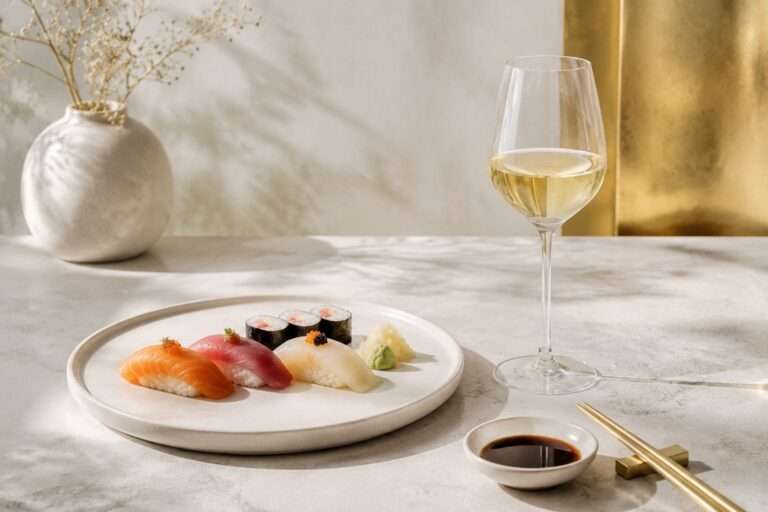
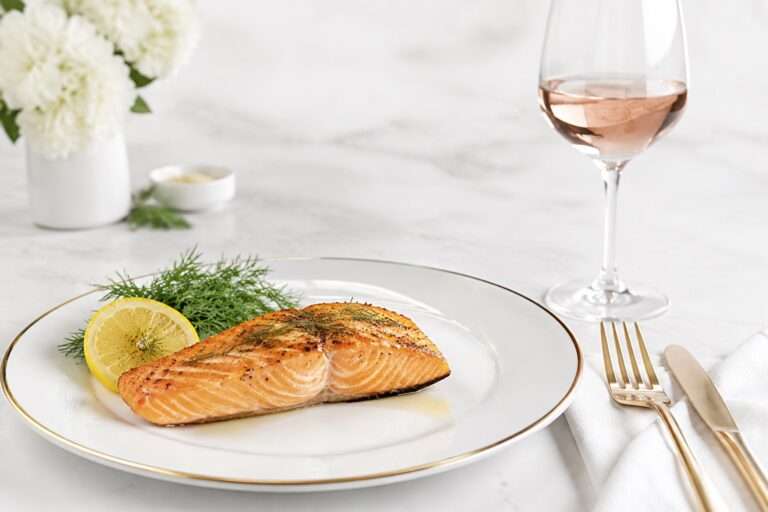
Keep It Rare
Rare tuna stays juicy enough for light red wine; overcooked tuna needs a crisp white.

Understand Wine. Enjoy Every Glass.
Wine Pairings
Tuna is the steak of the sea, and it is one of the few fish that welcomes red wine. Here is what to pour with seared, raw, grilled, and canned tuna.
Start Learning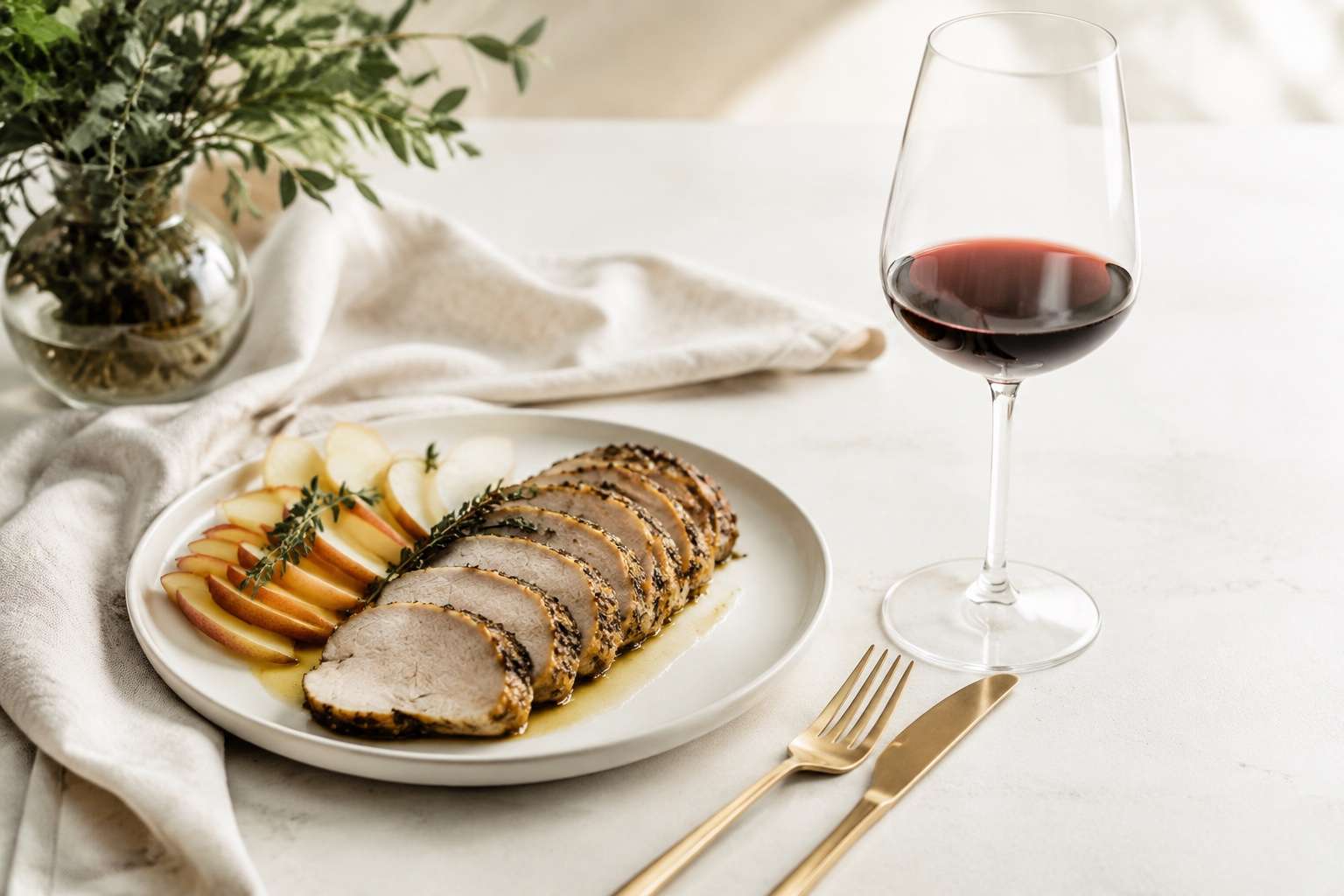
Most fish want white wine, but tuna is different. Fresh tuna has deep red flesh, a firm, meaty texture, and more richness than flaky white fish. That means it can stand up to a light red without being overpowered. The key word is light. Bold, tannic reds still clash; tannins and fish oils can create a metallic taste. A silky, low-tannin red such as Pinot Noir has enough fruit and acidity to match tuna’s flavor without that harsh edge. So the best wine with tuna depends on preparation. Cooked rare, tuna behaves like lean red meat and loves light reds and rosé. Served raw, it is delicate and pure, so crisp whites and bubbles win. Canned tuna is milder still and pairs best with simple, zesty whites. Think about texture first, then sauce.
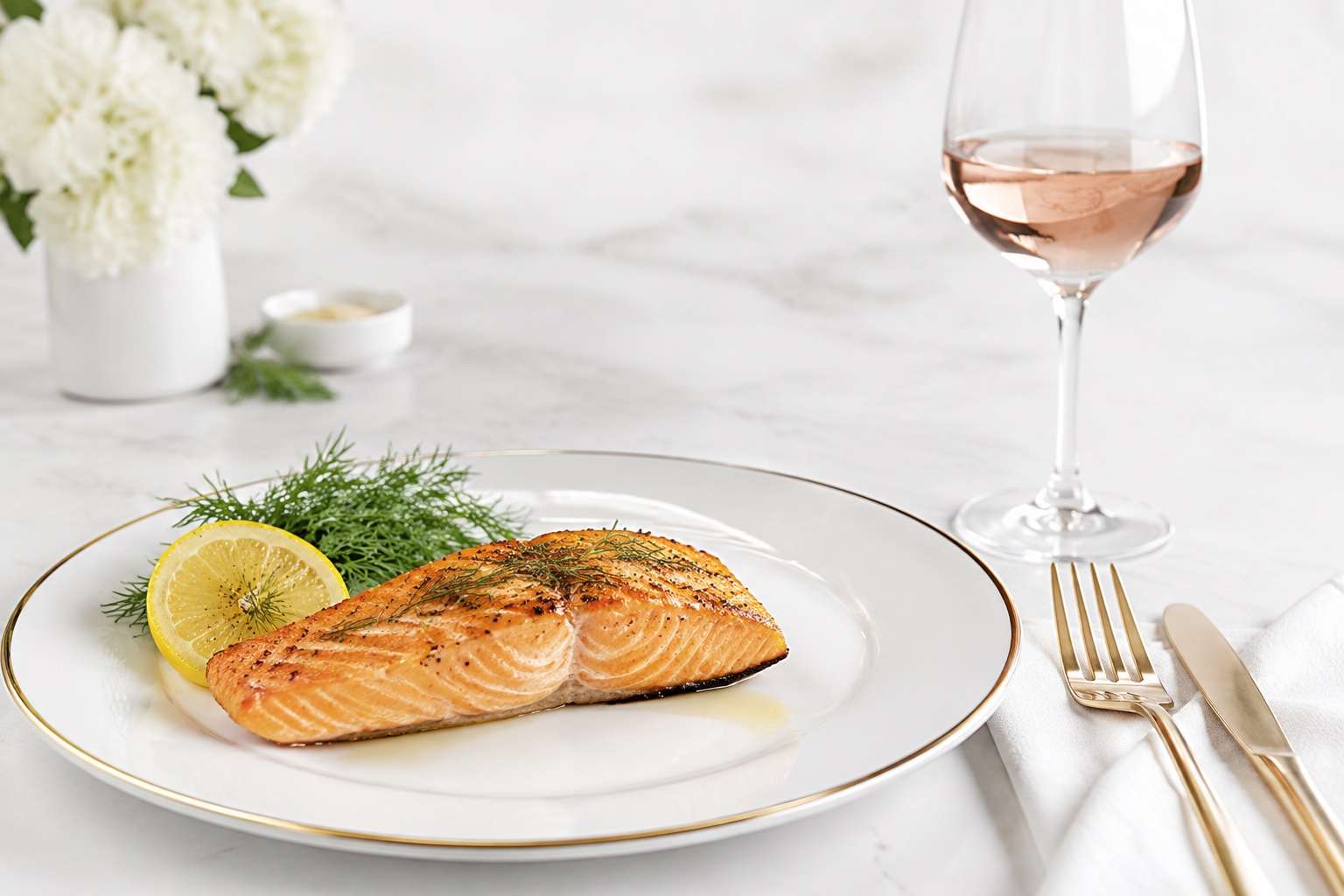
Seared ahi tuna, rare in the middle with a peppery or sesame crust, is the classic match for Pinot Noir from Oregon or Burgundy. Grilled tuna steaks pick up smoke and char, which suits a juicy Gamay or a dry Grenache-based rosé. Tuna sushi, sashimi, and poke need wines that respect raw fish and soy: a dry Riesling, Austrian Grüner Veltliner, or brut Champagne. Tuna tartare with citrus and capers loves Sauvignon Blanc or Albariño. Salade Niçoise, with olives, egg, and green beans, belongs with a pale Provence rosé, its hometown partner. Tuna salad sandwiches and tuna melts pair with Sauvignon Blanc or an unoaked Chardonnay. Pasta with canned tuna, tomato, and capers suits Italian whites like Vermentino or Verdicchio.
Tuna is often dressed with bold Asian flavors, and these shape the pairing. Soy sauce and ponzu are salty and savory, so they need a wine with crisp acidity. Wasabi and chili heat call for low-alcohol, off-dry wines; an off-dry Riesling keeps a spicy tuna roll pleasant. Sweet teriyaki or miso glazes pair well with fruity Pinot Noir or a ripe rosé that echoes the sweetness. Mediterranean preparations shift the picture. Olive tapenade, tomatoes, and capers point to Provence rosé, Vermentino, or a light Grenache. A peppercorn crust brings out the spicy side of a cool-climate Syrah, though keep the style medium-bodied. Sides matter as well. A creamy avocado or mayo-based sauce wants a fuller white; a bright citrus slaw wants Sauvignon Blanc. If the dish has many flavors, rosé is the safest bridge.
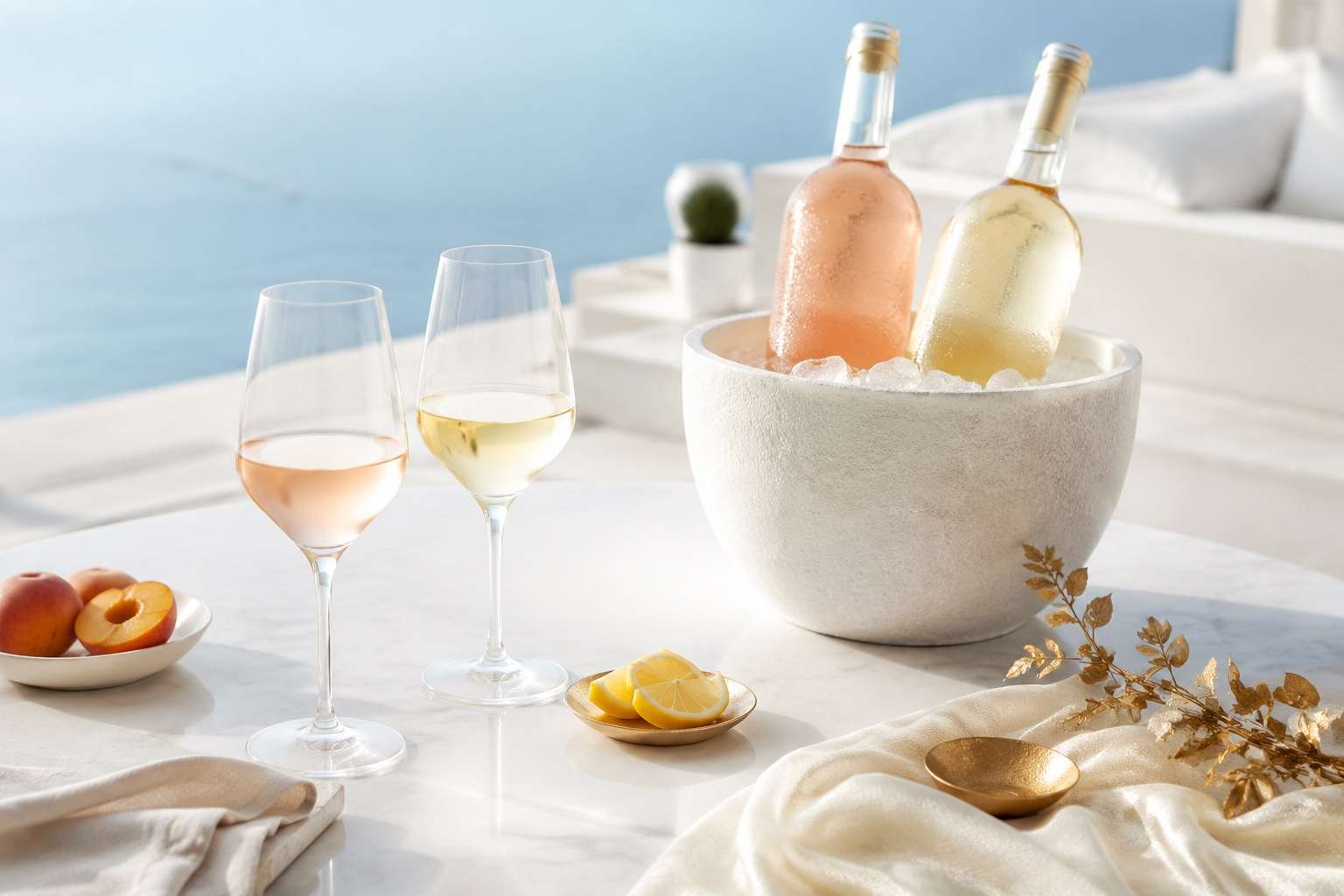
Dry rosé may be the single most versatile wine for tuna. It has the acidity and freshness of a white with a touch of red-berry fruit, so it works with raw, seared, grilled, and canned tuna alike. Pale rosés from Provence are elegant and dry; deeper styles from Tavel, Spain, or California have more body for grilled tuna steaks. Sparkling wine is the star with raw tuna. Brut Champagne, Spanish Cava, and Crémant have crisp acidity and fine bubbles that cleanse the palate after rich, fatty cuts such as toro. They also pair well with crispy tuna appetizers and spicy tuna on crispy rice. A blanc de blancs, made only from Chardonnay, is especially elegant with sashimi.
Even meaty tuna has limits. Big, tannic reds like Cabernet Sauvignon, Malbec, and young Nebbiolo can taste bitter and metallic against the fish. High-alcohol wines clash with wasabi, chili, and spicy mayo, making the heat feel sharper. Heavily oaked Chardonnay hides the clean flavor of raw tuna and fights with soy sauce. Sweet wines throw off savory seared tuna unless the dish has a sweet glaze. Finally, be careful with overcooked tuna. Once it turns gray and dry all the way through, it loses the juicy texture that makes red wine work, and a crisp white or rosé becomes the better choice.
Serve Pinot Noir and Gamay slightly chilled, around 55–60°F, so the fruit tastes fresh next to fish. Whites, rosé, and sparkling wine are best at 45–50°F. If a tuna dish is part of a sushi spread, our guide to wine with sushi covers the whole platter. Value is easy to find. Beaujolais-Villages, Spanish rosado, Austrian Grüner Veltliner, and Cava often cost under $20 and suit tuna beautifully. Oregon Pinot Noir and Champagne are worth the splurge for a special seared ahi dinner. If you like the light-red idea, also read about Gamay, which is fruity, low in tannin, and very friendly with fish.
| Tuna Dish | Best Wine | Why It Works |
|---|---|---|
| Seared ahi tuna | Pinot Noir | Silky, low-tannin red matches rare, meaty flesh |
| Grilled tuna steak | Gamay or dry rosé | Juicy fruit stands up to smoke and char |
| Sushi, sashimi, or poke | Dry Riesling or brut Champagne | Crisp acid suits raw fish and soy |
| Tuna tartare | Sauvignon Blanc or Albariño | Citrusy whites echo lemon and capers |
| Salade Niçoise | Provence rosé | Dry and savory with olives, egg, and beans |
| Tuna salad or tuna melt | Sauvignon Blanc or unoaked Chardonnay | Fresh acid balances mayo |
Rare tuna stays juicy enough for light red wine; overcooked tuna needs a crisp white.
Serve Pinot Noir or Gamay at 55–60°F so the fruit tastes fresh with fish.
Dry rosé works with raw, seared, grilled, and canned tuna alike.
Learn Your Taste
Answer a few simple questions and discover styles that fit your palate.
Take the Wine QuizYes. Fresh tuna is meaty enough for light, low-tannin reds such as Pinot Noir and Gamay, especially when it is seared or grilled and served rare. Avoid bold, tannic reds, which can taste metallic.
Pinot Noir is the top pick. Its silky texture and red-cherry fruit match the rare, meaty center, and its acidity handles soy or sesame crusts. A dry rosé is an easy alternative.
Dry Riesling, Grüner Veltliner, or brut sparkling wine. Poke combines raw tuna with soy, sesame, and sometimes chili, so you want crisp acidity and low alcohol. Off-dry Riesling helps with spicy versions.
Sauvignon Blanc is a great match. Its zesty acidity cuts through mayonnaise and lifts celery, pickles, and herbs. Unoaked Chardonnay or a dry rosé also works for a tuna melt with cheese.
A light red or a dry rosé. Grilled tuna steaks have smoky char that suits Gamay, Pinot Noir, or a Grenache-based rosé. Keep the tuna medium-rare so it stays juicy for the wine.
Yes, especially with raw or canned tuna. Crisp whites such as Sauvignon Blanc, Albariño, dry Riesling, and Vermentino suit sushi, tartare, salads, and pasta. Choose unoaked styles so the tuna's flavor stays clear.