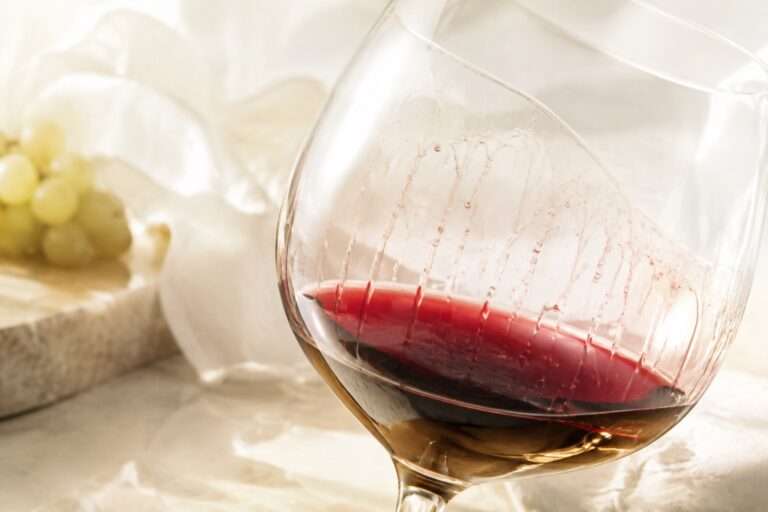
Use Alcohol to Gauge Riesling Sweetness
Riesling under 10% alcohol is usually sweet; 12% or more usually means dry.

Understand Wine. Enjoy Every Glass.
Wine Comparisons
Both are fragrant whites with a reputation for sweetness, but Riesling vs Moscato is really a contrast between a versatile classic and a fun, fizzy treat.
Start Learning
Riesling is one of the world’s great white grapes, prized for its high acidity, purity of fruit, and ability to express place. It comes in every sweetness level, from bone-dry to dessert wine, and the best bottles can age for decades. Moscato is the Italian name for wines made from the Muscat family, mainly Muscat Blanc à Petits Grains. It is one of the few grapes whose wine actually smells like fresh grapes. Most Moscato on store shelves is sweet, low in alcohol, and gently fizzy. So the big split is versatility versus simplicity. Riesling’s acidity balances its sugar and makes it taste fresh even when sweet. Moscato is softer, made for easy, fruity, moment-of-joy drinking.
Riesling tastes of lime, lemon, green apple, white peach, and apricot, with white flowers and a stony, mineral edge. Dry versions are lean and zesty; sweeter ones taste like ripe stone fruit and honey, balanced by that tingling acidity. With age, Riesling develops a famous petrol or kerosene note, plus toast and honey. Alcohol varies widely, from about 8% in sweet German styles to 12–13% in dry ones. Moscato is pure fruit and flowers: green grapes, mandarin orange, ripe peach, pear, orange blossom, and honeysuckle. It is light-bodied, with gentle acidity and noticeable sweetness. Moscato d’Asti, the classic Italian style, is frizzante (softly sparkling) and often only about 5–6% alcohol. Check the sweetness clues before you buy.
Germany is Riesling’s heartland. The Mosel makes delicate, low-alcohol wines from steep slate slopes, and the Rheingau produces fuller, often drier styles. France’s Alsace makes dry, powerful Riesling, and Austria’s Wachau adds a bone-dry, mineral take. Australia’s Clare and Eden Valleys are known for dry, lime-scented versions, while New York’s Finger Lakes and Washington State make bright examples from dry to sweet. Moscato’s classic home is Piedmont in northwest Italy, around the town of Asti, where sparkling Asti and Moscato d’Asti are made. California and Australia produce large amounts of sweet, fruity Moscato, including pink versions.
Riesling’s high acidity lets it pair with a huge range of dishes. Off-dry Riesling is a classic with Thai food, Indian curries, and Sichuan dishes, because a touch of sugar cools chili heat and the acidity refreshes. Dry Riesling suits pork chops, roast chicken, trout, sushi, and sauerkraut with sausages. Sweet late-harvest Riesling goes with fruit desserts and blue cheese. Moscato is best with lighter sweets and brunch. Serve it with fruit salad, peach cobbler, fruit tarts, angel food cake, and strawberries. Its sweetness also helps with mildly spicy takeout. Make sure the wine is sweeter than the dessert, or the wine will taste sour and thin.
Riesling labels can be tricky. In Germany, trocken means dry. Kabinett is light and often off-dry, Spätlese is riper and usually sweeter, and Auslese is richer still. Some producers print a sweetness scale on the back label, which is a big help. Generally, lower alcohol (under 10%) signals more sweetness. Moscato labels are simpler: Moscato d’Asti is lightly fizzy and sweet, Asti is fully sparkling, and plain Moscato from California or Australia is usually sweet and still or lightly spritzy. Serve both cold. Riesling shows best at 45–50°F; Moscato is even more refreshing at 40–45°F. Most bottles are affordable, often under $20. Drink Moscato young; quality Riesling can age beautifully.
Pick Riesling if you want a white that can go dry or sweet, pairs with spicy or rich dishes, and has the acidity to stay refreshing through a whole meal. It is also the better choice for collectors, since top Riesling ages for decades. Pick Moscato if you love sweet, fruity drinks, prefer lower alcohol, or want a light dessert or brunch wine. It is a great introduction for people who usually avoid wine because it tastes too dry or bitter. Explore related matchups with Riesling vs Gewürztraminer and Prosecco vs Moscato, or browse the full range of sweet wines.
| Attribute | Riesling | Moscato |
|---|---|---|
| Sweetness | Bone-dry to very sweet | Usually sweet |
| Acidity | High and racy | Low to moderate |
| Bubbles | Usually still | Often frizzante or fully sparkling |
| Alcohol | About 8–13%, depending on style | Often 5–7% for Moscato d'Asti |
| Main flavors | Lime, green apple, peach, petrol with age | Grape, orange blossom, peach, mandarin |
| Classic regions | Mosel, Rheingau, Alsace, Clare Valley | Piedmont (Asti), California |
| Best food | Thai curry, pork, sushi | Fruit tarts, berries, brunch |
Riesling under 10% alcohol is usually sweet; 12% or more usually means dry.
On German Riesling, trocken means dry. Kabinett is usually lightly sweet.
At 40–45°F, Moscato's sweetness feels fresh rather than syrupy.
Learn Your Taste
Answer a few simple questions and discover styles that fit your palate.
Take the Wine QuizUsually not. Most Moscato is noticeably sweet, while Riesling ranges from bone-dry to sweet. Even sweet Riesling tastes less sugary than Moscato because its high acidity balances the sugar.
No. They are different grapes. Moscato is made from Muscat grapes, while Riesling is its own variety. Both are aromatic whites and often sweet, which is why people confuse them.
Yes, some can. Riesling labeled Auslese, late harvest, or ice wine can be just as sweet as Moscato d'Asti, or sweeter. The difference is acidity: sweet Riesling feels tangy and bright, while Moscato feels soft and grapey. Dry and off-dry Riesling are far less sweet.
Moscato d'Asti usually has the least, often around 5–6% ABV. German Kabinett Riesling can be 8–10%, while dry Riesling is often 12–13%. California Moscato varies, so check the label.
Yes. Moscato is sweet, fruity, light, and low in alcohol, so it is easy for new wine drinkers to enjoy. Many people later move on to off-dry Riesling as their palate changes.
Off-dry Riesling is usually better. Its touch of sugar cools chili heat while its acidity keeps rich curries and stir-fries tasting fresh. Moscato works with mildly spicy dishes too, but its lower acidity and very sweet, grapey taste can feel cloying alongside savory food.