Check the Country
Table wine on a US label is about alcohol; in Europe it was about origin.

Understand Wine. Enjoy Every Glass.
Wine Types
Table wine sounds simple, but the table wine meaning changes from country to country. Here is what the term tells you on a label, and what it does not.
Start Learning
In everyday speech, table wine is the wine you drink with dinner: unfussy, affordable, and meant for food rather than special occasions. But the term also has specific legal meanings that change from country to country, which is why the table wine meaning on a label can be confusing. In the United States, it is a legal category based mostly on alcohol and the absence of bubbles. In Europe, it was historically the lowest rung of a quality ladder, used for wines that did not follow any regional rules. The term also helps separate ordinary still wines from sparkling wine and from stronger fortified wine like port and sherry. Table wine does not automatically mean bad wine; it just means the label makes fewer promises about where and how the wine was made.
Under US federal labeling rules, table wine refers to a still, non-sparkling grape wine with an alcohol content of no more than 14% by volume. Wines above 14%, up to about 24%, fall into a separate class often called dessert wine, which is why US law traditionally grouped strong but dry reds with fortified wines for tax purposes. Wines at 14% or less that are labeled table wine or light wine may skip a specific alcohol percentage on the label, though most producers list it anyway. Many popular California reds today are above 14%, so they cannot technically be labeled table wine. When you see the phrase on an American bottle, it mostly tells you the wine is still and moderate in strength. For typical strength by style, see our wine alcohol content chart.
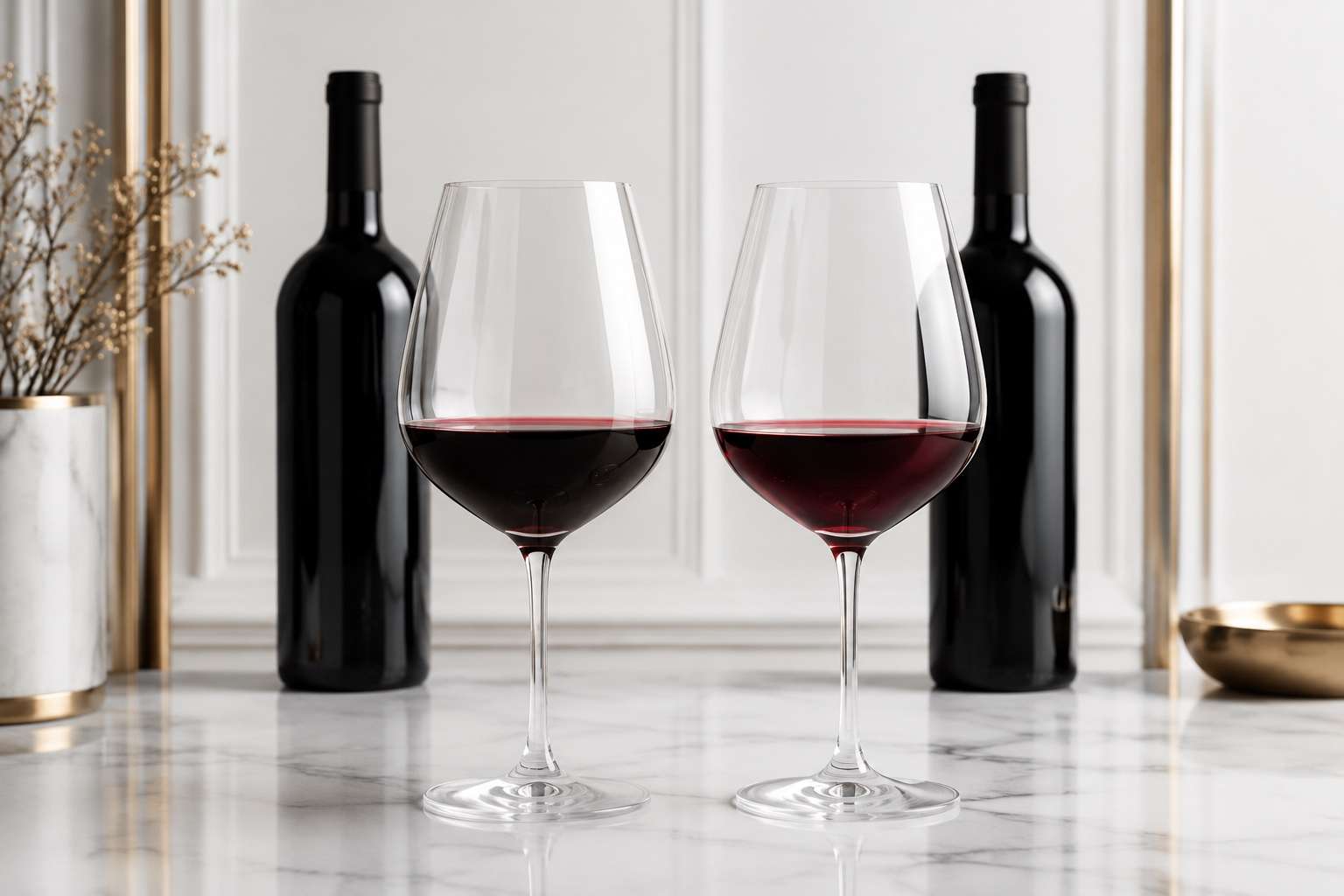
European wine law long used a quality pyramid. At the top were protected-origin wines like French AOC and Italian DOC and DOCG, with strict rules on grapes, yields, and aging. In the middle were regional wines like Vin de Pays and IGT. At the bottom was table wine: vin de table in France, vino da tavola in Italy, vino de mesa in Spain, and Tafelwein in Germany. These wines could be blended from grapes grown anywhere in the country and could not name a grape, a vintage, or a specific region on the label. A 2009 reform replaced these terms with a category for wine without a geographical indication, which in France is labeled Vin de France and in other countries is usually simply called wine. Compare broader traditions in Old World vs. New World wine.
Table wine is not always basic. In the 1970s and 1980s, some ambitious winemakers in Tuscany wanted to use Cabernet Sauvignon and Merlot, or make pure Sangiovese, in ways that broke the local DOC rules of the time. Their only option was to label these wines as humble vino da tavola. Some became world-famous and expensive, earning the nickname Super Tuscans, and the rules eventually changed to create new categories for them. The same thing still happens today. Natural wine producers and experimental winemakers in France, Italy, and Spain sometimes leave the appellation system and release wines as Vin de France or simple table wine. So on European bottles, a basic category can hide either an everyday quaffer or a creative, high-quality wine.
It can be. Most wine labeled as table wine or without a geographical indication is made to be simple, fruity, and affordable, often blended from several regions to keep the style consistent year after year. That is perfect for weeknight dinners, cooking, parties, and sangria. You will find a lot of it in larger formats, including jugs and boxes; see our boxed wine guide. In restaurants, the house wine or carafe wine is usually table wine. The trade-off is less information: without a named place, grape, or vintage, it is harder to predict the exact taste. If you want more specificity, step up to a regional or appellation wine. For good values with clearer labeling, browse our best red wines under $20.
Start by checking the country. On a US bottle, table wine mainly signals a still wine at 14% alcohol or less. On older European bottles, vin de table or vino da tavola means the most basic category with no region, grape, or vintage allowed. On modern European bottles, look for Vin de France or a simple Vino or Wein category, which can now name grapes and vintages. Next, look for any grape names, region, or producer details, because these tell you far more about taste than the category does. A red blend with no grape listed will usually be soft and fruity. Finally, check the alcohol percentage to judge weight and strength. For a full walkthrough of labels by country, read how to read a wine label, and for ordering tips, see how to order wine at a restaurant.
| Country or Label | Table Wine Term | What It Means |
|---|---|---|
| United States | Table wine or light wine | Still grape wine at 14% alcohol or less |
| France | Vin de table, now Vin de France | Basic wine with no specific region |
| Italy | Vino da tavola, now Vino | Basic tier; once used by early Super Tuscans |
| Spain | Vino de mesa, now Vino | Everyday wine without a protected origin |
| Germany | Tafelwein, now Deutscher Wein | Simplest category, often light and fruity |
Table wine on a US label is about alcohol; in Europe it was about origin.
Grape names and regions predict taste better than the category itself.
Table wine is ideal for cooking, sangria, parties, and weeknight dinners.
Learn Your Taste
Answer a few simple questions and discover styles that fit your palate.
Take the Wine QuizIn the US, table wine is a legal term for a still, non-sparkling grape wine with 14% alcohol by volume or less. It separates everyday wines from stronger dessert and fortified wines, which are taxed and labeled differently.
Not necessarily. Most table wine is affordable and simple, but the term describes a legal category, not quality. In Europe, some excellent wines have been released as table wine because they broke local appellation rules.
It can be either, and rosé too. Table wine only means a still wine within certain legal limits. The color depends on the grapes and winemaking, so check the label or the wine itself.
Since a 2009 European reform, the basic category in France is labeled Vin de France. Unlike old vin de table, Vin de France can name grape varieties and a vintage, which makes these wines easier to understand.
Yes. Simple, dry table wine is ideal for cooking. Choose a wine you would happily drink, avoid salted cooking wine, and use dry reds for stews and dry whites for pan sauces, risotto, and seafood.
In the US, table wine is 14% alcohol or less, while dessert wine is a legal class for stronger wines, roughly 14–24%, including many fortified wines. In everyday use, dessert wine simply means a sweet wine served with dessert.