Spread It Out
Wine needs surface area to breathe. Decant or swirl rather than just pulling the cork.

Understand Wine. Enjoy Every Glass.
Wine Basics
Letting wine breathe sounds fussy, but it can make a tight young red taste noticeably smoother. Here is why let wine breathe at all, which bottles benefit, and how to do it.
Start Learning
Why let wine breathe? Because a little oxygen changes how a wine smells and feels. When wine sits sealed in a bottle, aromas can be muted and tannins can feel tight. Exposing it to air does three useful things. First, it helps volatile aromas lift out of the glass, so fruit, spice, and earth become easier to smell. Second, it lets off unwanted smells, such as the struck-match or rubbery notes of reduction that sometimes appear in freshly opened bottles. Third, many people find that air makes young tannins feel softer and rounder, although the exact chemistry is still debated. The effect is real but not magic. Air will not turn a simple wine into a great one, and too much air for too long eventually flattens any wine, which is the same process that spoils an opened bottle.
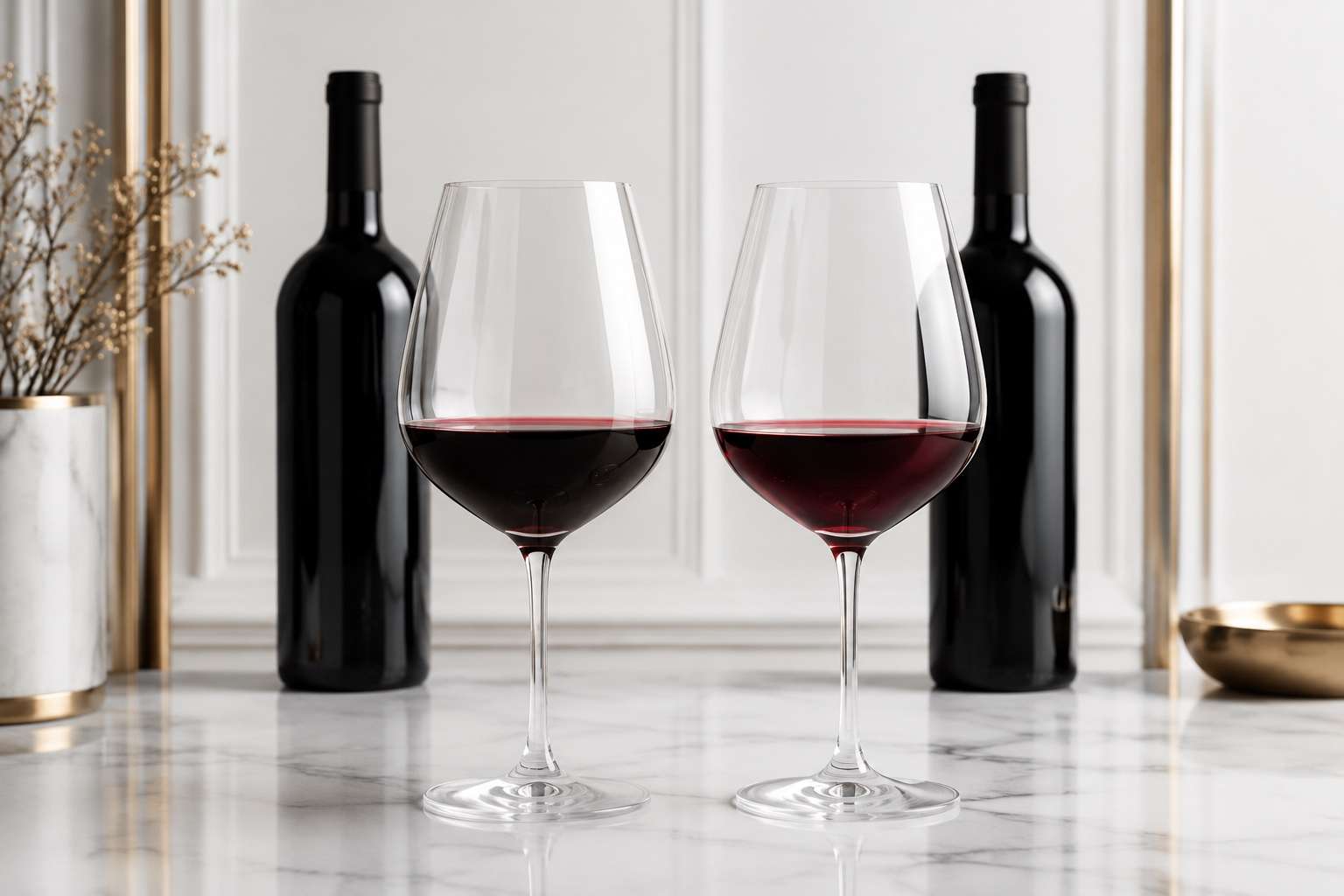
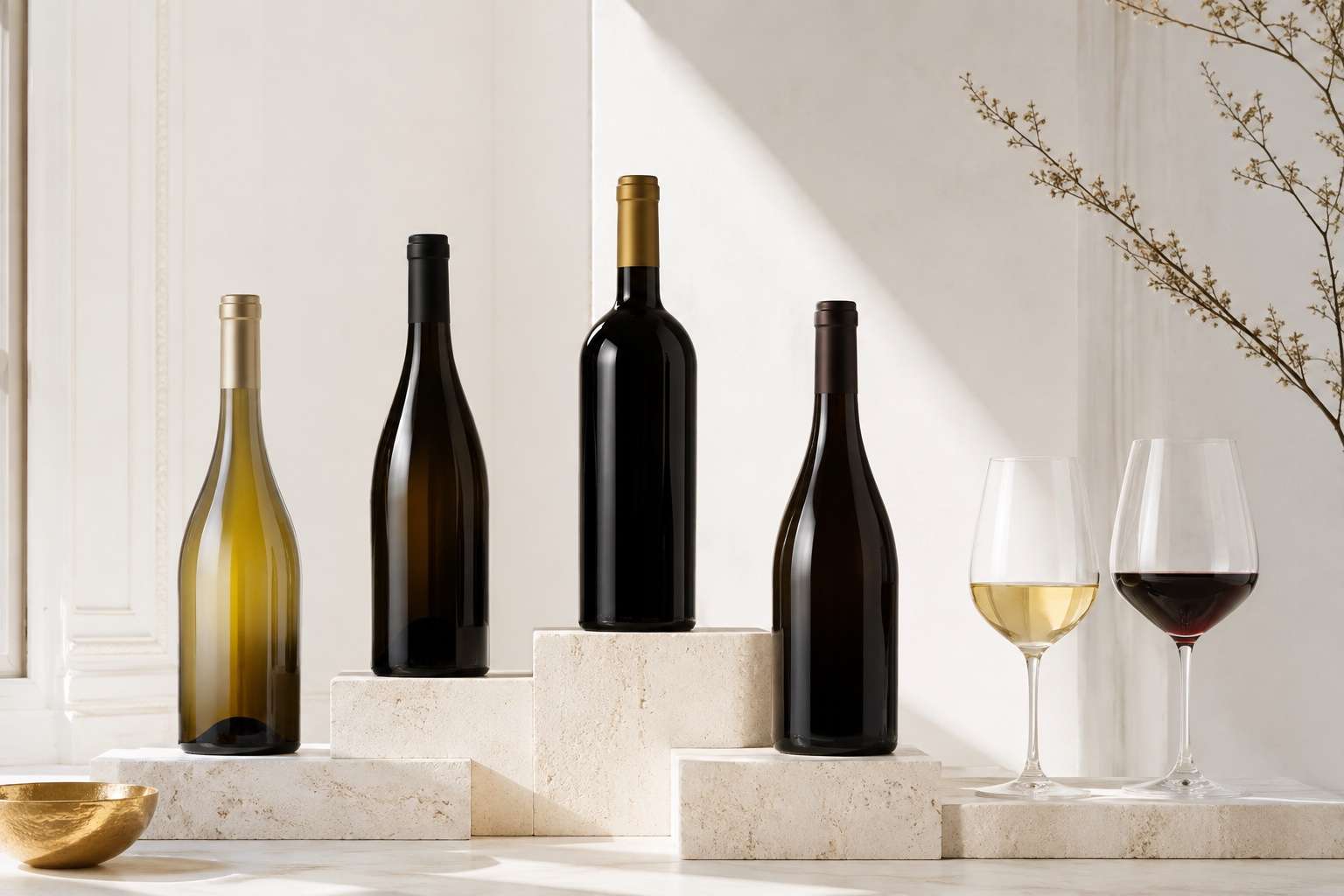
Young, full-bodied reds gain the most. Think Cabernet Sauvignon, Bordeaux blends, Syrah, Malbec, and especially Nebbiolo from Barolo and Barbaresco, whose firm tannins can be severe when first opened. Tight or reduced wines of any kind improve as off smells fade. Some full-bodied whites, such as quality white Burgundy, white Rhône blends, and oaked Chardonnay, can open up with a little air. Wines that need little or none include light reds like Beaujolais and most Pinot Noir, crisp whites like Sauvignon Blanc and Pinot Grigio, rosé, and sparkling wine, where air only knocks out bubbles. Old wines are delicate. They may benefit from gentle decanting to remove sediment, but long aeration can make their fading aromas disappear quickly.
Opening a bottle and leaving it on the counter is a popular habit, but it does very little. The surface area of wine exposed to air in a bottle neck is about the size of a coin, so only a tiny amount of oxygen reaches the wine, even after an hour. To truly aerate, you need to spread the wine out. Decanting is the most effective method: pouring the whole bottle into a wide vessel exposes a large surface to air, and the pour itself splashes in oxygen. Our guide on how to decant wine walks through the process. Pouring into glasses and swirling is the next best thing, especially in large-bowled glasses. Pour-through aerators mix air into the stream as you pour, giving a fast, modest effect that is handy for a quick weeknight bottle.
Breathing times are guidelines, not rules, so taste as you go. Light reds such as Gamay and Pinot Noir need 0 to 20 minutes, often just the time in the glass. Medium-bodied reds such as Merlot, Sangiovese, and Grenache are usually happy after 20 to 30 minutes. Full-bodied young reds such as Cabernet Sauvignon, Syrah, and Malbec do well with 30 to 60 minutes. Very tannic young reds such as Barolo, young Bordeaux, and Tannat can use one to two hours, sometimes more. Full-bodied whites may improve with 15 to 30 minutes. Older reds over 15 years old should be decanted gently just before serving and enjoyed soon after. The best approach is to pour a small taste on opening, then again every 15 minutes, and serve when you like what you find.
Aerating everything. Light, fresh whites, rosé, and sparkling wines lose their charm with too much air. Over-aerating old wine. A delicate 25-year-old wine can fade within an hour of decanting; open it, taste, and drink. Relying on an open bottle. As explained above, it barely changes the wine. Leaving decanted wine too long. A few hours is fine for big reds, but overnight in a decanter will flatten most wines. Serving it too warm. Aeration and warmth both amplify aromas, including alcohol, so keep reds at 60–65°F; see our wine serving temperature chart. Judging too soon. If a young red tastes harsh at first sip, give it 30 minutes before deciding you do not like it. Many wines change a lot in the first hour.
Food can do some of the same work as air. Tannic reds feel softer alongside protein and fat, which is why a big Cabernet tastes smoother with steak, as explained in our guide to wine with steak. If you have no time to aerate, serving the wine with a hearty dish helps. Leftover wine is a different story. Once you have opened and aerated a bottle, oxygen keeps working, and eventually the wine fades and turns flat or nutty. Re-cork it, refrigerate it, and drink it within a few days; our page on how long wine lasts after opening breaks it down by style. Some sturdy young reds actually taste better on day two, a sign they needed more air in the first place.
Decide whether you have a young tannic red, a delicate old wine, or a fresh white that needs no air.
Pour a small sip right away to see whether it tastes tight, harsh, or muted.
Decant full reds, swirl lighter wines in the glass, or use an aerator if you are in a hurry.
Taste again every 15 minutes and notice the aroma and tannin softening.
Pour when you like the wine, keeping it near 60–65°F so alcohol stays in check.
| Wine Style | Breathing Time | Best Method |
|---|---|---|
| Light reds (Gamay, Pinot Noir) | 0–20 minutes | Just swirl in the glass |
| Medium reds (Merlot, Sangiovese) | 20–30 minutes | Glass or quick decant |
| Full young reds (Cabernet, Syrah, Malbec) | 30–60 minutes | Decanter |
| Very tannic reds (Barolo, young Bordeaux) | 1–2 hours | Decanter, tasting as you go |
| Full-bodied whites (white Burgundy) | 15–30 minutes | Glass or decanter |
| Old reds (15+ years) | Serve soon after decanting | Gentle decant for sediment only |
Wine needs surface area to breathe. Decant or swirl rather than just pulling the cork.
Never aerate sparkling wine. Air only knocks out the fizz.
Decant older wines just before serving and drink them soon after.
Learn Your Taste
Answer a few simple questions and discover styles that fit your palate.
Take the Wine QuizYes, for the right wines. Young, tannic reds often smell more expressive and feel smoother after 30 to 60 minutes of air. Light, fresh wines show little change, and very old wines can fade, so it depends on the bottle.
Most reds benefit from 20 to 60 minutes. Light reds like Pinot Noir need little or none, while young Cabernet Sauvignon or Syrah does well with 30 to 60 minutes. Very tannic wines like Barolo can take one to two hours.
Most do not. Crisp whites like Sauvignon Blanc and Pinot Grigio taste best fresh from the bottle. Some fuller whites, such as quality white Burgundy or oaked Chardonnay, can open up with 15 to 30 minutes of air.
They help, especially for young reds. A pour-through aerator mixes air into the wine as you pour, giving a quick, noticeable softening. The effect is usually smaller than decanting for an hour, but it is convenient when time is short.
Yes. After several hours, most wines start losing fruit and aroma, becoming flat. Older and delicate wines can fade within an hour. Big young reds hold up longer, but drink decanted wine the same day.
Not exactly. Aerating means exposing wine to air, and decanting is one way to do it. Decanting also separates wine from sediment, which is the main reason to decant older wines, even when they need little air.