Use a Sparkling Stopper
A clamp stopper keeps bubbles far better than a spoon in the neck.

Understand Wine. Enjoy Every Glass.
Wine Basics
Opened a bottle and only finished half? Good news: most wine keeps for days if you recork it and use the fridge. Here is the timeline for every style.
Start Learning
The answer to how long does wine last after opening depends on oxygen. As soon as you pull the cork, air starts reacting with the wine. For the first few hours, that contact can help, softening young reds and opening aromas, which is why people decant wine. After a day or two, oxidation starts to strip away fresh fruit. The wine turns flat, then nutty or bruised-apple, and eventually vinegary as bacteria convert alcohol into acetic acid. Several factors slow this down. Cold temperature slows chemical reactions, so the fridge is your best friend. Less air in the bottle means slower change. High acidity, tannin, sugar, and alcohol all act as natural preservatives. That is why a tannic red or a sweet fortified wine keeps longer than a delicate white.
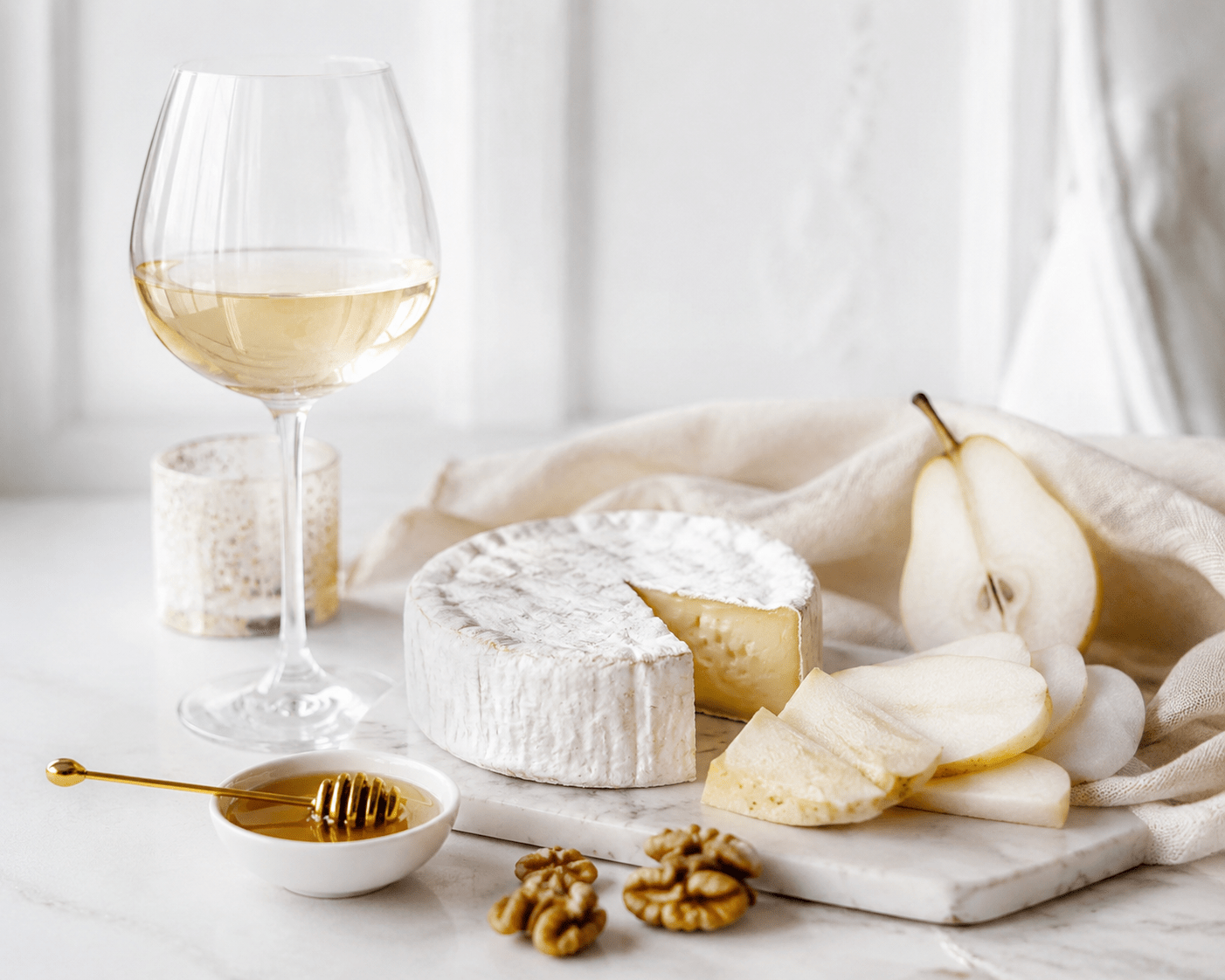
Sparkling wine fades fastest because it loses its bubbles. With a hinged sparkling stopper in the fridge, Champagne and Cava usually stay lively for one to three days; Prosecco, made with a gentler tank method, tends to go flat a little sooner. The old spoon-in-the-neck trick does not do much, so use a real stopper. Light whites and rosés, such as Sauvignon Blanc, Pinot Grigio, and Provence rosé, keep about three to five days recorked in the fridge, though their bright aromas fade a little each day. Full-bodied whites like oaked Chardonnay and Viognier also last about three to five days; their richer texture holds up well, but they can oxidize faster because barrel aging exposed them to some oxygen already.
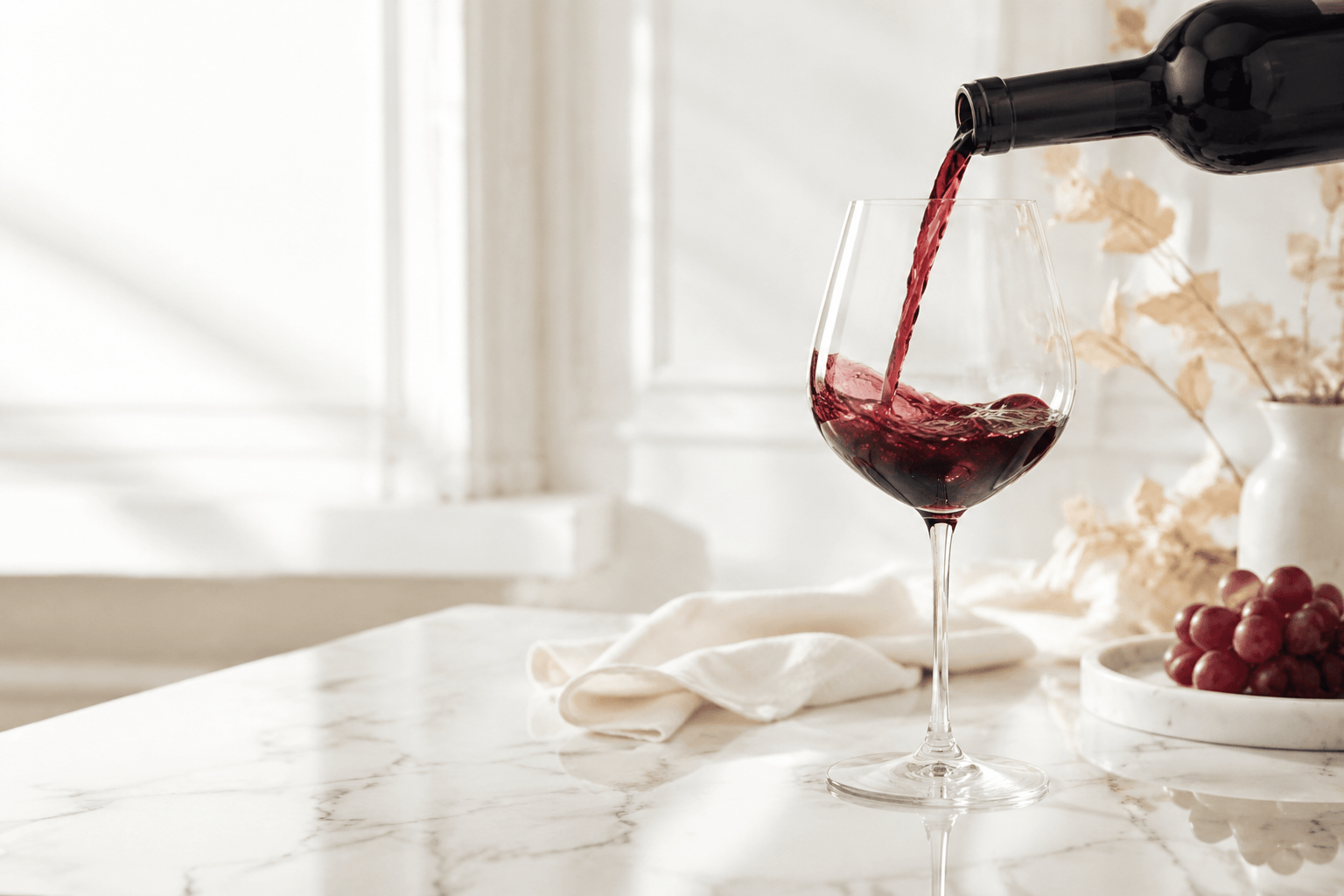
Most reds last three to five days once opened if you recork them and store them in the fridge. Yes, the fridge: room temperature speeds oxidation, so a recorked red left on the counter loses freshness faster. Just take it out 30 minutes before pouring, or warm the glass in your hands, to bring it back to about 60–65°F. Tannic, high-acid reds such as Cabernet Sauvignon, Nebbiolo, and Syrah often hold up well and can even taste better on day two. Light reds like Pinot Noir and Beaujolais are more fragile and taste best within two to three days. Very old wines are the exception: after years in bottle, they can fall apart within hours of opening, so plan to finish them the same evening. More on structure in tannins in wine.
Fortified wines last longest because of their high alcohol and, in many cases, sugar. Fino and Manzanilla Sherry are the exception: delicate and dry, they should be refrigerated and finished within about a week. Tawny Port and Madeira, which are already exposed to oxygen during aging, can last several weeks or more after opening. Ruby and Late Bottled Vintage Port keep roughly one to a few weeks. Sweet dessert wines like Sauternes and late-harvest Riesling last about three to seven days in the fridge, helped by sugar and acidity. Boxed wine is a standout for leftovers: the bag inside collapses as you pour, keeping air out, so it typically stays fresh for three to four weeks after opening.
Recork right after pouring, rather than leaving the bottle open all evening. If the cork will not go back in, use a reusable wine stopper or plastic wrap with a rubber band. Refrigerate every style, including red. Reduce the air in the bottle: pour leftovers into a smaller clean bottle or jar filled to the top, which can add a day or two. Vacuum pumps remove some air and help a little; inert-gas sprays such as argon blanket the wine and work better. Store the bottle upright once opened, so less wine surface touches air. Finally, if you only want a glass, consider half bottles or boxed wine. Proper long-term care for unopened bottles is covered in how to store wine.
Spoiled wine is not dangerous to taste, but it is unpleasant. Watch for these signs. A sharp, vinegary smell or nail-polish note means bacteria have turned some alcohol into acid. A flat, nutty, or bruised-apple smell in a white or rosé, or a dull brownish tint, signals oxidation. Reds may lose their fruit and taste thin, sour, or stewed. A sparkling wine that has gone completely flat is past its best for drinking. If you are unsure, pour a small taste: you will know quickly. Wine that is just past its prime but not vinegary still works for cooking stews, sauces, and risotto; see what to do with leftover wine and cooking with wine.
Put the cork or a stopper back in as soon as you have poured, instead of leaving the bottle open.
Store all opened wine in the fridge, including reds, since cold slows oxidation.
Pour leftovers into a smaller bottle or use a vacuum pump or inert-gas spray to limit oxygen.
Take refrigerated reds out about 30 minutes before drinking so they return to 60–65°F.
Check for vinegar, nail-polish, or nutty smells. If present, use the wine for cooking or discard it.
A clamp stopper keeps bubbles far better than a spoon in the neck.
Less headspace means less oxygen, adding a day or two of freshness.
For a glass a night, boxed wine stays fresh for weeks after opening.
Learn Your Taste
Answer a few simple questions and discover styles that fit your palate.
Take the Wine QuizIt is unlikely to make you sick, but most still wines taste flat, oxidized, or vinegary after a week. Fortified wines and boxed wine are exceptions. Use older leftovers for cooking instead.
Yes. Refrigeration slows oxidation, keeping red wine fresh for three to five days. Take it out about 30 minutes before serving so it warms to a pleasant drinking temperature.
Generally no. Wine that has turned usually just tastes sour or stale because of oxidation or acetic acid. If you see mold or anything unusual, throw it out and do not drink it.
About one to two days with a good sparkling stopper in the fridge. Prosecco's bubbles fade faster than Champagne's, so it is best finished soon after opening.
Usually three to four weeks. The bag inside collapses as wine is poured, so very little air reaches the wine. Keep boxed whites and rosés in the fridge once opened.
Not usually. A recorked bottle left out one night is generally fine, though it may lose some freshness. Refrigerate it the next day and drink it within a few days.