Pair Tannin With Fat
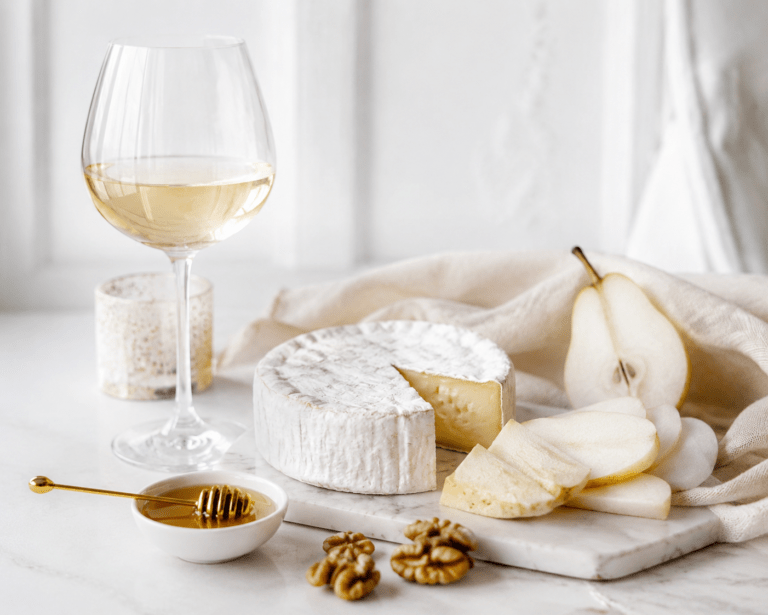
Bold reds taste smoother with steak, lamb, and aged cheese.

Understand Wine. Enjoy Every Glass.
Wine Basics
Ever sipped a red that made your mouth feel dry, like strong black tea? That sensation is tannin, and once you can spot it, wine gets much easier to understand.
Start Learning
What are tannins in wine, exactly? They are polyphenols, a group of natural compounds plants use for protection. In grapes, tannins live mostly in the skins, seeds, and stems. Oak barrels add their own tannins too. Tannins are not a flavor so much as a texture. They bind with proteins in your saliva, which makes your mouth feel dry and rough, the same effect you get from strong black tea, unripe bananas, or walnut skins. Red wines are high in tannin because the juice ferments with the skins and seeds for days or weeks. White wines are pressed off their skins first, so they have very little. Tannin is a big part of a wine’s structure, alongside acidity, alcohol, sweetness, and body. See how it fits the whole picture in wine body explained.
Tannin is easiest to feel, not taste. Take a sip of a young red and swish it around, then swallow and pay attention to your gums, the inside of your cheeks, and the front of your tongue. If they feel dry, rough, or a bit fuzzy, that is tannin. The stronger and longer that dry feeling, the more tannic the wine. Pay attention to quality too. Ripe, fine tannins feel smooth, like suede or velvet. Unripe or rough tannins feel coarse, sandpapery, and can taste bitter. Do not confuse tannin with acidity: acidity makes your mouth water, while tannin dries it out. For a quick lesson, taste a light Pinot Noir next to a young Cabernet Sauvignon. The difference in grip is obvious. More technique is in how to taste wine.
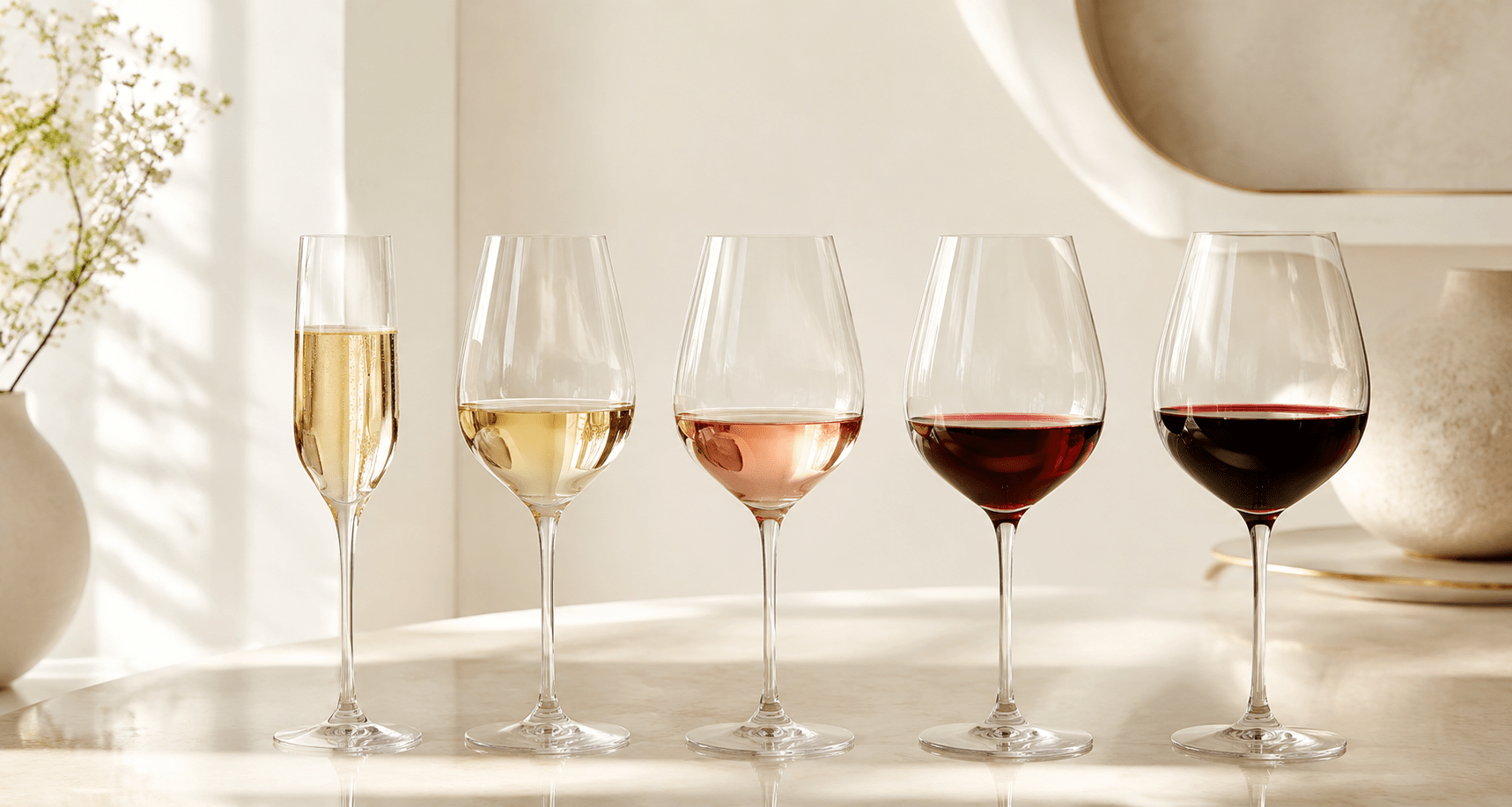
Tannin levels depend on the grape, how ripe it got, and how the wine was made. Thick-skinned grapes are the most tannic. High-tannin grapes include Nebbiolo from Barolo and Barbaresco, Tannat from Madiran and Uruguay, Cabernet Sauvignon, Petite Sirah, Syrah, and Aglianico. Medium-tannin reds include Merlot, Sangiovese, Tempranillo, Malbec, and Zinfandel. Low-tannin reds include Pinot Noir, Gamay from Beaujolais, Grenache, and Barbera. Winemaking matters too: longer skin contact, warmer fermentation, including stems, and aging in new oak all raise tannin. Rosé and orange wines pick up a little tannin from brief or extended skin contact, while most whites have almost none. If tannin bothers you, start with the low-tannin group.
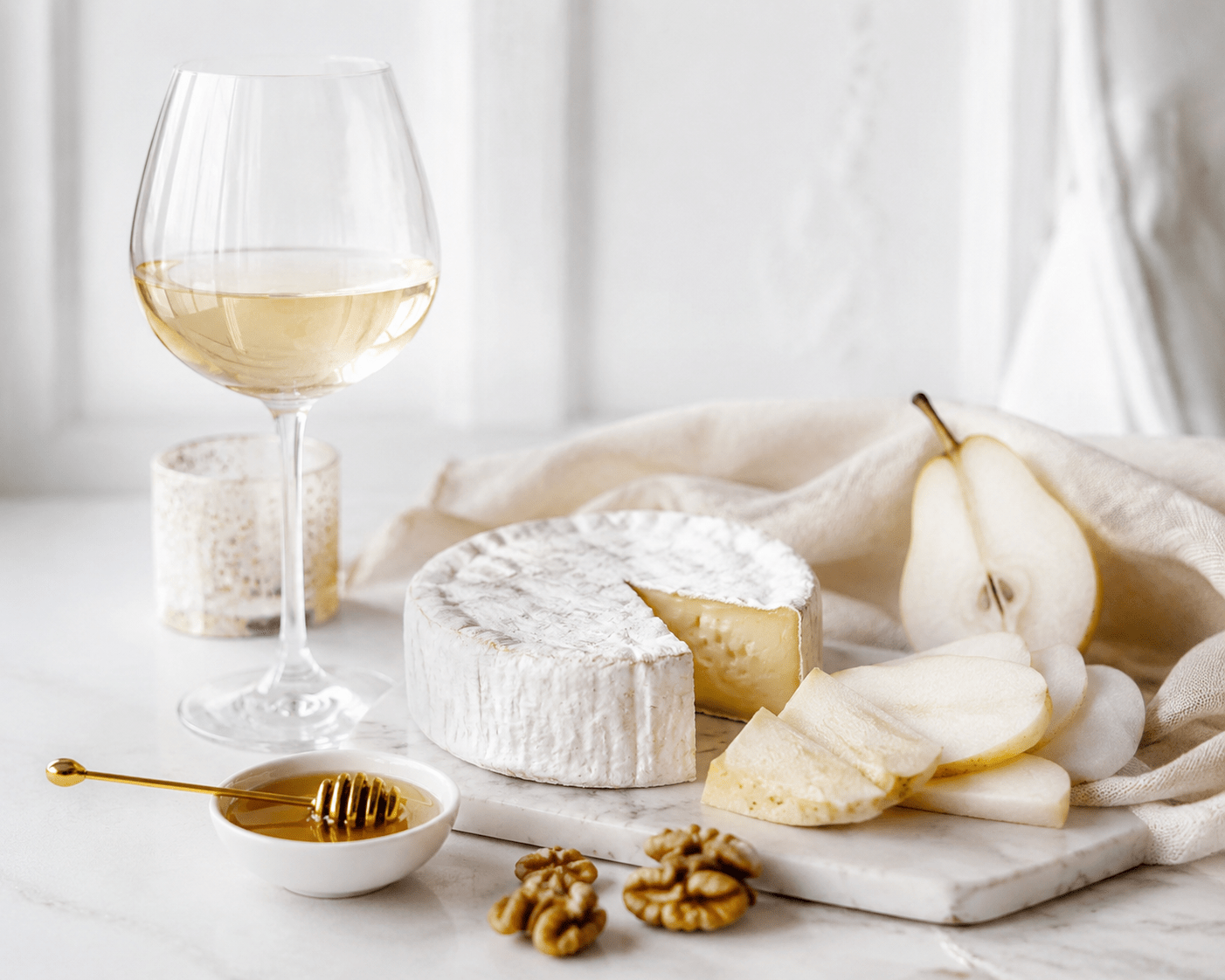
Tannin is a pairing superpower. Because it binds to protein and fat, a tannic wine tastes much smoother next to rich foods. That is why bold reds and steak are a classic match: the meat’s fat and protein coat your mouth and soften the wine’s grip, while the tannin cleanses your palate between bites. See it in action in wine with steak. Aged hard cheeses, lamb, and burgers work the same way. Salt also softens tannin, so a well-seasoned dish helps. On the other hand, tannin can clash with some foods. Oily fish can make tannic reds taste metallic, and spicy heat amplifies tannin’s bitterness. With those dishes, choose low-tannin reds, whites, or rosés instead. For more matches, browse wine with cheese.
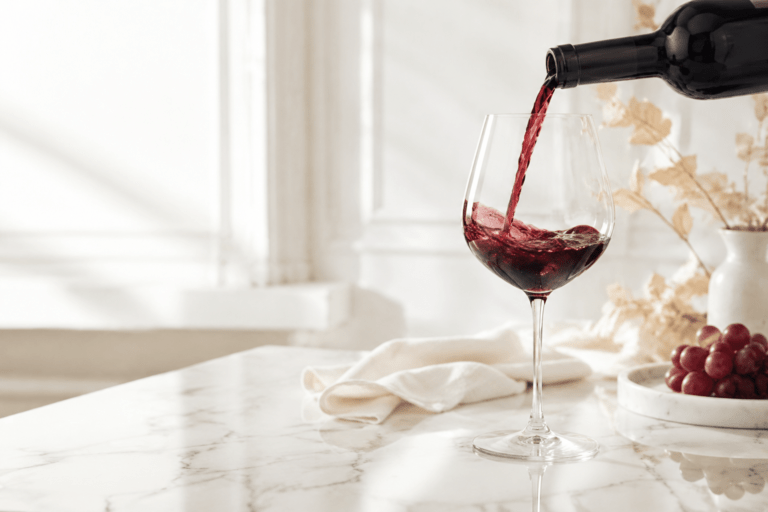
Tannin is one reason some red wines can age for decades. It acts as a natural preservative, protecting wine from oxidation. Over time in bottle, tannins slowly link together into larger molecules. They feel softer and smoother, and some drop out as sediment, which is why old reds often need careful pouring or decanting. A young Barolo or Bordeaux can taste harsh and grippy on release yet become silky after ten years or more. Not every tannic wine improves, though. Tannin needs enough fruit and acidity alongside it; if the fruit fades first, the wine just tastes dry. Air also softens tannin quickly in the short term, so decanting a young, tannic red for 30 to 60 minutes often makes it more approachable tonight.
Choose a Pinot Noir or Beaujolais and a young Cabernet Sauvignon or Nebbiolo to compare.
Swish it around your mouth, swallow, and notice how little your gums dry out.
Repeat with the bold red. Notice the dry, grippy feeling on your gums, cheeks, and tongue.
Ask if the tannin feels smooth like velvet or coarse like sandpaper. Smooth usually means riper tannin.
Eat a bite of aged cheddar, then sip the bold red again. Notice how much softer it feels.
Bold reds taste smoother with steak, lamb, and aged cheese.
Thirty to sixty minutes of air softens the grip of tannic wines.
Around 60–65°F is ideal; much colder makes tannin taste harsher.
Learn Your Taste
Answer a few simple questions and discover styles that fit your palate.
Take the Wine QuizTannins are natural plant compounds also found in tea, coffee, chocolate, and nuts. They are not considered harmful for most people. If you suspect a sensitivity or have health concerns, talk to a doctor.
Possibly for some people, but the evidence is not conclusive. Headaches after wine may relate to alcohol, histamines, or other compounds. If headaches are frequent, keep a record and consult a doctor.
Very little. White wine is usually pressed off its skins before fermentation, so it picks up minimal tannin. Oak-aged whites and orange wines, made with skin contact, can have a noticeable amount.
Pinot Noir, Gamay from Beaujolais, Grenache, and Barbera are among the lowest-tannin reds. They feel soft and smooth, making them good choices if bold, drying reds feel too harsh.
Not quite. Dry means a wine has no noticeable sugar. Tannin causes a drying sensation in your mouth. A wine can be dry with low tannin, like Sauvignon Blanc, or dry and very tannic.
Give the wine air by decanting it for 30 to 60 minutes, serve it at 60–65°F rather than colder, and pair it with fatty, salty, protein-rich foods like steak or aged cheese.