Serve Mendoza Malbec at 60–65°F
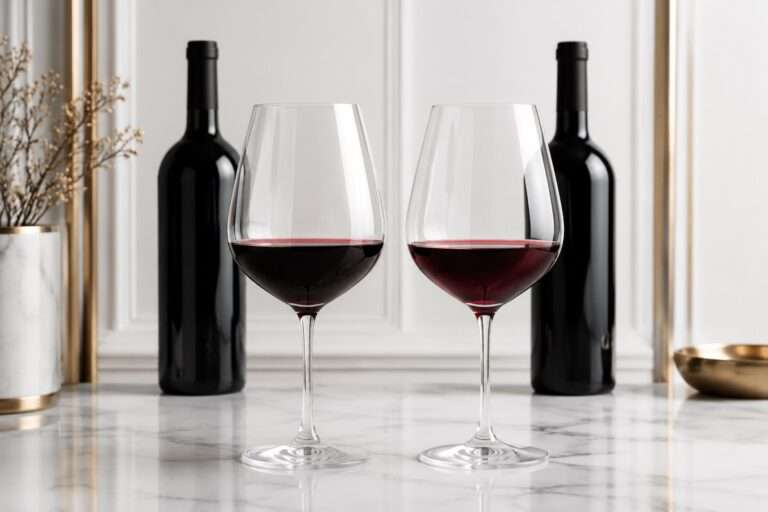
A short chill keeps Malbec's ripe plum fruit juicy rather than jammy.

Understand Wine. Enjoy Every Glass.
Wine Regions
Mendoza turned Malbec into a global favorite. Here is how sunshine, snowmelt, and altitude in the Andes create such plush, juicy reds, and where to start tasting.
Start Learning
Malbec arrived in Argentina from France in the 1800s, but it found its true home in Mendoza. In its French homeland, especially around Cahors and Bordeaux, the grape often struggled with damp weather and could taste rustic. Mendoza’s climate solved those problems. The vineyards sit in a high, dry desert at the foot of the Andes, with lots of sunshine and little rain. Sun ripens the thick-skinned grapes fully, giving deep purple color and ripe fruit. Altitude brings cold nights that lock in freshness. Dry air keeps rot and mildew away. Growers irrigate with snowmelt from the mountains, so they control exactly how much water the vines get. Put together, these conditions give Mendoza Malbec its signature mix of plush fruit, soft tannins, and lively acidity.
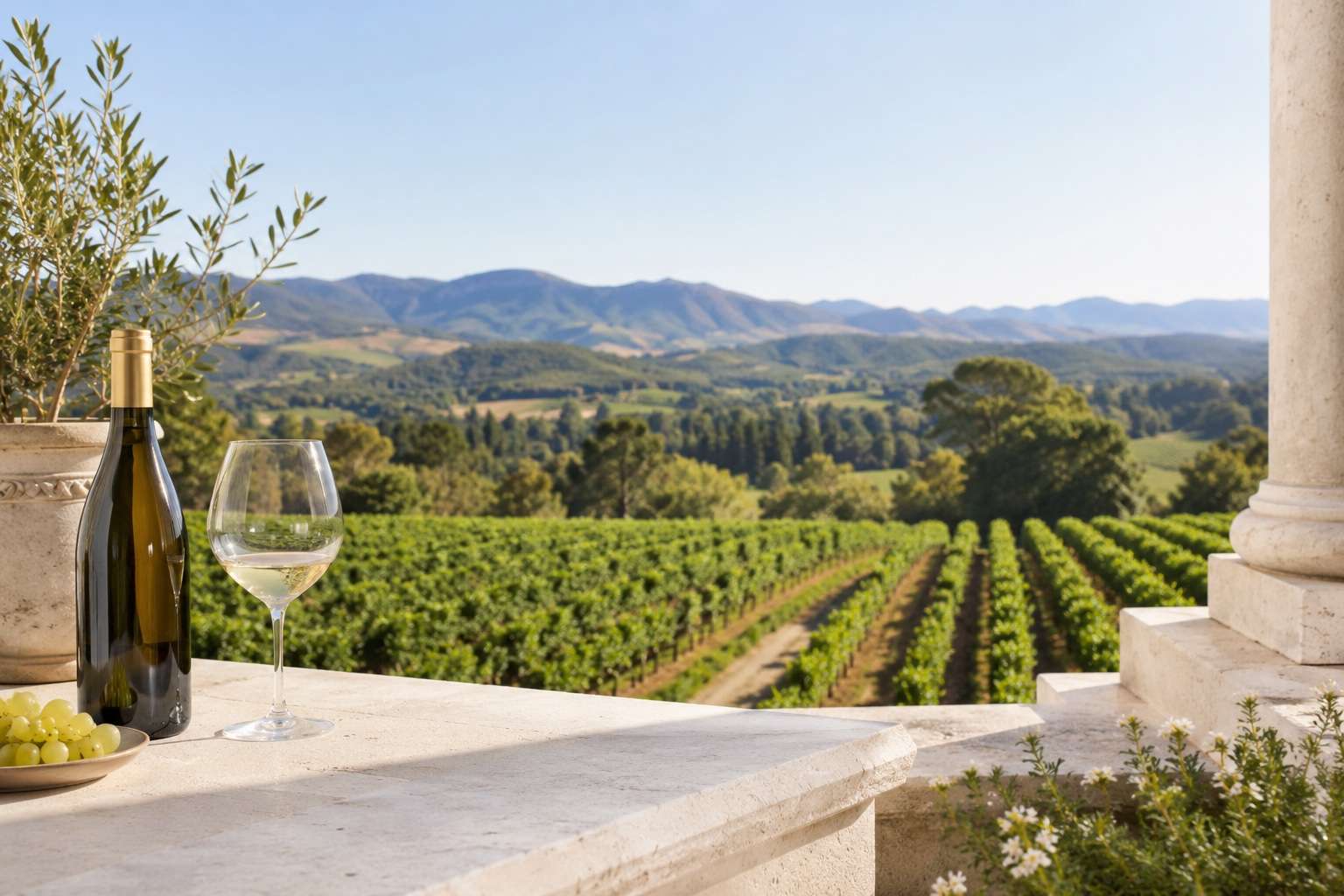
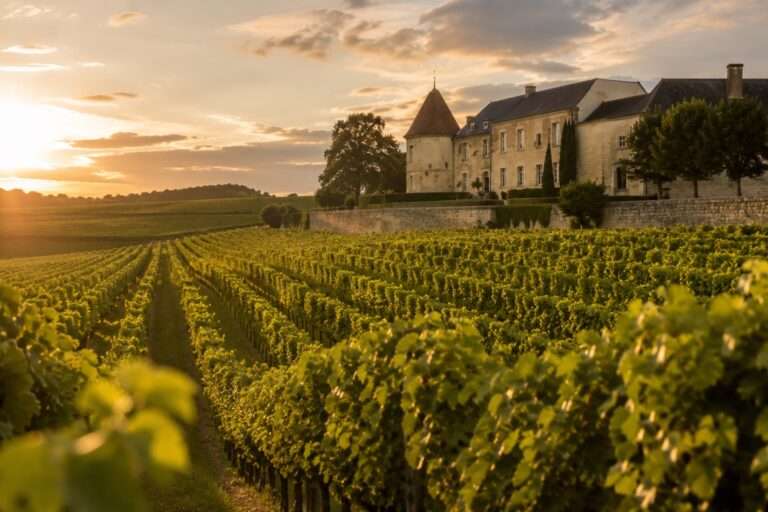
Mendoza is in western Argentina, right against the Andes and the Chilean border, and it is the country’s largest wine region by far. Most vineyards sit high, often somewhere between about 2,000 and 5,000 feet above sea level, with the highest sites climbing even more. At that altitude, the sun is intense, but temperatures drop sharply after dark, even in midsummer. That big day-to-night swing is the secret to ripe yet fresh wines. Rain is scarce, so the land is essentially desert, and vineyards depend on canals and drip lines fed by mountain snowmelt. Soils are mostly loose, sandy, and stony alluvium washed down from the mountains, with excellent drainage. Hailstorms and a hot, dry wind called the Zonda are the main weather risks.
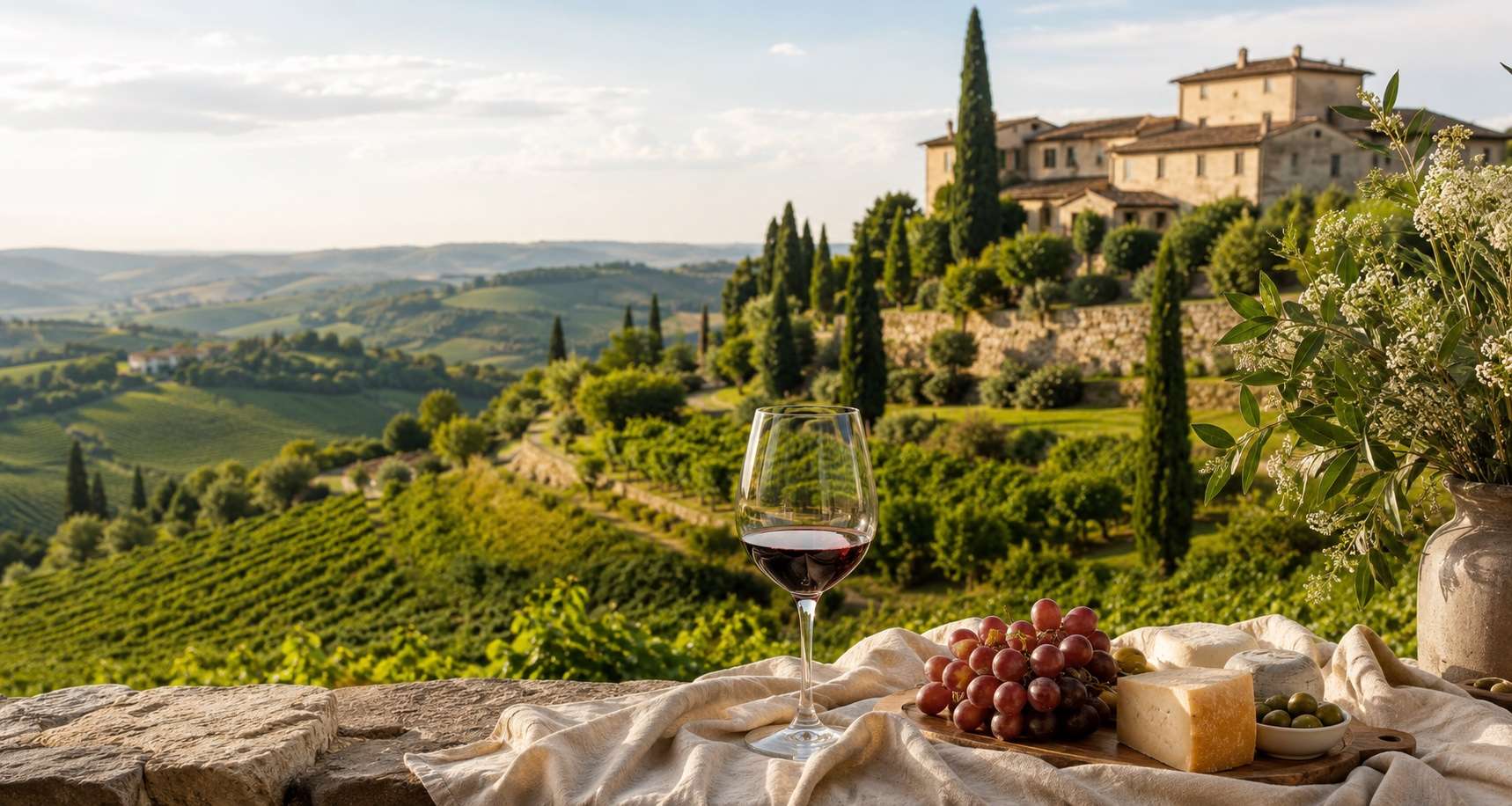
Luján de Cuyo, just south of Mendoza city, is the classic heartland, with many old Malbec vines and rich, rounded wines with plum and chocolate notes. Next door, Maipú is one of the oldest growing areas and makes ripe Malbec and Cabernet Sauvignon close to the city. About an hour or more south, the Uco Valley is the exciting newer frontier. Its vineyards, in areas such as Tupungato, Tunuyán, and San Carlos, sit higher and cooler, so the wines show brighter acidity, fresh red and black fruit, and floral violet aromas. Many top single-vineyard wines now come from the Uco Valley. Eastern Mendoza is lower, hotter, and produces much of the everyday wine, while San Rafael, farther south, is a smaller, quieter area with its own character.
Start with a basic Mendoza Malbec, often under $20 and easy to find. Expect blackberry, plum, cocoa, and a soft, velvety finish. Then compare it with a Uco Valley Malbec to taste how altitude adds freshness and floral perfume. Mendoza makes excellent Cabernet Sauvignon too, usually riper and softer than Bordeaux; our Malbec vs Cabernet Sauvignon guide shows the difference. Look for Cabernet Franc, an increasingly popular red with herbal spice, and Bonarda, a juicy, low-tannin red that is great for casual meals. Malbec-Cabernet blends combine plush fruit with firmer structure. For whites, Mendoza makes fresh Chardonnay from cooler high sites, and Argentina’s aromatic Torrontés, though best known from Salta in the north, also appears on Mendoza shelves.
In Argentina, Malbec means asado, the wood-fired barbecue of beef, sausages, and grilled vegetables. Malbec’s plush fruit and gentle tannins suit almost any steak, especially leaner cuts like strip or skirt, and its acidity cuts through the herbs, garlic, and vinegar of chimichurri. It is also excellent with burgers, smoky barbecue, beef empanadas, and provoleta, grilled provolone cheese. Mushroom dishes, lentil stews, and roasted eggplant work well for vegetarians. Uco Valley Malbecs, with their brighter acidity, pair nicely with lamb and herb-crusted pork. Serve Malbec at 60–65°F; a too-warm bottle can taste jammy and alcoholic. Young Malbec is usually smooth enough to drink right away, but bigger reserve bottles benefit from 30 minutes of air.
Mendoza city is a leafy, walkable base with tree-lined streets and irrigation channels running beside the sidewalks. Maipú and Luján de Cuyo are close enough for a day of tastings, and Maipú is popular for bike tours between wineries. The Uco Valley takes longer to reach but offers stunning mountain views and leisurely lunches. Remember that seasons are reversed: harvest runs from about February to April, and the city celebrates with a big harvest festival, the Vendimia, in late summer. Spring and fall are the most comfortable times to visit. The sun is strong at altitude, so bring sunscreen and water. Book winery visits ahead, and expect many businesses to close for a long afternoon break.
| Grape or Style | Character | Try It With |
|---|---|---|
| Luján de Cuyo Malbec | Ripe plum, chocolate, velvety, full body | Grilled ribeye or asado |
| Uco Valley Malbec | Fresher, violet, red and black fruit, bright | Herb-crusted lamb or pork |
| Mendoza Cabernet Sauvignon | Ripe blackcurrant, soft tannins, warm | Burgers or short ribs |
| Malbec-Cabernet blend | Plush fruit with firmer structure | Steak with chimichurri |
| Bonarda | Juicy, low tannin, cherry and plum | Pizza or beef empanadas |
| High-altitude Chardonnay | Fresh citrus, stone fruit, light oak | Grilled chicken or trout |
A short chill keeps Malbec's ripe plum fruit juicy rather than jammy.
Uco Valley on a label signals higher, cooler vineyards and fresher, more floral Malbec.
Bonarda and Cabernet Franc show a different, equally tasty side of Mendoza.
Learn Your Taste
Answer a few simple questions and discover styles that fit your palate.
Take the Wine QuizMendoza's high, sunny, dry vineyards suit Malbec perfectly. Strong sun ripens the grape fully, cool nights keep it fresh, and dry air prevents disease. The result is smooth, deeply colored Malbec with plum and blackberry flavors that became a worldwide favorite.
Ripe plum, blackberry, and black cherry, often with violet, cocoa, and a little vanilla from oak. It is medium- to full-bodied with soft, velvety tannins. High-altitude versions are fresher and more floral; lower, warmer sites are richer and rounder.
Malbec originated in southwest France, where it is the main grape of Cahors and a minor Bordeaux grape. It arrived in Argentina in the 1800s and thrived in Mendoza, which now makes most of the world's best-known Malbec.
Dry. Mendoza Malbec has almost no residual sugar. Its very ripe fruit can give an impression of sweetness, especially in warmer, riper styles, but the wine itself is dry and pairs naturally with savory food.
Fall, from about March to May, brings harvest, golden vineyards, and the Vendimia festival. Spring, around October and November, is also lovely. Summer can be very hot, and winter is cold but good for combining wine with skiing in the Andes.
High-altitude Malbec. The Uco Valley sits higher and cooler than the area around Mendoza city, so its wines are fresher, more floral, and more structured. It is also known for Chardonnay, Cabernet Franc, and stunning Andes views.