Smell, Then Sip
Torrontés smells sweet but tastes dry. Notice the surprise on your palate.

Understand Wine. Enjoy Every Glass.
Grape Varieties
Torrontés is Argentina's signature white: it smells like a bouquet of flowers but finishes dry and crisp. Here is how it tastes, where it grows, and what to serve with it.
Start Learning
Torrontés wine is a delightful surprise. Its nose is intensely floral and fruity, with rose petal, jasmine, orange blossom, honeysuckle, ripe peach, and lychee, so many people expect it to be sweet. Then you taste it, and it is usually dry, with lemon, lime, apricot, and a crisp, slightly bitter finish, like citrus zest or grapefruit pith. That contrast between a perfumed nose and a dry palate is the grape’s signature. On the palate, Torrontés is light- to medium-bodied with moderate acidity and moderate to fairly high alcohol. Most is unoaked and made to be enjoyed young. If you like the aromas of Moscato but prefer a dry wine, Torrontés is your bottle.
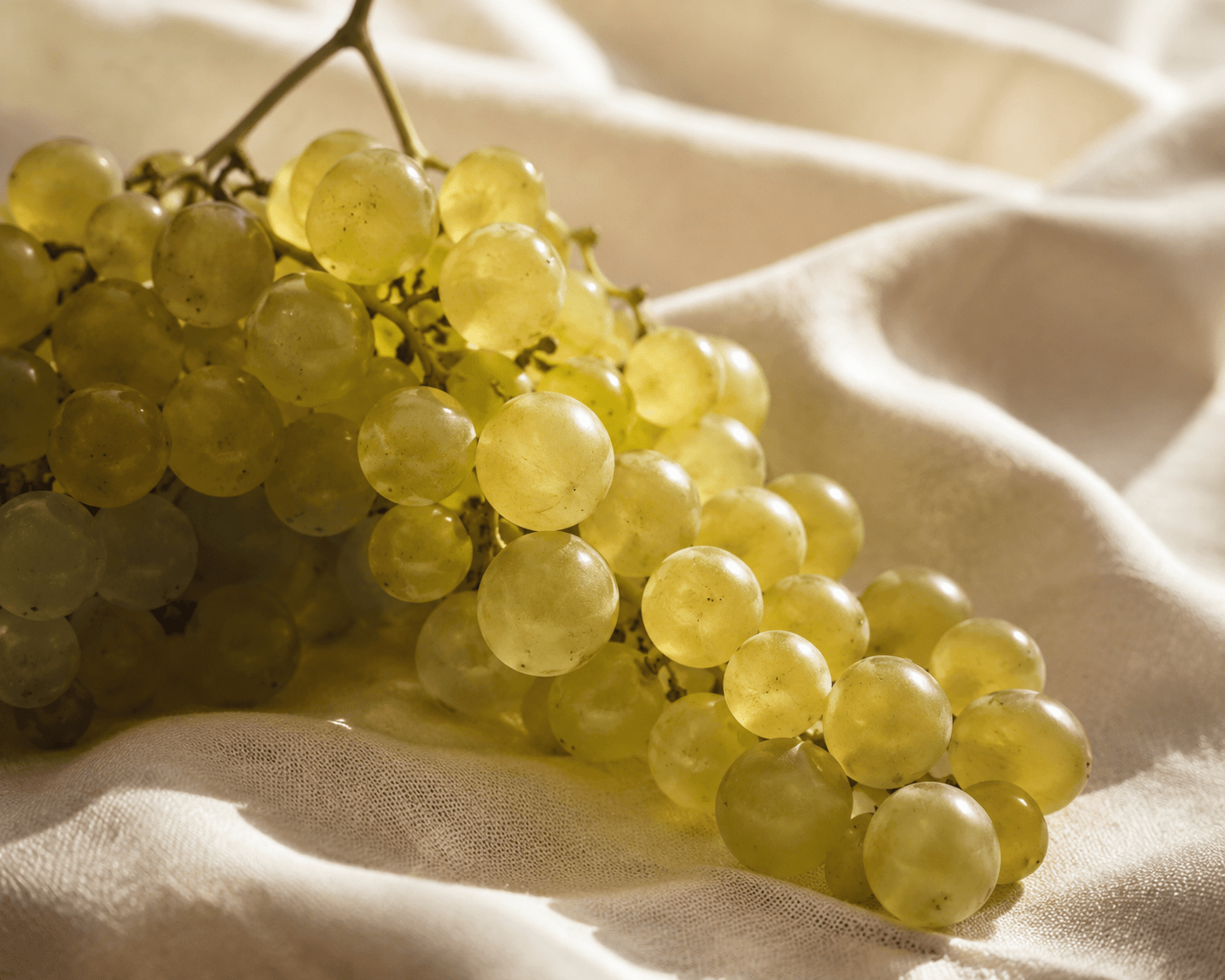
Torrontés is grown almost exclusively in Argentina, and the best comes from the province of Salta in the far north. Here, around the town of Cafayate in the Calchaquí Valleys, vineyards are planted at extreme altitude, many above 5,000 feet, making them among the highest in the world. At that height, sunlight is intense, nights are cold, and the air is dry. The sun builds ripe, aromatic fruit, while the cold nights preserve acidity and freshness. Torrontés also grows in La Rioja province and in Mendoza and San Juan, where it tends to be softer and less aromatic. A little is planted in Chile and elsewhere, but Torrontés remains a true Argentine specialty, alongside the country’s red star, Malbec.
There is not just one Torrontés. Argentina grows three related grapes with the name. Torrontés Riojano is the most planted and the highest quality, with the most intense floral aromas; it is the one used in most bottles you will find, especially from Salta. Torrontés Sanjuanino, named for San Juan province, is less aromatic. Torrontés Mendocino is the least aromatic and only partly related to the other two. DNA research shows that Torrontés Riojano is a natural cross of Muscat of Alexandria and Criolla Chica, a grape brought to the Americas by Spanish settlers. That Muscat parentage explains its perfume. When a label just says Torrontés, it is almost always Torrontés Riojano. Note that Spain’s Torrontés, from Galicia, is a different grape entirely.
Serve Torrontés at 45–50°F. Cold enough to feel crisp, but not so cold that its famous perfume is muted. Two hours in the refrigerator is about right. Use a white wine glass with a tapered rim to capture the floral aromas. There is no need to decant. Torrontés is made to drink young, ideally within one to two years of the vintage, while its aromas are vivid; they fade with age. A higher-altitude Salta bottle will usually have more aromatic intensity and freshness than one from warmer, lower regions. Opened bottles last two to three days in the fridge with a stopper. Its low price and big aroma make it a fun choice for a crowd.
Torrontés wine’s floral perfume and crisp finish suit aromatic, spicy, and citrusy dishes. In Argentina, it is the classic match for empanadas, especially chicken or vegetable fillings, and for locro and humitas. It is excellent with ceviche, where its citrus notes mirror the lime. Its aromatic character also handles spicy food well, so try it with Thai food like green curry or pad Thai, Indian curries, Vietnamese dishes, and Sichuan stir-fries. Sushi, fish tacos, and shrimp with cilantro and lime work too. Soft goat cheese and fresh fruit salads are good snacks. Avoid heavy red meat, very oaky dishes, and rich cream sauces, which clash with its perfume.
Look for Torrontés from Salta, especially Cafayate or the Calchaquí Valleys, for the most aromatic and refreshing style. Most bottles are affordable, often under $15. Choose the most recent vintage you can find, since freshness is key. If a bottle seems flat or heavy, it may be from a warmer, lower-altitude region or simply too old. If you enjoy Torrontés, try Gewürztraminer for a richer, spicier floral white with lychee. Viognier offers similar floral notes with more body and apricot. Dry Muscat from Alsace shares the Muscat perfume, and Albariño is a crisp alternative with less perfume and more citrus.
| Region or Type | Style | What to Expect |
|---|---|---|
| Cafayate, Salta | High-altitude, aromatic | Intense rose, jasmine, peach; crisp and fresh |
| Calchaquí Valleys, Salta | Mountain-grown | Floral, citrus, bright acidity |
| La Rioja, Argentina | Warmer, softer | Ripe fruit, gentler perfume |
| Mendoza and San Juan | Lower altitude | Softer, less aromatic, easy drinking |
| Torrontés Riojano | Main quality type | The classic floral style on most labels |
| Late-harvest Torrontés | Sweet, rare | Honeyed peach and orange blossom |
Torrontés smells sweet but tastes dry. Notice the surprise on your palate.
Salta and Cafayate on the label signal the most aromatic, fresh Torrontés.
Thai, Indian, and Peruvian dishes bring out the floral best in Torrontés.
Learn Your Taste
Answer a few simple questions and discover styles that fit your palate.
Take the Wine QuizMost Torrontés is dry. Its intense floral and peach aromas make many people expect sweetness, but the palate is usually crisp and dry, with a slightly bitter finish. A few late-harvest sweet versions exist but are uncommon.
Say it tor-rone-TEZ, with the stress on the last syllable. The accent mark on the final e tells you where the emphasis goes. Shops and restaurants will also understand tor-ron-TESS.
They share a floral, grapey perfume because Torrontés Riojano has Muscat of Alexandria as a parent. The big difference is sweetness: Moscato is usually sweet and fizzy, while Torrontés is usually dry and still.
Torrontés is Argentina's signature white grape. The best comes from Salta province, especially around Cafayate, where high-altitude vineyards give intense aromas and fresh acidity. It also grows in La Rioja, Mendoza, and San Juan.
Empanadas, ceviche, Thai curries, Indian dishes, Vietnamese food, and sushi all pair well. Torrontés also works with shrimp and fish tacos with lime and cilantro, plus soft goat cheese.
No, Torrontés is best young. Its floral aromas are most vivid within one to two years of the vintage. As it ages, the perfume fades and the wine can taste flat, so buy the most recent vintage available.