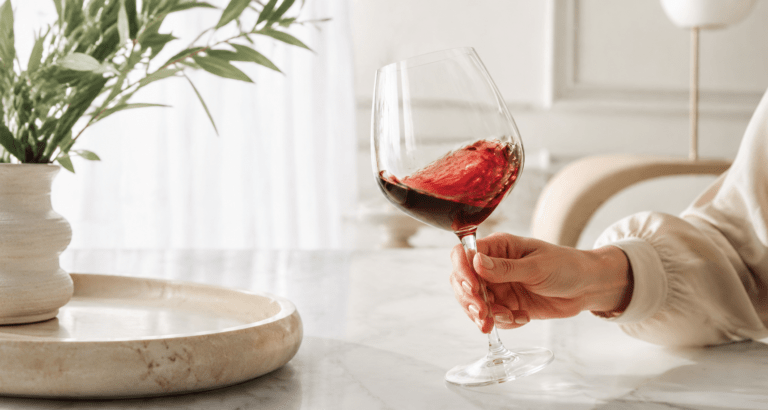
Go Recent for Whites
Most whites and rosés taste best within one to three years of the vintage.

Understand Wine. Enjoy Every Glass.
Wine Basics
That year printed on a wine label is not when the wine was bottled. It is when the grapes were picked, and in some regions it changes the wine a lot.
Start Learning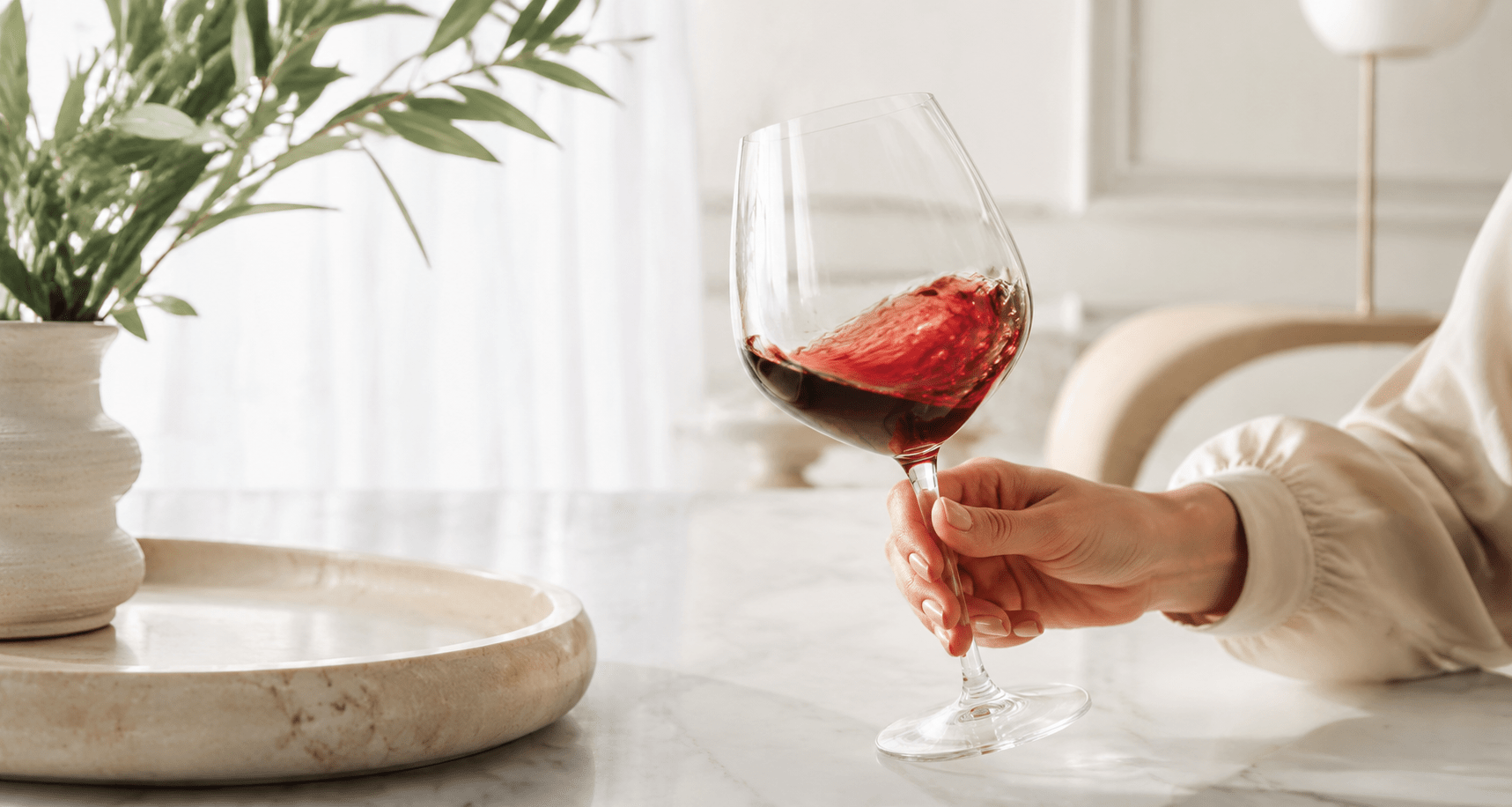
The wine vintage meaning trips up a lot of beginners. The year on the label is the harvest year: the growing season when the grapes ripened and were picked. It is not the bottling date or release date. A red labeled 2021 might have aged in barrel for two years and reached shelves in 2024. In the Southern Hemisphere, harvest happens around February to April, so a 2024 Chilean or Australian wine was picked early in 2024, while a 2024 French wine was picked in fall 2024. Rules require that most of the grapes come from the stated year. In the US and European Union, at least 85% must come from that vintage, and US wines labeled with an American Viticultural Area need 95%. To see where the vintage sits on a bottle, check how to read a wine label.
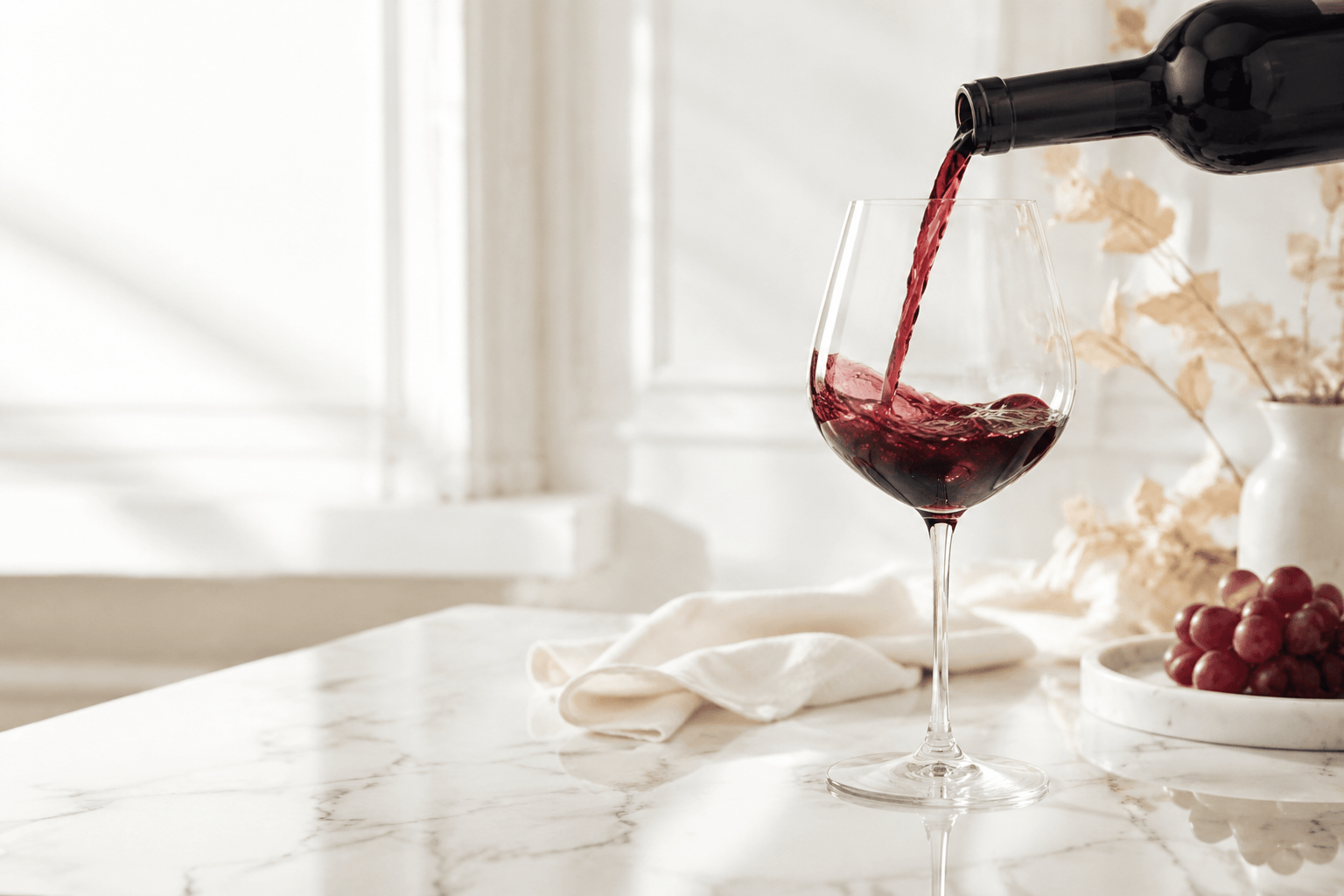
Grapes are a farm crop, and every growing season brings different weather. A warm, sunny, dry year typically produces fully ripe grapes with concentrated fruit, softer acidity, riper tannins, and higher alcohol. A cool or rainy year can leave grapes less ripe, giving lighter body, higher acidity, and sometimes green or herbal flavors. Rain at harvest can dilute flavor or cause rot. Spring frost and summer hail can slash yields, while heat waves can push grapes to overripeness. Skilled winemakers adapt by sorting grapes more strictly, adjusting picking dates, or changing how they extract tannin and color. That is why good producers often make good wine even in tough vintages. Cooler years are not always worse, either: some wine lovers prize them for freshness and elegance. Learn how acidity shapes this in acidity in wine.
Vintage matters most where weather swings a lot from year to year and where wines are built to age. Classic examples include Bordeaux, Burgundy, Champagne, Piedmont’s Barolo and Barbaresco, Germany’s Mosel and Rheingau, and Oregon’s Willamette Valley. In these places, one year can taste markedly different from the next, and prices often follow critics’ views of the vintage. Vintage matters less for wines from warm, sunny, consistent climates such as much of California’s Central Valley, inland Australia, or central Chile, where grapes ripen reliably every year. It also matters less for everyday bottles under $20, which are made to taste consistent and are best drunk young. For those, the main question is simply freshness: buy the most recent vintage available.
Some wines deliberately skip the vintage. Non-vintage wines, marked NV, blend wine from several harvests. This is the norm for most Champagne and many other sparkling wines, where houses hold back reserve wines from previous years to create a consistent house style regardless of weather. Many inexpensive table wines, boxed wines, and some fortified wines like Tawny Port and most Sherry are also blended across years. Vintage Champagne, by contrast, is made only in years the producer considers outstanding, from that year’s grapes alone, and it is aged longer before release. Vintage Port works similarly: producers declare a vintage only in exceptional years. In these cases, the word “vintage” signals a special, age-worthy wine. NV does not mean low quality; it simply prioritizes consistency over the character of a single year.
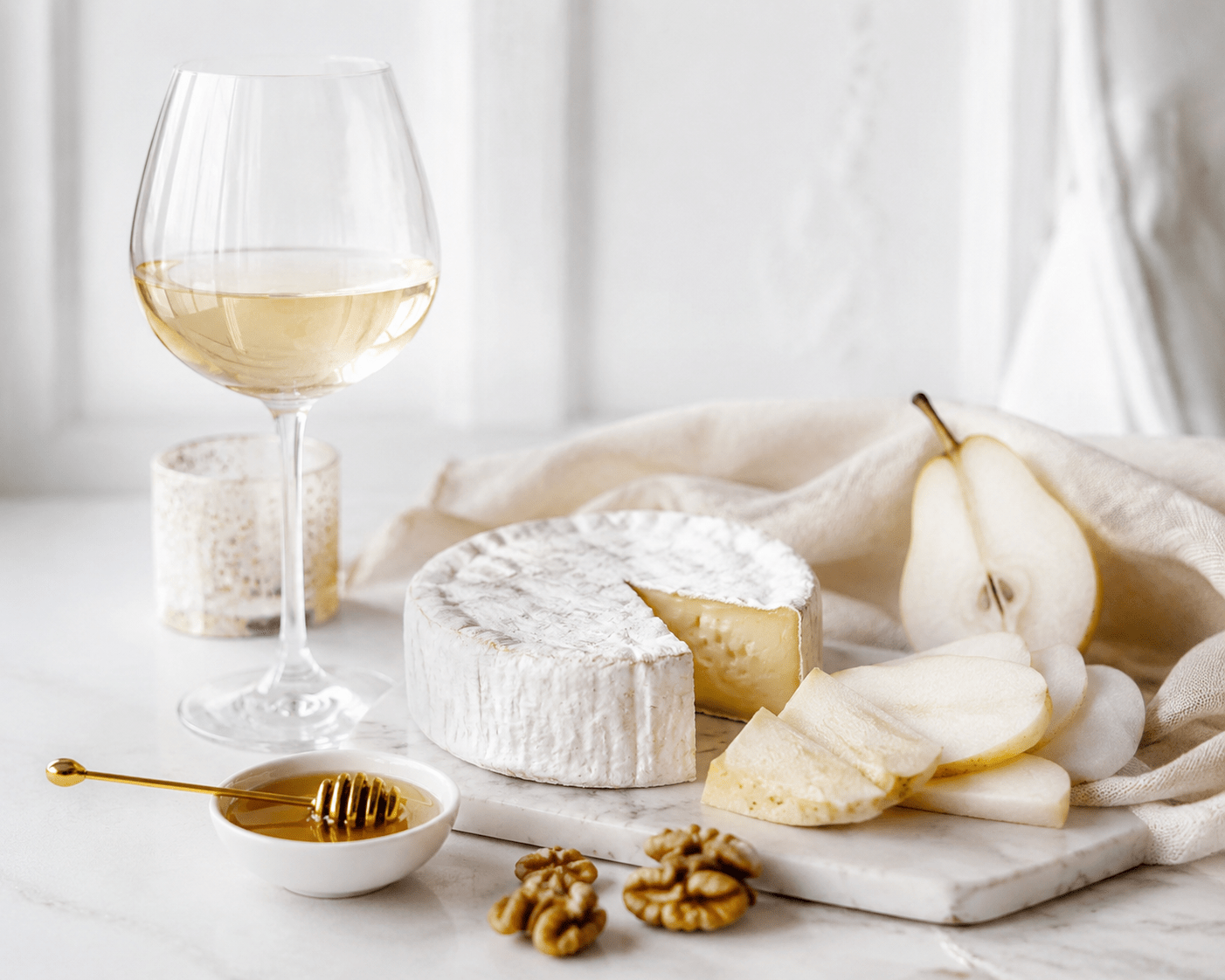
The vintage also tells you a wine’s age, which helps you decide when to drink it. Most white wines, rosés, and light reds are best within one to three years of the vintage, while their fruit is fresh. Structured reds like Cabernet Sauvignon, Barolo, and Rioja Gran Reserva can improve for a decade or more, especially from strong vintages with concentrated fruit and firm tannin. Wines from lighter vintages are often ready sooner. As wine ages, fresh fruit fades and savory flavors like leather, earth, dried fruit, and mushroom appear; color shifts from purple toward brick in reds and from lemon toward gold in whites. Older bottles may need decanting to remove sediment. Good storage matters as much as vintage; see how to store wine.
For everyday shopping, keep it simple: choose a recent vintage for fresh whites, rosés, and light reds, and do not overpay for an older one. When buying wines from vintage-sensitive regions, especially at higher prices, a quick check of vintage reputation helps; wine shops and many retailers can tell you whether a year was considered warm, cool, or challenging. At restaurants, ask the server if the vintage on the list matches the bottle, since lists are sometimes out of date. Remember that vintage charts are generalizations: a talented producer can make excellent wine in a difficult year, often at a better price. For more buying strategy, see how to buy wine, and understand how scores relate to vintages in wine ratings explained.
Look on the front label, neck, or back label for the vintage. NV means a multi-year blend.
Decide if it is a fresh, drink-young style or a structured wine built for aging.
Note whether the wine comes from a variable climate, like Burgundy, or a consistent one, like inland Australia.
For pricier wines from variable regions, ask a shop or check a vintage chart for that year.
Drink fresh styles within a few years; cellar structured wines from strong vintages longer.
| Wine Style | Vintage Importance | What to Look For |
|---|---|---|
| Fresh whites and rosé | Low | Buy the most recent vintage for freshness |
| Everyday reds under $20 | Low | Recent vintage; consistency is the goal |
| Bordeaux, Burgundy, Barolo | High | Vintage reputation affects quality and price |
| German Riesling | High | Warm years ripen more; cool years keep high acidity |
| Non-vintage Champagne | None | Blend of years for a consistent house style |
| Vintage Champagne or Port | Very high | Made only in exceptional years; built to age |
Most whites and rosés taste best within one to three years of the vintage.
Skilled winemakers often make delicious wine in difficult years, often at lower prices.
At restaurants, confirm the bottle's vintage matches the wine list.
Learn Your Taste
Answer a few simple questions and discover styles that fit your palate.
Take the Wine QuizNo. Vintage simply refers to the harvest year printed on the label. A wine from last year is still a vintage wine. The term vintage does not by itself imply age or quality.
NV stands for non-vintage, meaning the wine blends grapes or wine from more than one harvest year. It is common for Champagne and other sparkling wines seeking a consistent house style.
No. The vintage is the year the grapes were harvested. Bottling can happen months or years later, depending on how long the wine ages in tanks or barrels.
Not necessarily. Most wines are made to drink young and decline with age. Only structured wines with good acidity, tannin, or sweetness improve over many years, and only with proper storage.
A good vintage is a year when the weather allowed grapes to ripen evenly and healthily, producing balanced, concentrated wines. What counts as good varies by region and by personal taste.
Some producers blend multiple years to keep flavor consistent, as in non-vintage Champagne, Tawny Port, and many everyday or boxed wines. Blending smooths out weather differences between harvests.