Match Food Acidity
Pick a wine at least as acidic as the dish, especially with tomato or vinaigrette.

Understand Wine. Enjoy Every Glass.
Wine Basics
Acidity is what makes wine taste fresh, lively, and mouthwatering. Without it, wine tastes flat and heavy. Here is how to spot it and why it matters.
Start Learning
Acidity in wine is the tart, sour quality that makes wine taste crisp and refreshing. Think of the difference between flat, sugary juice and a glass of lemonade with a real lemon kick. All wines are acidic, with a pH typically between about 3 and 4, far more acidic than water. The main acids come from the grapes themselves. Tartaric acid is the most important and is fairly unique to grapes among common fruits. Malic acid tastes like green apples and is higher in cooler years. Smaller amounts of citric acid appear too. During winemaking, lactic acid can form when malic acid is converted, a process explained below. Acidity is one of the five core parts of a wine’s structure, alongside sweetness, tannin, alcohol, and body. Together they create balance; see wine body explained.
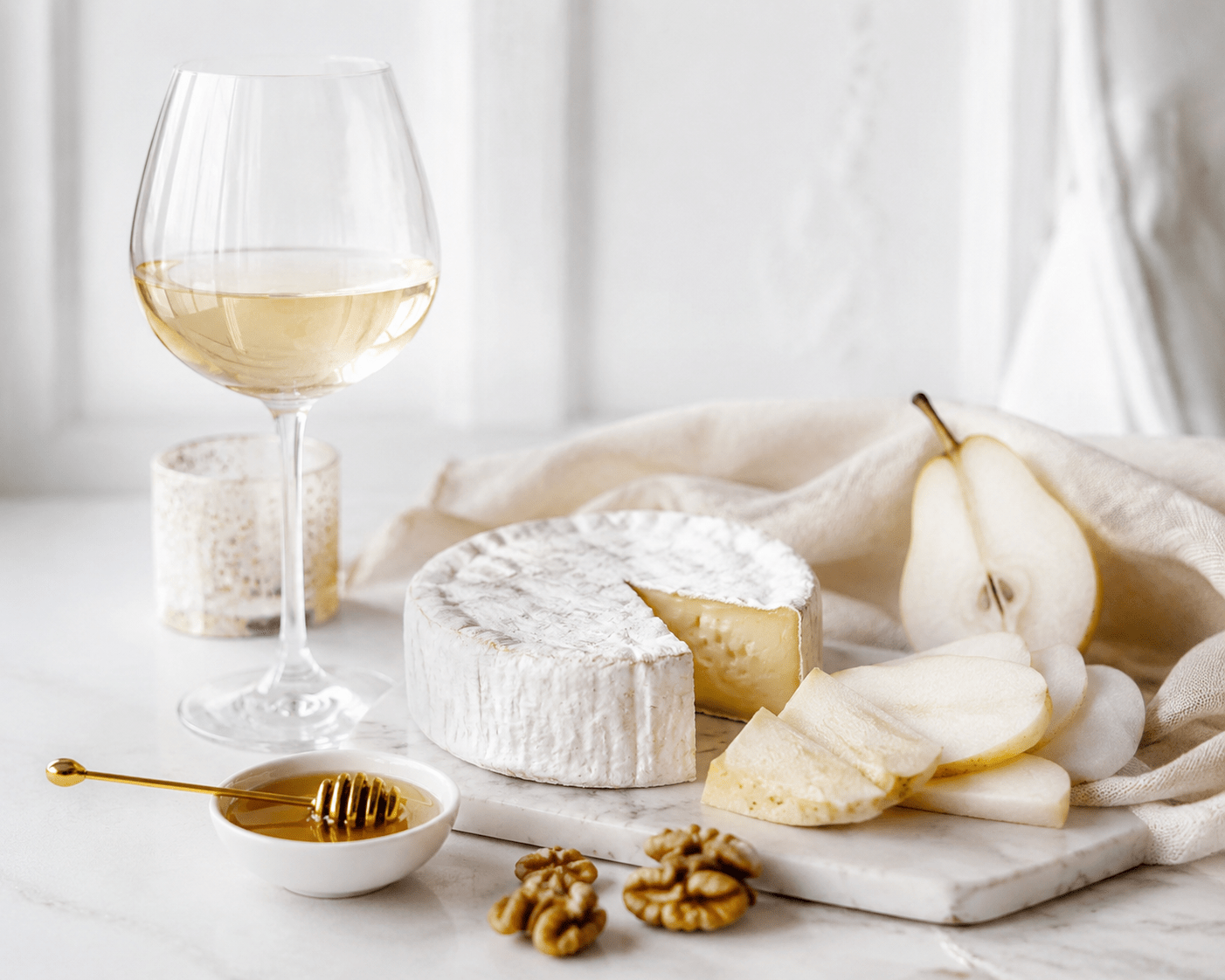
Acidity is easy to feel once you know where to look. Take a sip, swallow, then lean your head forward slightly and notice the sides of your tongue and the inside of your cheeks. If your mouth starts watering, that is acidity at work. The more saliva and the longer it lasts, the higher the acidity. High-acid wines feel zippy, bright, and tangy, sometimes even sharp. Low-acid wines feel soft, round, and smooth, or, if acidity is too low, flat and flabby. Do not confuse acidity with tannin: acidity makes your mouth water, while tannin dries it out, as explained in tannins in wine. For practice, taste a Sauvignon Blanc next to a Viognier. The Sauvignon Blanc will make your mouth water much more. For a full tasting routine, see how to taste wine.
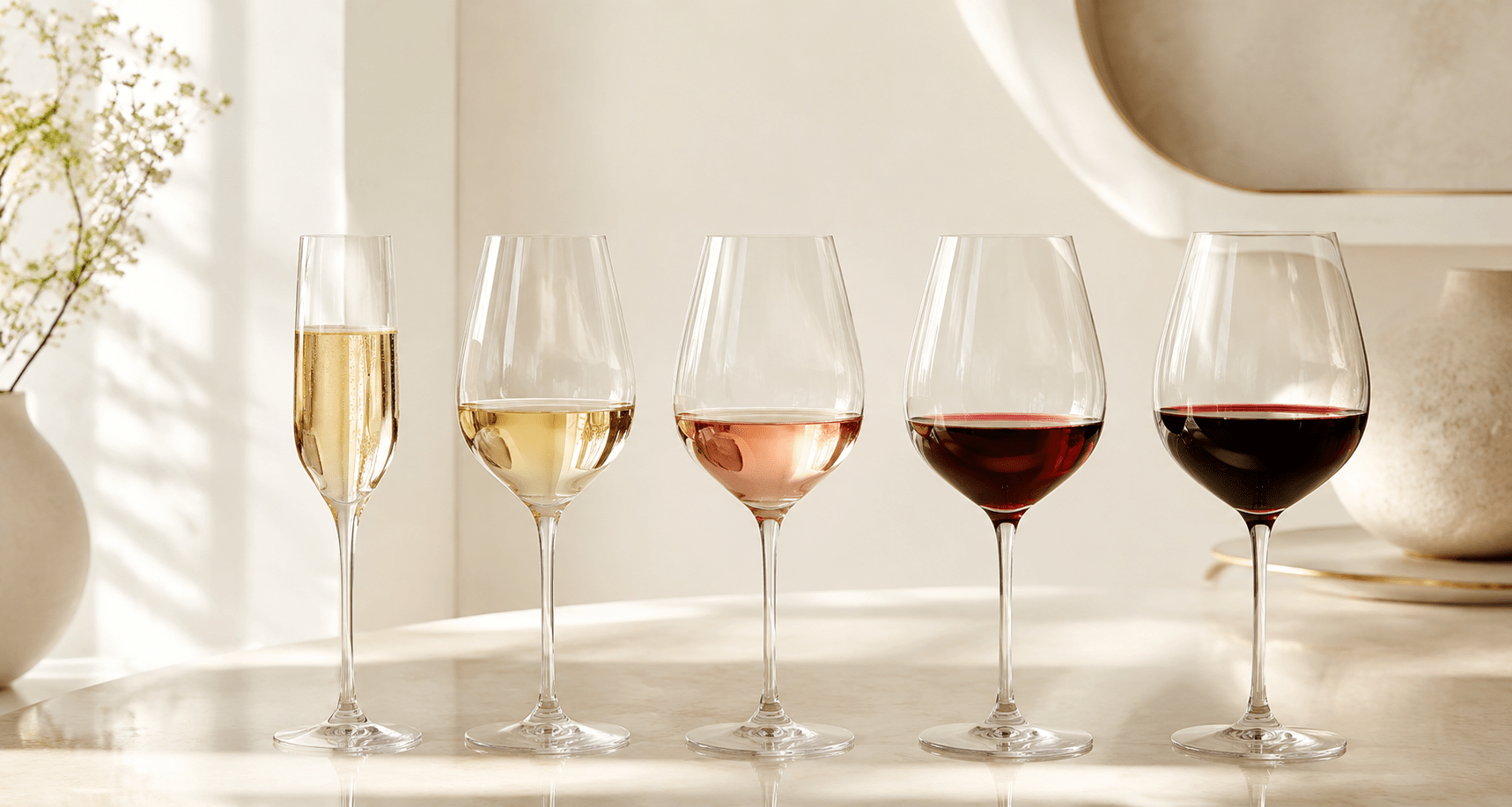
Climate is the biggest factor. As grapes ripen, sugar rises and acidity falls. In cool climates, grapes ripen slowly and keep more acid, giving crisp wines such as Chablis, German Riesling from the Mosel, Loire Sauvignon Blanc, and Champagne. In hot climates, grapes ripen quickly and lose acid, producing softer, rounder wines. Altitude and cool nights help warm regions hold onto acidity, which is why high vineyards in Argentina and Italy make fresh wines. Grape variety matters too. Naturally high-acid grapes include Riesling, Sauvignon Blanc, Chenin Blanc, Albariño, Assyrtiko, Pinot Noir, Sangiovese, Nebbiolo, and Barbera. Lower-acid grapes include Viognier, Gewürztraminer, Grenache, and Merlot from warm areas. Harvest timing also counts: picking earlier keeps more acid.
Winemakers can adjust acidity in a few ways. The most common is malolactic conversion, often called malolactic fermentation, where bacteria turn sharp malic acid into softer lactic acid. Almost all red wines go through it, which smooths their texture. For whites, it is a style choice. Many oaked Chardonnays go through it, giving a creamy, buttery feel, while crisp whites like Riesling and Sauvignon Blanc usually skip it to stay zesty. In hot regions, winemakers may add tartaric acid to balance ripe, low-acid grapes; this is legal and common in many warm places. In cool regions, they may lower excess acidity instead. Sugar affects perception too: in off-dry Riesling, high acidity balances sweetness, so the wine tastes refreshing rather than syrupy. Learn more in dry vs sweet wine.
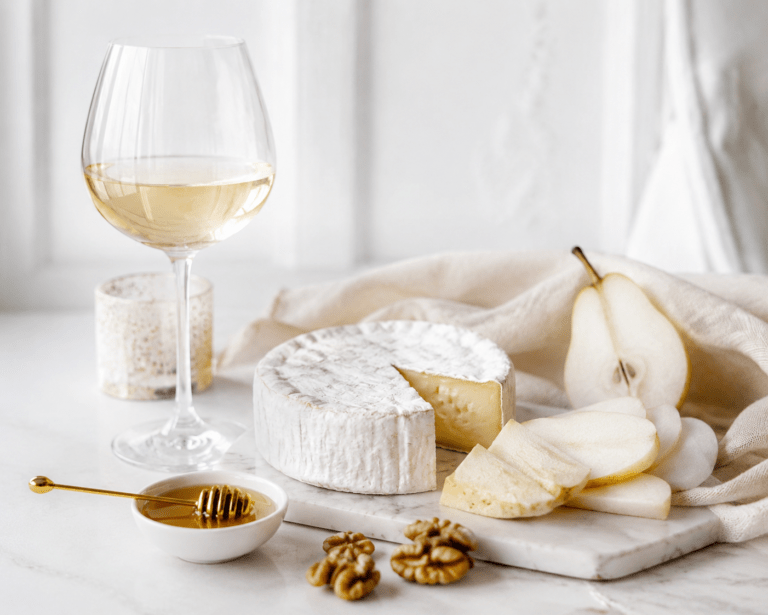
Acidity is the secret behind many great pairings. Like a squeeze of lemon on fish, a high-acid wine brightens flavors and cuts through fat and richness, cleansing your palate between bites. That is why Champagne works with fried food, Sauvignon Blanc loves goat cheese, and Chianti, made from high-acid Sangiovese, pairs so well with tomato sauce. A useful rule: the wine should be at least as acidic as the food. Tangy dishes such as vinaigrette salads, ceviche, or tomato-based pasta make low-acid wines taste flat. Acidity also helps with salty and creamy dishes. For pairing ideas, see wine with salads and wine with pasta. Acidity also helps wine age, acting as a natural preservative alongside tannin and sugar.
If you love crisp, refreshing wines, start with these. Among whites, try dry Riesling from Germany, Austria, or Australia’s Clare Valley; Chablis, which is unoaked Chardonnay from northern Burgundy; Sancerre or Marlborough Sauvignon Blanc; Albariño from Spain; Assyrtiko from Santorini; Muscadet from the Loire; and Grüner Veltliner from Austria. Among sparkling wines, Champagne and other traditional-method bubbles are bright and zesty. Among reds, look for Pinot Noir from Burgundy or Oregon, Chianti Classico, Barbera from Piedmont, and Gamay from Beaujolais. If you prefer softer wines, choose warm-climate reds like Zinfandel, Australian Shiraz, or Merlot, or rich whites like Viognier. Serve high-acid whites chilled, around 45–50°F, to keep them crisp; see wine serving temperature.
Buy a Sauvignon Blanc or dry Riesling and a Viognier or warm-climate Chardonnay.
Serve both at about 45–50°F so temperature does not change how acidic they seem.
Taste the first wine, swallow, and lean forward slightly. Notice how much your mouth waters.
Repeat with the other wine and notice whether it feels softer, rounder, or flatter.
Taste each again with a lemony or vinegary bite and see which wine stays fresh.
| Acidity Level | Example Wines | How It Tastes |
|---|---|---|
| Very high | Riesling, Chablis, Champagne, Muscadet | Zippy, tangy, very mouthwatering |
| High | Sauvignon Blanc, Albariño, Pinot Noir, Sangiovese, Barbera | Crisp, bright, lively |
| Medium | Chardonnay, Tempranillo, Cabernet Sauvignon | Balanced and fresh |
| Medium-low | Merlot, Malbec, Zinfandel | Soft, round, fruit-forward |
| Low | Viognier, Gewürztraminer, warm-climate Grenache | Plush and smooth, can feel heavy |
Pick a wine at least as acidic as the dish, especially with tomato or vinaigrette.
Cool regions like Chablis, Mosel, and the Loire make naturally crisp wines.
Very cold wine tastes more acidic; give a sharp Sauvignon Blanc or Chablis five minutes out of the fridge.
Learn Your Taste
Answer a few simple questions and discover styles that fit your palate.
Take the Wine QuizHigh acidity means the wine tastes crisp, tart, and mouthwatering, like biting into a green apple. Cool-climate wines such as Riesling, Sauvignon Blanc, and Champagne usually have high acidity.
Wine is naturally acidic, and some people with acid reflux or sensitive stomachs find it uncomfortable. Responses vary, so if wine regularly causes discomfort, talk to a doctor.
Warm-climate wines and certain grapes tend to be lower in acid, including Viognier, Gewürztraminer, Grenache, Merlot, and Zinfandel. They feel softer and rounder in the mouth.
White wines are generally more acidic than reds, partly because many come from cooler climates and skip malolactic conversion. But high-acid reds like Pinot Noir and Sangiovese exist too.
Acidity makes your mouth water and feels tart, while tannin dries your mouth and feels grippy. Acidity is found in all wines; tannin is mainly found in red wines.
Acidity keeps wine fresh and lively, balances sweetness and alcohol, helps wine pair with food, and acts as a natural preservative so certain wines can age well.