Find the Black Rooster
The rooster seal on the neck marks Chianti Classico, the historic heart of the region.

Understand Wine. Enjoy Every Glass.
Wine Regions
Chianti is the Tuscan red that taught the world to love Sangiovese. Here is how the region works, what the labels mean, and which bottle to open with dinner.
Start Learning
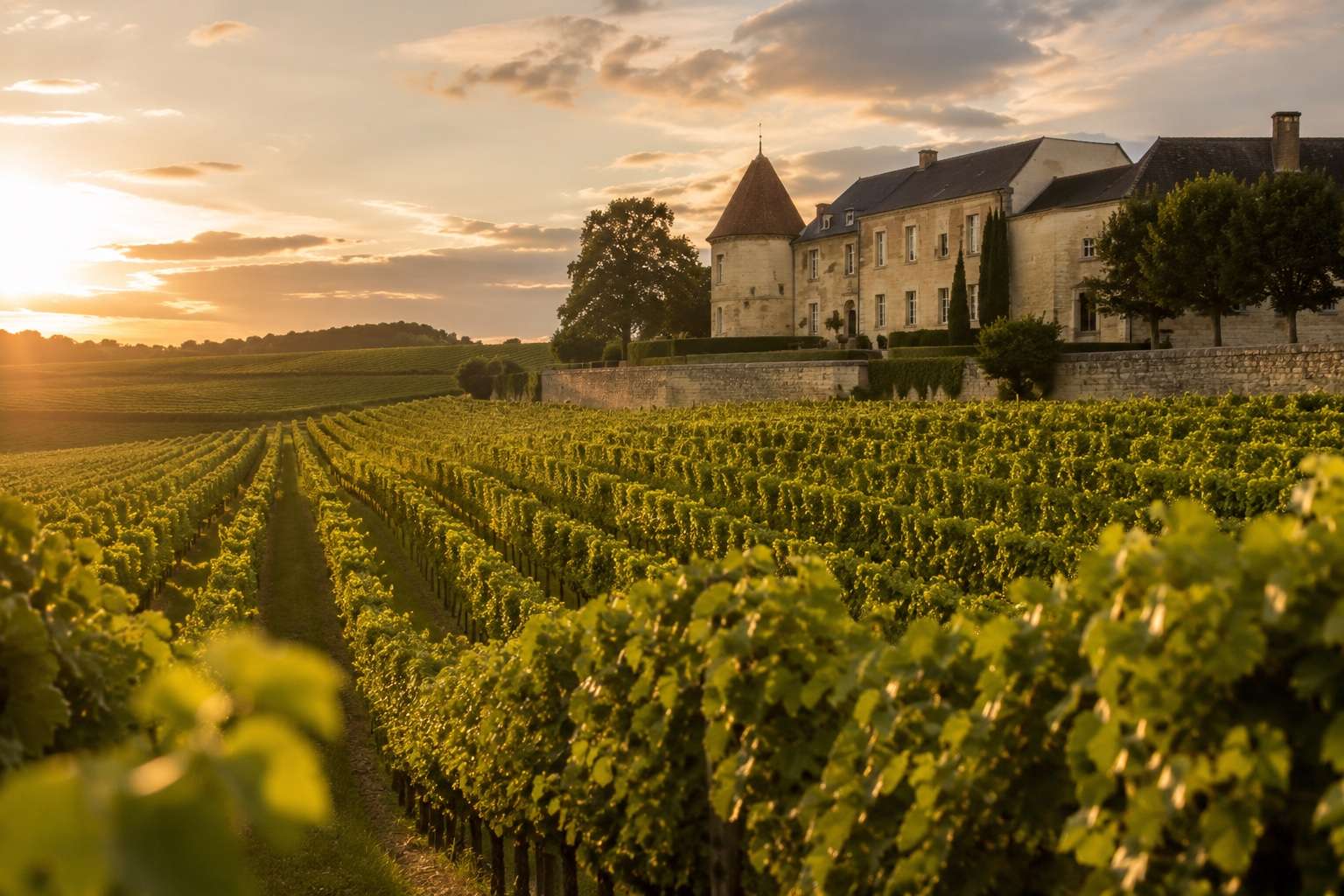
The Chianti wine region lies in the heart of Tuscany, in central Italy, filling the rolling hills between Florence to the north and Siena to the south. It is a landscape of vineyards, olive groves, oak woods, stone villages, and cypress-lined roads. The climate is warm and sunny, but vineyards planted on hillsides enjoy cooler nights, which help grapes keep their fresh acidity. Two soils matter most. Galestro is a crumbly, flaky rock of clay and schist that gives perfumed, structured wines. Alberese is a hard, pale limestone that tends to give more power and firm structure. Both are poor and well drained, so vines struggle a little and produce smaller, more flavorful grapes. Chianti is part of the larger Tuscany region, which also includes Brunello di Montalcino and Vino Nobile di Montepulciano.
Sangiovese is the soul of Chianti. Its name is often traced to “blood of Jove,” and it is Italy’s most planted red grape. In Chianti it gives a medium-bodied wine with tart red cherry, red plum, dried oregano, tomato leaf, tea, and a dusty, earthy finish. Two traits define it. First, it has high acidity, which makes the wine taste bright and mouthwatering with food. Second, it has firm but fine tannins that give a gentle grip. Chianti must be at least 70 percent Sangiovese, and Chianti Classico at least 80 percent. Winemakers may blend in local grapes such as Canaiolo and Colorino for color and softness, or international grapes such as Merlot and Cabernet Sauvignon for body. Many of today’s top bottles are 100 percent Sangiovese, aged in large old casks that let the fruit and herbs shine.
This is the part that confuses most shoppers. Chianti Classico is the original, historic zone between Florence and Siena, with towns such as Greve, Radda, Castellina, and Gaiole. Look for the black rooster seal on the neck of the bottle. Plain Chianti is a separate, much larger area that wraps around the Classico zone and includes sub-zones like Chianti Rufina, known for fresh, long-lived wines, and Chianti Colli Senesi near Siena. Within Classico there is a quality ladder. Annata is the standard bottling. Riserva must age at least two years before release and is fuller and more savory. Gran Selezione is the top tier, made from an estate’s own grapes and aged even longer. Our guide to reading wine labels covers more Italian terms like DOCG.
Start with a young Chianti Classico. It costs a bit more than basic Chianti but shows far more character, and many good bottles sit in the $15–30 range. Taste it next to an inexpensive plain Chianti and you will notice more depth, herbs, and length in the Classico. Next, try a Chianti Rufina for a fresher, more mineral style, then a Chianti Classico Riserva to see what extra aging brings: dried cherry, leather, tobacco, and softer tannins. Serve Chianti at 60–65°F, a little cooler than room temperature, in a medium-sized glass. Young bottles rarely need decanting, though a Riserva or Gran Selezione benefits from 30 minutes of air. Old straw-wrapped bottles are mostly a memory now; modern Chianti comes in standard bottles and is far better made than its cheap-flask reputation suggests.
Chianti was built for the Tuscan table, and its acidity is the secret. It matches the acidity in tomatoes, so it shines with pasta in red sauce, pizza, and lasagna, where softer reds taste flat. Locally, try it with pappardelle in wild boar ragù, ribollita bread-and-bean soup, chicken-liver crostini, and fennel salami called finocchiona. A Riserva is the classic partner for bistecca alla fiorentina, a thick T-bone grilled rare and seasoned with olive oil and salt. Aged pecorino cheese, roasted mushrooms, and herb-roasted pork also work well. Finish a Tuscan meal the local way with Vin Santo, an amber dessert wine, and almond biscotti for dipping.
The scenic Chiantigiana road runs through the heart of Chianti Classico between Florence and Siena, linking hill towns such as Greve, Panzano, Castellina, and Radda. Either city works as a base, but staying in a farmhouse inn among the vineyards lets you enjoy evening tastings without long drives. Spring brings green hills and wildflowers, and September and October bring harvest and olive picking. July and August are hot and busy. Many estates offer tours with tastings and lunch, and most prefer reservations. Roads are narrow and winding, so plan for a designated driver, a guided tour, or even a cycling trip. Buy a bottle of the estate’s olive oil while you are there; many wineries make their own.
| Grape or Style | Character | Try It With |
|---|---|---|
| Chianti (basic) | Light to medium, tart cherry, simple and fresh | Pizza or weeknight spaghetti |
| Chianti Classico | Medium body, cherry, herbs, earthy, lively acid | Wild boar ragù or roast chicken |
| Chianti Rufina | Fresh, mineral, firm structure, ages well | Grilled sausages or salumi |
| Chianti Classico Riserva | Fuller, dried cherry, leather, tobacco | Bistecca alla fiorentina |
| Chianti Classico Gran Selezione | Concentrated, polished, long-lived | Braised beef or aged pecorino |
| Vin Santo | Sweet amber wine, nuts, dried fruit, caramel | Almond biscotti |
The rooster seal on the neck marks Chianti Classico, the historic heart of the region.
Chianti tastes fresher at 60–65°F. Give a warm bottle 15 minutes in the fridge.
Chianti's high acidity matches tomato sauce better than almost any other red wine.
Learn Your Taste
Answer a few simple questions and discover styles that fit your palate.
Take the Wine QuizChianti is a dry red wine. Its ripe cherry fruit can seem sweet on the nose, but the finish is dry, with tangy acidity and light tannins. The region's sweet wine is Vin Santo, which is labeled separately.
Chianti Classico comes from the original historic zone between Florence and Siena and requires at least 80 percent Sangiovese. Chianti comes from a larger surrounding area with lower minimums. Classico wines are usually more concentrated and carry a black rooster seal.
Chianti is made mainly from Sangiovese, at least 70 percent for Chianti and 80 percent for Chianti Classico. The rest can be local grapes like Canaiolo and Colorino or international ones like Merlot and Cabernet Sauvignon.
Riserva means the wine was aged longer before release, at least two years for Chianti Classico Riserva. It is usually made from better grapes and tastes fuller and more savory, with dried cherry, leather, and spice notes.
Basic Chianti is best within three to five years of the vintage. Good Chianti Classico Riserva and Gran Selezione can age ten years or more. After opening, recork and keep the bottle in a cool place for two to three days.
Tomato-based Italian dishes are the classic match, including pizza, spaghetti, and lasagna. Chianti also pairs well with grilled steak, wild boar or beef ragù, roast pork, mushrooms, and hard cheeses like pecorino.