Fruit Over Oak
Ripe, jammy reds beat lean, oaky ones with sweet barbecue sauce.

Understand Wine. Enjoy Every Glass.
Wine Pairings
Smoke, spice, and sweet sauce knock many wines flat. The right bottle has ripe fruit and soft tannin, and it turns a cookout into a feast.
Start Learning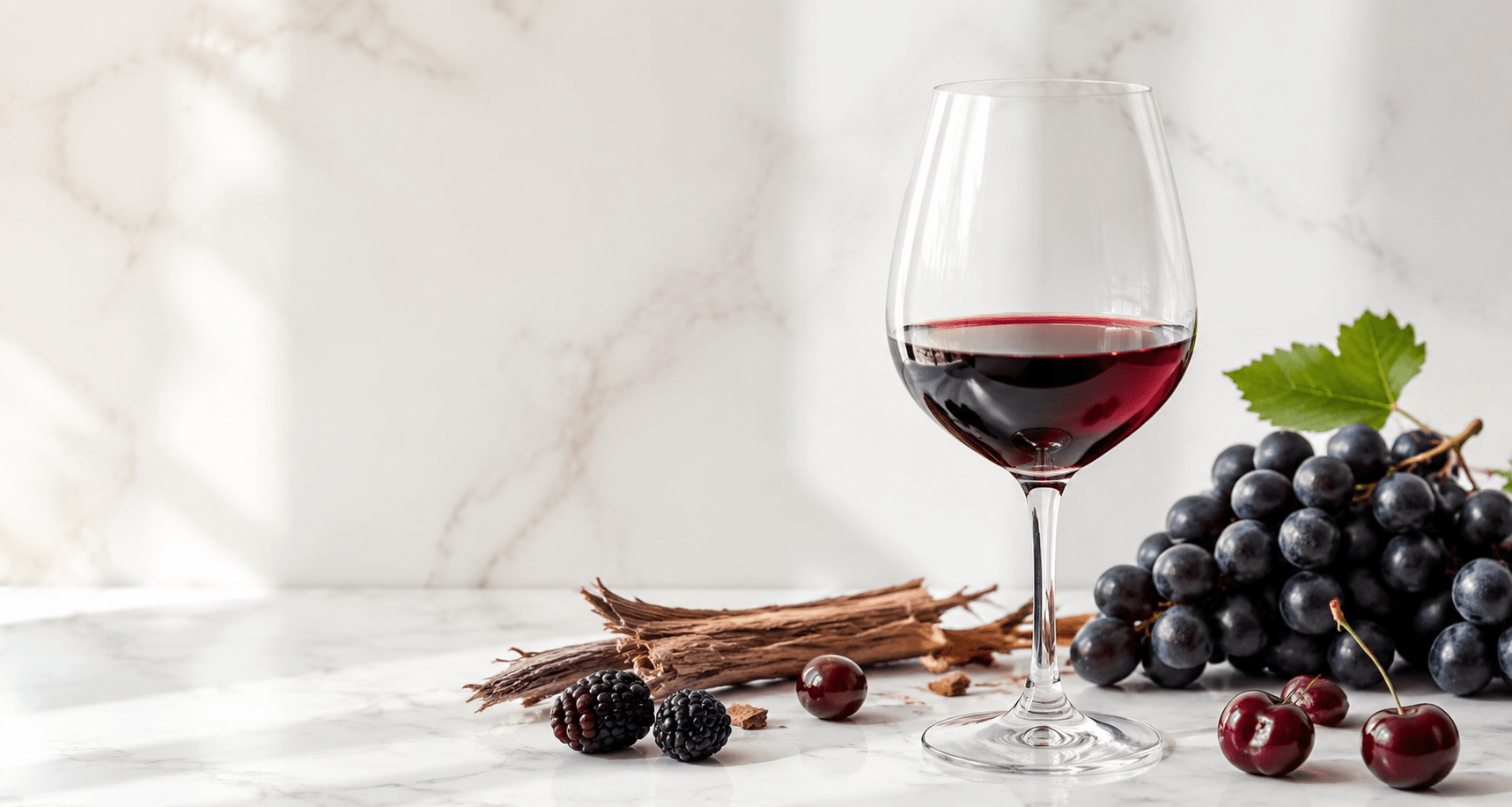
Barbecue brings three bold forces to the table: smoke, sweetness, and spice. Smoke and char overwhelm delicate wines. Sweet, sticky sauces make dry, lean wines taste sour. Spicy rubs make high-tannin wines taste bitter. The best wine with BBQ has plenty of ripe, jammy fruit to match the sweetness, soft or moderate tannin, and enough body to stand up to rich, fatty meat. That is why ripe, fruit-forward reds from warm climates rule the barbecue. Their dark berry flavors, peppery spice, and smoky notes feel right at home next to a smoker. Alcohol is the one thing to watch; some ripe reds reach 15 percent, which can make spicy rubs burn. When the sauce is very spicy or tangy, a juicy rosé or an off-dry white is often the smarter choice.
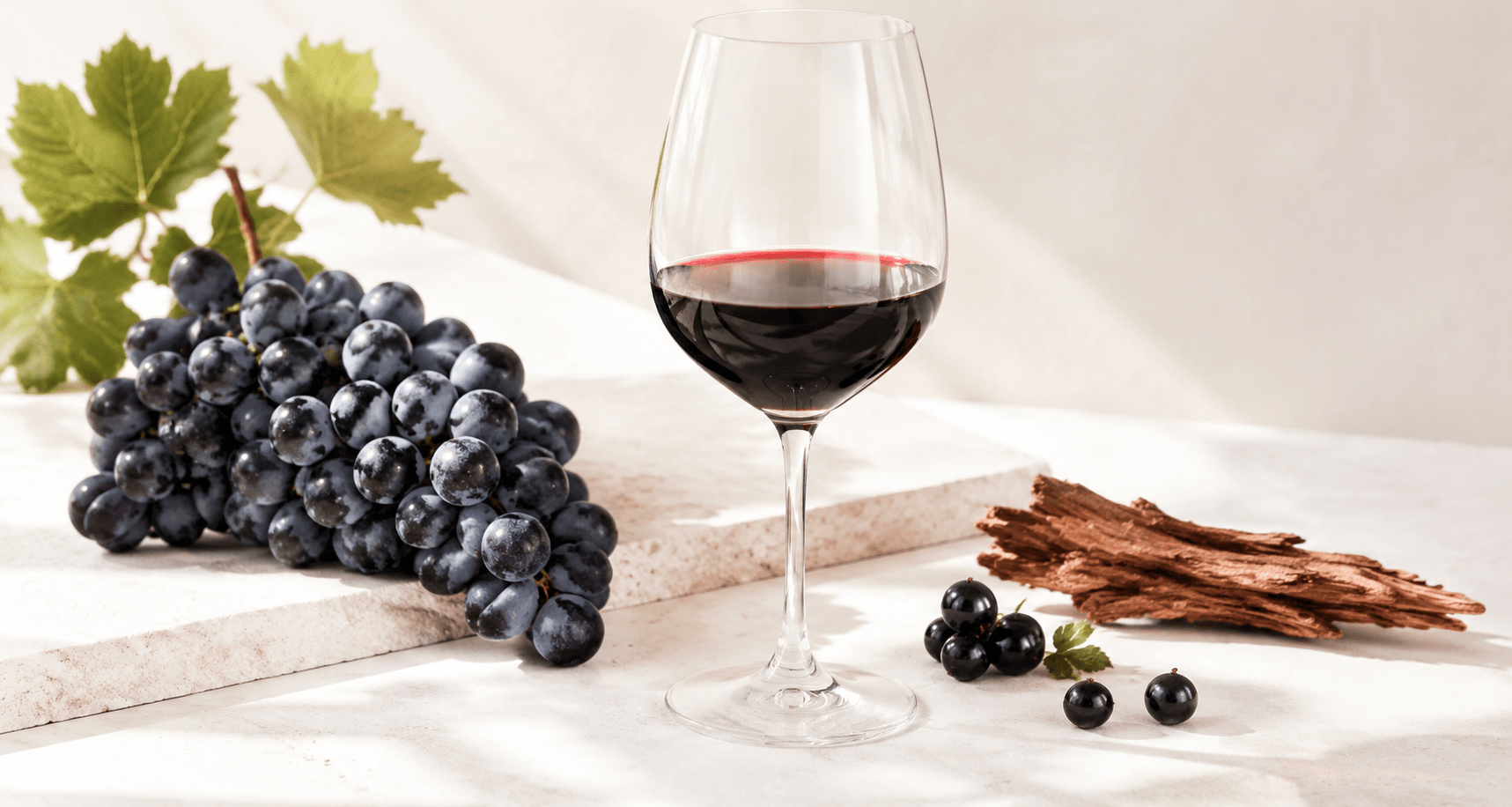
American barbecue styles each want a slightly different wine. Texas brisket, seasoned with salt and black pepper and smoked low and slow, loves Syrah or Australian Shiraz, whose peppery notes echo the bark; Malbec is another great choice. Kansas City barbecue features thick, sweet, tomato-and-molasses sauce, perfect for jammy Zinfandel. Memphis dry-rub ribs are spiced rather than sauced, which suits Grenache or Zinfandel. Carolina pulled pork with tangy vinegar sauce is tricky for big reds, so try off-dry Riesling, dry rosé, or a juicy Beaujolais. Alabama white sauce, a tangy mayo-based sauce for smoked chicken, pairs with Chardonnay or Chenin Blanc. Korean BBQ, with sweet, garlicky marinades, works with off-dry Riesling or Gamay. Argentine asado is naturally a Malbec feast.
Each smoked meat has its match. Pork ribs with sweet sauce are Zinfandel’s specialty; see our full wine with ribs guide. Beef ribs are bigger and fattier, so step up to Syrah, Malbec, or Petite Sirah. Brisket, especially the fatty point, handles Syrah, Malbec, or a Cabernet blend; the leaner flat suits softer Grenache or Merlot. Pulled pork works with Zinfandel when sauced sweet, and Riesling or rosé when sauced with vinegar. Smoked chicken and grilled wings pair with Chardonnay, rosé, or Pinot Noir, though spicy wings need off-dry Riesling. Burnt ends, rich and caramelized, love Zinfandel or Shiraz. Smoked sausage and hot links suit fruity, lower-alcohol reds or rosé; see wine with sausage. Grilled burgers have their own guide at wine with burgers.
Red is the classic choice, but a hot summer day calls for something chilled. Dry rosé is a fantastic barbecue wine. Fuller styles made from Grenache, Syrah, or Mourvèdre have enough fruit and body for pulled pork, chicken, and sausages, and their acidity refreshes in the heat. Off-dry Riesling is the go-to white for spicy, tangy, or vinegary barbecue; its sweetness and low alcohol cool chile heat. A rich, oaked Chardonnay works with smoked chicken and corn on the cob. Viognier, with ripe peach and apricot flavors, suits pork and chicken with fruity glazes. Sparkling wine, especially sparkling rosé or red Lambrusco, is a fun, refreshing choice that cuts through fat. A chilled Lambrusco with ribs on a hot afternoon is hard to beat.
The biggest mismatch is a lean, very tannic, oaky red with sweet barbecue sauce. A young Bordeaux, Barolo, or austere Cabernet Sauvignon tastes bitter and sour next to sticky sauce and spicy rub. Light, delicate reds like old Burgundy or subtle Pinot Noir get buried under smoke. Crisp, neutral whites such as Pinot Grigio taste thin against rich smoked meat. Be careful with very high-alcohol wines over 15 percent ABV when the rub or sauce is spicy, because alcohol amplifies heat. Very sweet dessert wines, on the other hand, are too much even for sweet sauces. As a simple rule, pick a wine that is fruitier than it is oaky, and serve the biggest reds with the fattiest, least spicy meat.
Outdoor heat warms wine fast, so serve reds a little cool, around 60–65°F, and give fruity reds like Zinfandel or Lambrusco a 20-minute chill. Keep rosé, whites, and sparkling wine on ice; our how to chill wine fast guide shows the quickest methods. Use sturdy, stemless glasses or tumblers outside. Barbecue is all about value. California Zinfandel, Lodi reds, Argentine Malbec, Australian Shiraz, Spanish Garnacha, Côtes du Rhône, and dry rosé often cost under $20. A quality boxed wine stays fresh for weeks and is easy to carry to a picnic. For a crowd, plan about one bottle for every two to three guests, and offer at least one red and one chilled option. For more warm-weather picks, see best summer wines.
| BBQ Style | Best Wine | Why It Works |
|---|---|---|
| Texas brisket | Syrah, Shiraz, or Malbec | Peppery notes match the bark; tannin cuts fat |
| Kansas City ribs | Zinfandel | Jammy fruit matches sweet, tomato-molasses sauce |
| Memphis dry-rub ribs | Grenache or Zinfandel | Soft, spicy fruit suits the rub |
| Carolina vinegar pulled pork | Off-dry Riesling or dry rosé | Acid and fruit match tangy sauce |
| Alabama white sauce chicken | Chardonnay or Chenin Blanc | Rich whites suit creamy, tangy sauce |
| Korean BBQ | Off-dry Riesling or Gamay | Fruit and acid balance sweet, garlicky marinades |
| Argentine asado | Malbec | Plush fruit and tannin suit grilled beef |
Ripe, jammy reds beat lean, oaky ones with sweet barbecue sauce.
Give Zinfandel or Lambrusco 20 minutes on ice on a hot day.
Sweet sauce means Zinfandel; vinegar sauce means Riesling or rosé.
Learn Your Taste
Answer a few simple questions and discover styles that fit your palate.
Take the Wine QuizZinfandel is the classic barbecue red, with jammy fruit and spice that match sweet, smoky sauce. Syrah, Shiraz, Malbec, and Grenache are also excellent. They are ripe and fruity with moderate tannin.
Syrah or Shiraz is a top pick, with peppery flavors that echo the black-pepper bark of Texas brisket. Malbec and Zinfandel are also great. For leaner brisket flat, a softer Grenache or Merlot works well.
Zinfandel or Australian Shiraz is the best match for burnt ends. These fatty, caramelized brisket cubes are usually coated in sweet Kansas City-style sauce, so they need a ripe, jammy red with moderate tannin. Malbec is another good choice. Skip lean, oaky reds, which taste bitter next to the sticky glaze.
Yes. Dry rosé is a great summer barbecue wine, especially with pulled pork, chicken, sausages, and sides. Choose a fuller rosé made from Grenache or Syrah for enough body to handle smoked meat.
Sometimes. A fruit-forward Cabernet works with fatty brisket or beef ribs with little sauce. With sweet or spicy sauces, its firm tannins often taste bitter, so Zinfandel or Shiraz is usually a safer choice.
Off-dry Riesling is the best white for spicy or tangy barbecue. Oaked Chardonnay suits smoked chicken and corn, and Viognier works with fruity glazes. Avoid light, neutral whites, which get lost.