Keep It on Ice
An ice bucket stops whites and rosés from warming up in the sun.

Understand Wine. Enjoy Every Glass.
Buying & Occasions
Hot weather changes what tastes good. Summer calls for wines that are light, crisp, and cold enough to refresh you on the patio or by the grill.
Start Learning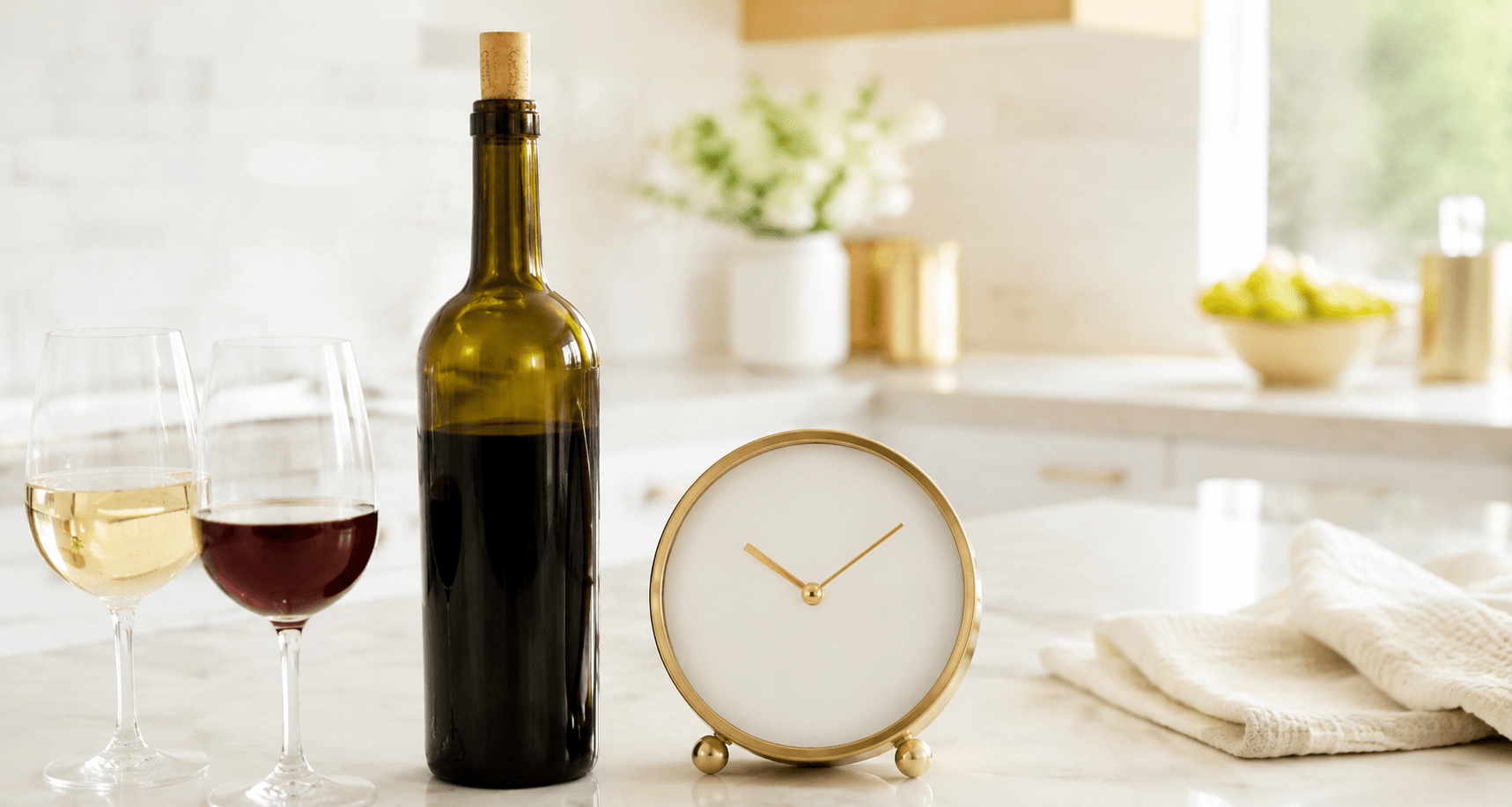
The best summer wines share three traits: bright acidity, light to medium body, and moderate alcohol. Acidity is what makes a wine refreshing. It makes your mouth water, much like a squeeze of lemon. Our acidity in wine guide explains why it matters. Lighter body matters because heavy, rich wines feel tiring in the heat. And moderate alcohol, roughly 9 to 13 percent, keeps a sunny afternoon pleasant. High-alcohol wines taste even hotter when the air is hot. Temperature is the final piece. In summer, a bottle warms quickly once poured, so start a little colder than usual and keep an ice bucket nearby. Look for wines fermented in stainless steel rather than oak. They taste fresher and fruitier, and they pair with the salads, seafood, and grilled food that define summer meals.
Sauvignon Blanc is the ultimate summer white. Marlborough versions are tropical and zesty, while Sancerre from the Loire is more mineral and restrained. See Sauvignon Blanc. Albariño from Spain’s rainy, coastal Rías Baixas tastes of peach and sea spray, perfect with grilled shrimp. Read about Albariño. Vinho Verde from Portugal is light, low in alcohol, and often has a gentle spritz. Learn about the Vinho Verde region. Pinot Grigio from northern Italy is clean and easygoing, a good choice for big gatherings. Assyrtiko from Santorini is bone-dry and steely, with lemon and a salty finish. Dry Riesling and Grüner Veltliner from Austria round out the list with lime, green apple, and white pepper.
Summer is rosé season. Dry Provence rosé is pale, delicate, and tastes of strawberry, watermelon, and citrus. Deeper rosés from Spain, Tavel, or California are fuller and fruitier, which helps with grilled meats. Our rosé wine guide covers the range, and the Provence region page explains the classic style. Sparkling wine is the other summer essential. Prosecco is light, fruity, and ideal for spritzes. Cava from Spain is crisp and dry, made the same way as Champagne but at a far lower price. Sparkling rosé combines the best of both. Bubbles cut through fried food, salty snacks, and creamy dips, and they make any backyard gathering feel like a party. Serve them very cold, around 40 to 45°F.
You do not have to give up red wine in summer. Just choose lighter styles with low tannin and serve them cool. Beaujolais, made from Gamay, is the classic chillable red, with fresh cherry and raspberry flavors. See Gamay. Pinot Noir from cool regions is silky and red-fruited, great with grilled salmon. Lambrusco is a fizzy red from Italy, dry or slightly sweet, and wonderful with charcuterie and pizza. Frappato from Sicily and Zweigelt from Austria are light, juicy, and refreshing. Aim for about 55°F, which usually means 20 to 30 minutes in the refrigerator. Avoid chilling tannic reds like Cabernet Sauvignon; cold makes their tannins taste harsher and more bitter.
Summer food is lighter and smokier, and the wine should follow. Grilled fish and shrimp love Albariño, Vermentino, and Sauvignon Blanc. Burgers and hot dogs work with juicy Zinfandel, Beaujolais, or a deeper rosé; see wine with BBQ for smoky, saucy dishes. Salads with vinaigrette need high-acid whites like Sauvignon Blanc or Grüner Veltliner, since a soft wine tastes flat next to vinegar. Fresh tomatoes and corn pair well with dry rosé, and spicy grilled chicken loves off-dry Riesling. Heading out for the day? Our picnic wines page covers screw caps, cans, and wines that handle a little warmth. Pack an insulated bag and freeze a few bottles of water to keep everything cold.
| Occasion | Best Wine | Why It Works |
|---|---|---|
| Patio sipping | Dry Provence rosé | Light, fruity, and refreshing over ice-cold glasses |
| Seafood cookout | Albariño or Sauvignon Blanc | High acidity and citrus flatter fish and shellfish |
| Burgers and BBQ | Chilled Beaujolais or Zinfandel | Juicy fruit stands up to char and sauce |
| Pool party | Prosecco or Cava | Bubbles feel festive and pair with salty snacks |
| Spicy grilled chicken | Off-dry Riesling | Touch of sweetness cools the heat |
| Big crowd | Pinot Grigio or Vinho Verde | Easygoing, affordable, low in alcohol |
An ice bucket stops whites and rosés from warming up in the sun.
Twenty minutes in the fridge brings light reds to a refreshing 55°F.
Choose wines around 9 to 13 percent for long, hot afternoons outdoors.
Learn Your Taste
Answer a few simple questions and discover styles that fit your palate.
Take the Wine QuizLight, crisp, low-alcohol wines are best in hot weather: Vinho Verde, Albariño, Sauvignon Blanc, dry rosé, and Prosecco. Their acidity refreshes, and they taste great very cold. Light reds like Beaujolais also work when chilled.
Choose light-bodied, low-tannin reds such as Beaujolais, Pinot Noir, Lambrusco, or Frappato. Serve them slightly chilled, around 55°F, so they feel refreshing. Heavy, tannic reds like Cabernet Sauvignon can feel tiring in the heat.
No. Rosé pairs well with food year-round, especially salmon, roast chicken, and holiday ham. It is most popular in summer because it is refreshing and served cold, but deeper rosés suit cooler months too.
Yes. Dry or off-dry Lambrusco from Emilia-Romagna in Italy is a lightly sparkling red served chilled, with tart cherry and berry flavors and gentle tannin. It is refreshing on hot days and pairs well with cured meats, pizza, and grilled sausages. Check the label: secco means dry, amabile means sweeter.
Sauvignon Blanc, Albariño, Pinot Grigio, Assyrtiko, and Muscadet are all dry, crisp, and refreshing. Vinho Verde is usually dry or just off-dry. Look for words like Brut, Sec, or Trocken if you want to avoid sweetness.
Prosecco and dry rosé are the top party picks because they appeal to nearly everyone and pair with snacks. Add a crisp white like Pinot Grigio and a chillable red like Beaujolais to cover all tastes.