Water Beats Air
An ice-water bath chills wine several times faster than a freezer does.

Understand Wine. Enjoy Every Glass.
Wine Basics
Guests are on the way and the white wine is warm. Do not panic. Here is how to chill wine fast, using things you already have in the kitchen.
Start Learning
If you want to know how to chill wine fast, the answer is water, not air. Cold water pulls heat out of glass far more efficiently than the cold air in a freezer, so an ice bath works much faster. Fill a bucket, pot, or clean sink with equal parts ice and cold water. Stir in a generous handful of salt. Salt lowers the freezing point of water, so the bath can drop below 32°F without turning solid, which speeds things up even more. Submerge the bottle up to its neck, and give it a spin every few minutes so warmer water does not form a layer around the glass. A white or rosé starting at room temperature is usually cold enough to serve in roughly 10 to 15 minutes. It is the same method restaurants use, just with a bit more science behind it.

The freezer works, but more slowly than most people think. Expect 30 to 45 minutes for a white to get properly cold. Wrapping the bottle in a wet paper towel speeds it up a little, since the water conducts cold better than air. Always set a timer. The refrigerator is the slowest, taking about two to three hours to fully chill a room-temperature white, so it is best for planning ahead. Frozen grapes dropped into a glass cool a single serving without dilution. Ice cubes in the glass work in a pinch, especially for rosé or a casual spritz, but they water the wine down as they melt. Chilling sticks and wine sleeves kept in the freezer help maintain temperature but rarely chill a warm bottle quickly. See our full wine serving temperature guide for targets by style.
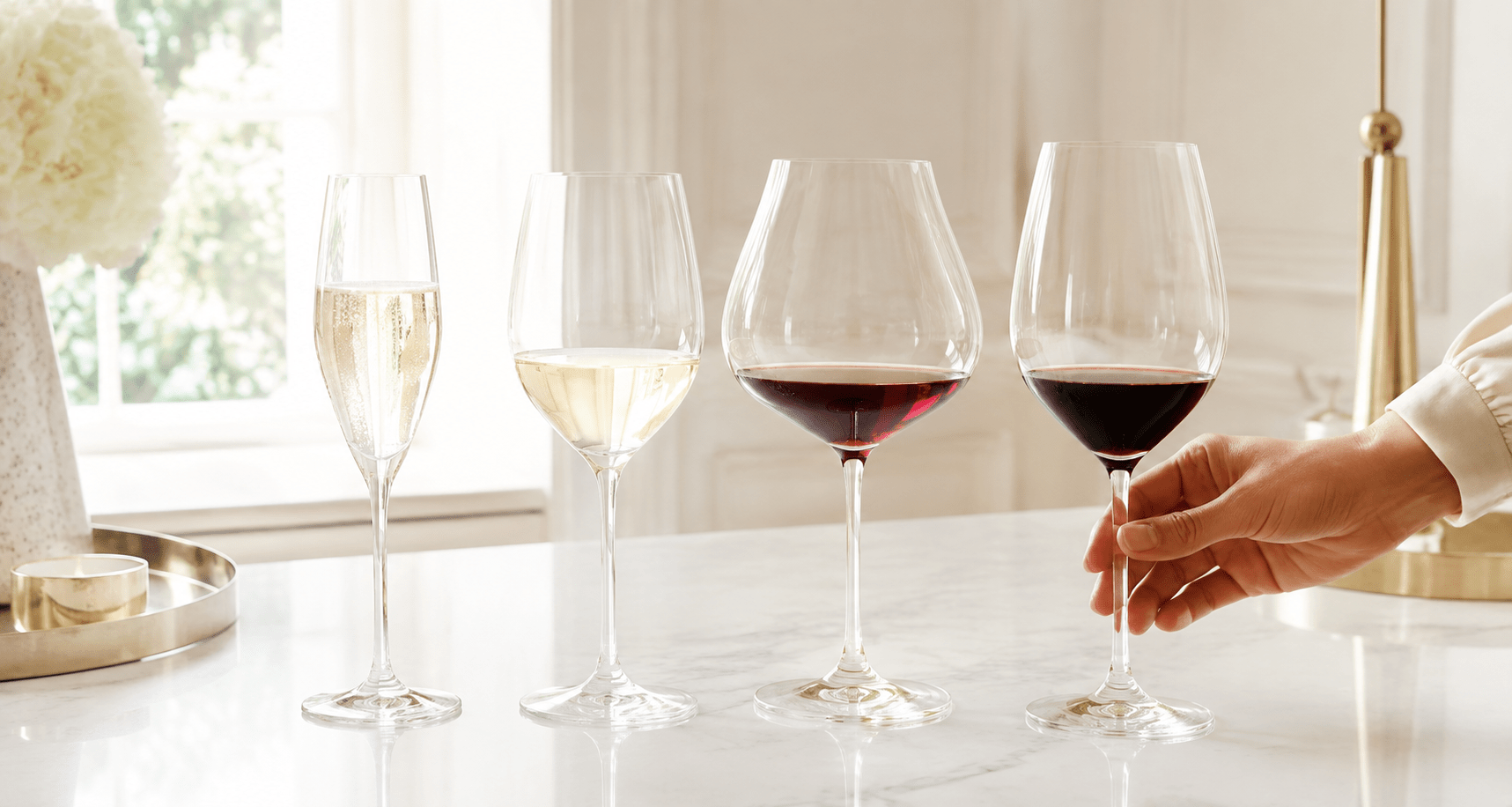
Fast chilling is only useful if you aim for the right temperature. Sparkling wine such as Champagne and Prosecco tastes best very cold, around 40–45°F, which keeps the bubbles fine. Light whites and rosé, including Pinot Grigio, Sauvignon Blanc, and Provence-style rosé, show best at 45–50°F. Fuller whites like oaked Chardonnay and Viognier can be served a bit warmer, 50–55°F, so their richness comes through. Light reds such as Beaujolais and many Pinot Noir are lovely lightly chilled at 55–60°F. Fuller reds such as Cabernet Sauvignon and Syrah are best at 60–65°F. Over-chilling is a real problem: too much cold mutes aroma and makes a white taste thin, so it is better to pull a bottle slightly early and let it warm in the glass.
Room temperature in most homes is around 70–72°F, which is too warm for red wine. At that temperature, alcohol stands out and the wine can taste flabby or hot. A short chill fixes this. Put a red in the refrigerator for 15 to 20 minutes, or in an ice bath for about five minutes, to bring it down to that 60–65°F sweet spot. Light, fruity reds like Gamay, Pinot Noir, and Lambrusco can go even cooler and are refreshing on a summer day. Big, tannic reds should not get too cold, because cold makes tannins feel harsher. If you over-chill a red, simply wrap your hands around the bowl for a minute. Learn more about which reds handle a chill in our red wine guide.
Forgetting the freezer. A bottle left too long can freeze; the expanding wine may push out the cork or crack the glass, and a freezer full of wine slush is no fun. Sparkling wine is especially risky because it is already under pressure. Set a phone timer every time. Using ice without water. A bucket of ice alone leaves air pockets and chills slowly. Over-chilling good whites. Very cold temperatures hide the aromas you paid for. Chilling and rewarming repeatedly. Occasional temperature swings will not harm wine, but constantly moving a bottle between the fridge and a warm counter for weeks is not ideal for long-term wine storage. Finally, do not chill wine near strong-smelling foods in a fridge for days with the cork out; open wine picks up odors.
After all that effort, keep the bottle cold during the meal. Return it to the ice bath between pours, or use an insulated sleeve or double-walled chiller. Leave about an inch of space for the neck so the bottle is easy to grab. Pour smaller amounts more often, since a little wine warms up faster in the glass than a full pour sitting out. Hold the glass by the stem, not the bowl, so your hand does not heat the wine; our guide on how to hold a wine glass explains why. For outdoor parties, a large cooler filled with ice and water chills several bottles at once and keeps them cold for hours, which is a good habit for any summer wine gathering.
Use an ice bucket, large pot, or clean sink deep enough to cover the bottle to its neck.
Fill with roughly equal parts ice and cold water so the bottle is fully surrounded.
Add a generous handful of salt and stir; it lets the bath drop below freezing.
Push the bottle in up to the neck and spin it every few minutes to speed cooling.
Pour a small taste. Whites and rosé should feel cool and refreshing, not icy.
| Method | Approximate Time | Best For |
|---|---|---|
| Ice, water, and salt bath | 10–15 minutes | The fastest way to chill any bottle |
| Ice and water bath (no salt) | 15–25 minutes | Quick chilling without salt |
| Freezer with wet paper towel | 25–40 minutes | When you have no ice; set a timer |
| Freezer | 30–45 minutes | Hands-off chilling with a timer |
| Refrigerator | 2–3 hours | Planning ahead for whites and rosé |
| Frozen grapes in the glass | A few minutes | Cooling a single glass without dilution |
An ice-water bath chills wine several times faster than a freezer does.
A forgotten bottle in the freezer can push its cork or crack.
Give reds 15–20 minutes in the fridge to bring them to 60–65°F.
Learn Your Taste
Answer a few simple questions and discover styles that fit your palate.
Take the Wine QuizUsually 30 to 45 minutes for a room-temperature bottle of white or rosé. Wrapping it in a wet paper towel can shave off a few minutes. Set a timer so the wine does not freeze and push out the cork.
Yes. Salt lowers the freezing point of water, so the ice bath can get colder than 32°F while staying liquid. That colder water pulls heat from the bottle faster, cutting chilling time to roughly 10 to 15 minutes.
Not if you remember it. A short stay in the freezer will not harm the wine. Problems start if it freezes, which can push out the cork, crack the bottle, or affect the texture. Sparkling wine is the riskiest.
Yes, especially with casual rosé, white, or a spritz on a hot day. Ice dilutes the wine as it melts, so it is not ideal for a fine bottle. Frozen grapes or reusable chilling stones avoid the watery effect.
About 15 to 20 minutes in a bucket of ice and water brings a room-temperature white or rosé to fridge-cold. Ice alone takes much longer because air pockets slow the chill. Turn the bottle now and then, and pull light reds out after about 5 to 10 minutes.
Wrap the bottle in a damp paper towel and put it in the freezer for 25 to 40 minutes, or use frozen grapes in individual glasses. A bottle wrapped in a frozen gel pack or chilling sleeve also works.