Use a Map
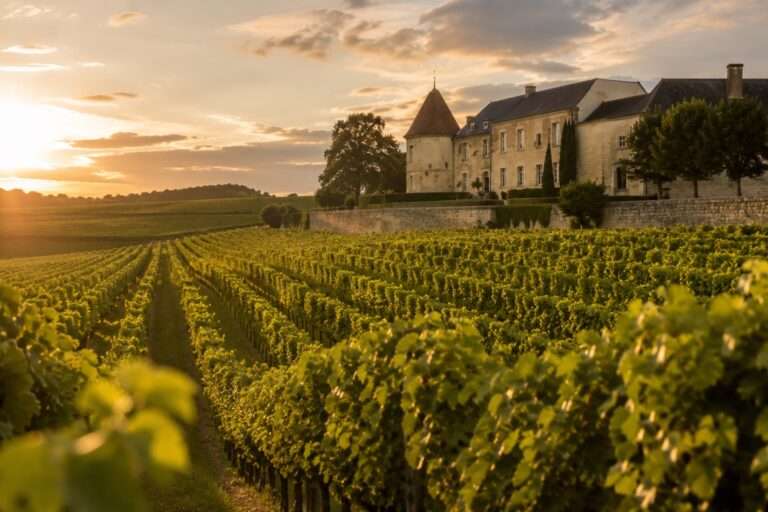
Geography makes place names easier to remember.
Understand Wine. Enjoy Every Glass.
Wine Regions
Explore Alsace, France through climate, signature grapes, recognizable styles, key subregions, and a practical first bottle.
Start Learning
Alsace, France is a dry sunny French region sheltered by the Vosges Mountains with varied hillside soils. Geography influences heat, sunlight, rainfall, airflow, drainage, and ripening. Begin with the central idea rather than every exception. Wine becomes easier when you separate flavor from structure and connect both to production, place, service, food, or purpose. Use familiar language before technical vocabulary, and notice the largest difference first. This approach creates a practical reference you can use while tasting, shopping, hosting, or reading a label. Continue with Wine Regions for the next useful connection.
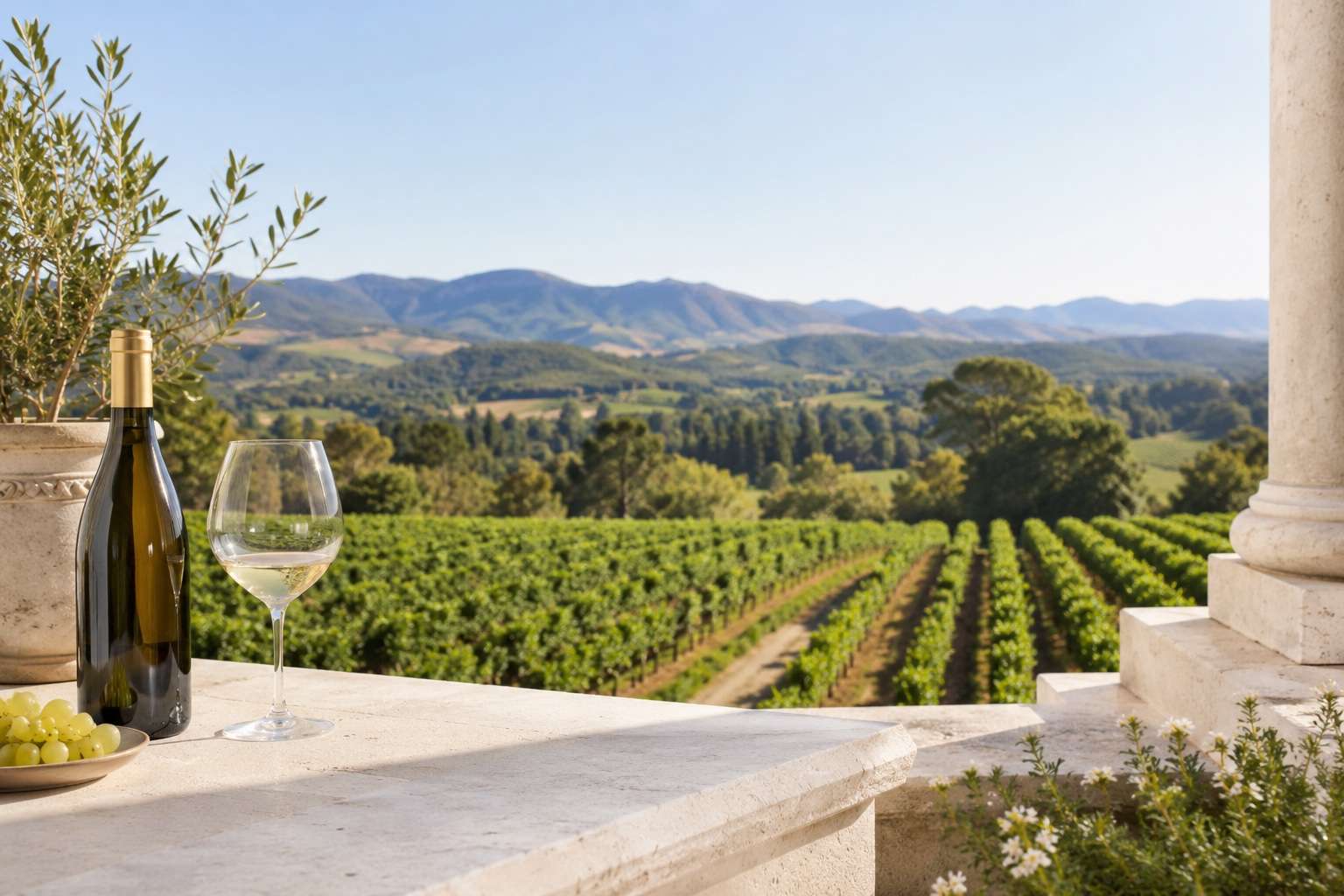
Important grapes include Riesling, Gewürztraminer, Pinot Gris, Muscat, Pinot Blanc, and Pinot Noir. The region commonly produces aromatic dry whites, late-harvest wines, Crémant, and increasingly serious Pinot Noir. Look for evidence in the glass, label, recipe, or situation instead of relying on reputation alone. Temperature, portion, glassware, food, vintage, and personal preference can shift the result. Compare two related examples under similar conditions and write down three observations: the strongest aroma or feature, the structural impression, and whether the choice worked for its purpose. Continue with Napa Valley Wine Region Guide for the next useful connection.
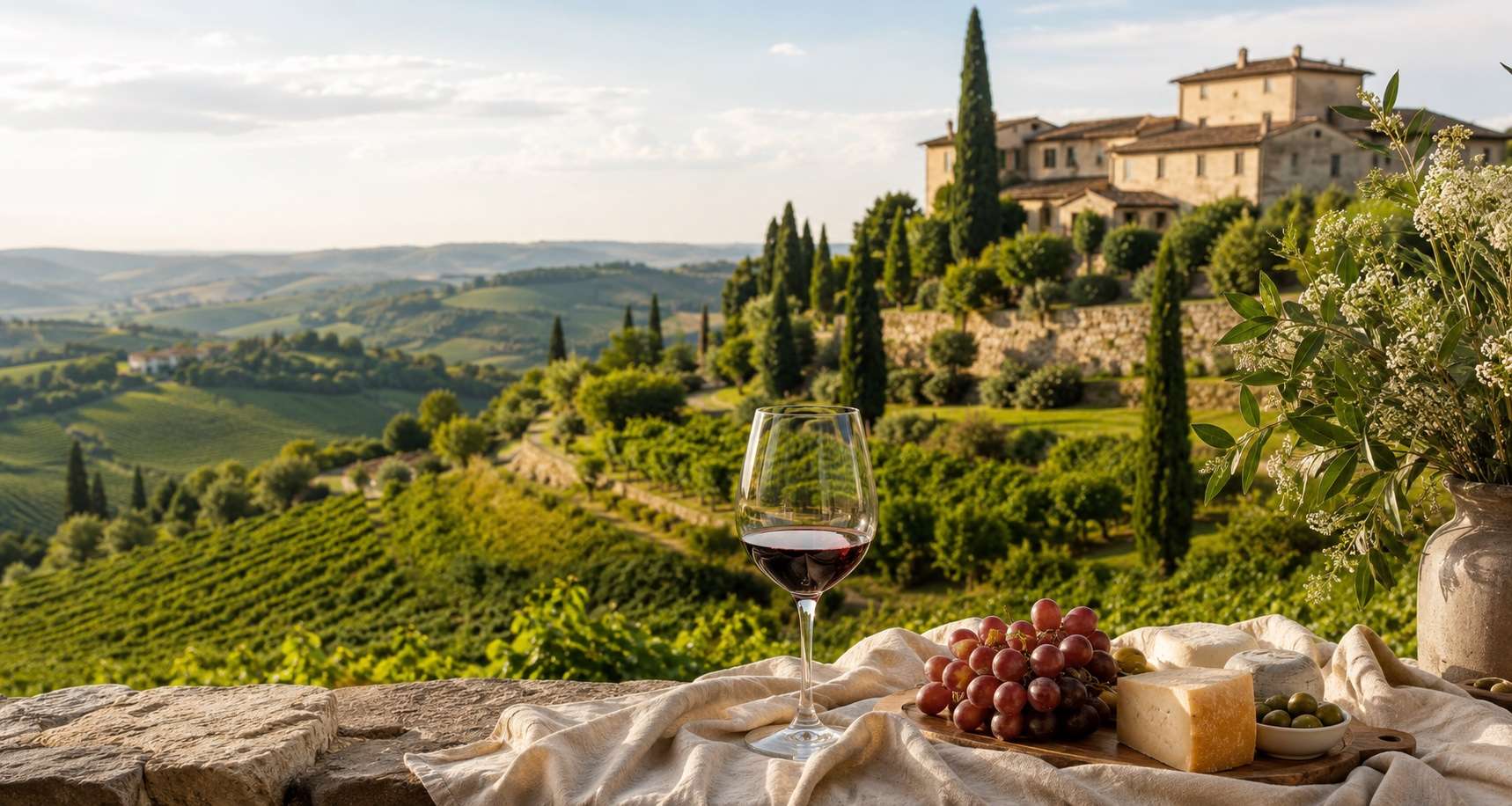
Useful names to recognize include the northern Bas-Rhin, southern Haut-Rhin, grand cru slopes, and the foothill villages. Learn only the places that help with your next bottle or visit. Translate the lesson into a decision. Decide what you want the wine or technique to accomplish, identify the relevant clues, and choose the simplest option that fits. Avoid turning a useful guideline into a rigid rule. Producers, regions, bottles, meals, and people differ, so the framework should improve judgment without pretending every outcome will be identical.
Do not assume every bottle from a famous region shares one style. Producer, vintage, subregion, farming, and cellar decisions matter. Other common mistakes include serving every wine at one temperature, equating price with quality, treating published tasting notes as a test, or ignoring the sauce and occasion. Slow down, check the strongest clue, and make one adjustment at a time. If the result is imperfect, record why; that information often teaches more than an effortless success. Continue with Sonoma Valley Wine Region Guide for the next useful connection.
Choose one accessible example of alsace, france and apply the guide within the next week. Keep the setting consistent, use a clean glass or appropriate tool, and notice the result before reading another opinion. Save the label, source, or method along with three plain-language notes. On the next attempt, change only one variable. That small comparison builds confidence and a personal reference faster than collecting disconnected facts.
| Regional Clue | What It Suggests | Practical Use |
|---|---|---|
| Setting | a dry sunny French region sheltered by the Vosges Mountains with varied hillside soils | Anticipate ripeness and freshness |
| Grapes | Riesling, Gewürztraminer, Pinot Gris, Muscat, Pinot Blanc, and Pinot Noir | Recognize likely styles |
| Signature | aromatic dry whites, late-harvest wines, Crémant, and increasingly serious Pinot Noir | Choose a representative bottle |
| Areas | the northern Bas-Rhin, southern Haut-Rhin, grand cru slopes, and the foothill villages | Compare subregional expression |
Geography makes place names easier to remember.
Learn the broad style before paying for rarity.
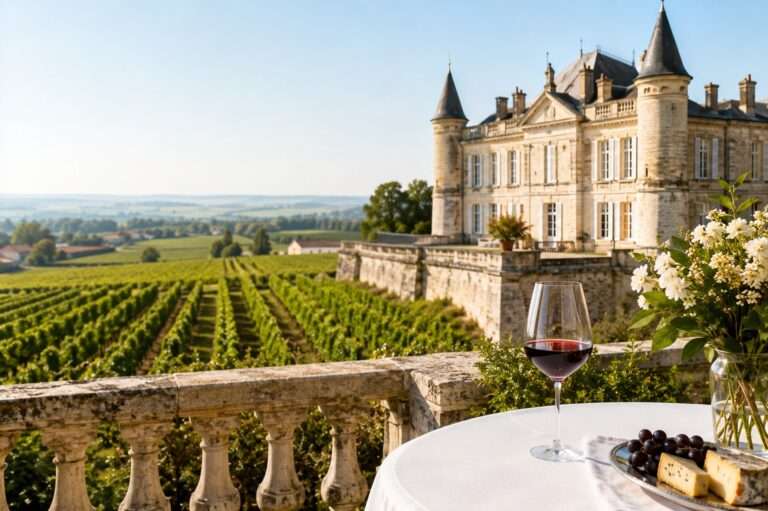
Two bottles reveal different interpretations of place.
Learn Your Taste
Answer a few simple questions and discover styles that fit your palate.
Take the Wine QuizYes. Start with the broad pattern, then connect it to one bottle, meal, label, or practical task. A focused example makes Alsace, France easier to understand and gives you a useful reference for future choices.
No. A sound affordable bottle can demonstrate the central ideas clearly. Compare similar options, keep serving conditions consistent, and record a few honest observations instead of assuming price guarantees quality or personal enjoyment.
Reduce the lesson to three clues and apply them immediately. Save a label photo or short note, then compare another example later. Repetition in a real context is more effective than memorizing a long list.
Yes. Place, vintage, producer, ingredients, storage, service, food, and personal preference can change the experience. Use this guide as a dependable framework while allowing individual examples to differ from the general pattern.
Begin with the feature that most affects the decision: structure, intensity, sweetness, acidity, tannin, aroma, texture, temperature, or practical purpose. Naming the largest difference first keeps the comparison clear and useful.
Follow the related hub, grape, region, pairing, comparison, or buying guide that answers your next question. Connected learning builds context gradually and prevents one page from becoming an isolated collection of facts.