Keep It Steady
A constant 55°F matters more than hitting the exact number.

Understand Wine. Enjoy Every Glass.
Buying & Occasions
A wine collection does not require a stone cellar or a fortune. With the right storage and a smart buying plan, you can start with a single case.
Start Learning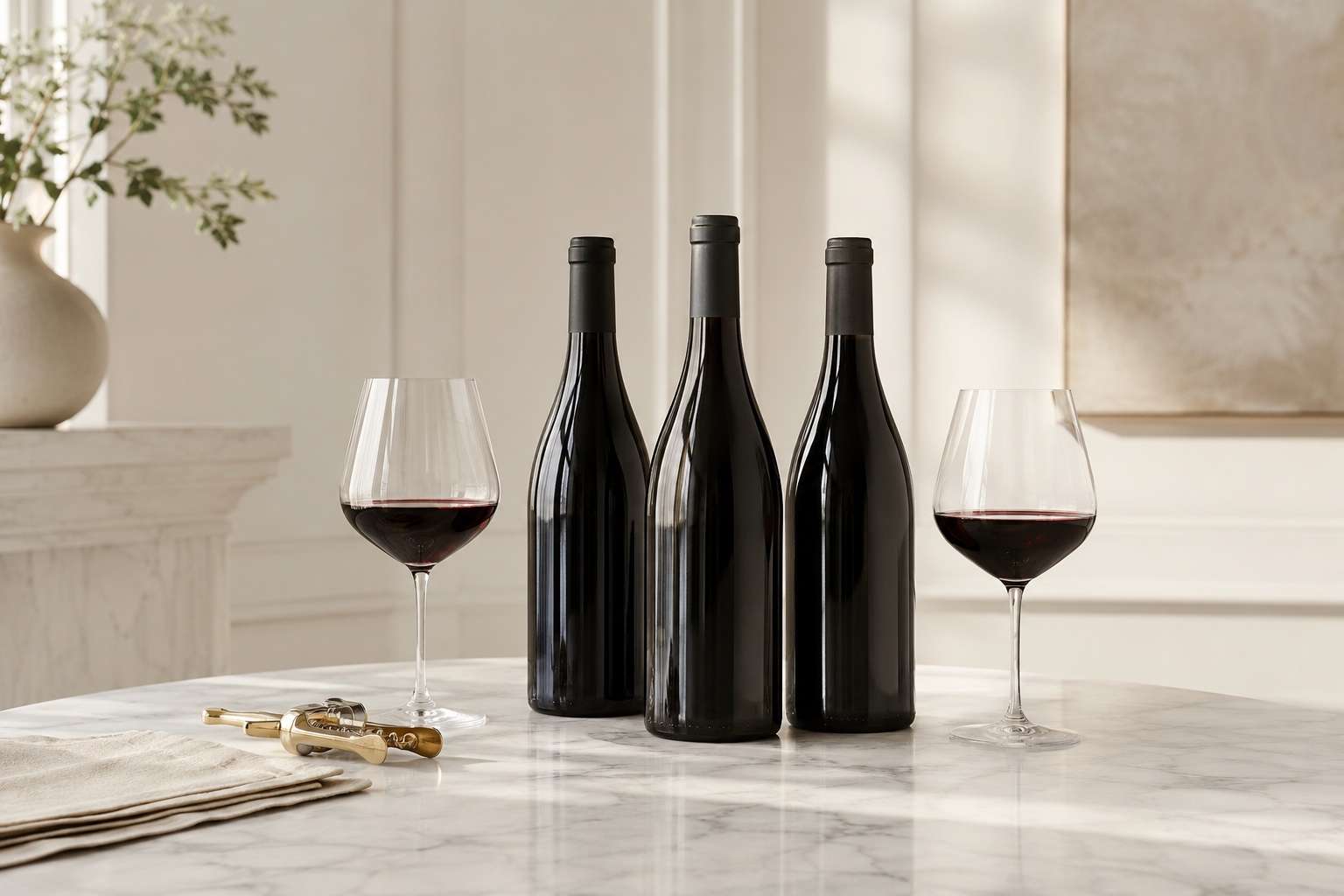
Learning how to start a wine collection begins with a surprising fact: most wine is made to be enjoyed young. The majority of bottles in a typical shop, especially crisp whites, rosés, and everyday reds, taste best within a few years of the vintage. Aging them longer will not improve them. A collection, then, is mostly about two things. First, having a supply of wines you love ready to open. Second, setting aside a smaller group of age-worthy bottles that develop new flavors over time. Start with a clear purpose. Do you want a stash of good weeknight wines, a few special bottles for milestones, or a cellar to watch wines evolve over decades? Each needs a different approach. Begin modestly. One or two cases, chosen carefully and stored well, teach you more than a big, random collection. Our guide on how to buy wine covers smart shopping.
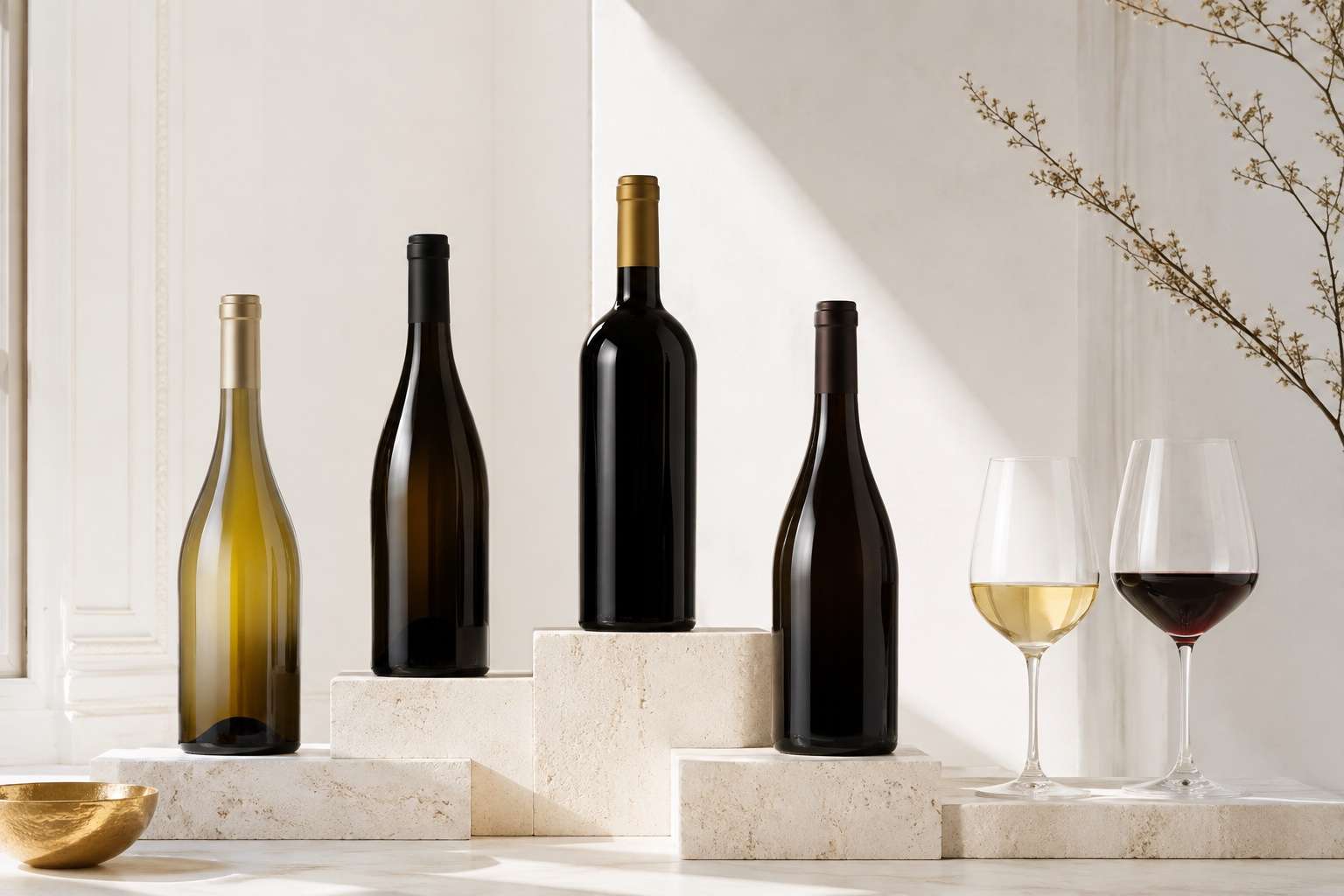
Wine has four enemies: heat, temperature swings, light, and vibration. Temperature: about 55°F is the classic cellar ideal, though anywhere from roughly 45 to 65°F works if it stays steady. Heat speeds up aging and can “cook” wine, and big swings push the cork in and out, letting in air. Humidity: moderate humidity, often cited as around 60 to 70 percent, keeps corks from drying out. Very damp conditions can damage labels. Light: sunlight and strong fluorescent light can damage wine, which is one reason many bottles are tinted. Position: store cork-sealed bottles on their sides so the cork stays moist. Screw-capped bottles can stand upright. See our cork vs screw cap comparison. Stillness: avoid places near washing machines or heavy foot traffic. Our how to store wine page has more detail.
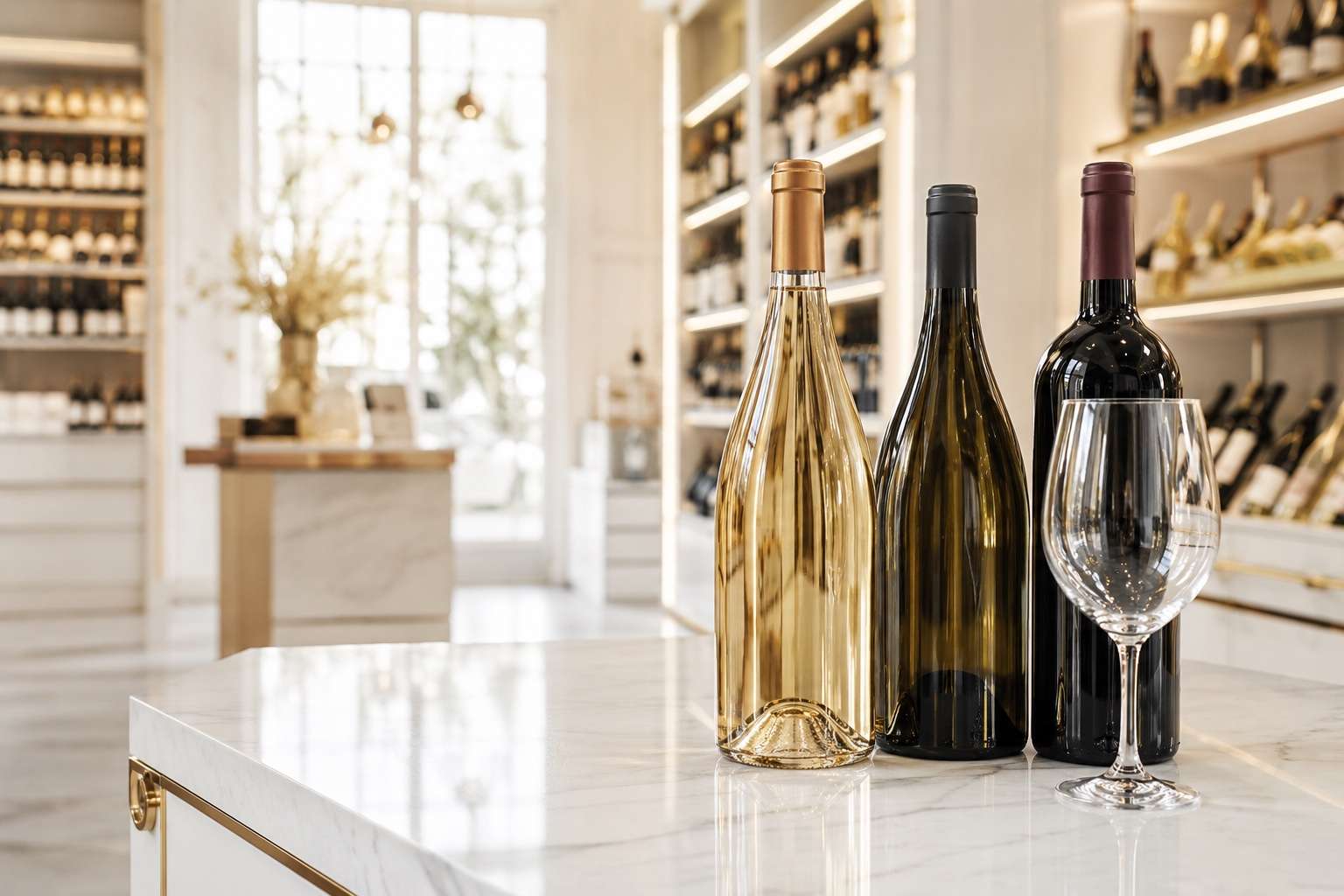
You can store wine well without a dedicated cellar. A wine fridge is the easiest solution for most beginners. It holds a steady temperature and humidity, keeps out light, and comes in sizes from a dozen bottles to a few hundred. Dual-zone models let you keep some whites at serving temperature. A cool interior closet or basement corner can work for short to medium-term storage if it stays reasonably cool, dark, and stable year-round. Avoid attics, garages, and kitchens, where temperatures swing. A regular kitchen refrigerator is fine for a few weeks but too cold and dry for long-term storage, and its vibration and odors are not ideal. A dedicated cellar or professional storage makes sense once your collection grows large or valuable. Whatever you choose, a cheap thermometer helps you check conditions through the seasons.
Wines that age well usually have high acidity, firm tannins, concentrated fruit, or sweetness. These act as preservatives while flavors evolve. Reds: Bordeaux and other Cabernet Sauvignon blends, Barolo and Barbaresco from Nebbiolo, northern Rhône Syrah, Rioja Reserva and Gran Reserva, Brunello di Montalcino, and quality Burgundy. Whites: German and Alsace Riesling, Loire Chenin Blanc such as Vouvray, white Burgundy, and Hunter Valley Semillon can develop beautifully. Sparkling and sweet: vintage Champagne, Sauternes, Tokaji, and vintage Port can age for decades. As wines age, fresh fruit turns to dried fruit, earth, leather, honey, or nuts, and tannins soften. Not everyone loves these flavors, so taste some older wines before investing heavily. Our wine vintage guide explains why some years age better.
A simple plan works well. Divide your collection into three groups: wines to drink this year, wines to drink in the next few years, and a few long-term bottles. Buy in multiples. When you find an age-worthy wine you love, buy three to six bottles. Open one every year or two to taste how it changes. This teaches you more than any book. Buy young and wait. Age-worthy wines are usually cheapest on release and become harder to find later. Use value regions. Rioja Reserva, Douro reds, Loire Chenin Blanc, and German Riesling age well without top-tier prices. Mark milestones. Many people buy wine from a child’s birth year or a wedding year to open later. See our anniversary wines page for ideas. Large bottles age more slowly than standard ones; our wine bottle sizes guide explains why magnums are a collector favorite.
A collection is only useful if you know what is in it. Keep a simple inventory with the wine’s name, region, vintage, quantity, where it is stored, and a suggested drinking window. A spreadsheet, a notebook, or a cellar app all work. Neck tags on bottles help you find wines without disturbing the whole rack. Review your inventory a few times a year and move wines that are reaching their peak into the “drink soon” group. It is far more common for collectors to open bottles too late than too early. When you open an older bottle, stand it upright for a day so sediment settles, then decant it carefully. Write a short note about how it tasted, which helps you decide when to open the rest. Our guide to writing wine tasting notes makes this easy.
| Wine Style | Typical Aging Potential | How It Changes |
|---|---|---|
| Bordeaux or Cabernet blends | Often 10 years or more | Cassis softens into cedar, tobacco, and earth |
| Barolo or Barbaresco | Often 10 to 20 years or more | Firm tannins soften; rose, tar, and dried cherry emerge |
| Rioja Reserva or Gran Reserva | Often 10 years or more | Vanilla and red fruit turn to leather and spice |
| German or Alsace Riesling | Often 10 years or more | Citrus deepens to honey and petrol-like notes |
| Vintage Champagne | Often 10 years or more | Fresh fruit turns toasty, nutty, and creamy |
| Vintage Port | Often decades | Dense fruit softens into dried fruit and spice |
A constant 55°F matters more than hitting the exact number.
Multiple bottles let you taste a wine at different ages.
Review your list yearly; most collectors open bottles too late.
Learn Your Taste
Answer a few simple questions and discover styles that fit your palate.
Take the Wine QuizBegin with a wine fridge or a cool, dark closet and a single mixed case. Choose affordable age-worthy styles like Rioja Reserva, Douro reds, German Riesling, and Loire Chenin Blanc, and buy several bottles of each favorite.
Use a simple inventory. A spreadsheet or wine app works well: record each bottle's style, region, vintage, price, rack position, and a rough drinking window. Update it whenever you add or open a bottle. A yearly look through the list helps you catch wines before they pass their peak.
No. Most wines are made to drink within a few years. Only wines with strong acidity, tannin, concentration, or sweetness, like Barolo, Bordeaux, Riesling, and vintage Port, typically improve with long aging.
For most new collectors, yes. A wine fridge keeps a steady temperature, blocks light, and limits vibration in a small space. It is much better for long-term storage than a kitchen refrigerator or a warm room.
Yes, if it has a natural cork. Lying the bottle on its side keeps the cork moist so it does not dry out and let in air. Screw-capped and synthetic-corked bottles can be stored upright.
There is no minimum. A case of 12 is a practical start: some bottles to drink this year, some for the next few years, and a few to age longer. Grow from there as you learn what you enjoy.