Measure Once
Pour 5 ounces of water into your glass so you know what a standard serving looks like.

Understand Wine. Enjoy Every Glass.
Wine Basics
Pouring wine well is a small skill that makes a big impression. Here is how to pour wine smoothly, how much to pour, and how to avoid drips on the tablecloth.
Start Learning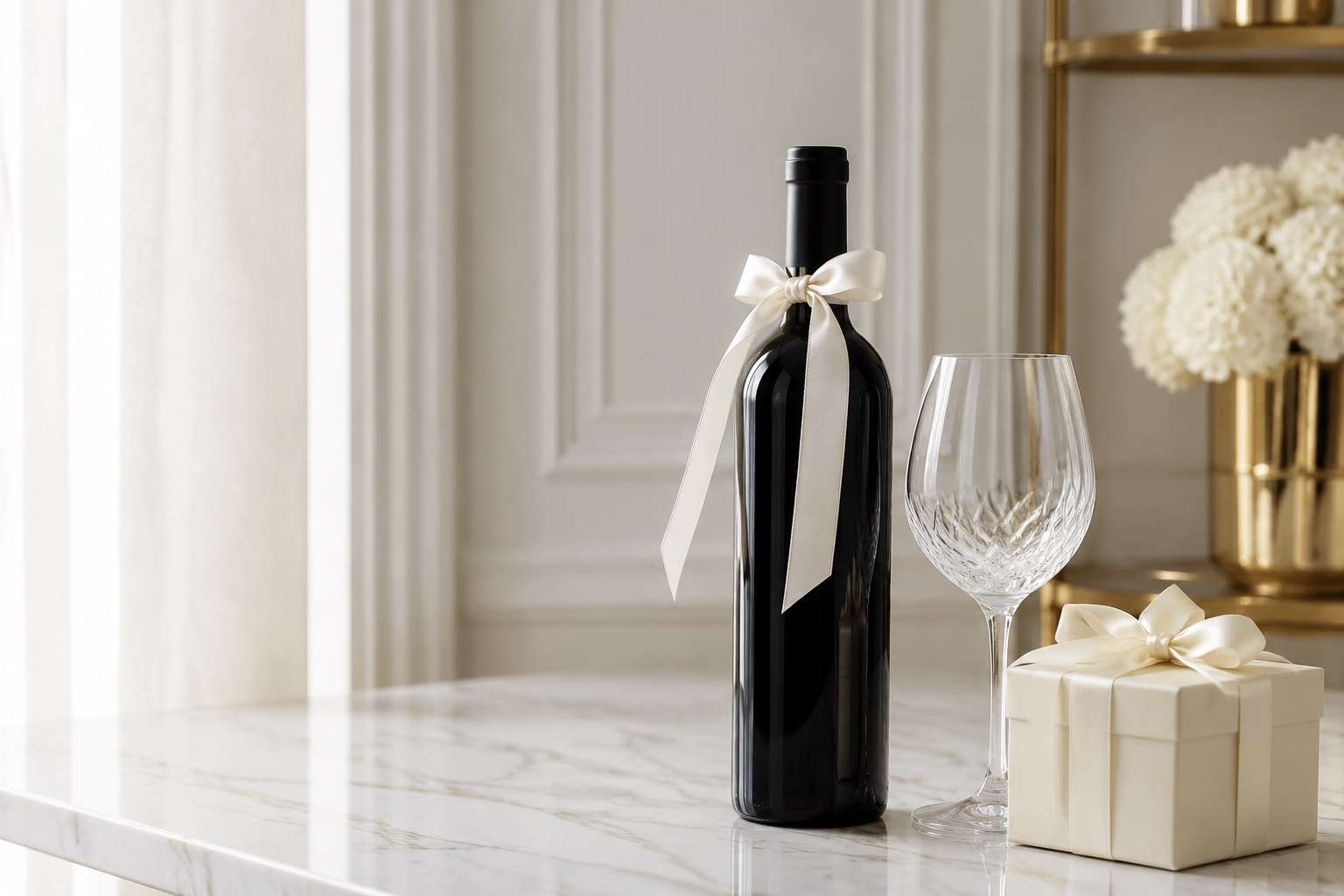
The core of how to pour wine is control. Hold the bottle firmly around its body, near the base, rather than by the neck; this gives you steadier aim and looks more polished. Turn the label toward your guest so they can see what they are drinking. Bring the bottle mouth a couple of inches above the glass, without touching the rim, and aim for the center of the bowl. Tilt slowly and pour at a steady pace. When you reach the right amount, stop tilting, give the bottle a quarter turn with your wrist as you lift it, and the last drop will cling to the lip instead of running down the side. Keep a folded napkin handy to wipe the bottle mouth between pours. These few habits prevent spills and stains, and red wine stains are much easier to avoid than to remove.
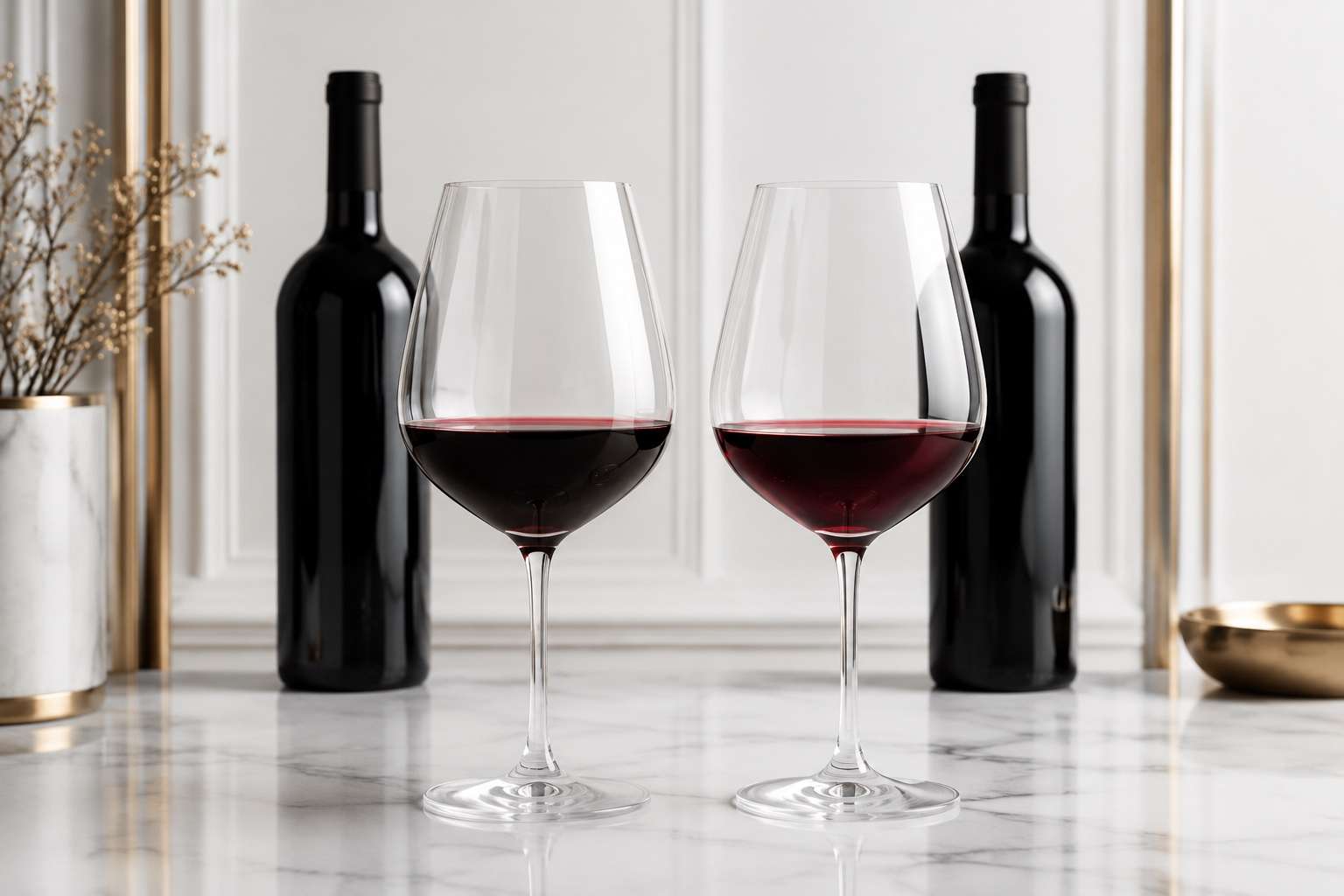
A standard serving of still wine is 5 ounces, which gives five glasses per 750 ml bottle. In practice, use the glass as your guide. For red wine in a large bowl, fill about one-third full; that leaves room to swirl and lets aromas collect. For white and rosé in a smaller glass, fill one-third to halfway. Smaller pours of whites also help keep the wine cold. For sparkling wine, fill a flute about two-thirds to three-quarters full, roughly 4 to 5 ounces. For dessert and fortified wines such as Port, pour 2 to 3 ounces in a small glass, since they are richer and stronger. Tasting pours are about 2 ounces. To see what 5 ounces looks like in your own glasses, measure it once with water. Our wine glass guide explains why shapes and sizes differ.
Sparkling wine foams quickly, so it needs a slightly different technique. Make sure the bottle is well chilled to about 40–45°F; warm bubbly foams far more. Hold the flute or glass at an angle, about 45 degrees, and pour slowly down the inside wall, the same way you might pour a beer. As the glass fills, gradually straighten it. Another method is the two-stage pour: fill the glass about a third, let the foam settle for a few seconds, then top it up. Either way, you keep more bubbles in the wine and avoid sticky spills. Hold the bottle near the base, or slide your thumb into the indent at the bottom, called the punt, with your fingers along the bottle. Our guide on how to open a wine bottle covers opening sparkling wine safely first.
Older red wines and some unfiltered wines develop sediment, a harmless but gritty deposit of tannin and pigment. To keep it out of the glass, stand the bottle upright for several hours or a day before opening so the sediment settles to the bottom. Open it gently without shaking. Then pour slowly and steadily in one motion without tipping the bottle back and forth, which would stir up the deposit. Stop when you see sediment reaching the neck, usually near the bottle’s shoulder, and leave the last bit behind. For the cleanest result, pour the whole bottle into a decanter over a light source, such as a candle or phone flashlight, so you can see the sediment approaching; our guide on how to decant wine shows the full method.
When hosting, serve your guests first and yourself last. Traditionally, servers pour from the guest’s right side, moving around the table clockwise, but at home it is fine to pour wherever is easiest without reaching across people. Pour equal amounts so no one feels shortchanged, and watch glasses through the meal, topping them up before they are completely empty. If a guest covers their glass or says no thanks, respect it without comment. Offer water alongside wine. Hold glasses by the stem when handing them over, and place them to the right of each plate, just above the knife. At a restaurant, the server pours the first taste for the person who ordered; our page on how to order wine at a restaurant explains that ritual.
Overfilling. A full glass is hard to swirl, warms quickly, and spills easily. Keep reds to one-third. Holding the neck. It gives you less control and warms the wine at the narrowest point. Touching the glass rim. Resting the bottle on the glass can chip it and looks careless. Pouring too fast. Fast pours splash and foam, especially with sparkling wine. Forgetting the twist. Without it, a drip runs down the label and onto the table. Pouring too cold or too warm. Check the serving temperature before you pour, since a perfect pour of an overheated red still tastes hot. If you are planning a party, our guide on how much wine per person uses the same 5-ounce pour to calculate how many bottles to buy.
Grip the bottle around its body near the base, with the label facing your guest.
Hold the bottle mouth a couple of inches above the center of the glass without touching the rim.
Tilt slowly and pour at an even pace until the glass is about one-third full for reds.
Rotate the bottle a quarter turn as you raise it to catch the final drop.
Dab the bottle mouth with a napkin before pouring for the next guest.
| Wine Type | Standard Pour | How Full |
|---|---|---|
| Red wine | About 5 oz | About one-third of a large glass |
| White or rosé | About 5 oz | One-third to halfway |
| Sparkling wine | 4–5 oz | Two-thirds to three-quarters of a flute |
| Dessert or fortified wine | 2–3 oz | About halfway in a small glass |
| Tasting pour | About 2 oz | A small splash in any glass |
Pour 5 ounces of water into your glass so you know what a standard serving looks like.
Pour sparkling wine down the side of a tilted glass to keep the foam in check.
Serve everyone else before filling your own glass, and top up before glasses run dry.
Learn Your Taste
Answer a few simple questions and discover styles that fit your palate.
Take the Wine QuizFill red wine glasses about one-third full and white wine glasses one-third to halfway. That works out to roughly 5 ounces and leaves room to swirl. Sparkling flutes can be filled two-thirds to three-quarters full.
A standard pour of still wine is 5 ounces, which gives about five glasses per 750 ml bottle. Sparkling pours are about 4 to 5 ounces, dessert wine 2 to 3 ounces, and tasting pours about 2 ounces.
As you finish the pour, stop tilting and rotate the bottle a quarter turn while lifting it. The twist pulls the last drop back onto the lip. Wiping the bottle mouth with a napkin between pours also helps.
It is better to hold it around the body near the base. That gives steadier control and a cleaner pour. Some servers place their thumb in the punt at the bottom, but a firm grip on the body works for everyone.
Pour for your guests first and yourself last. In formal service, the host tastes first to check the wine, then guests are served, traditionally from their right side, moving clockwise around the table.
Chill it well, tilt the glass to about 45 degrees, and pour slowly down the side. You can also pour a little, let the foam settle, then top it up. Warm bottles foam much more.