Grab Last Year's Rosé
Rosé is about freshness. Pick the most recent vintage, usually from the previous year's harvest.

Understand Wine. Enjoy Every Glass.
Wine Types
Rosé is not a mix of red and white wine. Here is how pink wine is really made, which styles to try, and how to serve rose wine so it tastes its best.
Start Learning
Nearly all grape juice is clear, and the color in red wine comes from the skins. Rosé uses that fact on purpose. In the maceration method, red grapes are crushed and the juice sits on the skins for a few hours up to a day or two, then is drained off and fermented like a white wine. In the direct press method, red grapes are pressed gently and the juice picks up just a blush of color, which gives the palest rosés. The saignée method bleeds off some juice from a tank of red wine, producing a deeper, fuller rosé. Blending red and white wine is rare and, in Europe, mostly limited to rosé Champagne. So every rose wine starts as red grapes with a very short skin contact. Our how wine is made guide explains the full process.
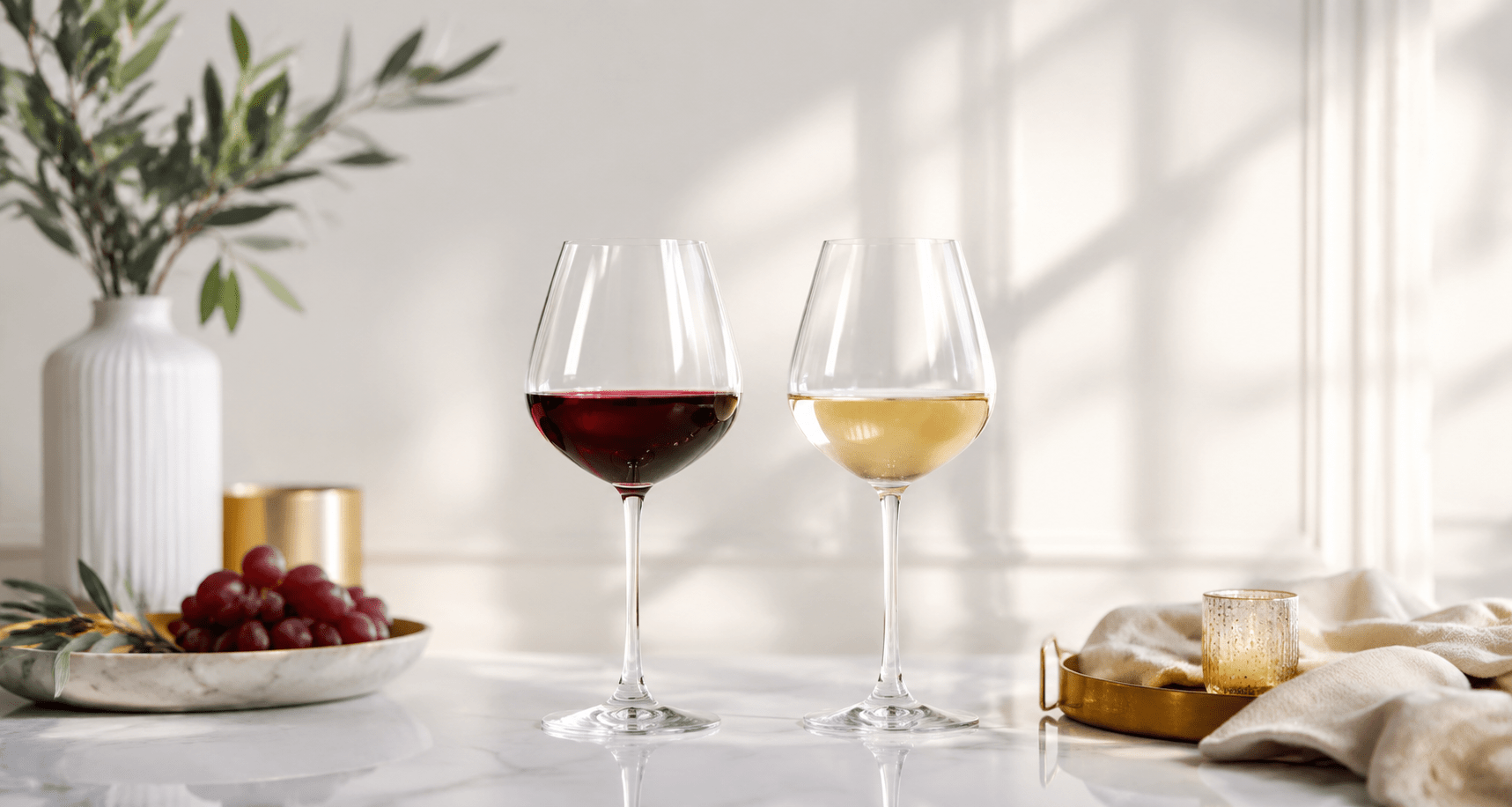
Most rosé tastes of red berries and citrus with a crisp, refreshing finish. Pale, dry styles show strawberry, watermelon, white peach, and lemon zest, with a light, almost mineral feel. Deeper rosés taste of cherry, raspberry, and sometimes a hint of spice, with more body. Because skin contact is short, rosé has very little tannin, so it drinks more like a white wine than a red. Acidity is what makes it so refreshing. The grape matters too. Grenache gives ripe strawberry, Cinsault adds delicate florals, Syrah lends color and spice, and Pinot Noir rosé tastes of tart cherry and cranberry. Sangiovese and Tempranillo make savory, slightly herbal pinks.
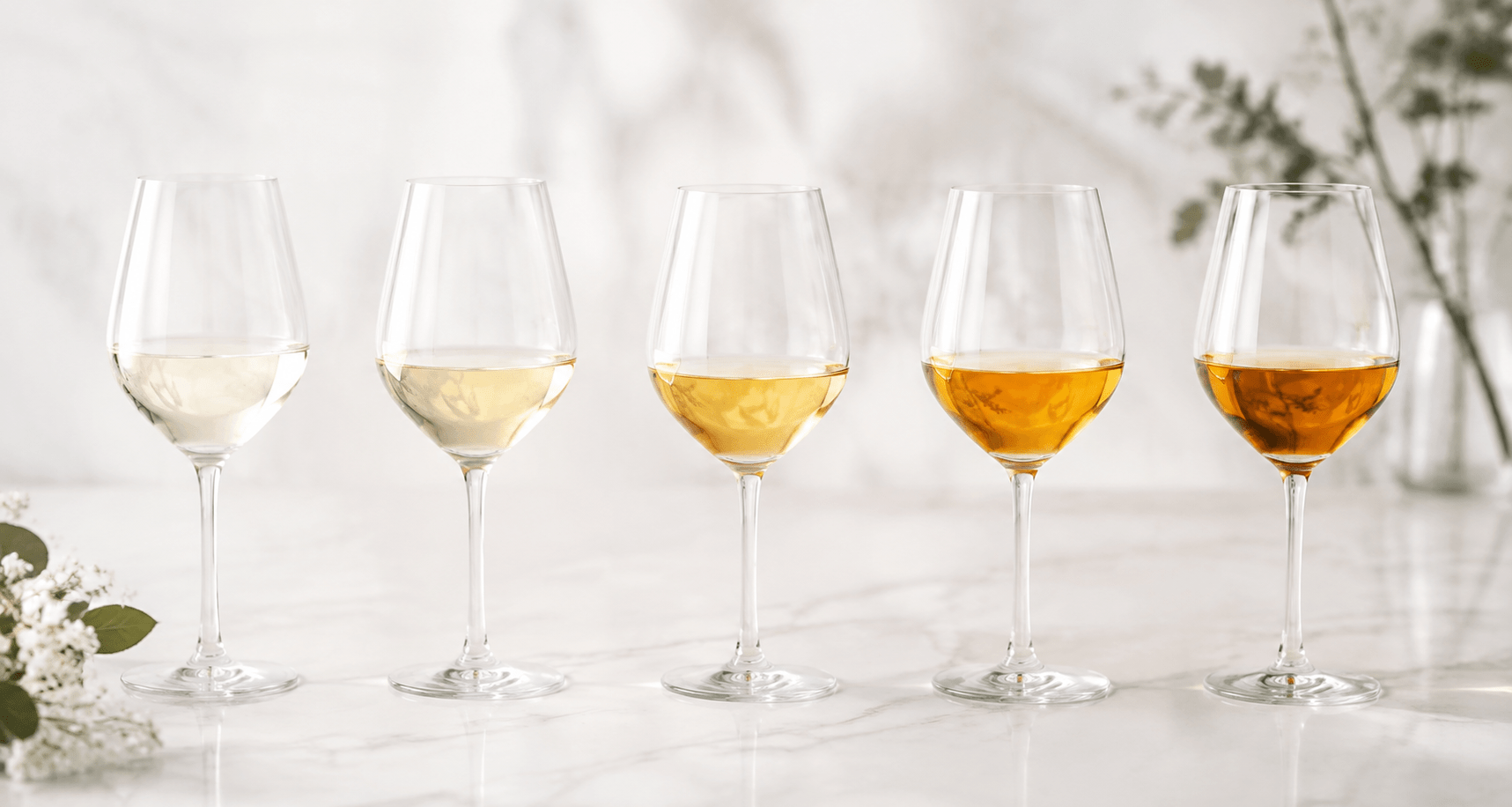
Color does not tell you sweetness. A deep pink rosé can be bone dry, and a pale one can be sweet. Most rosé from Europe is dry, including Provence, Tavel, Spanish rosado, and Italian rosato. Sweeter pinks are mostly New World blush wines. The best-known is White Zinfandel, a sweet, low-alcohol style made popular in California. Portuguese-style semi-sweet pink wines and some pink Moscato are also sweet. To spot a dry rosé, check the alcohol: wines around 12–13.5% are usually fermented dry, while sweet blush wines often sit around 9–10%. Back labels may also say dry, crisp, or off-dry. Our guide to dry wine explains why fruity aromas can trick you into thinking a wine is sweet.
Provence in southern France is the benchmark for pale, dry rosé, usually a blend of Grenache, Cinsault, Mourvèdre, and Syrah, with notes of strawberry, citrus, and herbs. Tavel in the southern Rhône Valley makes only rosé, and it is darker, fuller, and great with food. Sancerre rosé from the Loire is made from Pinot Noir and tastes crisp and tart. Spain’s rosado, especially from Navarra and Rioja, is often brighter pink and juicier, made from Garnacha and Tempranillo. Italy offers Cerasuolo d’Abruzzo, a cherry-colored pink from Montepulciano. In the US, Oregon and California make fresh Pinot Noir and Grenache rosés. Sparkling rosé, from rosé Champagne to Cava rosado, is another fun branch.
Rosé is one of the most food-friendly wines because it has a white wine’s acidity and a hint of red-fruit flavor. Pale Provence-style rosé is perfect with salads, goat cheese, grilled vegetables, and Mediterranean dishes with olive oil, garlic, and herbs. It is also a strong match for shrimp, salmon, and tuna. Fuller rosés like Tavel and Spanish rosado handle grilled sausages, roast chicken, paella, and even burgers. Rosé works well with lightly spicy food, especially Thai and Mexican dishes, because it is low in tannin. Sweet blush wines pair with fruit desserts and spicy wings. Avoid very rich, heavy dishes like braised short ribs, which call for a red. A cold rosé is also an easy pick for a picnic.
Serve rosé cold, around 45–50°F, which is about two hours in the fridge or 20 minutes in an ice bucket. Fuller rosés like Tavel can be served a touch warmer, near 55°F, to show their fruit. A standard white-wine glass works well and keeps the wine chilled. Most rosé is made to drink young, ideally within one to two years of the vintage, while the fruit is fresh. Some serious rosés from Bandol and Tavel can age a few years, but they are the exception. Store unopened bottles somewhere cool and dark; clear glass bottles are pretty but let in light that can dull the wine. Once open, recork and refrigerate, and finish within three days. For general rules, see our wine storage guide.
| Style or Region | Taste and Color | Pair It With |
|---|---|---|
| Provence rosé | Pale salmon; strawberry, citrus, herbs | Salads, goat cheese, grilled fish |
| Tavel (Rhône) | Deep pink; cherry, spice, fuller body | Roast chicken, grilled sausage |
| Spanish rosado | Bright pink; juicy raspberry, fresh acid | Paella, tapas, chorizo |
| Pinot Noir rosé | Pale pink; tart cherry, cranberry | Salmon, charcuterie |
| White Zinfandel | Pink; sweet strawberry, low alcohol | Spicy wings, fruit desserts |
Rosé is about freshness. Pick the most recent vintage, usually from the previous year's harvest.
Around 12–13.5% usually signals dry. Around 9–10% often means sweet blush wine.
Serve at 45–50°F and keep the bottle in an ice bucket on hot days.
Learn Your Taste
Answer a few simple questions and discover styles that fit your palate.
Take the Wine QuizMost rosé is dry, especially from Provence, the Rhône, Spain, and Italy. Sweet pink wines are mostly blush styles like White Zinfandel. Color is not a reliable clue, so check the alcohol level and back label instead.
Usually not. Most rosé comes from red grapes with brief skin contact. Blending red and white wine is mostly limited to rosé Champagne in Europe, though some inexpensive pink wines elsewhere are blended.
Any red grape can make rosé. Grenache, Cinsault, Syrah, and Mourvèdre dominate in southern France, Pinot Noir in the Loire and Oregon, Tempranillo and Garnacha in Spain, and Sangiovese and Montepulciano in Italy.
Yes. Serve rosé at 45–50°F so it tastes crisp and refreshing. Fuller, darker rosés can be slightly warmer, around 55°F. If it sits out on a warm day, an ice bucket keeps it at the right temperature.
About three days in the fridge with the cork or a stopper back in. Rosé loses its fresh fruit fairly fast, so finish it sooner rather than later. Sparkling rosé loses its fizz within a day or two.
Blush is an American term for pink wine, often sweeter, like White Zinfandel. Rosé is the broader, international name and more often refers to dry styles. Both are made from red grapes with short skin contact.