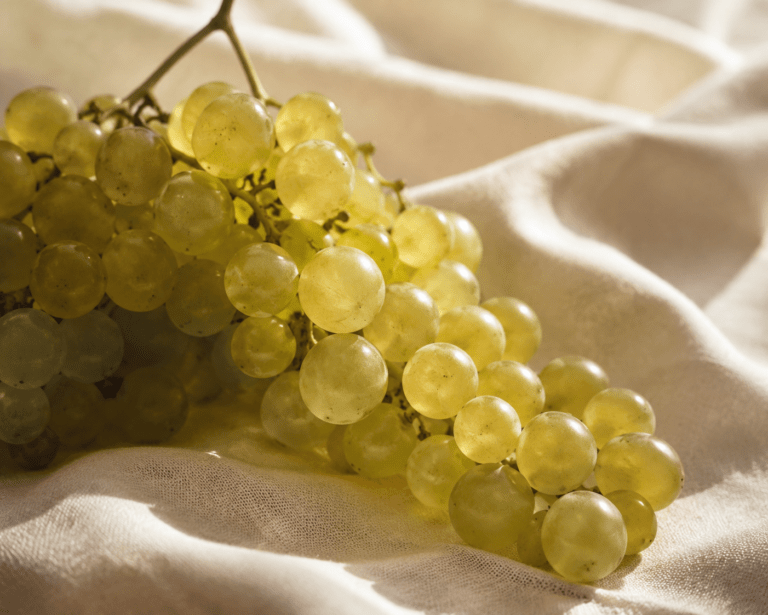
Cool Your Steak Red to 60–65°F
A too-warm Cabernet tastes hot. Fifteen minutes in the fridge fixes 'room temperature.'

Understand Wine. Enjoy Every Glass.
Wine Pairings
A great steak deserves a wine that can keep up. Here is which styles work for each cut, why they work, and what to pour tonight — no sommelier required.
Start Learning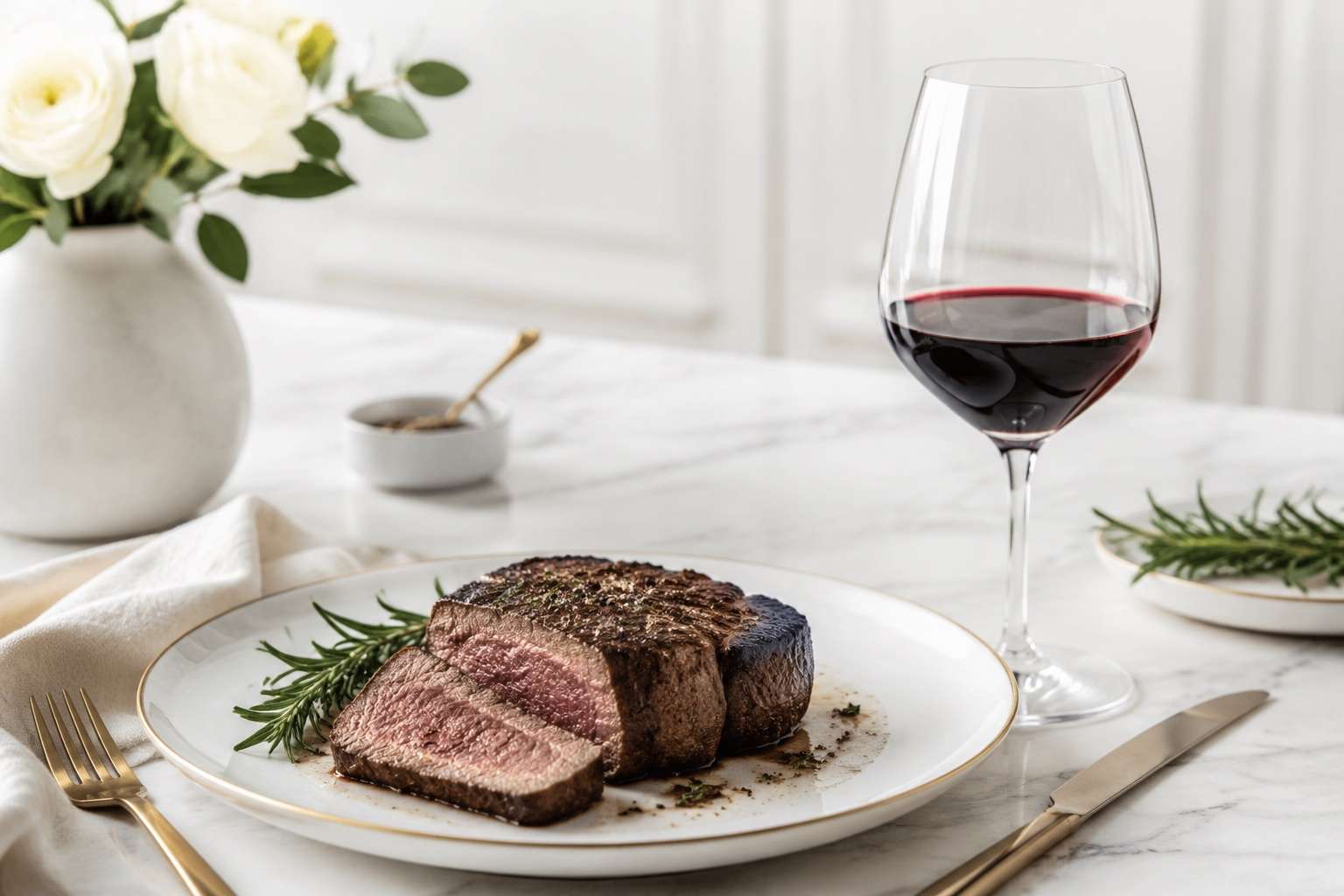
The classic pairing is chemistry, not tradition. Steak is rich in fat and protein. Red wine carries tannins — drying compounds from grape skins and seeds. When the two meet, tannins bind to the protein and fat instead of to your tongue, so a red that feels grippy on its own suddenly tastes round and fruity. The fat, in turn, coats your palate and softens the wine’s edges. Salt matters too: a generously seasoned crust tames bitterness and makes the fruit in the glass taste brighter. That is why the same bottle of young Cabernet can seem harsh at the bar and polished at the dinner table. The rule of thumb is simple: the richer and more marbled the steak, the more tannin and body the wine can handle.
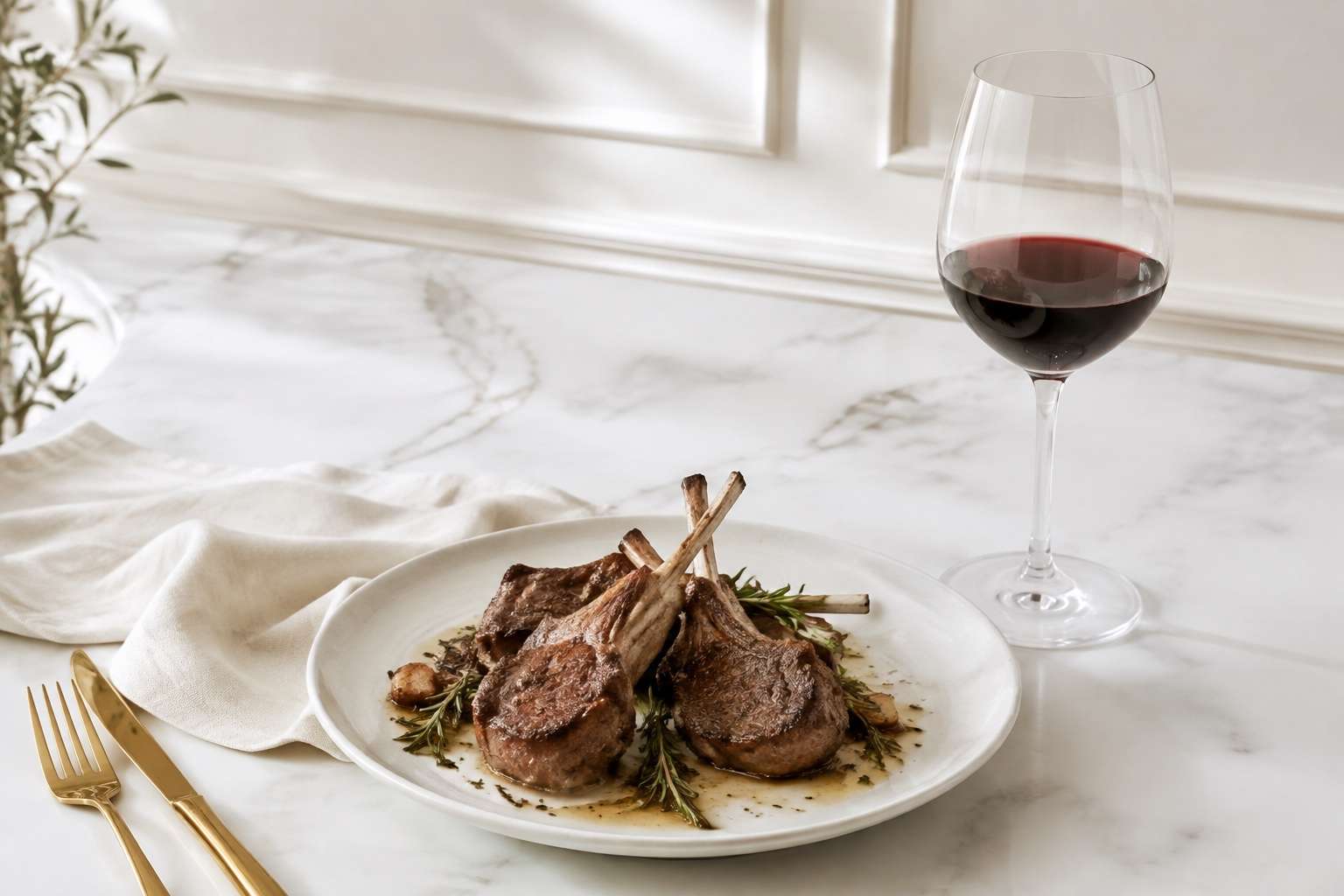
Different cuts want different wines. Ribeye is the fattiest common cut, so it stands up to the firmest structure — a Cabernet Sauvignon from Napa Valley or a Bordeaux blend. New York strip has a beefier chew with less marbling, which suits the plush dark fruit of Argentine Malbec. Filet mignon is lean and tender, and big tannins overwhelm it; this is the one steak where Pinot Noir or a Merlot wins. Sirloin, flank, and skirt take well to char and marinades, and they love the savory, peppery side of Syrah or the leather-and-cherry notes of Tempranillo from Rioja. The table below puts it all in one place.
Sauce can matter as much as the cut. A creamy peppercorn sauce leans toward Syrah or Australian Shiraz, whose black-pepper notes echo the crust. Béarnaise and butter sauces add richness that a structured Cabernet cuts through. Chimichurri brings herbs, garlic, and vinegar — Malbec’s home-country match and a natural partner. Mushroom or red-wine reductions point toward earthy Pinot Noir or Nebbiolo. Cooking method matters too: heavy grill char and smoke favor riper, fruit-forward reds like Zinfandel, while a pan-seared steak with a light crust shows off more elegant wines. Doneness plays a role as well. Rare and medium-rare steak has more juice and protein for tannin to work on, so it flatters bold reds best; well-done steak is drier and pairs better with softer, fruitier styles.
You can — the trick is choosing a white with enough weight. Light, delicate whites such as Pinot Grigio taste like water next to a ribeye. A barrel-aged Chardonnay has the body and creamy texture to hold its own, especially with filet mignon or steak finished in butter. Vintage Champagne is an underrated match: its acidity and bubbles scrub the palate clean between rich bites, doing the job tannin normally does. If someone at the table prefers rosé, choose a deeper, fuller style from Spain or the southern Rhône rather than a pale Provence rosé.
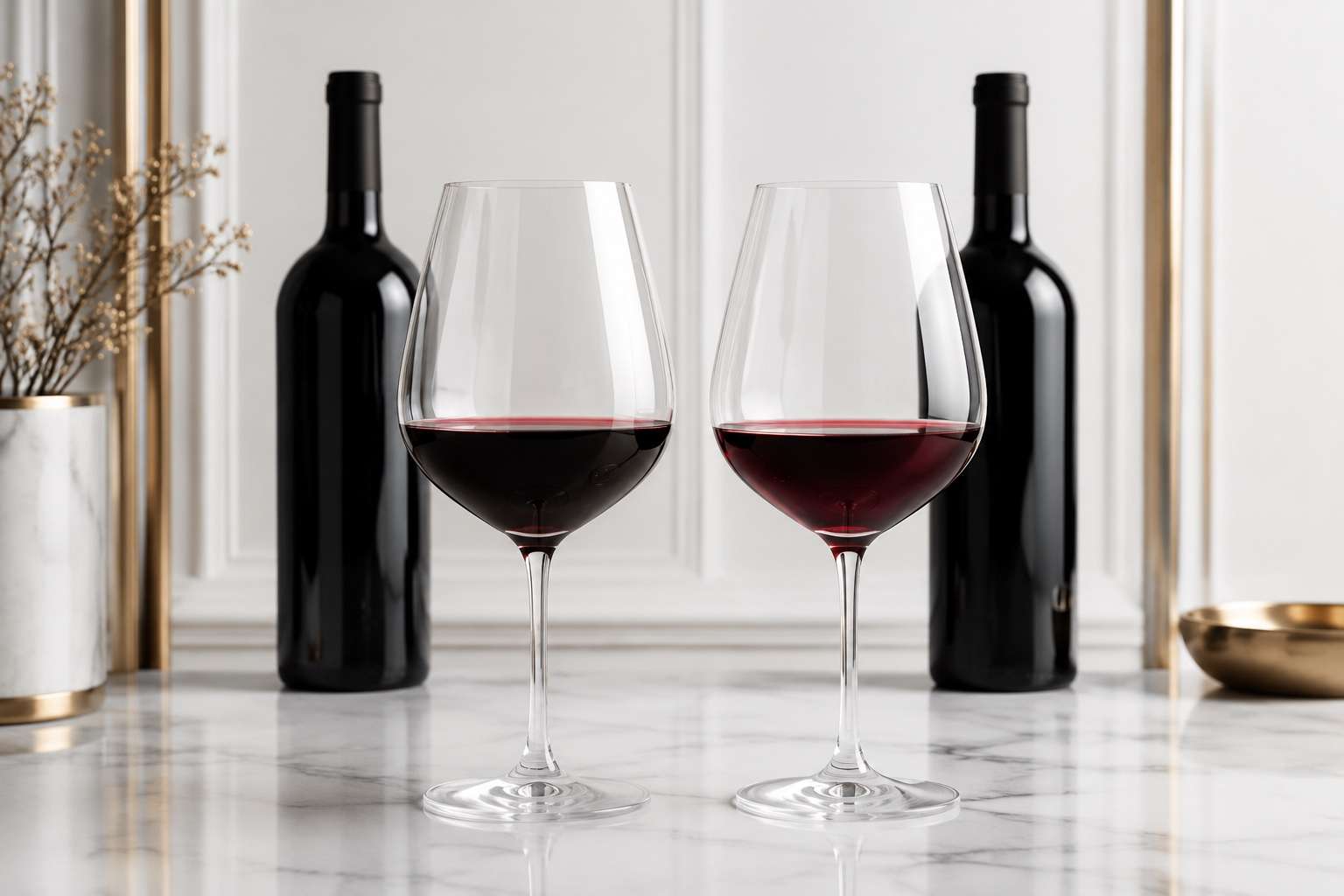
Serve red wine slightly cool — 60–65°F — so the alcohol does not overpower the fruit; fifteen minutes in the refrigerator fixes a too-warm bottle. Young, full-bodied reds such as Cabernet Sauvignon and Malbec benefit from 30 to 60 minutes of air, so decant them or open the bottle before you start cooking. Use a large-bowled glass and pour it about one-third full to leave room for swirling. Plan on one standard 750 ml bottle for every two to three diners over dinner.
You do not need a trophy bottle. Argentine Malbec from Mendoza is the value champion — bold, smooth, and widely available for under $20. Chilean Cabernet Sauvignon, Spanish Rioja Crianza, and Washington State red blends all deliver serious structure for the price. Côtes du Rhône is a dependable, food-friendly choice for sirloin and burgers. Save the splurge — a mature Bordeaux or a top Napa Cabernet — for special occasions, when its age and complexity have room to shine.
| Steak Cut | Best Wine | Why It Works |
|---|---|---|
| Ribeye | Cabernet Sauvignon or Bordeaux blend | Firm tannins cut through heavy marbling |
| New York strip | Malbec | Plush dark fruit matches the beefy, meaty chew |
| Filet mignon | Pinot Noir or Merlot | Silky texture suits the lean, tender cut |
| Sirloin, flank, or skirt | Syrah or Tempranillo | Savory spice complements char and marinades |
| Peppercorn-crusted steak | Syrah or Shiraz | Black-pepper notes echo the crust |
A too-warm Cabernet tastes hot. Fifteen minutes in the fridge fixes 'room temperature.'
30–60 minutes of air softens the tannins in young Cabernet and Malbec.
Salt tames tannin, so a well-seasoned steak makes every red taste smoother.
Learn Your Taste
Answer a few simple questions and discover styles that fit your palate.
Take the Wine QuizFull-bodied reds with firm tannins are the classic match: Cabernet Sauvignon, Malbec, and Syrah. Their structure balances the fat and protein in the meat, making both the wine and the steak taste better.
Yes. Merlot's softer tannins and plummy fruit work well with filet mignon and medium-marbled cuts like sirloin. It is also a friendly choice for guests who find Cabernet Sauvignon too intense.
Pinot Noir is the top pick. Filet mignon is lean and tender, so it pairs best with a silky, lighter-bodied red rather than a tannic powerhouse that would overwhelm its delicate flavor.
Yes, if it has enough body. A barrel-aged Chardonnay or a vintage Champagne works, especially with filet or butter-finished steak. Avoid light whites like Pinot Grigio, which the steak will overpower.
For young, full-bodied reds, yes. Thirty to sixty minutes in a decanter softens tannins and opens the aromas. Older wines need only a gentle pour to separate them from any sediment.
Argentine Malbec offers the best value — bold, smooth, and widely available under $20. Chilean Cabernet Sauvignon, Spanish Rioja Crianza, and Côtes du Rhône are excellent budget alternatives.