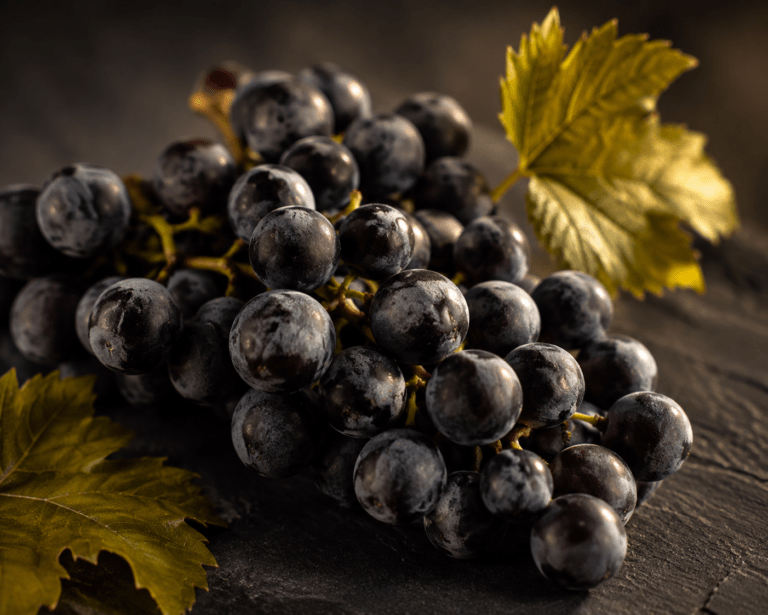
Skip Big Tannin
Heavy reds can taste metallic with salmon; stick to Pinot Noir or Gamay.

Understand Wine. Enjoy Every Glass.
Wine Pairings
Salmon breaks the old "white wine with fish" rule. Its rich, oily flesh is one of the few seafood dishes that loves a red, and the right rosé or white works too.
Start Learning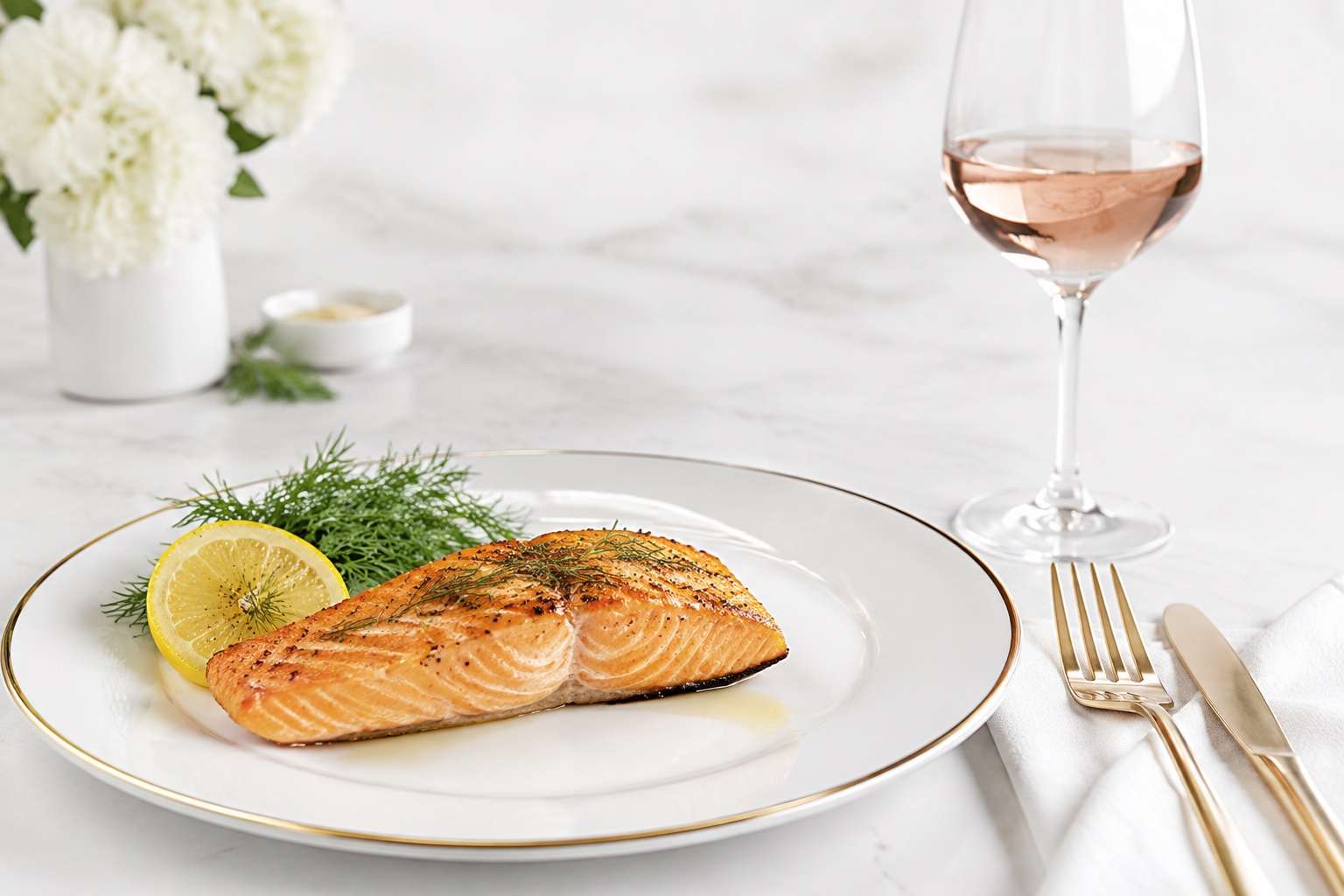
Salmon is the steak of the fish world: fatty, meaty, and full of flavor. That richness is why the usual wine with salmon is not a delicate white but a light red. Pinot Noir has just enough tannin to give structure, but not so much that it clashes. That matters, because heavy tannin reacts with fish oils and can leave a metallic, tinny taste. Pinot’s bright acidity cuts through the fat the way a squeeze of lemon does, and its cherry, raspberry, and earthy notes match the gentle sweetness of the fish. The Pacific Northwest is famous for this match: Pinot Noir from Willamette Valley and wild salmon is a regional tradition for good reason. Red Burgundy, California Pinot, and New Zealand Pinot from Central Otago all work too.
Preparation changes the best bottle. Grilled or cedar-plank salmon picks up smoke and char, which pairs best with Pinot Noir or a fruity Gamay from Beaujolais. Baked or roasted salmon with simple seasoning works with Pinot Noir, dry rosé, or a lightly oaked Chardonnay. Poached salmon is more delicate, so choose a crisp white such as Sauvignon Blanc, Chablis, or Grüner Veltliner. Smoked salmon and lox are salty and silky, a perfect partner for Champagne, dry Riesling, or Alsace Pinot Gris. Raw salmon in sushi, sashimi, or poke wants something light and clean, such as dry sparkling wine or a crisp, peppery Grüner Veltliner. Blackened or Cajun salmon brings spice, so pick an off-dry Riesling or a juicy rosé with low alcohol.

Sauces often matter more than the fish itself. A lemon butter or beurre blanc sauce suits a fuller, gently oaked Chardonnay, whose creamy texture mirrors the butter. Dill and yogurt or cucumber sauces favor zesty Sauvignon Blanc from Marlborough or Sancerre. Teriyaki or miso glaze adds sweetness and salt, so try an off-dry Riesling or a fruit-forward Pinot Noir. Pesto pairs with herbal Vermentino. A mustard or maple glaze works with Oregon Pinot Gris or a dry rosé. Sides count too: roasted beets, mushrooms, and lentils pull the plate toward red wine, while asparagus, salads, and citrus pull it toward crisp whites. Asparagus is notoriously hard on many wines, but Sauvignon Blanc and Grüner Veltliner handle it well. Creamy potatoes or risotto add richness that Chardonnay loves.
If you prefer white wine, choose one with some weight. Chardonnay is the top pick, from steely Chablis for poached salmon to a richer California style for salmon in cream sauce. Pinot Gris from Oregon or Alsace has a round, slightly spicy texture that suits salmon especially well. Viognier works with salmon glazed with apricot or honey. Dry rosé may be the most underrated choice of all; the deeper pink styles from Provence, Tavel, or Spain have red-fruit flavor and crisp acidity, bridging the gap between white and red. They are also perfect on a summer patio with grilled salmon. Sparkling wine, especially a rosé Champagne or Crémant, is lovely with smoked salmon, salmon cakes, and salmon tartare, where its bubbles refresh the palate after each rich, salty bite.
The main wine to avoid is a big, tannic red. Young Cabernet Sauvignon, Syrah, Malbec, and Nebbiolo carry heavy tannin that clashes with fish oils, often creating a metallic or fishy aftertaste. They also overpower the flavor of the fish. Very oaky, high-alcohol reds tend to do the same. On the white side, the risk is too little flavor: a light, neutral Pinot Grigio may taste watery next to rich salmon, though it is fine with very simple poached fillets. Very sweet wines rarely work unless the glaze is sweet and spicy. If you only drink bigger reds, look for softer, lower-tannin options such as a fruity Merlot or a cool-climate Syrah, and serve them lightly chilled to reduce harshness. Our red vs white wine guide explains why tannin behaves this way.
Serve Pinot Noir slightly cool, at about 55–60°F, so its fruit stays bright and its alcohol stays in the background. Chill rosé and crisp whites to 45–50°F and fuller Chardonnay to around 50–55°F. A wide-bowled glass helps Pinot Noir show its aromas; see our wine glass guide for the details. Great salmon wines need not be expensive. Pinot Noir from California’s Central Coast, Chile, or Romania offers good value, and Bourgogne Rouge is an affordable entry to Burgundy. Côtes de Provence rosé, Mâcon Chardonnay, Oregon Pinot Gris, and German Riesling Kabinett are also reliable, often under $20 to $25. For a party with smoked salmon on the menu, Spanish Cava or French Crémant gives you Champagne-style bubbles at a fraction of the price.
| Salmon Preparation | Best Wine | Why It Works |
|---|---|---|
| Grilled or cedar-plank | Pinot Noir | Light tannin and red fruit suit smoke and char |
| Baked with herbs | Pinot Noir or dry rosé | Bright acid balances rich, oily flesh |
| Lemon butter or cream sauce | Oaked Chardonnay | Creamy texture mirrors the sauce |
| Poached with dill | Sauvignon Blanc or Chablis | Crisp acid and herbal notes stay delicate |
| Smoked salmon or lox | Champagne or dry Riesling | Bubbles and acid cut salt and fat |
| Teriyaki or miso glaze | Off-dry Riesling | Slight sweetness matches the glaze |
Heavy reds can taste metallic with salmon; stick to Pinot Noir or Gamay.
Serve Pinot Noir at 55–60°F so it tastes fresh against the rich fish.
Butter points to Chardonnay, dill to Sauvignon Blanc, glaze to Riesling.
Learn Your Taste
Answer a few simple questions and discover styles that fit your palate.
Take the Wine QuizYes. Salmon is one of the best fish for red wine because it is rich and meaty. Choose a light, low-tannin red such as Pinot Noir or Gamay. Avoid heavy, tannic reds, which can taste metallic with fish oils.
Chardonnay is the best white for most salmon dishes, especially with butter or cream. Pinot Gris from Oregon or Alsace is also excellent, and Sauvignon Blanc suits lighter, herb-and-lemon preparations.
Champagne and other dry sparkling wines are the classic match, since bubbles and acidity cut through salt and fat. Dry Riesling, Alsace Pinot Gris, and Chablis are also great choices for smoked salmon and lox.
Yes. Dry rosé is one of the best all-around salmon wines. It has red-berry flavor like a light red and crisp acidity like a white. Fuller rosés from Tavel or Spain handle grilled salmon especially well.
Not usually. Cabernet's firm tannins clash with salmon's oils and can create a metallic taste, and its power overwhelms the fish. Pinot Noir is a far better red choice for nearly every salmon dish.
An off-dry Riesling is ideal because its touch of sweetness mirrors the glaze and its acidity cuts the salty soy. Fruity Pinot Noir and dry rosé also work well with teriyaki or miso-glazed salmon.