Snap a Photo
Photograph labels of wines you love so you can buy them again or ask for similar.

Understand Wine. Enjoy Every Glass.
Buying & Occasions
A wall of bottles can feel overwhelming. With a simple routine and a few label clues, you can walk out with a wine you will actually enjoy.
Start Learning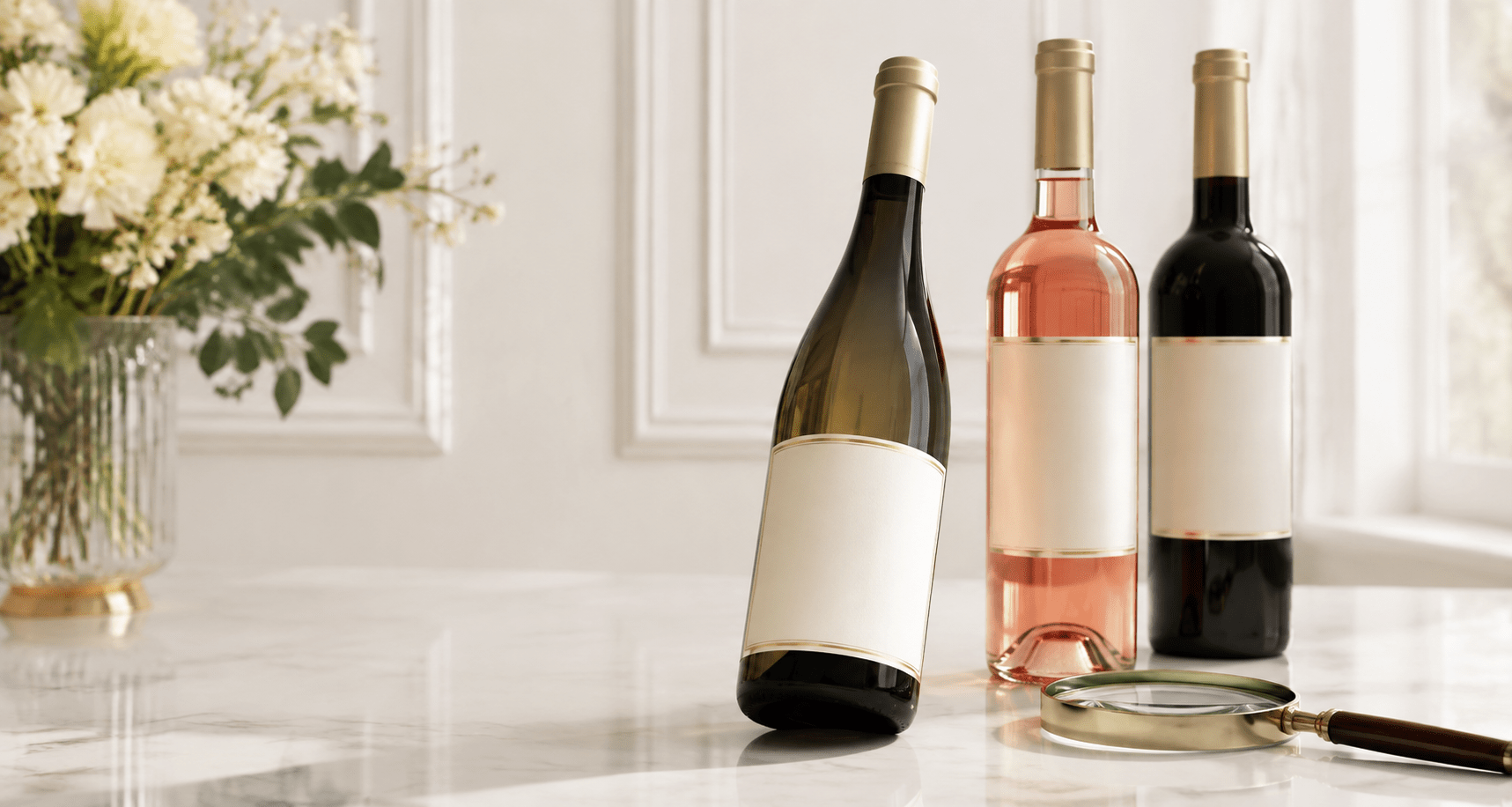
Knowing how to buy wine is mostly about asking yourself the right questions before you reach for a bottle. First, what is it for? A weeknight pasta, a gift, and a party each call for different choices. Second, what style do you like? Think in broad terms: crisp and light white, rich and creamy white, juicy red, bold red, rosé, or sparkling. Third, what will you spend? Many well-made everyday wines fall between about $12 and $20, and a set budget narrows the shelf instantly. Fourth, which region gives the best value for that style? If you want a bold red, Argentine Malbec or Spanish Garnacha usually offers more for the money than a famous name. Answer those four questions and a wall of hundreds of bottles shrinks to a handful. For picks by occasion and budget, start with the wine buying guides hub.
Labels follow two systems. New World wines from the US, Australia, Chile, and elsewhere usually name the grape, such as Chardonnay or Cabernet Sauvignon. Old World wines from France, Italy, and Spain often name the place, such as Sancerre, Chianti, or Rioja, and expect you to know the grape. A few clues tell you a lot. Alcohol: under about 12.5 percent suggests a lighter, fresher wine, while over 14 percent signals ripe, fuller body. Vintage: for most everyday whites and rosés, younger is better. Specific place names: a village or single vineyard usually means a more distinctive, often pricier wine than a broad regional label. Terms like Reserva, Crianza, and Riserva signal extra aging in Spain and Italy. Our how to read a wine label guide decodes the rest.
Fame adds cost. Bordeaux, Burgundy, Napa Valley, and Champagne carry big reputations and high land prices. Lesser-known regions often deliver similar styles for far less. Love Cabernet? Try Chilean Cabernet from the Maipo Valley or a Washington red blend. Like Champagne? Spanish Cava and French Crémant use the same traditional method. Enjoy Pinot Noir? Look at Chilean or German versions. For whites, Portuguese Vinho Verde, Loire Valley Muscadet, and Spanish Verdejo are reliably fresh and affordable. Southern France is a treasure chest too. The Languedoc and Côtes du Rhône produce generous reds at friendly prices. For more ideas, see our lists of the best red wines under $20 and the best white wines under $20.
A dedicated wine shop is the best place to learn. Staff taste constantly and can point you toward something specific. Tell them a wine you liked, the food you are serving, and your price, and let them do the rest. Ask if they offer mixed-case discounts. A grocery store is convenient, but selections lean toward big-volume brands. Read the region and alcohol level, and look for wines from the value regions above rather than reaching for the flashiest label. Online retailers offer huge selection and good prices on multi-bottle orders, but shipping laws vary by state, and someone 21 or older usually must sign for delivery. Wherever you shop, store bottles sideways and away from heat once home. Our how to store wine page covers the basics.
Assuming price equals quality. A higher price often reflects reputation, oak barrels, or rarity rather than how much you will enjoy the wine. Buying old white wine on sale. Most inexpensive whites and rosés are made to drink within a year or two. A dusty, discounted bottle from many vintages back may have faded. Ignoring the screw cap. Screw caps are not a sign of cheap wine; they keep fresh styles fresh. Read our cork vs screw cap comparison. Buying only for the label art. A clever label tells you nothing about what is inside. Check grape, region, and alcohol. Buying too little for a party. A 750 ml bottle pours about five glasses. Use our how much wine per person guide before a big event.
| Situation | Style to Look For | Value Region to Try |
|---|---|---|
| Weeknight dinner | Juicy, medium-bodied red | Côtes du Rhône or Spanish Garnacha |
| Seafood or salad | Crisp, dry white | Vinho Verde, Muscadet, or Albariño |
| Steak or burgers | Bold red | Mendoza Malbec or Chilean Cabernet |
| Celebration on a budget | Traditional-method sparkling | Cava or Crémant |
| Spicy takeout | Off-dry white | Washington or German Riesling |
| Mixed crowd | Dry rosé | Provence or Spanish rosado |
Photograph labels of wines you love so you can buy them again or ask for similar.
Many shops discount mixed cases, a cheap way to explore new styles.
Alcohol percentage is a quick clue to body: higher usually means fuller and riper.
Learn Your Taste
Answer a few simple questions and discover styles that fit your palate.
Take the Wine QuizStart with style, not names. Decide between crisp white, juicy red, rosé, or sparkling, then choose a bottle from a value region like Spain, Portugal, or Chile. Or ask shop staff for their favorite bottle under your budget.
No. Price reflects land cost, oak barrels, aging, reputation, and rarity. Those can add complexity, but plenty of affordable wines are delicious, and an expensive bottle in a style you dislike is still a bad buy for you.
Look for the grape or region, the vintage, and the alcohol percentage. Region and grape tell you the style, the vintage tells you freshness, and alcohol hints at body. Terms like Reserva or Riserva indicate extra aging.
No. Screw caps keep wine fresh and prevent cork taint, which is why many crisp whites and plenty of reds use them. They are standard in New Zealand and Australia, including on premium bottles.
Plan on roughly half a bottle per guest for a two- to three-hour party, a bit more for a long dinner. A 750 ml bottle holds about five 5-ounce glasses. Buying a little extra is safer than running out.
Often, yes, if the wine is faulty. A wine smelling of wet cardboard or musty basement may be corked. Many shops will exchange it if you bring back the nearly full bottle and receipt, but policies vary.