Seek Acidity
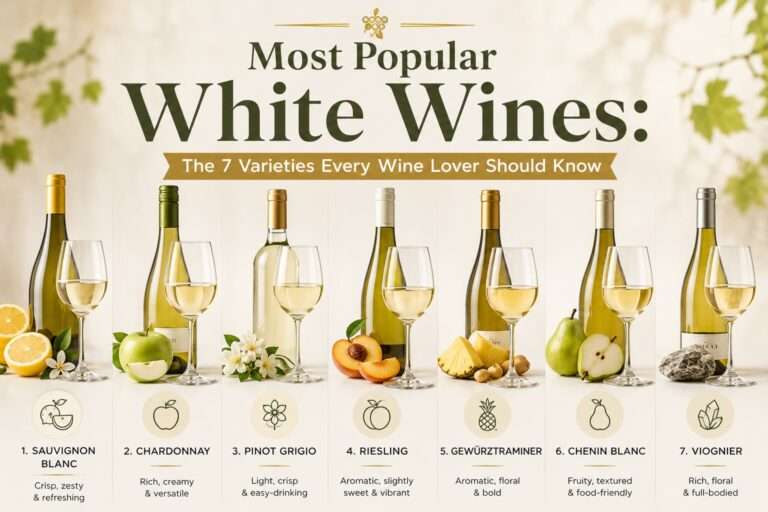
The best sweet wines feel fresh. Riesling and Chenin Blanc have the acid to balance sugar.

Understand Wine. Enjoy Every Glass.
Wine Types
Love a little sugar in your glass? Sweet wine runs from barely off-dry to rich and honeyed. Here are the best styles to try, how to spot them, and what to eat with them.
Start Learning
Every wine starts as sweet grape juice. Yeast eats the sugar and turns it into alcohol. In a sweet wine, some of that sugar is left behind, called residual sugar. Winemakers get there by stopping fermentation early, often by chilling the wine and filtering out the yeast, or by using grapes so ripe that the yeast quits before finishing. That is why many sweet wines are also lower in alcohol. The best sweet wines balance their sugar with high acidity, which keeps them lively and stops them from tasting like syrup. Think of the difference between flat soda and fresh lemonade: both are sweet, but one feels refreshing. Our dry vs. sweet wine guide shows how sugar and acid play off each other.
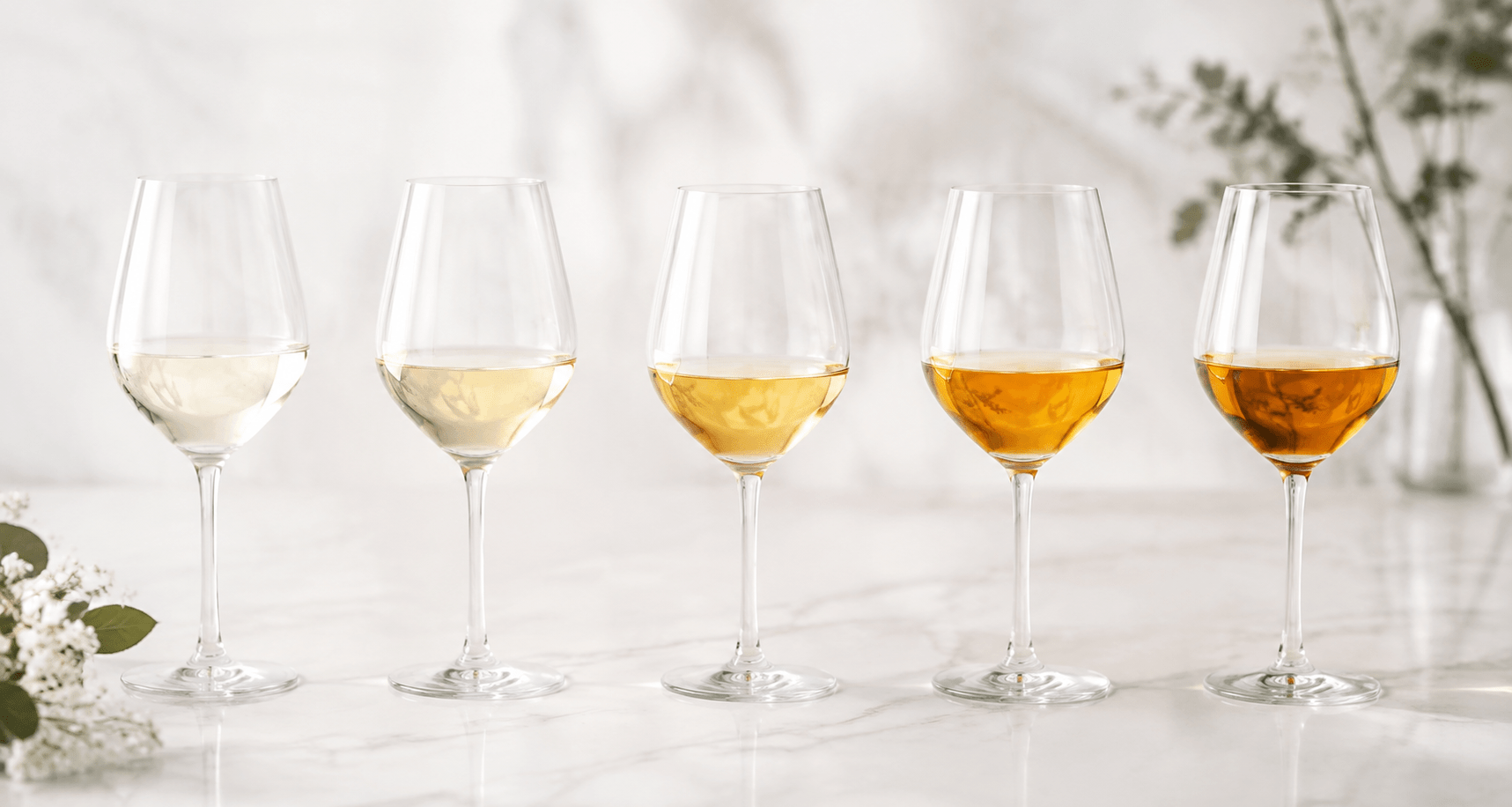
Sweet wine is a spectrum, not a single style. Off-dry wines have just a hint of sugar, enough to round out the fruit; many Rieslings, Chenin Blancs, and Gewürztraminers sit here. Medium-sweet wines are clearly sweet but still light, like Kabinett and Spätlese Riesling, demi-sec Vouvray, and Moscato d’Asti. Sweet wines are rich and full, like Auslese Riesling, late-harvest wines, and Sauternes. Very sweet wines are thick and intense, like ice wine, Tokaji Aszú, Trockenbeerenauslese, and Pedro Ximénez sherry. As a rule, the further up the scale, the smaller the pour. The richest styles are covered in depth on our dessert wine page, while the lighter end is perfect for sipping on a porch or with dinner.
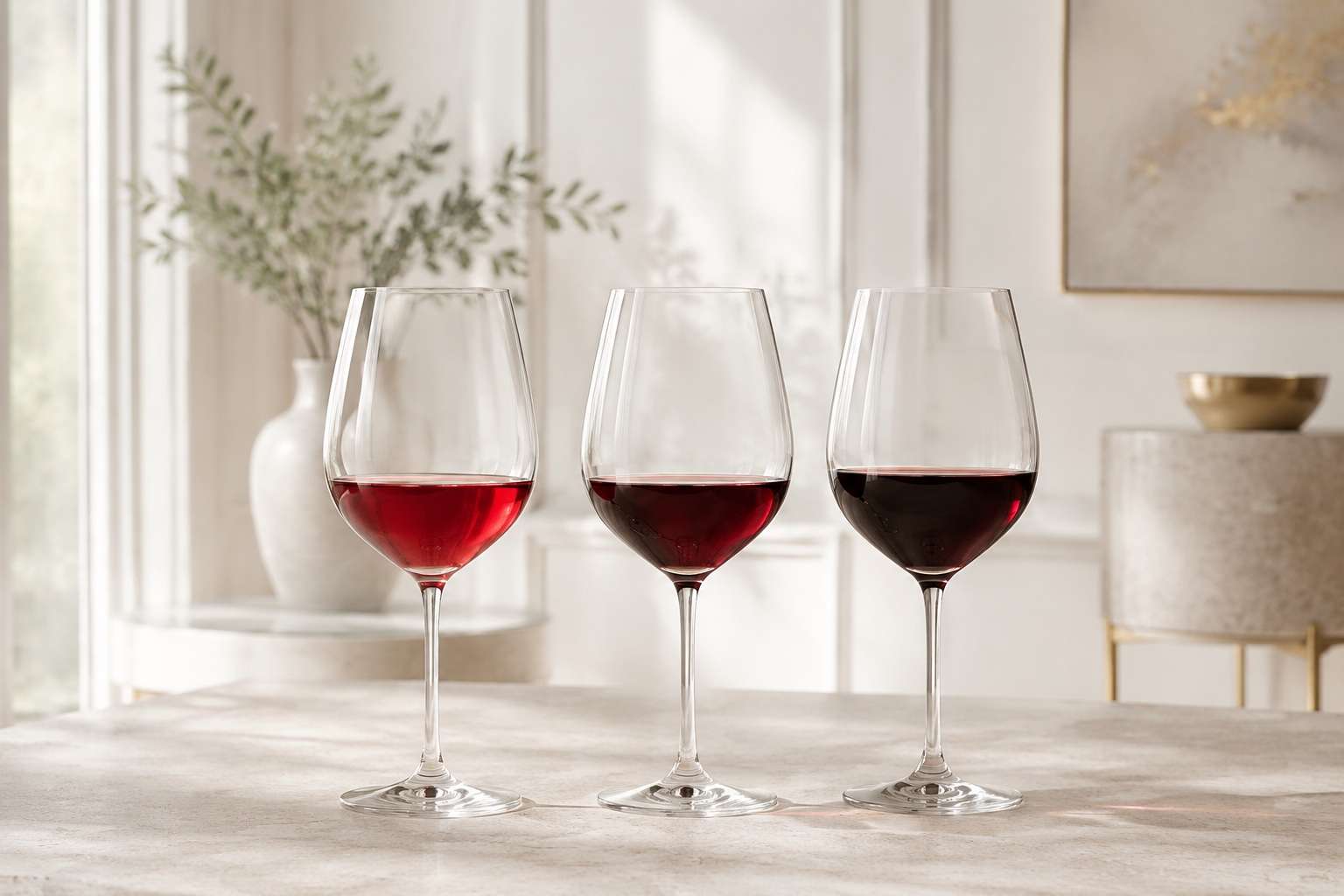
Moscato is the easiest entry point. Moscato d’Asti from Piedmont is lightly fizzy, low in alcohol, and bursting with peach, orange blossom, and grape. Riesling from Germany’s Mosel is the classic sweet white for wine lovers, with lime, green apple, and slate-like freshness; Kabinett is light and delicate, while Spätlese is riper. Chenin Blanc from Vouvray, labeled demi-sec or moelleux, offers honey, quince, and baked apple. Gewürztraminer from Alsace smells like lychee, rose, and ginger and is often off-dry. Torrontés from Argentina is floral and sometimes slightly sweet. For a splurge, Sauternes and Tokaji are rich, golden, and honeyed. If you are deciding between the first two, our Riesling vs. Moscato comparison helps.
Sweet reds are less common, but there are delicious ones. Lambrusco from Emilia-Romagna comes in dry and sweet versions; look for amabile or dolce on the label for a fizzy red with ripe cherry and violet flavors. Brachetto d’Acqui from Piedmont is a light, sweet, sparkling red that smells of strawberries and roses. Ruby port from Portugal is rich, fortified, and full of blackberry and plum, and it is a natural partner for chocolate; see our port wine guide. Banyuls and Maury from southern France are fortified Grenache wines with notes of raisin, mocha, and dried cherry. Some inexpensive American sweet red blends are also widely available and very fruity. Avoid confusing ripe, jammy dry reds like Zinfandel with genuinely sweet ones.
Look for these words. In Italian, amabile means semi-sweet and dolce means sweet. In French, demi-sec means off-dry to medium-sweet and moelleux or doux means sweet. On German Riesling, Kabinett, Spätlese, and Auslese indicate increasing ripeness and are usually sweet unless the label also says Trocken. On sparkling wine, Extra Dry, Sec, Demi-Sec, and Doux are progressively sweeter than Brut. Low alcohol is another strong clue: a white wine around 7–10% almost always has noticeable sugar. Some Riesling back labels include a sweetness scale from dry to sweet. When in doubt, ask the shop staff for an off-dry or medium-sweet style and name a wine you already enjoy.
Lightly sweet wines are brilliant with spicy food. A touch of sugar cools chili heat, which is why off-dry Riesling and Gewürztraminer are classic with Thai food, Indian curries, and Sichuan dishes. They also suit salty ham, pork with fruit, and soft cheeses. Medium-sweet wines like Moscato d’Asti pair with fresh fruit, brunch pastries, and light cakes. Richer sweet wines go with desserts, blue cheese, and foie gras. Just make sure the wine is at least as sweet as the food. Serve sweet whites well chilled, around 43–50°F, since cold keeps sweetness feeling fresh. Sweet reds like Lambrusco are best cool. Because they contain sugar, sweet wines carry more calories per glass than dry ones; see calories in wine.
| Sweet Wine | Sweetness and Taste | Pair It With |
|---|---|---|
| Moscato d'Asti | Medium-sweet; peach, orange blossom, fizzy | Fruit salad, brunch |
| Riesling Kabinett or Spätlese | Off-dry to medium-sweet; lime, apple | Thai, Indian, ham |
| Vouvray demi-sec | Off-dry; honey, quince, apple | Pork, spicy chicken |
| Gewürztraminer (Alsace) | Off-dry; lychee, rose, ginger | Curry, Munster cheese |
| Lambrusco Amabile | Semi-sweet; cherry, violet, fizzy red | Pizza, cured meats |
| Brachetto d'Acqui | Sweet; strawberry, rose, sparkling red | Berries, light chocolate |
| Sauternes | Very sweet; apricot, honey, almond | Blue cheese, crème brûlée |
The best sweet wines feel fresh. Riesling and Chenin Blanc have the acid to balance sugar.
Amabile, demi-sec, and Spätlese usually signal sweetness. Trocken means dry.
Off-dry Riesling or Gewürztraminer cools chili heat better than any dry red.
Learn Your Taste
Answer a few simple questions and discover styles that fit your palate.
Take the Wine QuizPedro Ximénez sherry, Tokaji Eszencia, Trockenbeerenauslese, and ice wine are among the sweetest wines made. They can be as thick as syrup. For everyday sweetness, Moscato d'Asti and sweet Lambrusco are far lighter options.
Moscato d'Asti is the most popular starting point: low in alcohol, lightly fizzy, and full of peach flavor. Off-dry Riesling is another great pick and pairs well with food. For a red, try Lambrusco Amabile or Brachetto d'Acqui.
No. Riesling ranges from bone dry to very sweet. Many Alsace, Australian, and Austrian Rieslings are dry, and German bottles labeled Trocken are dry. Kabinett and Spätlese without Trocken on the label are usually lightly sweet.
Yes, most Moscato is sweet. Moscato d'Asti and Asti are sweet and sparkling, and many still Moscatos are sweet too. Some dry Muscat wines exist, especially from Alsace, but Moscato on a label almost always means sweet.
Sweet wine covers the whole range, from off-dry Riesling to syrupy sherry. Dessert wine refers to the richest, sweetest end, wines concentrated enough to serve with or as dessert, usually in small pours.
Usually yes. Sugar adds calories, so a sweet wine typically has more than a dry wine with the same alcohol. However, many sweet wines are lower in alcohol, which offsets some of that. Fortified sweet wines are the highest.