Serve It Warmer
Pour Viognier at 50–55°F. Too cold, and its famous perfume disappears.

Understand Wine. Enjoy Every Glass.
Grape Varieties
Viognier is a lush, perfumed white that smells like apricots and honeysuckle. Here is how it tastes, where it grows best, and the foods that make it shine.
Start Learning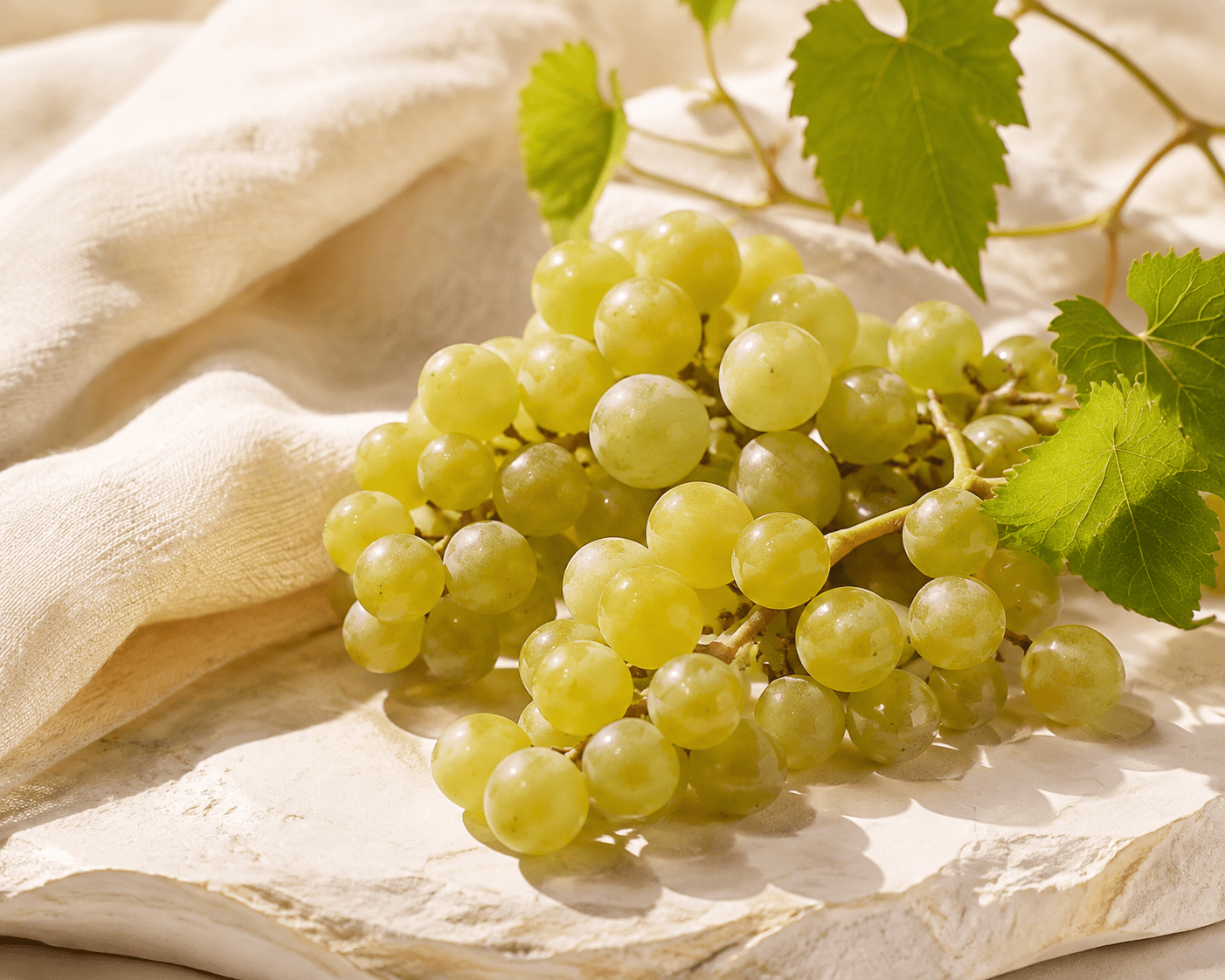
Viognier wine is all about aroma and texture. The fruit is ripe and juicy: apricot, white peach, tangerine, mango, and honeydew. Floral notes of honeysuckle, orange blossom, and jasmine float above, with touches of ginger, honey, and almond. On the palate, Viognier is full-bodied with a silky, almost oily texture. Acidity is low to moderate, and alcohol often runs 13.5% to 15%, which adds weight and warmth. The best examples balance that richness with freshness and a slightly bitter, pithy finish that keeps them from feeling heavy. Viognier can be unoaked, which highlights the fruit and flowers, or aged in oak, which adds cream and vanilla. If you love the body of Chardonnay but want more perfume, Viognier is your grape.
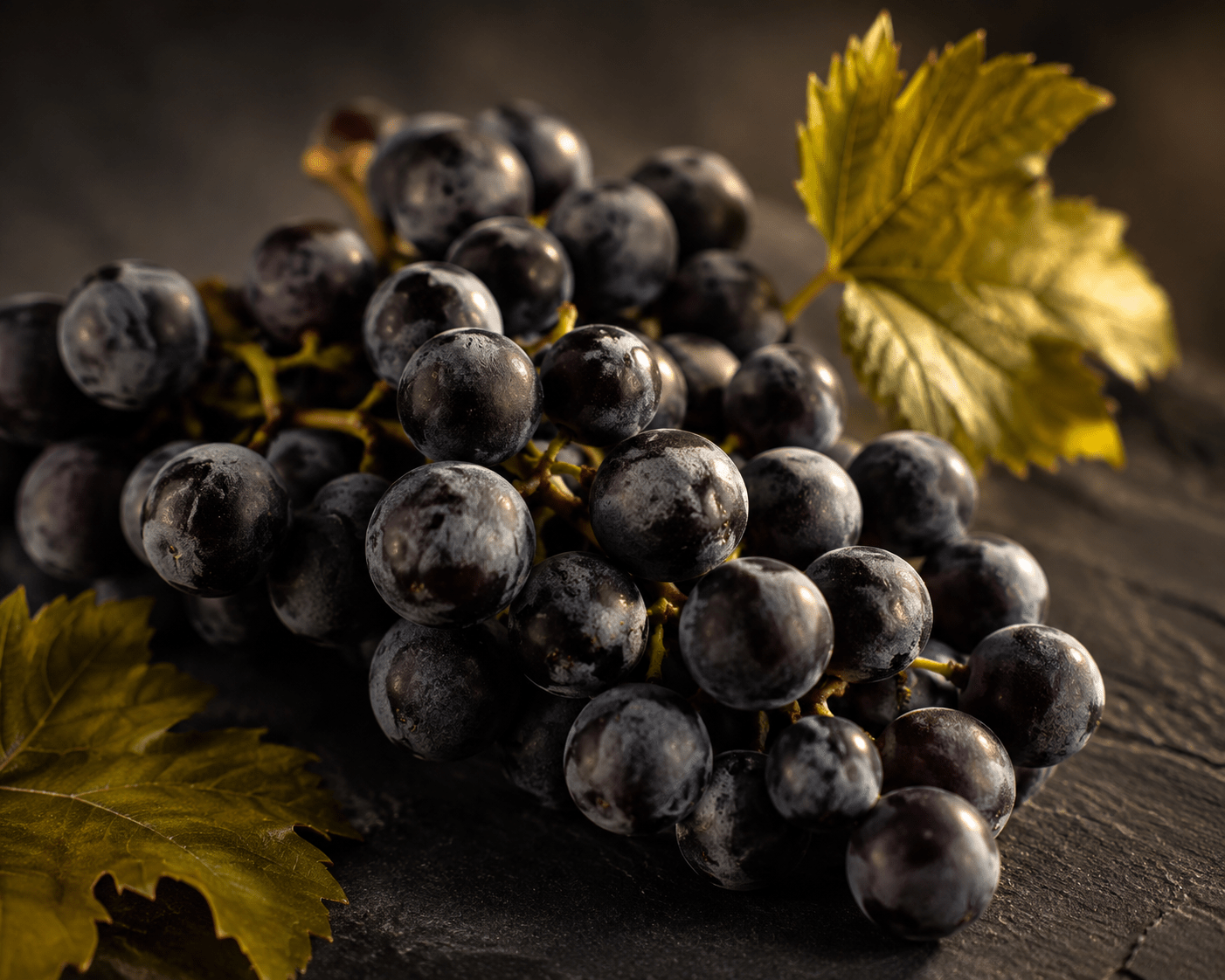
Viognier’s spiritual home is the northern Rhône Valley in France. Condrieu, a small appellation on steep granite terraces, makes wine from 100% Viognier, and it is the world’s benchmark: rich, perfumed, and expensive. Tiny Château-Grillet, a single-estate appellation within the area, is also all Viognier. Just to the north in Côte-Rôtie, growers may co-ferment a small portion of Viognier with Syrah. It sounds odd, but the white grape helps stabilize color and adds floral lift to the red. Viognier was nearly extinct by the mid-20th century, with only a tiny area planted in Condrieu. Renewed interest from the 1980s onward spread it around the world.
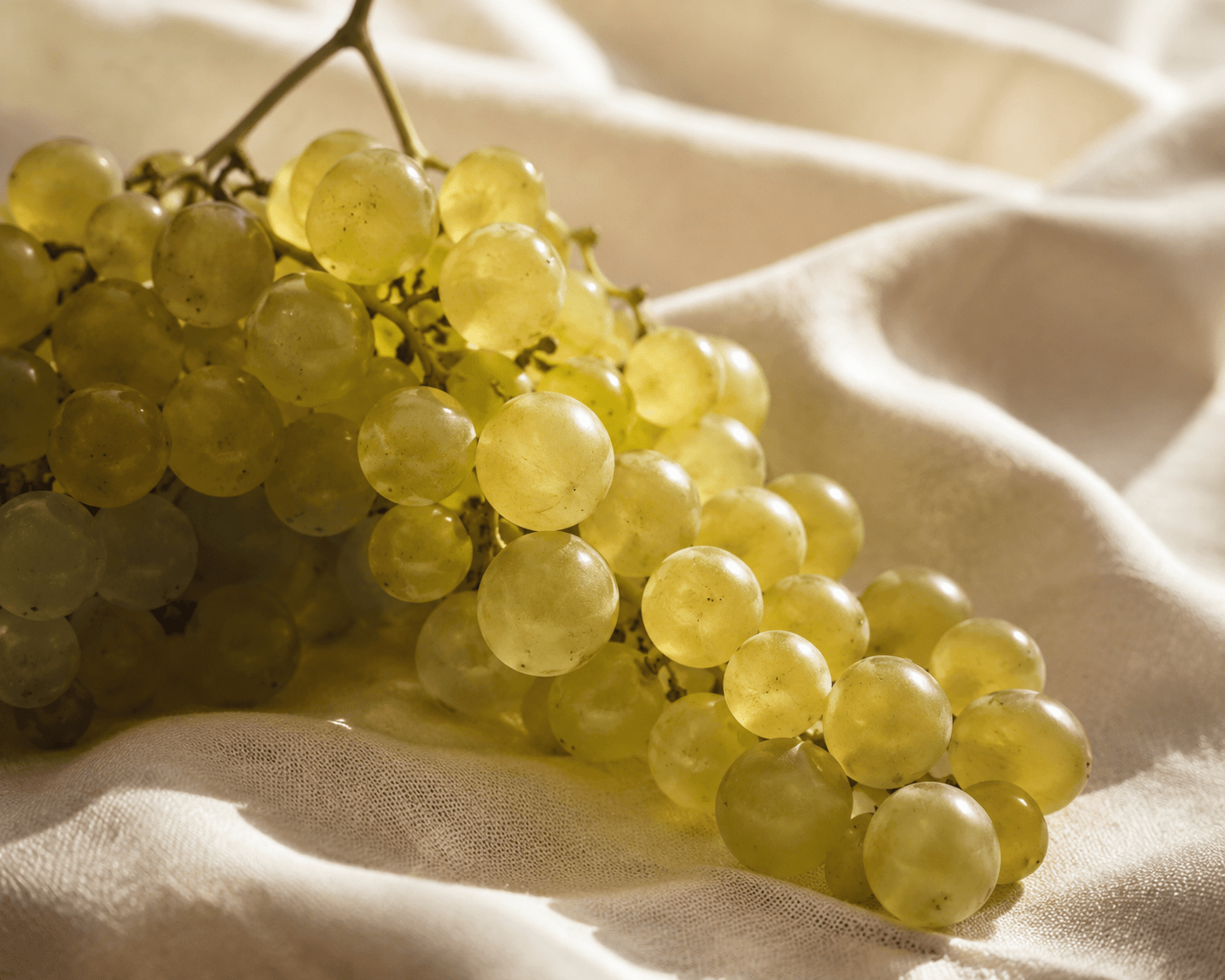
Outside the northern Rhône, Viognier grows in the Languedoc and southern France, where it makes affordable, fruity whites, often labeled Pays d’Oc. California grows it widely, especially on the Central Coast and in Paso Robles, where it appears alone or blended with Rhône whites. Virginia has adopted Viognier as its signature white grape; vineyards in areas like the Shenandoah Valley make fresh, aromatic styles. Australia uses it alone and in Shiraz-Viognier blends, especially in Eden Valley and Canberra. Washington, South Africa, Chile, and Argentina also make good bottles. Warm sites deliver lush fruit, but if the grapes hang too long, they lose their perfume and become heavy and alcoholic. Timing the harvest is everything.
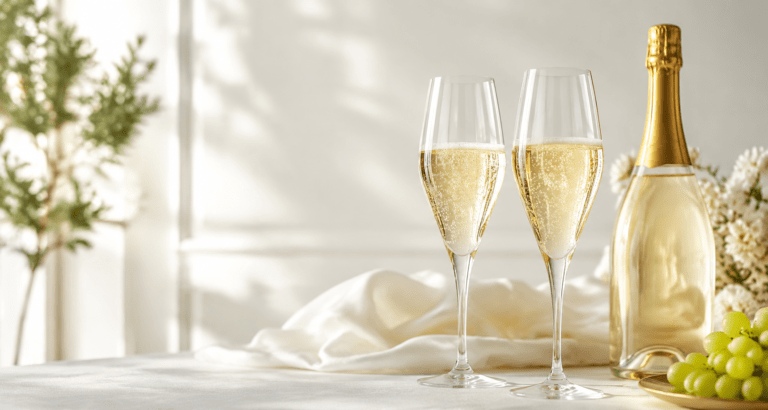
Serve Viognier at 50–55°F, a little warmer than most whites. Ice-cold Viognier hides its aromas and makes the texture feel thin. If it comes straight from the fridge, let it sit out for 15 to 20 minutes before pouring. Use a white wine glass with a medium-to-large bowl so the perfume has room to build. Viognier does not need decanting. Most bottles are best young, within two to three years of the vintage, while the floral notes are vivid; the aromas fade with age. Top Condrieu can develop for a few more years, but it is generally not a long-aging wine. An opened bottle keeps for two to three days in the fridge.
Viognier wine’s body and ripe fruit pair well with rich, gently spiced dishes. It is excellent with roast chicken, especially with apricot or citrus glaze, and with pork tenderloin with stone-fruit chutney. Rich shellfish such as lobster, crab, and scallops in butter or cream sauce match its silky texture. Its perfume works with aromatic spice, so try mild Indian curries, Moroccan tagines with dried fruit, or Thai coconut dishes. Butternut squash soup, roasted root vegetables, and risotto are good vegetarian matches. Soft, creamy cheeses like brie work too. Avoid very acidic dishes such as vinaigrettes or tomato-based sauces, which make Viognier taste flat, and skip very spicy food, which its alcohol amplifies.
For a special occasion, Condrieu is the classic, but expect to pay for it. For everyday drinking, look for Viognier from the Languedoc or Pays d’Oc, often under $20, or from California and Virginia for fruit-forward, mid-priced styles. Unoaked labels highlight the fruit; barrel-aged versions are creamier. If you enjoy Viognier, try Marsanne and Roussanne, its Rhône neighbors, often blended together for nutty, textured whites. Gewürztraminer shares the perfume and low acidity, while Torrontés is lighter and drier. For a side-by-side, see Viognier vs. Chardonnay.
| Region | Style | What to Expect |
|---|---|---|
| Condrieu, northern Rhône | 100% Viognier, rich | Apricot, honeysuckle, silky texture; a splurge |
| Côte-Rôtie, northern Rhône | Co-fermented with Syrah | Floral lift in a red wine |
| Languedoc and Pays d'Oc | Everyday, unoaked | Fresh peach and flowers, great value |
| California Central Coast | Ripe, sometimes oaked | Lush tropical fruit, creamy body |
| Virginia | Signature white | Fresh, aromatic, balanced acidity |
| Australia | Varietal or Shiraz-Viognier | Juicy stone fruit; adds perfume to Shiraz |
Pour Viognier at 50–55°F. Too cold, and its famous perfume disappears.
Viognier's apricot and honeysuckle aromas fade with time, so open most bottles early.
Virginia Viognier offers fresh, balanced styles at fair prices.
Learn Your Taste
Answer a few simple questions and discover styles that fit your palate.
Take the Wine QuizViognier is almost always dry. Its ripe apricot and peach flavors, floral aromas, and full body can give an impression of sweetness, but the sugar is fermented out. A few late-harvest dessert versions exist but are uncommon.
Say it vee-own-YAY. The final r is silent, as in many French words. Condrieu, its most famous appellation, is pronounced kawn-dree-UH. If you mispronounce either at a wine shop, no one will mind.
They share a full body and can both be oaked, but Viognier is far more aromatic, with apricot, peach, and honeysuckle. Chardonnay is more neutral, with apple and citrus, and usually has higher acidity.
Condrieu is a small appellation in the northern Rhône Valley that makes white wine only from Viognier. It is considered the grape's benchmark, with rich, perfumed wines grown on steep granite terraces, and it is priced accordingly.
In Côte-Rôtie and some Australian Shiraz-Viognier blends, a small amount of Viognier is co-fermented with Syrah. It helps stabilize the red's color and adds floral, apricot aromas without making the wine taste white.
Roast chicken, pork with fruit glazes, lobster, crab, and scallops are excellent. Viognier also pairs well with mild curries, Moroccan tagines, butternut squash, and creamy cheeses.