Start with Barbera
Barbera d'Asti shows Piedmont's bright style at a fraction of Barolo's price.

Understand Wine. Enjoy Every Glass.
Wine Regions
Tucked against the Alps in northwest Italy, Piedmont makes some of the world's most admired reds and some of its most easygoing everyday wines. Here is how to find your way in.
Start Learning
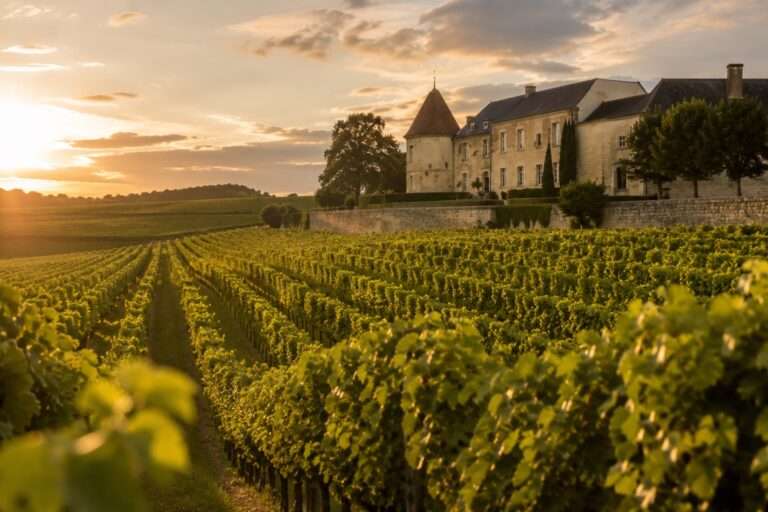
Piedmont, or Piemonte in Italian, means “foot of the mountains,” and the name fits. The region curls around the base of the Alps in Italy’s northwest corner, bordering France and Switzerland, with Turin as its capital. The climate is continental: cold, snowy winters, hot summers, and long autumns when thick fog rolls through the valleys. The best vineyards sit on south-facing hillsides in the Langhe, Roero, and Monferrato hills, where they catch the most sun and stay above the coldest, foggiest air. Soils are mostly calcareous marl, a crumbly blend of clay and limestone left by an ancient sea. That chalky ground and slow ripening season are why Piedmont wine tends to be high in acidity and structure, with perfume rather than jammy fruit. It is a region built for wines that pair with food and age gracefully.
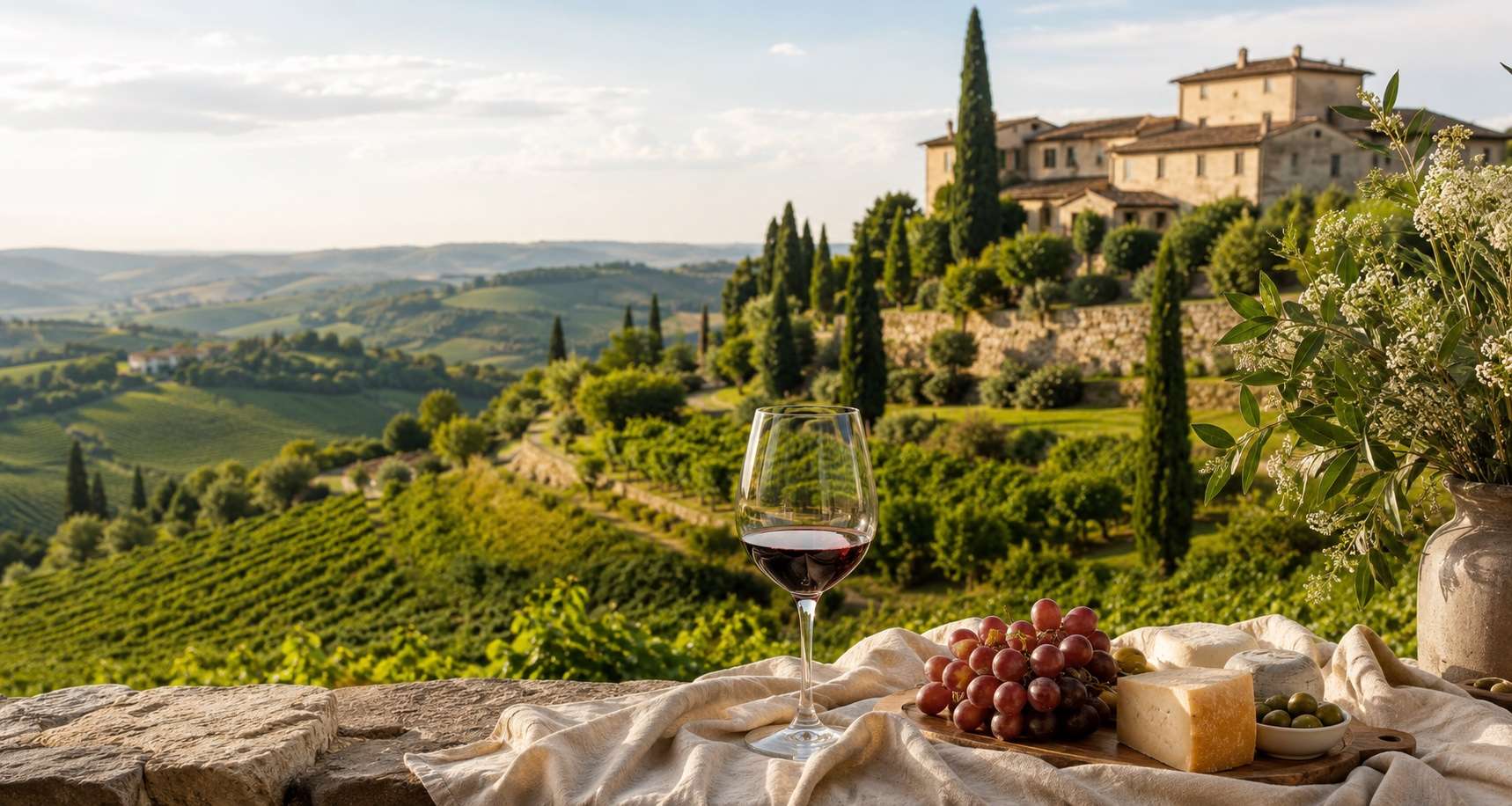
Nebbiolo is Piedmont’s noble grape, and it is a paradox. In the glass it looks pale, almost like Pinot Noir, yet it carries some of the firmest tannins and highest acidity of any red. The classic aroma is “tar and roses”: sour cherry, rose petals, dried herbs, licorice, and, with age, leather, truffle, and earth. Nebbiolo ripens late, often in October, and only performs well on the very best slopes, which is why serious bottles cost more than most Italian reds. Because it is so structured, young Barolo can feel tough and drying. Time softens it, and so does air: plan to decant a younger bottle for an hour or two. If you love savory, high-acid reds like Burgundy’s Pinot Noir, Nebbiolo is a natural next step.
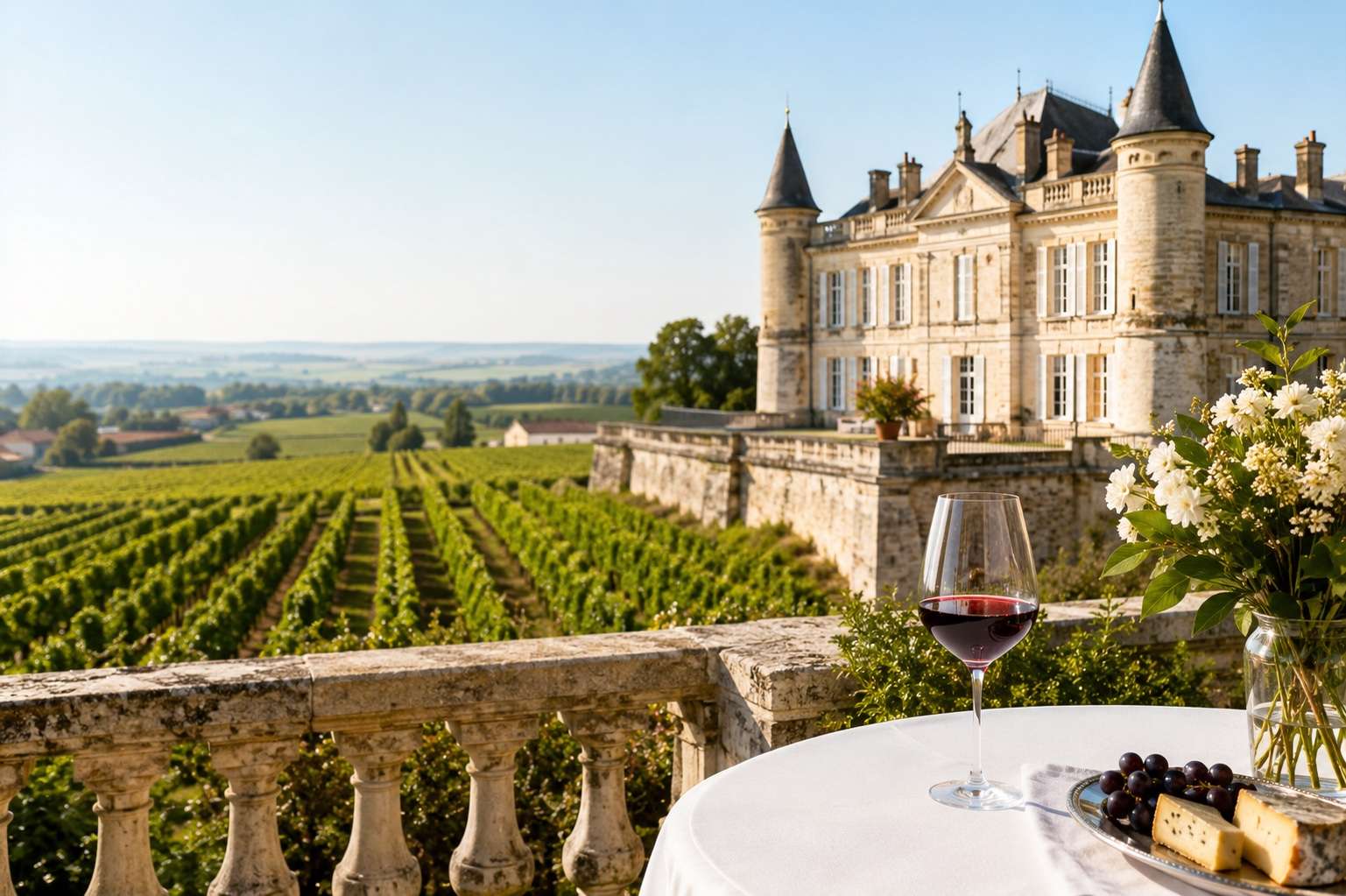
Barolo, southwest of the town of Alba, makes the fullest, most tannic Nebbiolo and must age at least three years before release, longer for Riserva. Villages such as La Morra tend to give softer, perfumed wines, while Serralunga d’Alba is known for power and grip. Barbaresco, just northeast of Alba, is a little smaller and often a touch more elegant and approachable in youth, with at least two years of aging. Langhe Nebbiolo is a broader label that often comes from younger vines and costs far less. Around Asti and in Monferrato, Barbera rules the reds and Moscato rules the sweet wines. Roero, across the Tanaro River on sandier soils, makes lighter Nebbiolo and crisp white Arneis. In the southeast, Gavi makes a steely white from the Cortese grape.
Locals drink Barolo on Sundays and these wines the rest of the week. Barbera is Piedmont’s most planted red: bright cherry and plum fruit, very high acidity, and soft tannins. Barbera d’Asti and Barbera d’Alba are the names to look for, and they are some of Italy’s best values with tomato-based dishes. Dolcetto, despite its name meaning “little sweet one,” is dry, with dark fruit, a hint of bitter almond, and lower acidity. Dolcetto d’Alba and Dogliani are reliable picks. For something sweet, Moscato d’Asti is gently fizzy, low in alcohol, and full of peach, orange blossom, and grape flavors; fully sparkling Asti is its bubblier sibling. For whites, try Gavi with shellfish or Roero Arneis, which smells of pear and almond.
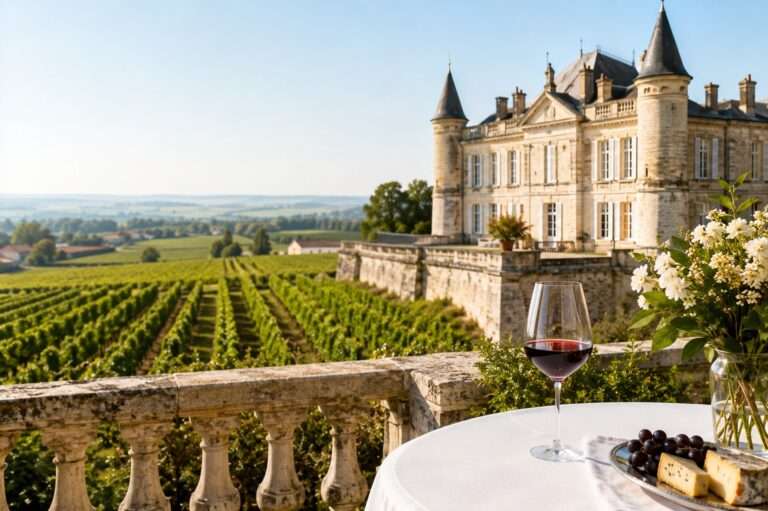
Begin with a Barbera d’Asti to taste Piedmont’s bright acidity, then a Langhe Nebbiolo to meet the tar-and-roses character without a big price tag. When you are ready, compare a Barbaresco and a Barolo side by side. Serve Nebbiolo at 60–65°F in a large glass, and Moscato d’Asti well chilled. The local table was made for these wines. Fresh egg pasta called tajarin, often topped with butter and shaved white truffle from Alba, is the classic match for Barolo. So is brasato al Barolo, beef braised in the wine itself. Barbera loves pizza, salumi, and vitello tonnato, while Dolcetto suits agnolotti stuffed with meat. Earthy dishes such as porcini risotto and mushrooms bring out Nebbiolo’s savory side. Finish with Moscato d’Asti and hazelnut cake.
Alba is the easiest base for the Langhe, with Barolo and Barbaresco villages each a short drive away. Autumn is the most exciting season: harvest runs into October, the hills turn gold and red, and the white truffle season and Alba’s truffle fair draw food lovers from October into November. Spring and early summer are quieter and greener. Many family estates are small and do not have staff waiting at a tasting bar, so book visits in advance and expect a personal tour, often with the winemaker. The roads are narrow and hilly, so hire a driver or join a tour if you plan several tastings. Pair your trip with a stop in Tuscany or read up on Italian food pairings before you go.
| Grape or Style | Character | Try It With |
|---|---|---|
| Barolo (Nebbiolo) | Full, very tannic, cherry, roses, tar, ages for decades | Braised beef or truffle pasta |
| Barbaresco (Nebbiolo) | Firm but often more elegant and perfumed | Roast veal or mushroom risotto |
| Langhe Nebbiolo | Lighter, younger, same savory perfume | Salumi or roast chicken |
| Barbera d'Asti or d'Alba | Juicy cherry, high acid, soft tannins | Pizza, lasagna, or vitello tonnato |
| Dolcetto d'Alba | Dry, dark fruit, bitter almond, easygoing | Meat-filled agnolotti or burgers |
| Moscato d'Asti | Lightly sweet, gently fizzy, peach and blossom | Fruit tarts or hazelnut cake |
| Gavi (Cortese) | Crisp, lemony, mineral white | Shellfish or pesto pasta |
Barbera d'Asti shows Piedmont's bright style at a fraction of Barolo's price.
Decant young Barolo for one to two hours to soften its firm tannins.
It offers the tar-and-roses aroma of Barolo in a lighter, cheaper, ready-to-drink form.
Learn Your Taste
Answer a few simple questions and discover styles that fit your palate.
Take the Wine QuizBarolo. Made from 100 percent Nebbiolo in a small area near Alba, it is often called the king of Italian wines for its power, perfume, and ability to age for decades. Barbaresco, made nearby from the same grape, is a close second.
Gavi is a crisp, dry white wine from southeastern Piedmont made from the Cortese grape. Expect lemon, green apple, and almond notes with bright acidity and a light body. It is a classic match for seafood, pesto, and light pasta, and it tastes best young while it is fresh.
It can be, but not always. Barolo and Barbaresco are splurges because Nebbiolo needs top sites and long aging. Barbera, Dolcetto, Langhe Nebbiolo, and Moscato d'Asti are widely available at friendly prices, often under $25.
Yes. Moscato d'Asti is lightly sweet and gently fizzy, with flavors of peach, apricot, and orange blossom. It is low in alcohol, usually around 5 percent, which makes it a refreshing choice with fruit desserts or brunch.
Many Barolos taste best 10 or more years after the vintage, when tannins soften and earthy, leathery notes appear. Modern styles can be enjoyable sooner, especially if decanted. Until then, keep bottles lying down somewhere steady and dark, ideally around 55°F.
Local dishes are the best guide. Pair Barolo with truffle pasta or beef braised in red wine, Barbera with pizza and salumi, Dolcetto with meat-filled pasta, and Moscato d'Asti with fruit or hazelnut desserts.