Spot Trocken for Dry Mosel Riesling
Trocken on the label means dry. Without it, expect at least a touch of sweetness.

Understand Wine. Enjoy Every Glass.
Wine Regions
Light, racy, and lower in alcohol than almost any other fine white, Mosel Riesling tastes like nowhere else. Here is why, and how to choose a bottle you will love.
Start Learning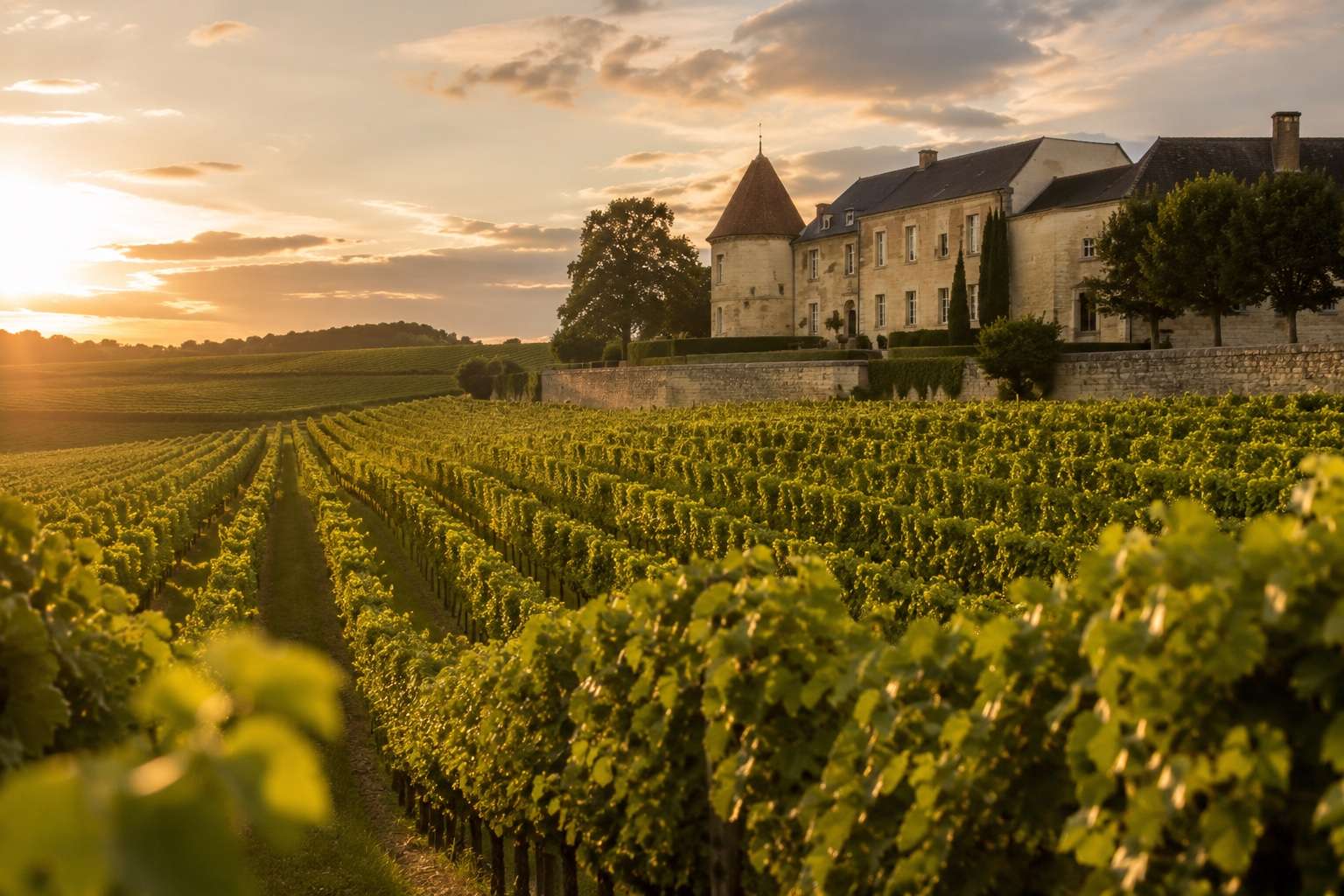
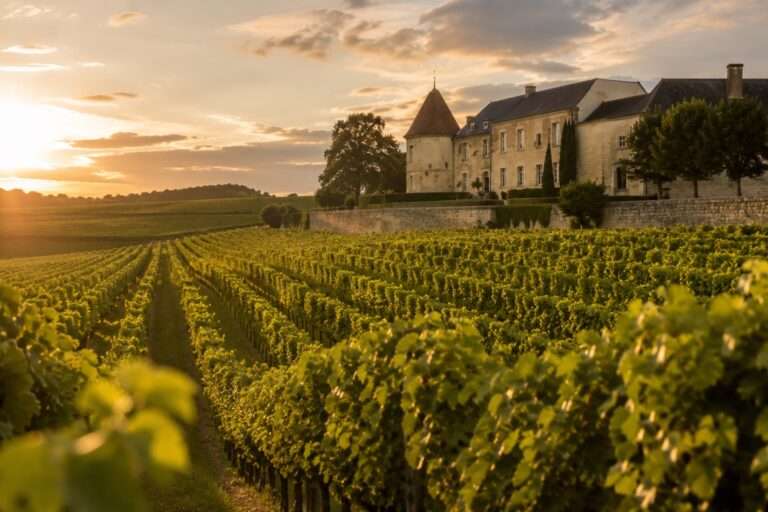
The Mosel River rises in France, briefly forms the border with Luxembourg, and then snakes northeast through western Germany to join the Rhine at Koblenz. Its tributaries, the Saar and the Ruwer, are also part of the region. This is one of the most northerly classic wine regions in the world, so the growing season is cool and long. Vines survive by clinging to steep, south-facing slopes that catch every ray of sun, some so steep that workers use ropes and tiny rail carts. The river reflects light back onto the vines and moderates temperatures. Most important is the soil: crumbly slate, often blue-grey or red, that warms in the sun and radiates heat into the night. Because nearly all work on these slopes is done by hand, fine Mosel wine takes enormous effort, yet it often costs less than comparable whites from France.
Riesling is the Mosel’s signature grape and the source of nearly all its famous wines. Mosel Riesling is the lightest, most delicate expression of the grape. Expect green apple, lime, white peach, and apricot, with floral notes of honeysuckle and a stony, smoky edge many tasters link to the slate. The key is balance. Riesling has very high acidity, so even wines with noticeable sugar taste fresh rather than syrupy, much like lemonade. Alcohol is often strikingly low: off-dry Kabinett can sit around 8 percent, compared with 13 percent or more for many whites, a point explained in our wine alcohol guide. With age, these wines develop notes of honey, toast, and a petrol-like aroma that fans treasure. Wines from the Saar and Ruwer are often even crisper and more mineral.
German labels look intimidating, but a few words decode them. The Prädikat system ranks grapes by ripeness at harvest. Kabinett is the lightest, often off-dry and delicate. Spätlese, meaning late harvest, is riper and often a little sweeter. Auslese uses selected very ripe bunches and is usually sweet. Beerenauslese and Trockenbeerenauslese are rare, honeyed dessert wines from shriveled grapes, and Eiswein is made from grapes frozen on the vine, similar to ice wine. These terms describe ripeness, not guaranteed sweetness. If you want a dry wine, look for Trocken; Feinherb or Halbtrocken means off-dry. Alcohol is a clue too: below about 10 percent usually means some sweetness remains. Our dry vs sweet wine and label reading guides explain more.
The Middle Mosel is the heart of the region, where the river loops back on itself and creates perfect south-facing slopes. Village names on labels are written with the suffix “-er,” so wine from Piesport appears as Piesporter, followed by the vineyard name. Famous villages include Bernkastel, Graach, Wehlen, Zeltingen, Ürzig, Erden, Brauneberg, Piesport, and Trittenheim. Each has slightly different slate and exposure, so a Wehlener tends to be fine and floral, while wines from the red slate of Ürzig and Erden are spicier. The Saar, to the south, is cooler and produces taut, steely wines that shine in warm years. The tiny Ruwer makes delicate, perfumed Riesling. The Upper and Lower Mosel are less famous; the Upper Mosel near Luxembourg grows the old local grape Elbling, often used for sparkling Sekt.
Start with a Kabinett. It shows the region’s magic: light, juicy, faintly sweet, electric with acidity, and usually affordable. Next, compare a Trocken bottling to see the dry side, then try a Spätlese or Auslese with dessert or spicy food. Serve chilled at 45–50°F in a white wine glass. Riesling’s mix of sweetness and acidity makes it one of the best partners for spicy food; a Kabinett calms the heat of Thai curries, Sichuan dishes, and spicy noodles. Locally, it pairs with pork roasted with apples, bratwurst and sauerkraut, smoked trout, and creamy river fish. Try it with sushi, crab, and ham glazed with honey. Sweeter Auslese loves fruit tarts and blue cheese. Compare Germany’s other great Riesling region in our Rheingau guide.
The Mosel is one of Europe’s most scenic wine valleys, dotted with half-timbered villages, castles, and vineyards rising straight from the riverbank. Bernkastel-Kues makes a charming base in the Middle Mosel, while Trier, Germany’s oldest city with impressive Roman ruins, anchors the upper end near the Saar and Ruwer. Cochem, with its hilltop castle, is a highlight downstream. A flat cycling path follows much of the river, letting you ride between villages and stop for tastings, and boats run between towns in season. Many family wineries have tasting rooms open to walk-ins, though calling ahead is polite. Late summer and autumn bring village wine festivals and harvest. Many small estates also run cozy guesthouses and seasonal wine taverns where you can sample by the glass.
| Grape or Style | Character | Try It With |
|---|---|---|
| Riesling Trocken | Dry, crisp, lime, green apple, stony | Oysters, schnitzel, or grilled fish |
| Riesling Feinherb | Off-dry, juicy, balanced | Roast pork or sushi |
| Riesling Kabinett | Light, delicate, lightly sweet, low alcohol | Thai curry or spicy noodles |
| Riesling Spätlese | Riper, peach and apricot, often sweeter | Glazed ham or Indian dishes |
| Riesling Auslese | Rich, honeyed, sweet, ages for decades | Fruit tart or blue cheese |
| Elbling Sekt | Crisp, lean, light sparkling | Pretzels or aperitif snacks |
Trocken on the label means dry. Without it, expect at least a touch of sweetness.
Below about 10 percent alcohol usually signals a lightly sweet Mosel Riesling.
A Kabinett's gentle sweetness and bright acidity tame chili heat in Thai and Sichuan dishes.
Learn Your Taste
Answer a few simple questions and discover styles that fit your palate.
Take the Wine QuizIt can be dry, off-dry, or sweet. Kabinett is usually lightly sweet, Spätlese and Auslese are sweeter, and wines labeled Trocken are dry. High acidity keeps even sweeter styles tasting fresh rather than sugary.
The Mosel's cool climate means grapes ripen slowly, and many winemakers stop fermentation early to keep natural sweetness. Less sugar is turned into alcohol, so many off-dry styles are around 7 to 9 percent alcohol.
Kabinett is the lightest level in Germany's ripeness ranking. It usually means a delicate, light-bodied Riesling that is often lightly sweet and low in alcohol, though some Kabinett wines are made dry.
Good Mosel Riesling ages remarkably well. Kabinett and Spätlese often improve for 10 to 20 years, and sweet Auslese can last far longer. With age, they gain honey, toast, and a petrol-like aroma while the acidity keeps them lively.
Spicy Asian dishes, pork, sausages, ham, smoked fish, and sushi are all excellent. Off-dry styles balance chili heat and salty flavors, while dry Trocken versions suit oysters, fried schnitzel, and simple grilled fish.
It comes from a natural compound that develops in Riesling, especially with age or strong sun on the grapes. Many fans see it as a sign of maturity. In small amounts it adds complexity rather than indicating a fault.