Match the Cut
Malbec for lean or casual cuts; Cabernet for fatty, well-marbled steaks.

Understand Wine. Enjoy Every Glass.
Wine Comparisons
Both are dark, full-bodied reds that love a grill, so Malbec vs Cabernet Sauvignon often comes up on steak night. The difference is mostly in texture and grip.
Start Learning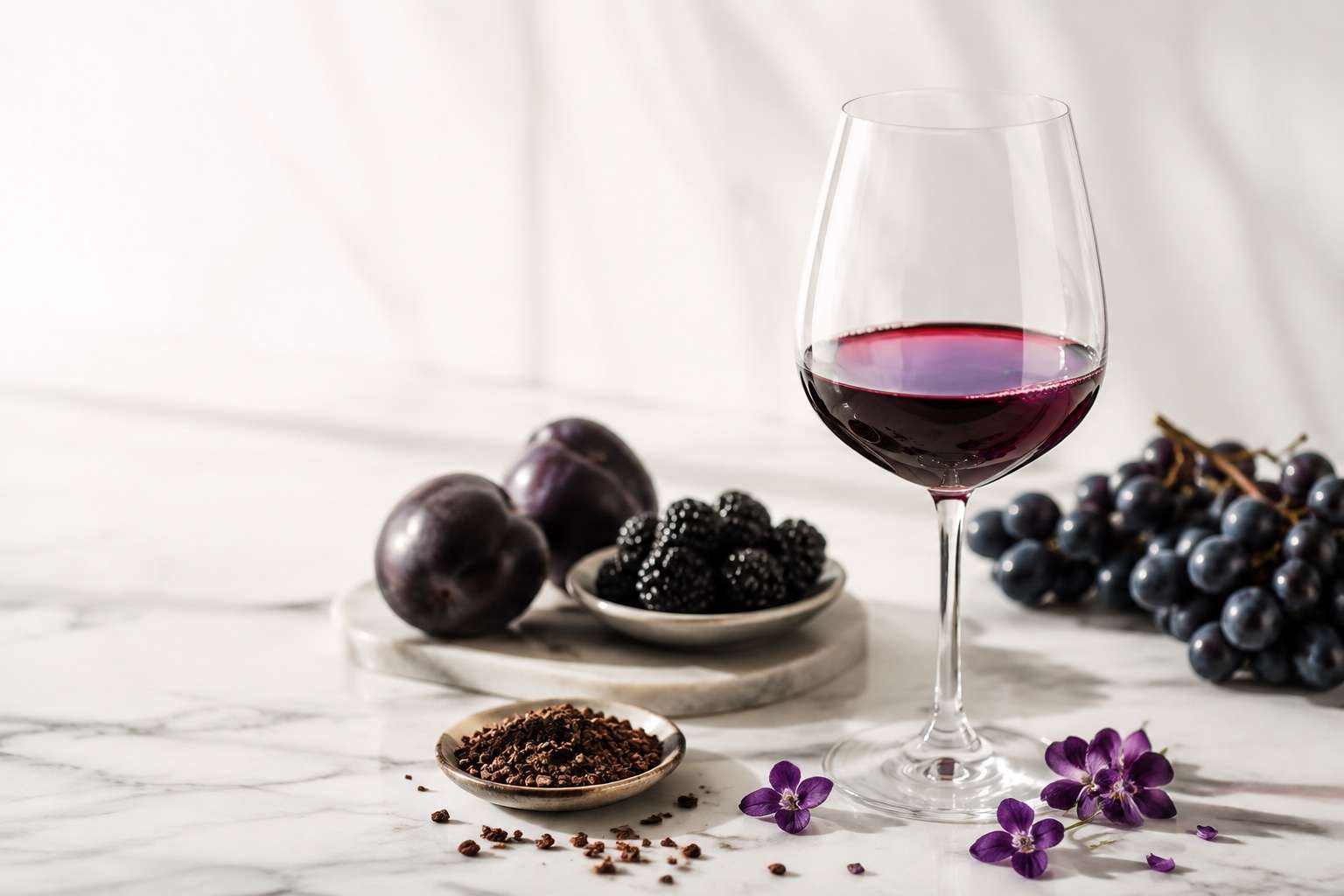
Both are full-bodied, dark-fruited, dry reds, and both started out in southwest France. The big contrast is how they feel. Malbec has softer, riper tannins and a plush, juicy texture, so it tastes smooth and generous even when young. Cabernet Sauvignon has thick skins packed with tannin, so it tastes firmer and more drying, with a long, structured finish. That structure is why Cabernet can age for decades and why it needs rich, fatty food to show its best. Malbec is more of a here-and-now wine: fruit-forward, approachable, and ready to pour tonight. Think of Malbec as a velvet couch and Cabernet as a leather armchair. Both are comfortable, but one has more backbone.
Argentine Malbec tastes of blackberry, black plum, and blueberry, with violet, cocoa, sweet tobacco, and a hint of leather. Oak adds vanilla and mocha. Its acidity is often fresh, thanks to high-altitude vineyards, and its tannins are medium to medium-plus but rounded. Older-style French Malbec from Cahors is earthier and firmer. Cabernet Sauvignon tastes of blackcurrant, black cherry, and blackberry, with cedar, graphite, mint, tobacco, and, in cooler sites, a touch of green bell pepper. Its tannins are high and gripping, its acidity medium-plus. Both usually land between 13.5% and 15% alcohol. Malbec tends to taste more floral and fruity; Cabernet more savory and herbal. Both deepen with a bit of air.
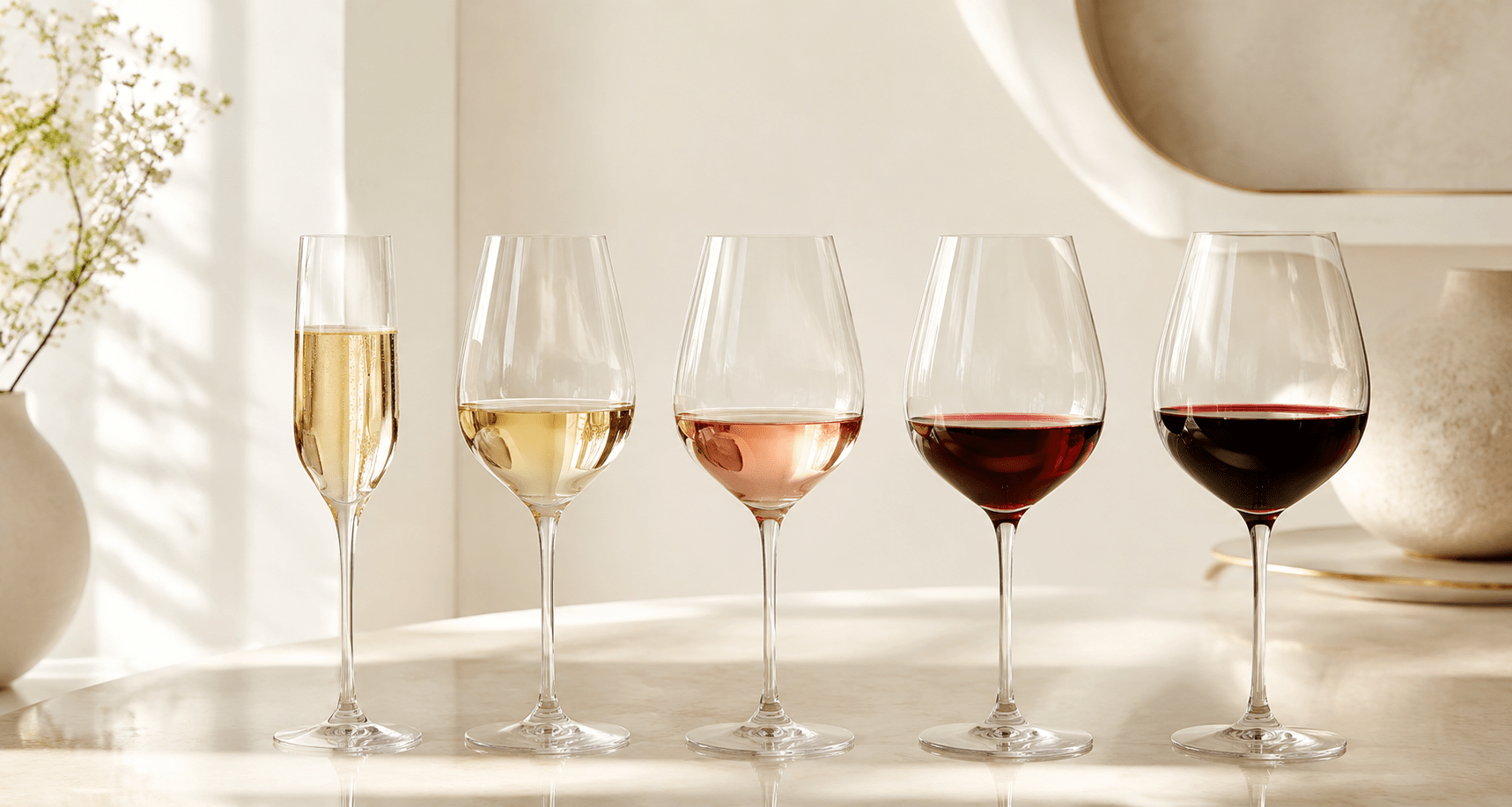
Malbec’s modern home is Argentina, especially Mendoza, where vineyards sit high in the Andes foothills. Intense sun gives deep color and ripe fruit, while cold nights keep acidity fresh. The Uco Valley makes the most floral, elegant examples. Malbec’s historic home is Cahors in France, and it was once a common grape in Bordeaux blends. Cabernet Sauvignon is planted worldwide. Its classic homes are Bordeaux’s Left Bank, where it leads blends in Pauillac and Margaux, and Napa Valley, where it makes ripe, polished wines. Chile’s Maipo Valley, Washington, Australia’s Coonawarra, and South Africa’s Stellenbosch are also strong. Mendoza grows good Cabernet too, and Malbec-Cabernet blends are popular there.
Both are steak wines, but they suit different cuts and styles. Malbec’s plush fruit and gentler tannin pair beautifully with leaner cuts and casual grilling: skirt and flank steak, sirloin, burgers, beef empanadas, chorizo, and anything topped with chimichurri, Argentina’s tangy herb sauce. It also handles mild spice, so try it with chili-rubbed meats or barbecue. Cabernet’s firm tannin needs fat and protein. It is the classic match for ribeye, prime rib, braised short ribs, rack of lamb, and aged cheeses like cheddar and Gouda. For filet mignon, Malbec is often the better match, since Cabernet’s tannin can overpower lean meat. Both struggle with fish and very spicy dishes.
On price, Malbec usually wins. Many good Argentine bottles cost under $20, and even premium single-vineyard Malbec stays well below top Cabernet prices. Cabernet ranges from affordable Chilean and Washington bottles to luxury Napa and classified Bordeaux. Aging is where Cabernet pulls ahead. Top examples improve for 15 to 30 years, while most Malbec is best within five to eight years, while the fruit is vivid. Serve both at 60–65°F in a large red wine glass. Young Cabernet benefits from 30 to 60 minutes in a decanter to soften its grip; Malbec needs only 15 to 20 minutes, or none at all.
Choose Malbec if you want a smooth, juicy, dark red that drinks well right away, are grilling casual cuts or burgers, or want great flavor on a budget. It is also a friendlier first full-bodied red. Choose Cabernet Sauvignon if you love structured, savory reds, are serving a well-marbled steak, or want a bottle to age for a special occasion. Want both? Look for an Argentine Malbec-Cabernet blend. To continue comparing, read Malbec vs Merlot and Cabernet Sauvignon vs Zinfandel, or check our wine with steak guide for cut-by-cut advice.
| Attribute | Malbec | Cabernet Sauvignon |
|---|---|---|
| Tannin | Medium to medium-plus, plush | High, firm, drying |
| Main flavors | Blackberry, plum, violet, cocoa | Blackcurrant, cedar, tobacco, mint |
| Texture | Juicy and round | Structured and grippy |
| Classic regions | Mendoza, Cahors | Bordeaux Left Bank, Napa Valley |
| Best food | Skirt steak, burgers, chimichurri | Ribeye, prime rib, lamb |
| Aging potential | Best within 5–8 years | Top bottles 15–30 years |
Malbec for lean or casual cuts; Cabernet for fatty, well-marbled steaks.
Give young Cabernet 30–60 minutes of air; Malbec needs 20 minutes at most.
Mendoza makes both grapes, so a same-region tasting shows the true difference.
Learn Your Taste
Answer a few simple questions and discover styles that fit your palate.
Take the Wine QuizYes, usually. Malbec has softer, riper tannins and a plush texture, while Cabernet Sauvignon's thick skins give firm, drying tannin. Malbec is often the easier full-bodied red for beginners.
No. Both are dry red wines. Malbec's ripe plum and blackberry fruit can make it seem sweeter, while Cabernet's tannin and herbal notes make it taste drier and more austere.
Both work. Cabernet is the classic choice for fatty ribeye and prime rib. Malbec shines with leaner cuts like skirt, flank, and sirloin, especially with chimichurri, and with filet mignon.
Generally, yes. Argentine Malbec offers a lot of flavor for the money, with many good bottles under $20. Cabernet covers a wider range, and top Napa and Bordeaux examples cost far more.
Not closely, though both come from southwest France and were historically used in Bordeaux blends. Cabernet Sauvignon's parents are Cabernet Franc and Sauvignon Blanc; Malbec has different parentage.
Some can. Premium Malbec from the Uco Valley and traditional Cahors can age for a decade or more. Most Malbec, though, is made to enjoy young, while Cabernet's tannin supports longer aging.